
Yongda
The use of Sanitary Ball Valves in manufacturing is pivotal for maintaining hygiene and efficiency. According to industry reports, nearly 50% of contamination issues in food and beverage processing stem from poor valve design. Sanitary Ball Valves are specifically engineered to reduce such risks, ensuring a safer product reach to consumers.
Recent research shows that facilities utilizing Sanitary Ball Valves experience a 30% increase in operational efficiency. This efficiency stems from their design, which allows for smooth operation and minimal maintenance. As industries evolve towards stricter hygiene regulations, the reliability of Sanitary Ball Valves becomes even more critical. Failing to adapt could mean losing competitive market share.
However, selecting the right Sanitary Ball Valve is not without its challenges. Some businesses overlook compatibility with existing systems, leading to costly downtime. To truly harness the benefits of these valves, a thorough understanding of industry standards and supplier reliability is essential. Investing time in this area can significantly impact overall production quality and safety.
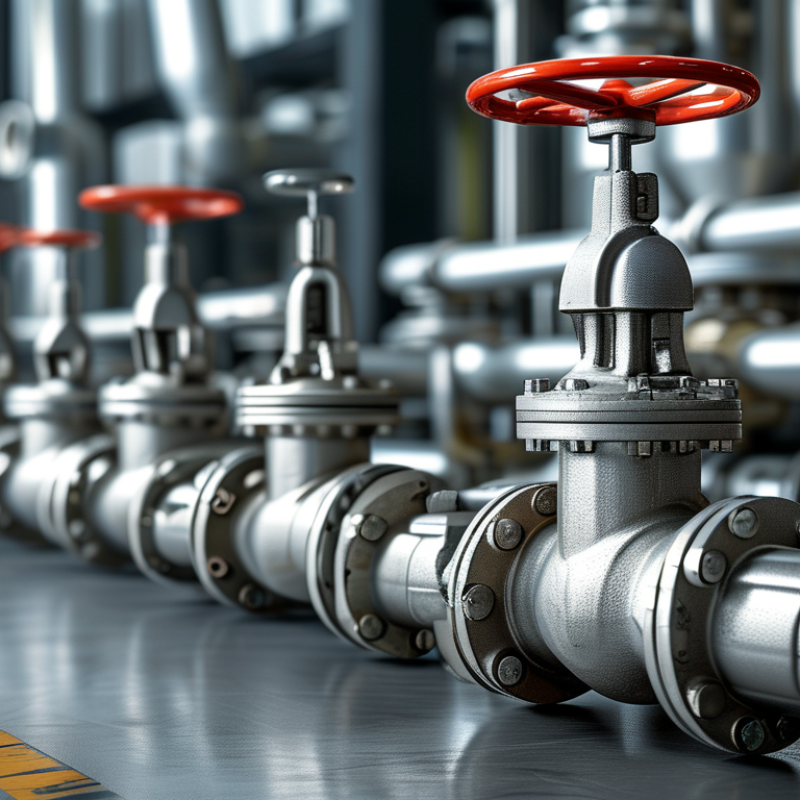
In industries where hygiene is paramount, sanitary ball valves stand out. Their design minimizes dead zones, providing a smooth flow of fluids. This feature is crucial in food and pharmaceutical applications. Contaminants often breed in stagnant areas of pipes. Sanitary ball valves help to mitigate this, ensuring higher purity levels.
Moreover, these valves are easy to clean. Many have surfaces that resist contaminants and bacteria. This saves time during maintenance, allowing businesses to focus on productivity. Hygiene is not merely a recommendation; it is often a regulation. Companies face strict standards, especially in food and health sectors. Using sanitary ball valves can lead to better compliance, reducing risks of contamination.
However, adopting these valves doesn't come without challenges. Initial costs can be higher than conventional options. Some industries may find transitioning tricky. Staff training is essential for maintaining effective use. Overall, investing in sanitary ball valves can significantly enhance hygiene practices. Companies must weigh these benefits against their operational realities.
This chart illustrates the top 10 benefits of using sanitary ball valves, highlighting their crucial role in increasing hygiene and operational efficiency in the food and pharmaceutical industries. The score reflects the importance of each benefit on a scale of 1 to 10.
Sanitary ball valves play a crucial role in enhancing flow control efficiency in various industries, especially in food and beverage, pharmaceuticals, and cosmetics. These valves provide a reliable solution for maintaining product integrity and reducing contamination risk. According to a recent industry report, using sanitary ball valves can improve flow efficiency by up to 30%. This improvement results from their design, which minimizes turbulence and allows for smoother flow paths.
The sanitary design ensures that these valves are easy to clean and maintain. In fact, studies suggest that effective hygiene practices can decrease the risk of product contamination by 50%. Reduced maintenance downtime also leads to significant cost savings. However, it's essential to regularly monitor and assess valve performance to avoid unnoticed wear over time. While sanitary ball valves offer many advantages, improper installation can negate their benefits.
Furthermore, the versatility of these valves enables their use across various applications. For instance, their operation in high-pressure situations demonstrates their capability to handle demanding environments. Yet, the importance of choosing the right size and specification cannot be overlooked. Without proper attention to these details, flow efficiency may be compromised, posing potential risks to production quality. Frequent evaluations of valve performance are vital for maximizing their potential.
| Benefit | Description | Impact on Efficiency |
|---|---|---|
| Improved Flow Control | Sanitary ball valves provide a smooth and unobstructed flow, minimizing pressure drops. | Enhances system efficiency by maintaining optimal flow rates. |
| Easy Maintenance | They can be easily disassembled for cleaning and maintenance, ensuring hygiene. | Reduces downtime and maintenance costs. |
| Durability | Made from robust materials, these valves withstand harsh operating conditions. | Longer service life leads to lower replacement costs. |
| Versatility | Suitable for various applications, from food processing to pharmaceuticals. | Broader application range improves operational flexibility. |
| Minimal Leakage | Designed to reduce leakage, ensuring better process integrity. | Increases product yield and reduces waste. |
| High Temperature and Pressure Resistance | They can operate under high temperatures and pressures without failure. | Enhances reliability in demanding processes. |
| Hygienic Design | Designed to prevent contamination, crucial for sanitary applications. | Ensures product safety and compliance with health regulations. |
| Tamper-Resistant | Mechanisms can be designed to prevent unauthorized access or adjustments. | Enhances security of processes and products. |
| Cost-Effectiveness | While initial costs may be higher, reducing maintenance and risk saves money. | Long-term savings in operational expenses. |
| Flow Direction Control | Allows precise control over flow direction in piping systems. | Improves system performance and adaptability. |
Sanitary ball valves play a crucial role in various industries, particularly in food and beverage manufacturing. Their design minimizes the buildup of bacteria and contaminants. This feature directly contributes to reduced maintenance costs. By maintaining a clean system, businesses can avoid frequent repairs and replacements.
Downtime in operations can be costly. Using sanitary ball valves helps in streamlining processes. They operate smoothly and require less manual intervention. This reliability translates to more efficient production timelines. Companies can focus on meeting demands rather than fixing equipment.
However, there are challenges. Not all sanitary ball valves are created equal. It’s important to invest in options that comply with quality standards. Regular inspections are necessary too. A lack of vigilance may lead to unanticipated failures. Balancing cost savings with ensuring long-term reliability needs careful consideration. Proper education on valve function is essential for maximizing benefits.
Sanitary ball valves play a vital role in industries that prioritize safety and compliance. These valves are designed to prevent contamination. For food processing, the CDC states that a substantial 48 million people get sick from foodborne illnesses each year. Using sanitary fittings can significantly mitigate these risks.
A report by the FDA highlights that industries using sanitary equipment can reduce compliance issues by up to 30%. This reduction not only helps in adhering to regulations but also enhances customer trust. The ease of cleaning and sterilization of these valves ensures that safety standards are met. However, improper installation can lead to leaks, which poses safety concerns that must be addressed.
Moreover, ongoing training is essential to maintain high safety standards. Workers must understand how to operate these valves correctly. Continuous education helps to minimize errors. The industry notes a 20% increase in safety incidents due to insufficient training. Investing time in employee education can help avoid this pitfall.
Sanitary ball valves are increasingly recognized for their exceptional longevity and durability, particularly in harsh environments. According to industry reports, these valves can withstand extreme temperatures ranging from -50°F to 400°F. This resilience makes them ideal for industries such as pharmaceuticals, food processing, and water treatment.
One critical feature of sanitary ball valves is their corrosion resistance. Made from high-grade stainless steel, they can endure aggressive chemicals. This capability ensures long-term performance, reducing failure rates. A 2021 study indicated that companies using stainless steel valves reduced maintenance costs by up to 30%. However, it’s important to regularly inspect these valves. Neglect can lead to wear, reducing their effectiveness.
In high-pressure situations, the performance of a valve is vital. Sanitary ball valves offer tight sealing, which minimizes leaks. A report from the Valve Manufacturers Association suggests that poor sealing can lead to product contamination. Thus, investing in quality valves can prevent costly production downtime. Engineers should focus on the valve’s components and their compatibility with the specific application. This careful selection process can mitigate unexpected failures and improve overall efficiency.
: They enhance flow control efficiency in food, beverage, pharmaceuticals, and cosmetics industries.
Their design minimizes turbulence, allowing smoother flow paths that can improve efficiency by up to 30%.
Their sanitary design facilitates maintenance, reducing contamination risks significantly during operations.
Lower maintenance costs and less downtime help businesses focus on production rather than repairs.
No, it’s important to choose options that meet industry standards. Not all are effective.
They can withstand extreme temperatures from -50°F to 400°F, suitable for harsh environments.
Their high-grade stainless steel prevents damage from aggressive chemicals, ensuring long-term performance.
Neglect can lead to wear, reducing effectiveness and possibly causing production failures.
Incorrect installation can negate their benefits and hinder flow efficiency, impacting production quality.
By focusing on component compatibility and quality during the selection process to avoid failures.
Sanitary ball valves offer numerous advantages, particularly in the food and pharmaceutical industries, where increased hygiene is paramount. These valves enhance flow control efficiency, allowing for smooth and precise operations that meet strict industry standards. The reduced maintenance and downtime associated with sanitary ball valves contribute to significant cost savings for businesses, ensuring that operations run seamlessly.
Moreover, the use of sanitary ball valves improves safety standards and compliance with industry regulations, ultimately fostering a safer work environment. Their longevity and durability make them ideal for harsh environments, ensuring that businesses can rely on their performance over time. By incorporating sanitary ball valves, companies can achieve a combination of hygiene, efficiency, and safety that is crucial for success in today's competitive landscape.
