 Yongda
Yongda
Yongda
Engineered to deliver exceptional thermal stability, pressure control, and safety in modern commercial and residential hydronic setups.
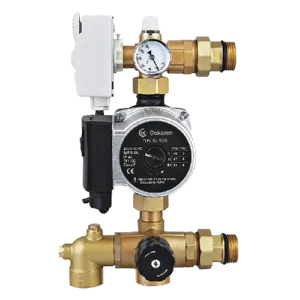
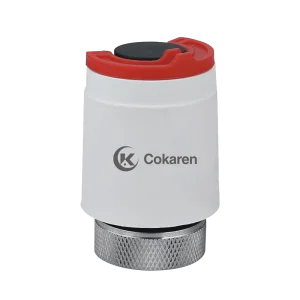
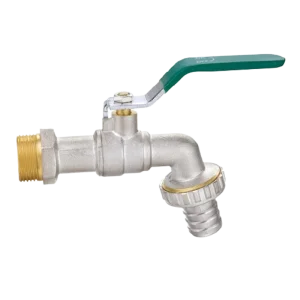
Established in 1996 in Yuhuan, Zhejiang—the recognized valve capital of China—Yuhuan Yongda Fluid Control Co., Ltd. (formerly Yuhuan Yongda Plumbing Co., Ltd.) has evolved into a premier globally recognized industrial manufacturer. Focusing on design, engineering development, production, and distribution, we supply environmental, high-grade brass valves, fittings, and HVAC solutions to markets across North America, Europe, and Asia.
Our premium brand Cokaren embodies the promise: "Keep flowing, keep warming". Through continuous technical iteration, Cokaren delivers refined designs and superior fluid control solutions. We aim to elevate domestic and commercial thermal comfort using smart integration and low-lead materials designed for prolonged operating lifespans.

How mixing valves serve as the linchpin of modern energy efficiency and safety in industrial, district, and commercial building systems.
Global net-zero mandates require optimized hydronic systems. Thermostatic and motorized mixing valves reduce energy waste by preventing excessive boiler temperatures while supplying optimal heat flux to manifolds.
ASSE, CE, and ISO compliance guarantee safe water delivery. Modern commercial applications prioritize anti-scald and legionella control thermal regimes, requiring precision shunting systems.
As cities expand, multi-zone underfloor heating and central cooling projects demand intelligent flow balancing. Yongda provides highly reliable customized, volume production valves to support global real estate demands.
Discover how our components integrate to form a seamless, zero-leakage, high-performance hydronic architecture.
A high-efficiency hydronic distribution system relies on premium components acting in unison. Yongda's technical catalog covers the complete loop, ensuring water quality, pressure control, air venting, and smart feedback loop integration.
By utilizing high-grade CW617N brass and precision machining, we secure high flow coefficients (Kv value) and wear resistance. This minimizes thermal lag and lowers energy footprint in public and residential sectors.
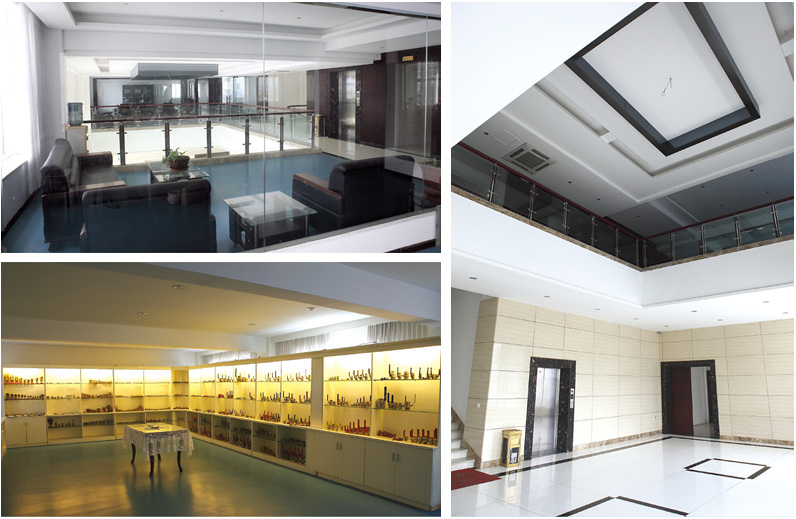
Explore the modular path. Click/hover on components to trace from boiler filtration to individual room zone management.


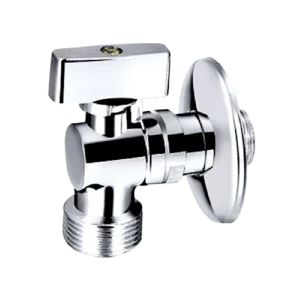
First line of defense in domestic water sanitation, filtering 98% of sediment and impurities.
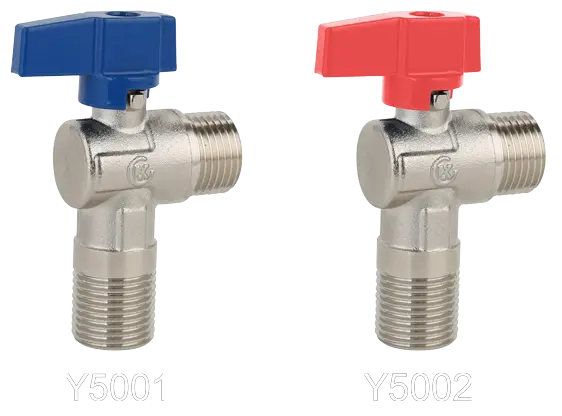
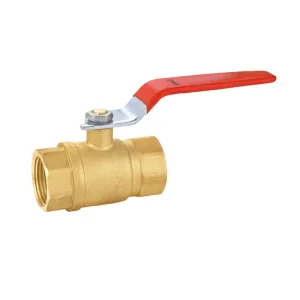
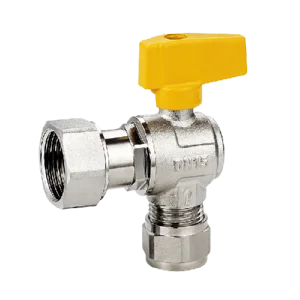
Spherical spool construction to govern the hot and cold inlet/outlet water flows.
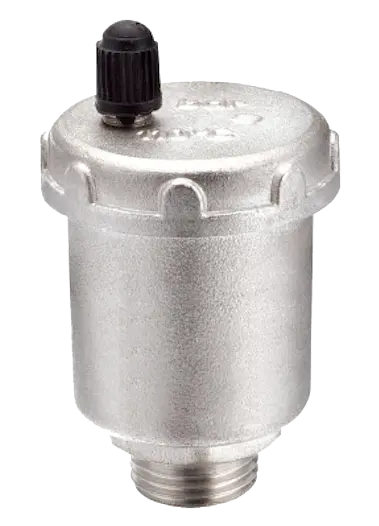
Discharges trapped air from heat pumps, boilers, and heating systems automatically.
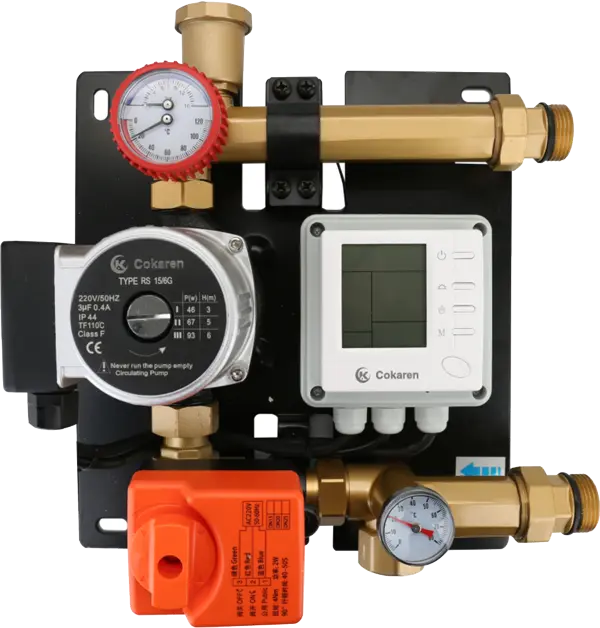
Optimizes temperature equilibrium between supply and return loops for piping safety.
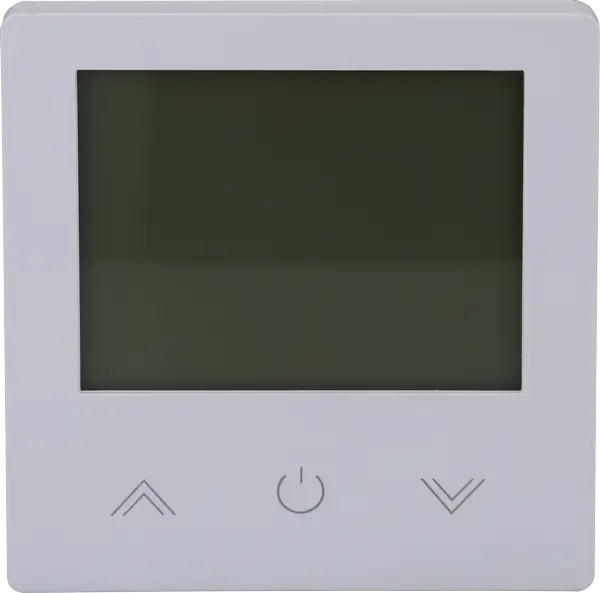
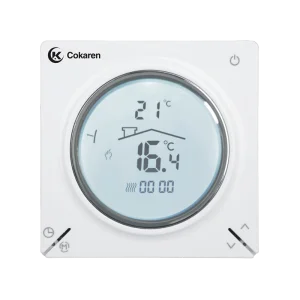
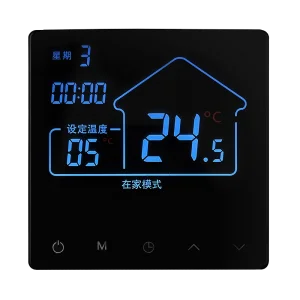
Intelligent, remote environmental monitoring and zone temperature modulation.
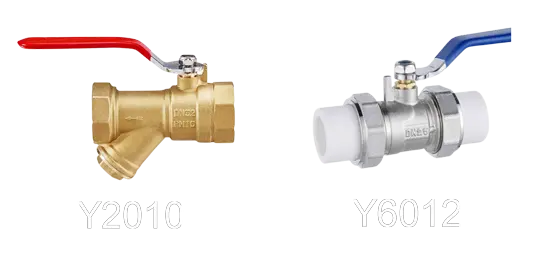
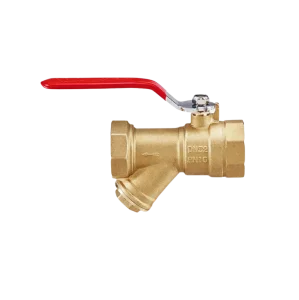
Advanced inline filter and manifold shutoff with dual temperature and pressure metrics.
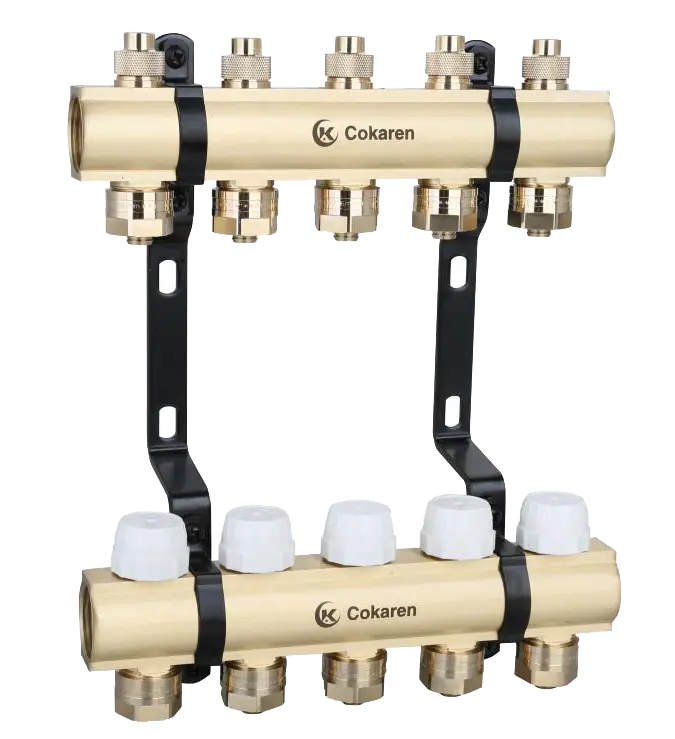
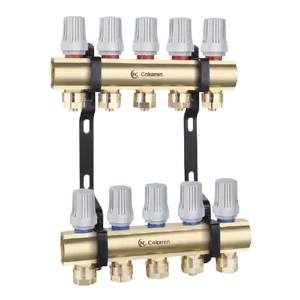
Distributes flow to each room, allowing zone modulation and system balance.
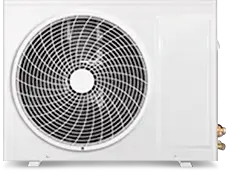

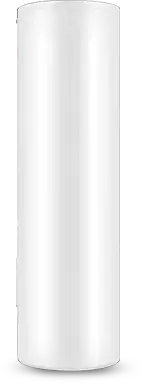

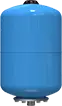

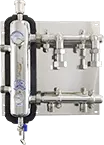

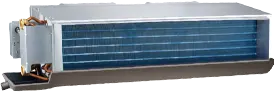

Strict industrial protocols and people-focused development to achieve a zero-leakage manufacturing standard.
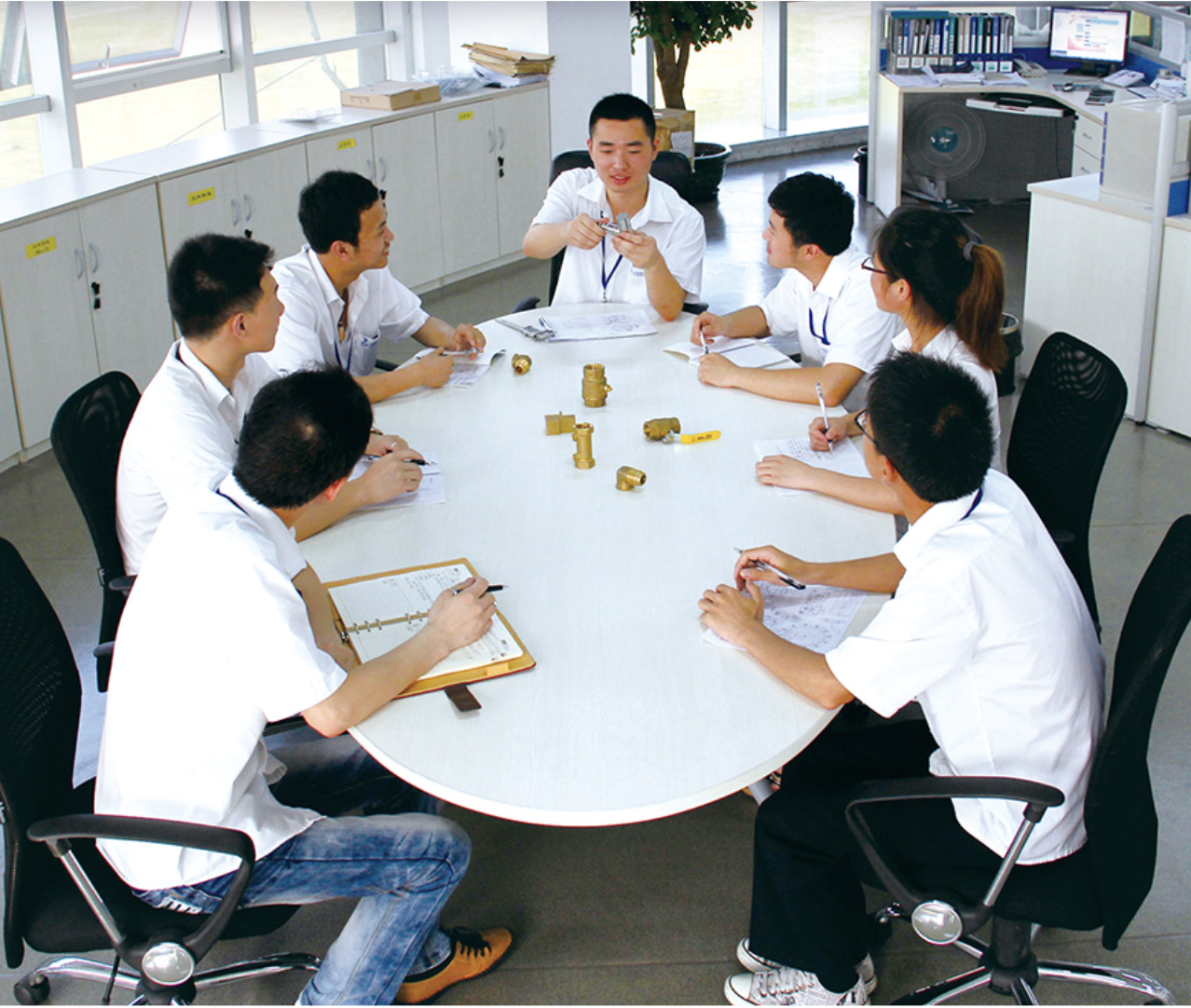
Culture: Struggle, Enterprising, Pragmatic, Innovative.
Tenet: Customer first, Quality based.
Quality Policy: Fine work, no leakage.
We focus on developing company capabilities and employee welfare, driving alignment between business development and personal career success.
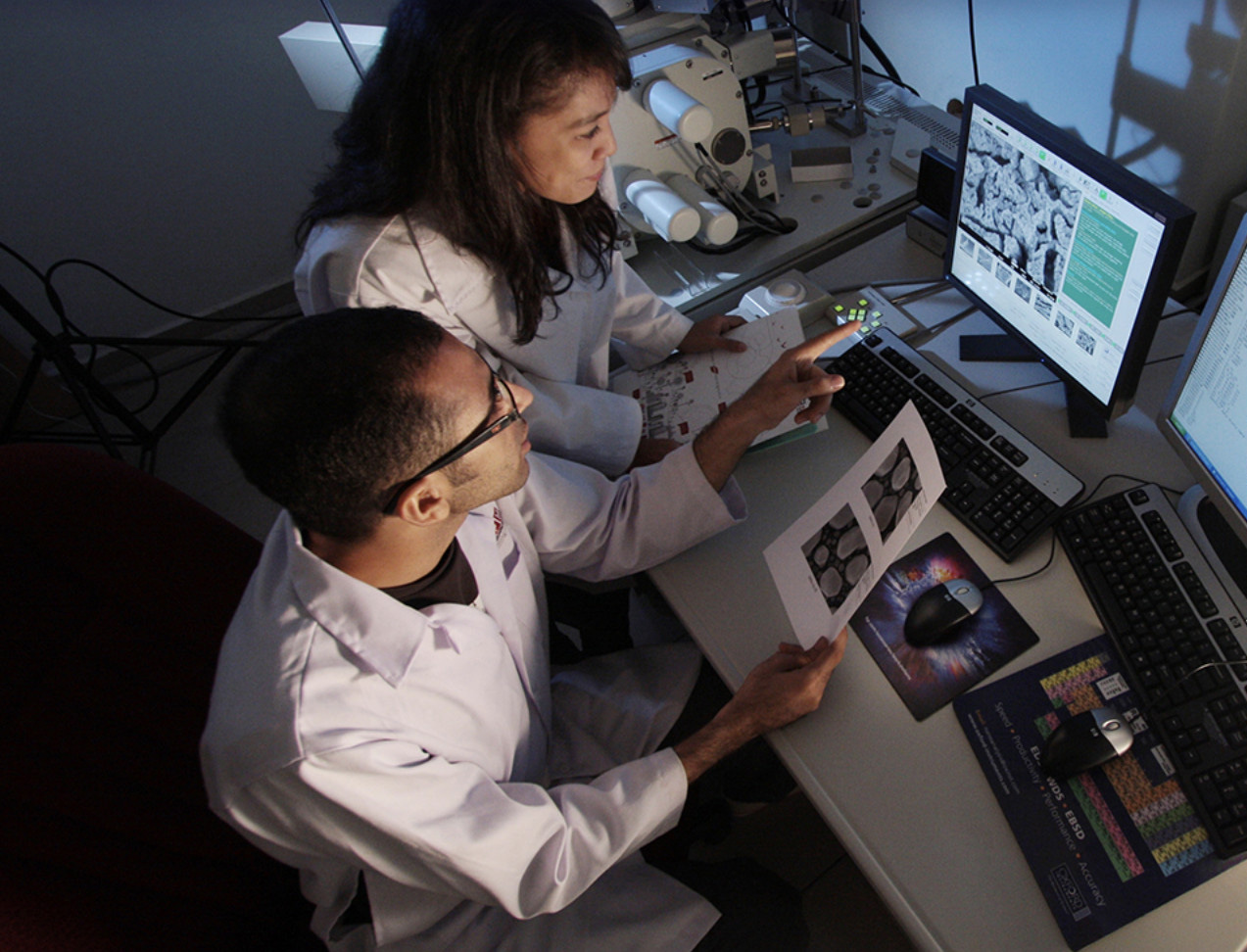
Quality and safety standards are built into our processes. The company is certified to:
Why water temperature stabilization is critical for radiant piping longevity, energy transfer, and architectural comfort.
Central HVAC boilers typically output water at high temperatures (60°C to 80°C). However, standard underfloor PEX or PERT piping systems must not exceed 45°C to 50°C to prevent structural floor expansion, mortar cracking, and uncomfortable indoor conditions.
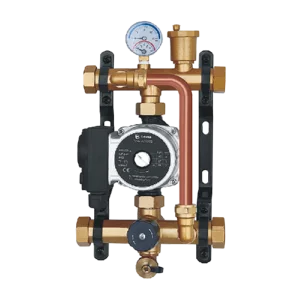
An active water mixing valve shunt unit resolves this by blending high-temperature hot water from the supply line with cooler return water from the floor circuits. This achieves a stabilized, lower-temperature input for uniform radiant heating.
Our mixing shunt components are forged from CW617N brass or EN 12165 compliant low-lead brass. These alloys provide high tensile strength and chemical resistance against dezincification and corrosion caused by closed-loop hydronic water chemistries.
Operating with 600+ advanced manufacturing setups, including 80+ special machine tools, Yongda ensures that valve seat machining meets high tolerances. This limits friction wear, maintains tight sealing surfaces, and prevents internal seepage.
Passive thermostatic valves use a wax thermal actuator element that responds directly to supply temperature shifts. While cost-effective, they lack remote control capabilities.
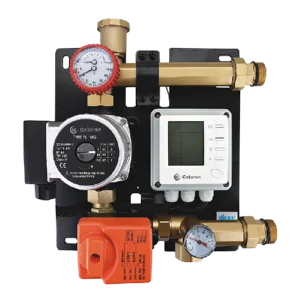
Active motorized mixing valves use electric thermal actuators integrated with smart programmable thermostats. By tracking external and zone temperatures, they make real-time adjustments to optimize heat flow.
Continuous R&D at Yongda focusing on smart integration, sustainable alloys, and self-balancing manifolds.
In response to drinking water regulations globally (such as NSF/ANSI 372 in North America and REACH in Europe), we are expanding our low-lead and lead-free alloy production lines to support long-term water safety.
We are designing manifolds equipped with electronic balancing valves that communicate directly with heat pump sensors to optimize pressure and delta T settings across every heating zone automatically.
Upgrading manufacturing with automated robotic testing setups allows us to verify pressure rating limits and leak-free performance on 100% of our products before shipping.
Technical answers regarding installation, optimization, and system design for engineers, exporters, and HVAC installers.
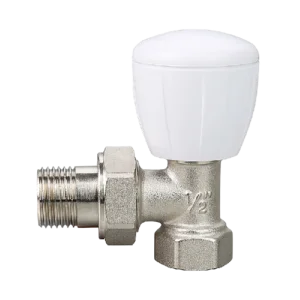
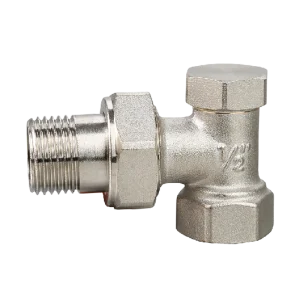
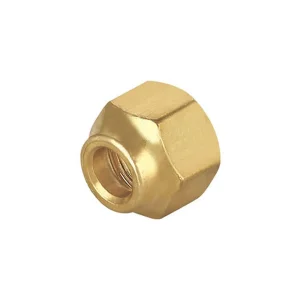
Browse our selection of heavy-duty connectors, valves, and thermostats for underfloor heating and water distribution systems.