 Yongda
Yongda
Yongda
Explore our primary collection of high-performance manifolds, mixing shunts, smart thermostats, and temperature valves.
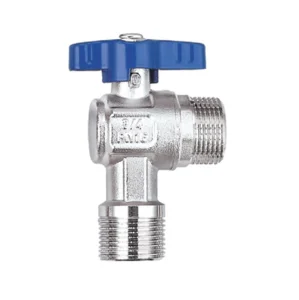
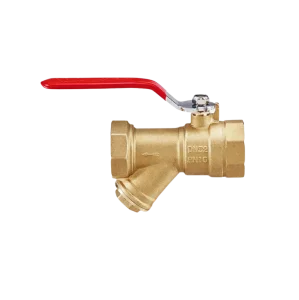
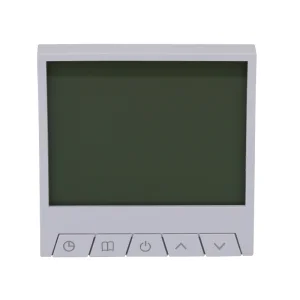
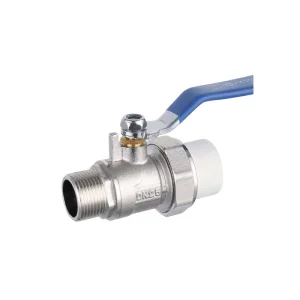
The heating, ventilation, and air conditioning (HVAC) industry is undergoing a structural paradigm shift towards smart energy conservation and hydronic efficiency. Historically regarded as simple mechanical flow control devices, modern HVAC valve and manifold systems are today the central nodes of thermal performance management. The rapid expansion of district cooling, low-temperature underfloor radiant heating networks, and high-efficiency heat pump systems requires precise pressure management and micro-adjustable thermostatic control systems.
SEO Insight & Semantic Trend: Energy efficiency regulations globally, such as the EU's Ecodesign Directive and North American ASHRAE Standard 90.1, dictate strict standards for thermal distribution systems, amplifying the global demand for brass manifold technology and intelligent differential bypass systems.
Global transition from fossil-fuel boilers to high-COP air-to-water heat pumps necessitates highly optimized hydronic balancing and specialized underfloor manifolds.
Manifolds are no longer isolated; integration with programmable thermostats and dynamic actuators allows real-time zone-by-zone thermodynamic control.
Shift towards premium Eco-Brass and lead-free alloys compliant with potable water standards (NSF/ANSI 61) and European drinking water norms.
As the "Valve Capital of China" - Yuhuan, Zhejiang showcases the absolute pinnacle of high-precision component manufacturing. The convergence of geographical raw material sourcing, automated gravity casting, forged pressing, and CNC finishing lines yields a highly integrated ecosystem. For global procurement teams, sourcing from a consolidated Chinese production plant means substantial reductions in lead time and quality variance.
Modern factories in Yuhuan operate with automated multi-station transfer machines, robotic arm manipulators, and high-frequency induction forging systems. Rigorous quality assurance protocol includes 100% pneumatic testing for seal leaks, spectrometry for exact material composition verification, and thermodynamic simulation stress-testing. This level of supply chain robustness minimizes logistics vulnerability and offers predictable unit-economics for European and American distributors.
B2B procurement professionals must navigate complex regulatory landscapes when selecting HVAC series manufacturers. Sourcing decisions are typically driven by three primary variables: material compliance, manufacturing repeatability, and environmental stewardship.
Key standards for hydronic system valves include:
Decades of engineering excellence, extensive global footprint, and cutting-edge industrial infrastructure.
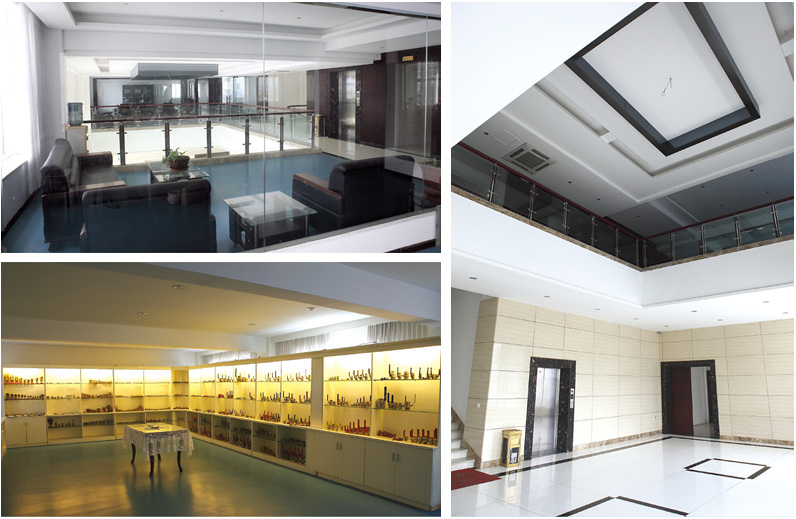
Yuhuan Yongda fluid control Co., Ltd. (formerly Yuhuan Yongda plumping Co., Ltd.) was founded in 1996, and is located in "China valve capital" – Yuhuan, Zhejiang; as one of the professional plumbing valve enterprises, it focuses on product design, development, production, and sales.
Products are mainly divided into three categories: brass valves, fittings, and HVAC products. The products are positioned in the middle and high grade, highlighting the advantages of environmental protection, favored by consumers in North America, Europe and other markets.
The company has a factory area of more than 45,000 square meters, and the actual usable area reaches 80,000 square meters. The company has more than 600 sets of advanced production and testing equipment, including more than 80 sets of special machine tools. With the help of these equipment, we can meet the different needs of different customers, has exported our products to more than 20 countries.
Cokaren, as a newly established brand of our company, is committed to developing products with a more refined appearance and better quality, to provide a perfect service to customers.
"Keep flowing, keep warming" – Water system accessories engineered for home comfort and structural integrity.
Cokaren is implementing its strategy to be a highly dynamic enterprise, with the aspiration for consistent growth to become a world-class brand.

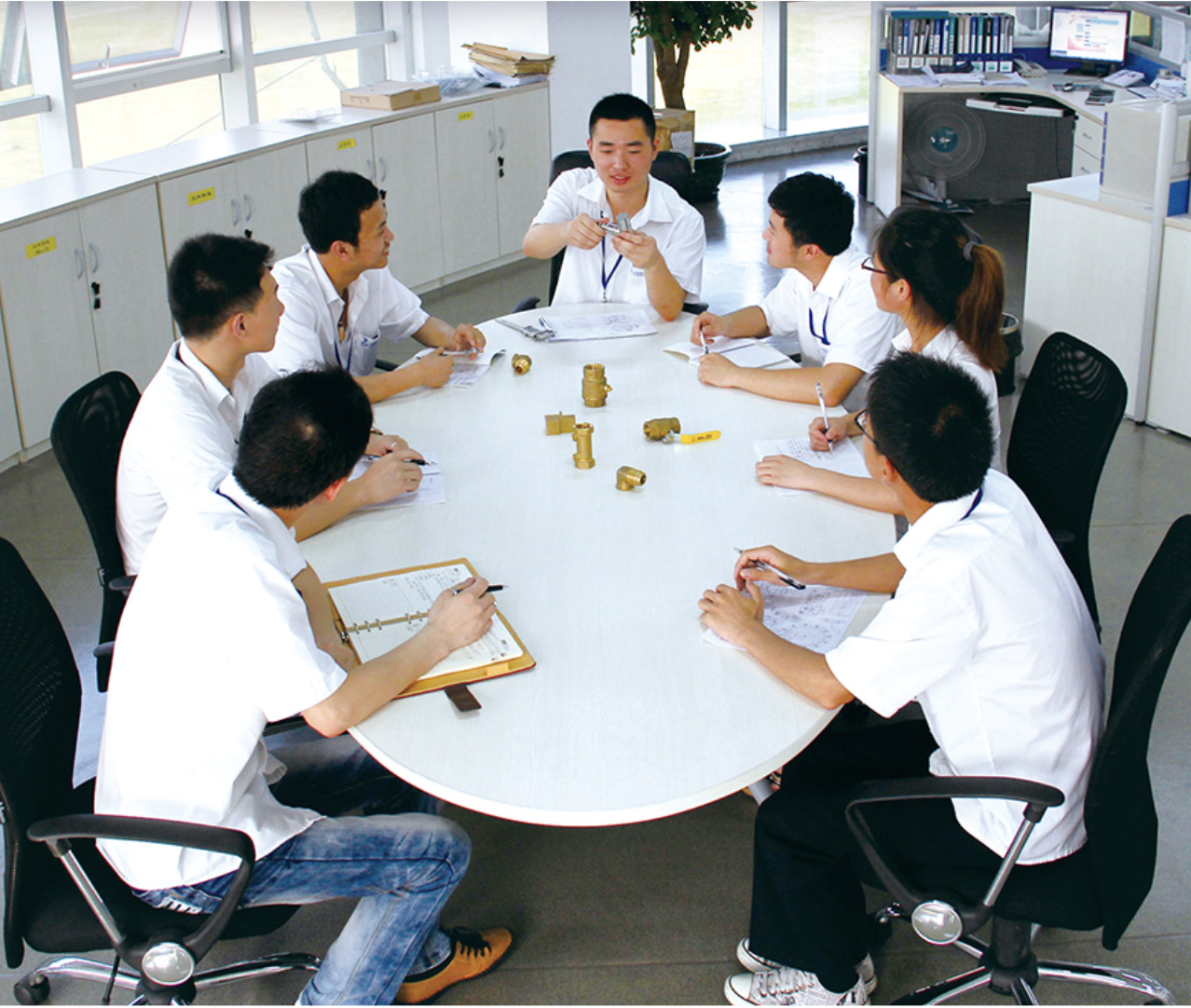

Culture: Struggle, Enterprising, Pragmatic, Innovative
Tenet: Customer first, Quality based
Quality Policy: Fine work, no leakage
Efforts should be made to develop the company's capability and motivation, continuously improve the income and welfare of employees, and seek the agreement between company development and personal happiness.
The company has passed:
Engineered components working in unison to regulate, balance, and distribute hydronic energy safely across residential and commercial zones.
A building’s energy distribution system relies on critical balance. From mechanical filtration to thermostatic mixing, each valve operates as a precise gateway. Our integrated system approach eliminates micro-vibrations, thermal shock, and pressure drops, maximizing heating and cooling effectiveness.


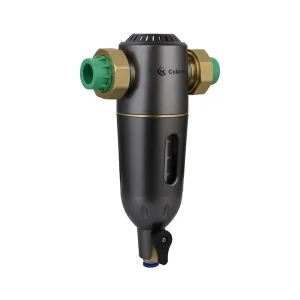
Domestic sanitation defense, filters 98% of system impurities.
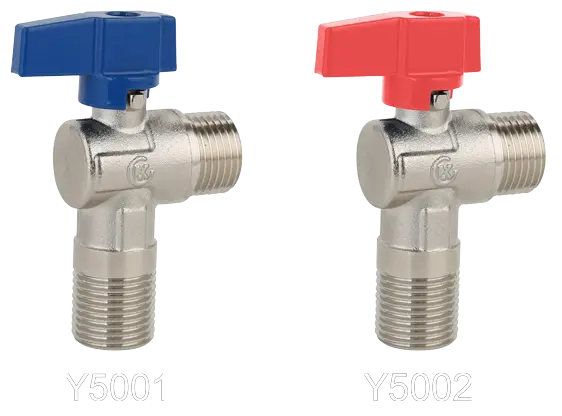
Controls boiler hot/cold inflow with specialized spherical spool.
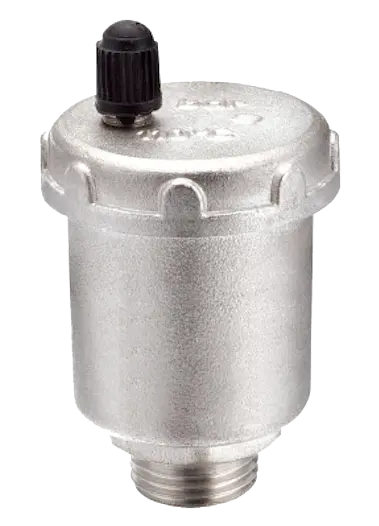
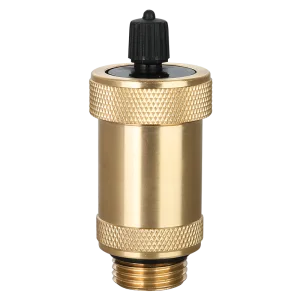
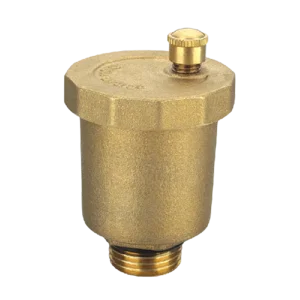
Discharges air from heat pump circuits to prevent airlocks.
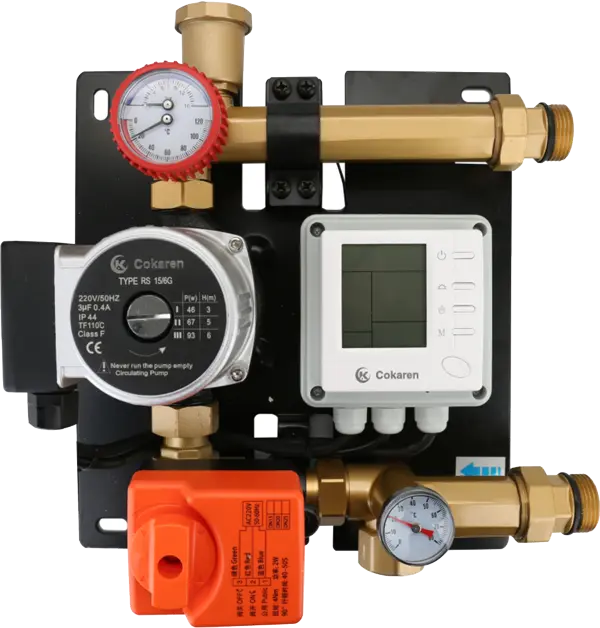
Stabilizes fluid temperature, protecting underfloor pipes.
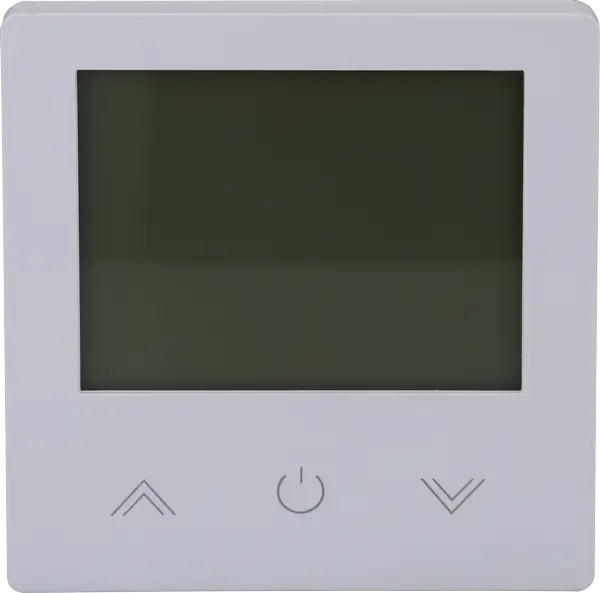
Intelligent coordination center for zone temperature optimization.
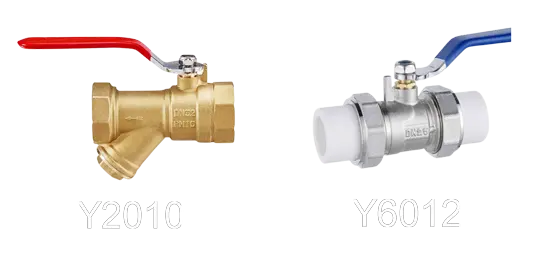
Filters debris and monitors differential pressure at loop entries.
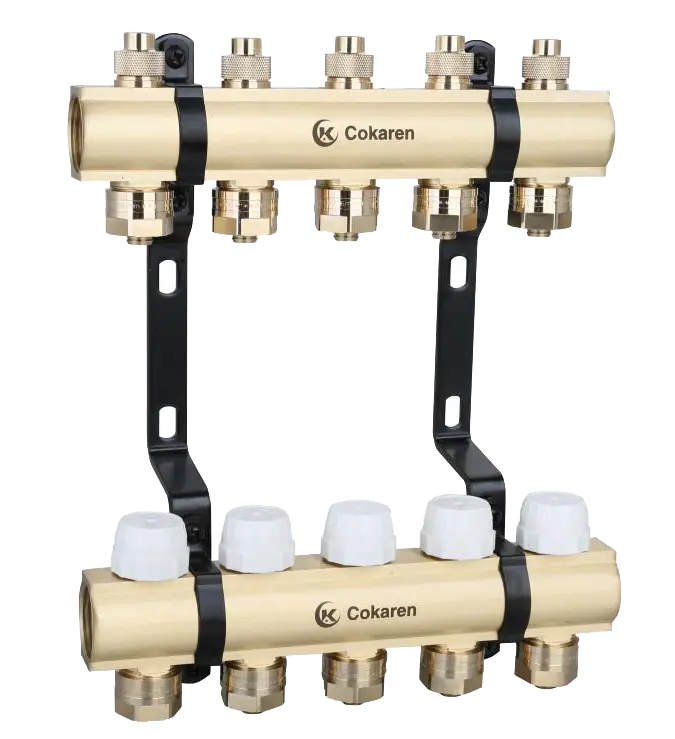
Balances and distributes thermal medium flow to distinct zones.
HVAC configurations vary dramatically across domestic, commercial, and industrial contexts. Designing components that operate reliably across different thermal regimes requires a deep understanding of practical installations.
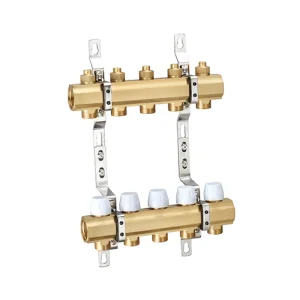
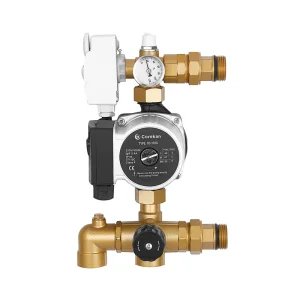
In low-temperature radiant floor installations, the hydronic circuit requires low pressure fluctuation and exact flow rates. Brass manifolds (like the Y1001) connected to mixing shunts allow zones to maintain target temperatures despite variations in hot water loop feed temperature from the main heat source.
Large-scale building cooling and heating require robust zoning. Utilizing smart thermostats networked to digital control valves allows facility managers to dynamically adjust thermal profiles, lowering carbon emissions and preventing building over-conditioning during off-peak hours.
Expert technical answers addressing core design, engineering compliance, and operational queries from global buyers.
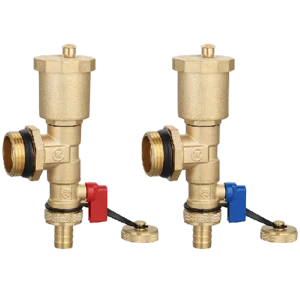
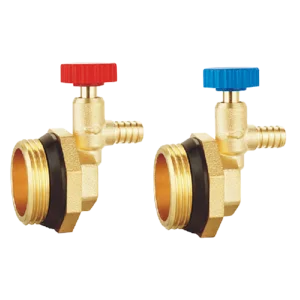
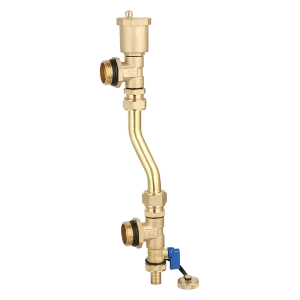
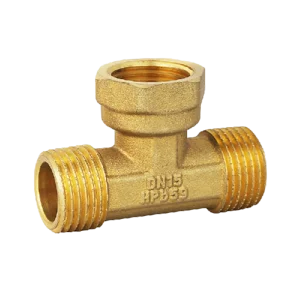
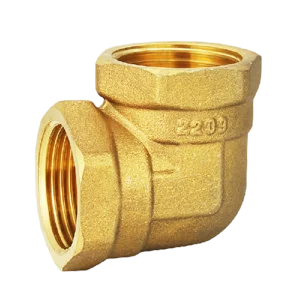
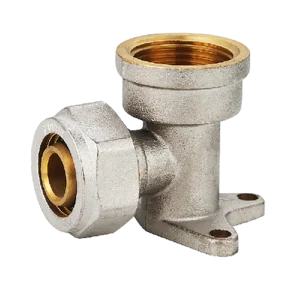
Select system accessories, automatic vents, compression couplers, and brass adapters designed for hydronic systems integration.