
Yongda
Choosing a Top Entry Ball Valve is not a simple catalog exercise. Global buyers must examine pressure class, body material, bore design, sealing performance, and maintenance access. A valve may look excellent on paper, yet fail during repeated cycling, temperature changes, or pipeline vibration. Small details matter.
Valve engineer Mark A. Baker observes, “A reliable ball valve is proven by service conditions, not by appearance.” This practical view guides our selection of the 10 Best Top Entry Ball Valves for Global Buyers. Each model deserves attention for its construction, operating range, inspection design, and documented testing. We consider carbon steel, stainless steel, corrosion-resistant alloys, and different seat materials. We also examine whether technicians can remove the bonnet and inspect internal parts without cutting the pipeline.
That saves time.
The comparison reflects real purchasing concerns. Buyers need clear technical drawings, traceable materials, pressure-test records, spare-part availability, and responsive technical support. Certification claims should be checked carefully, especially when suppliers operate across different markets. A low purchase price can become expensive after installation. We also recognize an uncomfortable point: no valve suits every pipeline. Some rankings may change after considering sour service, cryogenic temperatures, abrasive media, or frequent shutdowns.
This guide offers a practical starting point, not a substitute for engineering review. It helps procurement teams compare durable designs, identify weak documentation, and ask better questions before ordering. Reliability begins before the valve reaches the site.
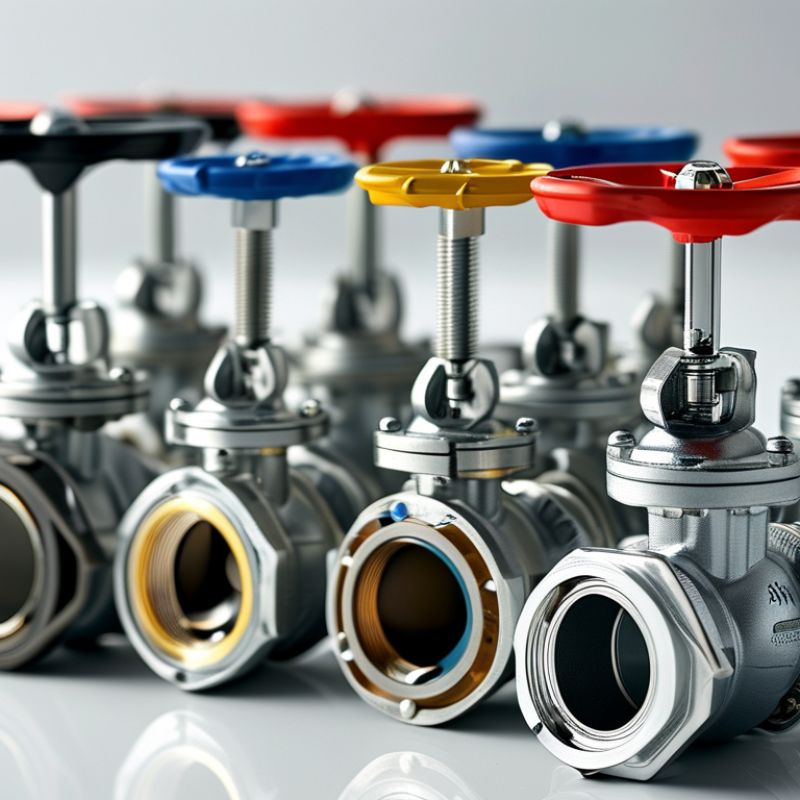
A top entry ball valve is serviced from the upper side of its body. Technicians remove the bonnet, then access the stem, ball, seats, and seals without lifting the entire valve from the pipeline. This arrangement suits buried lines, offshore skids, and crowded process areas. It can reduce maintenance time, but only when the valve has enough overhead clearance.
Inside, the ball rotates through 90 degrees. In the open position, its bore aligns with the pipeline. In the closed position, the solid ball blocks flow. Trunnion-mounted designs use support shafts and springs to reduce operating torque on larger sizes.
Floating-ball designs rely more heavily on line pressure to press the ball against the downstream seat. That difference affects wear, actuator sizing, and shutoff reliability.
Industry data shows why these details matter. Grand View Research valued the global industrial valves market at about USD 78.3 billion in 2023 and forecast a 4.8% CAGR through 2030. MarketsandMarkets also expects steady industrial valve growth, driven by water, energy, and process infrastructure. These figures cover more than ball valves, so applying them directly can mislead buyers. Check the report scope.
Look for compliance with standards such as API 6D, ISO 17292, and fire-safe requirements where applicable. Ask for pressure-test records, material certificates, and documented seat leakage results. Top entry is not automatically better. Poor bonnet sealing, limited access, or unsuitable seat materials can erase its maintenance advantage. That assumption deserves review.
When comparing top entry ball valves, global buyers should begin with pressure, temperature, and media compatibility. These factors determine whether a valve performs reliably in pipelines, processing units, or outdoor installations. A full-bore design can reduce pressure loss and support efficient pigging operations. However, full bore alone does not guarantee long service life.
Examine the body material, ball finish, seat construction, and stem sealing system. Stainless steel may suit corrosive service, while carbon steel can provide practical strength in controlled environments. Consider low-temperature impact performance for cold regions. For high-cycle applications, confirm operating torque and actuator sizing. Do not guess. A poorly sized actuator can create delays, leakage, or unnecessary maintenance. Fire-safe design, anti-static features, and double block capability may also matter, depending on the process risk and applicable specifications.
Top entry construction allows inspection and internal maintenance without removing the valve from the line. That benefit is valuable during shutdowns. Still, access space above the pipeline must be checked before installation. I have seen technically sound valves become inconvenient because the service clearance was overlooked. Buyers should request pressure-test records, material certificates, dimensional drawings, and traceable quality documents. Independent inspection can strengthen confidence, especially for international projects. Compare corrosion protection, spare-part availability, warranty terms, and technical support as carefully as the purchase price. No valve is perfect. A transparent supplier should explain its limits rather than promise universal performance.
| No. | Configuration Profile | Nominal Size Range | Pressure Rating | Temperature Range | Body / Ball Material | Seat Material | End Connection | Bore Design | Typical Service | Relevant Standards | Key Performance Advantage |
|---|---|---|---|---|---|---|---|---|---|---|---|
| 1 | General Hydrocarbon Isolation | DN50–DN600 / NPS 2–24 | ASME Class 150–600 | −29°C to 180°C | Carbon steel body; stainless steel or plated ball | PTFE or reinforced PTFE | Flanged, ASME B16.5 or B16.47 | Full bore | Oil, gas, refined products and process fluids | API 6D, ASME B16.34, ISO 5211 | Low pressure loss and convenient in-line inspection or repair |
| 2 | High-Pressure Pipeline Isolation | DN50–DN900 / NPS 2–36 | ASME Class 600–1500 | −29°C to 121°C | Forged or cast carbon steel; stainless steel trim | PEEK, reinforced PTFE or metal-supported polymer | Raised-face or ring-type joint flanges | Full bore | Transmission pipelines and high-pressure manifolds | API 6D, API 6FA, ISO 15848-1 | High pressure containment with low fugitive-emission potential |
| 3 | Cryogenic Process Service | DN25–DN400 / NPS 1–16 | ASME Class 150–600 | −196°C to 80°C | Austenitic stainless steel body and ball | PCTFE, PTFE or low-temperature polymer | Flanged or butt-weld ends | Reduced or full bore | LNG, liquid nitrogen, oxygen and other cryogenic fluids | BS 6364, API 6D, ISO 28921-1 | Extended bonnet protects stem seals from extreme cold |
| 4 | Subsea and Offshore Duty | DN50–DN600 / NPS 2–24 | ASME Class 600–2500 | −29°C to 121°C | Super-duplex or corrosion-resistant alloy | PEEK or qualified high-performance polymer | Flanged, hub or subsea connector | Full bore | Offshore platforms, subsea production and injection systems | API 6D, ISO 13628-4, NORSOK M-001 | High resistance to seawater corrosion and demanding pressure cycles |
| 5 | Hydrogen-Ready Isolation | DN25–DN600 / NPS 1–24 | ASME Class 150–600 | −29°C to 150°C | Austenitic stainless steel or qualified carbon steel | PEEK, PTFE or graphite-based sealing system | Flanged or welded ends | Full bore | Hydrogen blending, storage and low-carbon gas systems | ISO 15848-1, API 6D, ASME B16.34 | Designed around material compatibility and controlled emissions |
| 6 | High-Temperature Steam and Process Duty | DN25–DN500 / NPS 1–20 | ASME Class 150–600 | −29°C to 425°C | Alloy steel or stainless steel; hardened trim | Graphite or metal seat, depending on design | Flanged or butt-weld ends | Reduced or full bore | Steam, thermal oil and high-temperature process lines | ASME B16.34, API 6FA, ISO 15848-1 | Metallic sealing options support elevated-temperature service |
| 7 | Corrosive Chemical Service | DN15–DN300 / NPS ½–12 | ASME Class 150–300 | −29°C to 150°C | 316L stainless steel, duplex or nickel alloy | PTFE, modified PTFE or PFA-lined design | Flanged, threaded or welded ends | Reduced or full bore | Acids, alkalis, solvents and aggressive process chemicals | ASME B16.34, ISO 15848-1, NACE MR0175 where applicable | Material selection can be matched to the chemical compatibility requirement |
| 8 | Underground or Buried Pipeline | DN50–DN1000 / NPS 2–40 | ASME Class 150–600 | −29°C to 121°C | Carbon steel with fusion-bonded epoxy coating | PEEK or reinforced PTFE | Flanged or welded ends; buried-service extension | Full bore | Water, gas, oil and district-energy pipelines | API 6D, ISO 12944, ASME B16.34 | External coating and extended stem simplify long-term buried installation |
| 9 | Fire-Safe and Emissions-Controlled | DN25–DN600 / NPS 1–24 | ASME Class 150–900 | −29°C to 200°C | Carbon steel or stainless steel; anti-static trim | PTFE with secondary graphite or metal backup | Flanged or welded ends | Full bore | Flammable hydrocarbons and hazardous-area process plants | API 607, API 6FA, ISO 15848-1, ISO 5211 | Fire-tested construction and anti-static continuity improve plant safety |
| 10 | Automated Export-Ready Package | DN25–DN500 / NPS 1–20 | ASME Class 150–600 | −29°C to 180°C | Carbon steel, stainless steel or duplex options | PTFE, PEEK or graphite-based option | Flanged, welded or threaded, subject to size | Reduced or full bore | General industrial automation and packaged process skids | ISO 5211, IEC 60534-4, API 6D where applicable | Standard actuator mounting supports pneumatic, electric or hydraulic automation |
Top entry ball valves support maintenance from above, reducing pipeline dismantling. Their value is highest where downtime, access, and pressure control matter. The 2024 MarketsandMarkets valve study identifies oil and gas as the largest industrial valve demand sector. That finding supports these application-led choices:
1) transmission pipelines need full-bore, piggable valves;
2) LNG facilities require low-temperature body and seat materials;
3) offshore platforms need compact, corrosion-resistant designs;
4) refineries benefit from fire-safe and antistatic construction;
5) petrochemical plants need chemical-compatible seals.
Other practical options include
6) power stations, where thermal cycling tests valve endurance;
7) water networks, where coated bodies resist wet service;
8) mining slurry lines, where hardened trim can reduce erosion;
9) hydrogen systems, where leakage control and material compatibility are critical;
10) carbon capture pipelines, where impurity testing should guide selection.
The IEA’s Global Hydrogen Review 2024 reports that announced low-emissions hydrogen projects could reach several million tonnes annually by 2030. That growth raises the need for validated sealing performance, not optimistic brochures.
Field experience shows that a larger valve is not always safer. It may increase torque, actuator size, and maintenance cost. Check pressure class, temperature range, fugitive-emission testing, cavity relief, and emergency isolation requirements.
API 6D and ISO 15848 references strengthen procurement confidence, but certificates alone do not replace inspection. I would also question generic “zero leakage” claims; real performance depends on installation, cycling, and media cleanliness.
10 Best Top Entry Ball Valves for Global Buyers
Materials, Pressure Ratings, Standards, and Certification Requirements
Top-entry ball valves are valued for serviceability, especially when line removal is costly. Their body material must match the fluid, temperature, and corrosion risk. Carbon steel suits many general applications. Stainless steel performs better with corrosive media. Duplex alloys can help in chloride-rich environments, but their welding and inspection requirements are stricter. Seat materials also matter. PTFE supports many moderate-temperature services, while PEEK may suit higher temperatures and heavier mechanical loads.
Do not select a valve from pressure class alone. Confirm the maximum working pressure at the actual operating temperature. A Class 600 rating does not mean the same pressure across every material and temperature range. Check body, stem, seat, and end-connection limits separately. This is often missed. In practical purchasing, request pressure-temperature charts, hydrostatic test results, and clear leakage criteria. Fire-safe designs may require testing to ISO 10497 or API 607, depending on the valve construction and project specification.
Global projects commonly reference API 6D, ISO 17292, or ASME B16.34. The correct standard depends on pipeline, process, and regional requirements. Ask for EN 10204 3.1 material certificates, heat-number traceability, inspection records, and final test reports. Sour-service duties may require compliance with NACE MR0175/ISO 15156. Hazardous-area documentation may also be necessary. Certification is not decoration. It must match the delivered valve, and small document gaps can delay commissioning.
Reference pressure ratings are representative ASME Class values at approximately 100°F (38°C) for carbon-steel valve materials under ASME B16.34 pressure-temperature rating practice. Actual allowable pressure depends on body material, temperature, trim, end connection, design, and the applicable product standard. Global procurement commonly reviews API 6D or ISO 14313, ASME B16.34, ISO 5208, fugitive-emission requirements such as ISO 15848-1, and sour-service requirements such as NACE MR0175/ISO 15156 when applicable.
Selecting a top-entry ball valve starts with the process, not the catalog. Confirm fluid, pressure, temperature, pipe size, and required shutoff class. API 6D and ASME B16.34 provide useful design and testing references for pipeline service. For leakage acceptance, request documented results against ISO 5208. A certificate is valuable, but only when its test conditions match your application.
During purchasing, specify body material, seat material, bore design, actuator type, fire-safe requirements, and inspection records. Top-entry construction can simplify removal without disconnecting the entire valve, reducing downtime in crowded plants. Yet access still needs clearance above the valve. I have seen otherwise suitable valves installed beneath steel supports. That mistake was expensive. Confirm face-to-face dimensions, lifting points, bolt access, and local service capability before approval.
Installation should follow the manufacturer’s torque sequence, with clean, dry pipework and protected sealing surfaces. Do not use the valve as a pipe alignment tool. After commissioning, record operating torque, leakage results, cycle count, and actuator settings. The U.S. Department of Energy reports that compressed-air leaks can waste 20–30% of compressor output, so pneumatic valve systems deserve regular leak checks. Maintenance intervals should reflect cycles, media, and corrosion exposure, not calendar habits alone. A practical inspection can include stem seals, flange joints, position feedback, and partial-stroke testing. One weakness remains common: teams often collect data but fail to trend it. A rising torque pattern may reveal contamination before isolation becomes unreliable.
It is serviced from above the valve body. Technicians remove the bonnet to reach internal parts. The pipeline can often remain connected.
The ball rotates 90 degrees. Its bore aligns with the pipe when open. The solid section blocks flow when closed. Simple, but alignment matters.
It suits buried pipelines, offshore equipment, and crowded process areas. Above-valve clearance remains essential. A steel support can block maintenance access.
Floating balls use line pressure to press against the downstream seat. Trunnion-mounted balls use support shafts and springs. Larger valves may need lower operating torque.
Confirm the fluid, pressure, temperature, pipe size, and shutoff requirement. Specify body materials, seat materials, bore design, and actuator type. Catalog selection alone is risky.
Request pressure-test records, material certificates, leakage results, and inspection records. Test conditions must match the intended application. A certificate is not proof by itself.
Confirm overhead clearance, face-to-face dimensions, lifting points, and bolt access. Keep pipework clean and dry. Never use the valve to force pipe alignment.
Record operating torque, leakage, cycle counts, and actuator settings. Inspect stem seals, flange joints, and position feedback. Rising torque may indicate contamination.
Intervals should reflect cycling, media, corrosion, and service conditions. Calendar-based maintenance may be insufficient. Trend the data, even when records look complete.
This guide explains what a Top Entry Ball Valve is and how its top-mounted access design supports inspection, servicing, and component replacement without removing the valve body from the pipeline. It highlights the main performance factors global buyers should compare, including pressure and temperature capability, flow efficiency, sealing reliability, actuation options, fire-safe construction, corrosion resistance, and ease of maintenance. It also presents ten leading valve options organized by application, helping readers match valve configuration and materials to oil and gas, chemical processing, water treatment, power generation, and other demanding systems.
The article further reviews body and trim materials, pressure classes, connection types, international standards, testing procedures, and certification requirements. Practical guidance is provided for selecting suppliers, confirming technical documentation, evaluating total ownership cost, planning installation, and establishing inspection and maintenance routines. By considering operating conditions, regulatory expectations, lifecycle support, and replacement requirements together, buyers can choose a safe, durable, and cost-effective Top Entry Ball Valve for long-term service.
