
Yongda Yongda

7 Tips for Choosing the Best Isolation Ball Valve?

Time:2026-09-24 Author:Sophia
0%

Selecting the right Isolation Ball Valve is a practical engineering decision, not a catalog exercise. A valve may look suitable, yet fail under heat, pressure, corrosion, or repeated cycling. MarketsandMarkets’ Industrial Valves Market report identifies automation, process safety, and infrastructure renewal as major market drivers. These trends raise expectations for reliable isolation equipment across chemical plants, water facilities, energy systems, and manufacturing lines.

The best choice begins with the process details. Confirm the medium, operating pressure, temperature range, line size, flow direction, and required shutoff class. Then examine body materials, seat compounds, stem design, end connections, and actuator compatibility. API 608 covers metal ball valves for petroleum and related industries. ISO 5208 provides leakage-testing classifications for industrial valves. These references support a more defensible specification.

Field experience still matters. A valve installed beside a vibrating pump needs different attention than one serving clean water. A PTFE seat may suit ordinary service, but aggressive chemicals require deeper compatibility checks. Review inspection records, pressure-test certificates, traceability documents, and maintenance access before approving a purchase. Reports from Grand View Research also show continuing demand for industrial valves as processing and utility infrastructure expands. However, market growth does not guarantee product quality.

No selection method is perfect. A spreadsheet can miss installation habits, contamination, or sudden temperature changes. These seven tips focus on the details that often decide service life: application fit, materials, pressure ratings, standards, testing, actuation, and total ownership cost. Careful comparison may take longer. It usually costs less than an emergency shutdown.
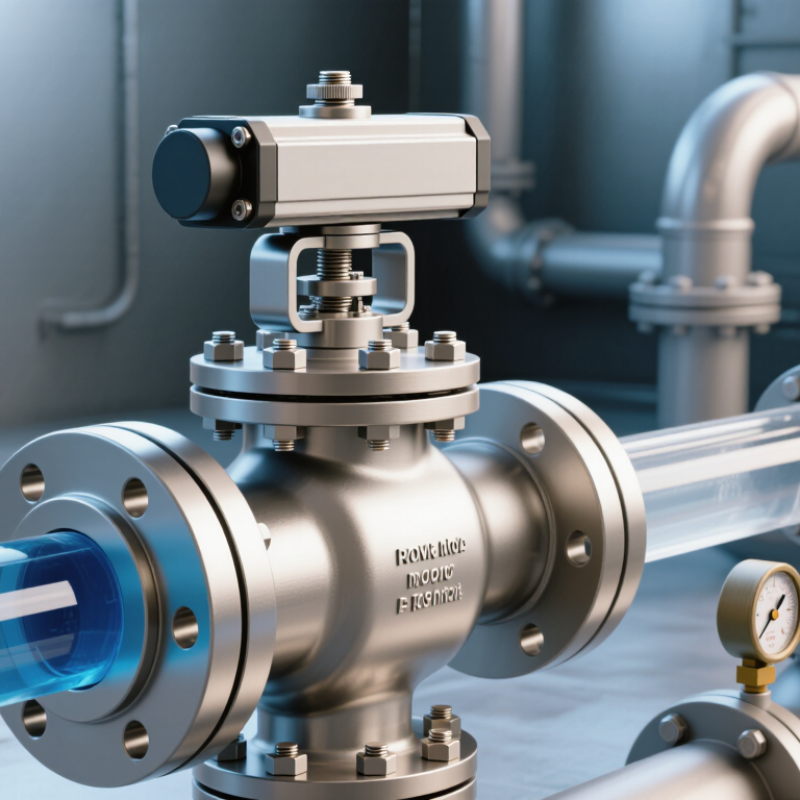
7 Tips for Choosing the Best Isolation Ball Valve?

Understanding Isolation Ball Valve Types and Operating Conditions

Choosing an isolation ball valve starts with the operating condition, not the pipe size. A floating ball valve suits many moderate-pressure lines and provides reliable shutoff with a compact design. Trunnion-mounted valves handle larger sizes and higher pressures more steadily. Full-port valves reduce pressure loss, while reduced-port valves may lower cost and weight. The choice depends on flow, space, and maintenance access.

Tip 1: Identify the medium. Water, steam, gas, corrosive chemicals, and abrasive fluids require different body, seat, and seal materials. Check temperature and pressure together. A valve rated for high pressure may lose capacity at elevated temperature.

Tip 2: Confirm the isolation duty. Two-way valves serve straightforward shutoff points. Three-way designs redirect flow but need careful port orientation. Mark the flow path before installation. Small details matter.

Tip 3: Match the operator to site conditions. Manual handles work well for accessible, infrequent operation. Pneumatic or electric actuators suit remote or repeated cycling. Consider failure position, response time, and available power.

Field experience shows that overlooked access can make a good valve difficult to maintain. I have also seen specifications copied without checking the actual medium. That is risky. Review pressure-temperature charts, leakage requirements, connection standards, and inspection records before approval. A qualified engineer should verify the final selection.

Matching Valve Materials to Fluid Compatibility and Pressure Requirements

Choosing the best isolation ball valve begins with the fluid, not the valve shape. Fluid compatibility affects corrosion, sealing, service life, and safety. ASME B16.34 pressure-temperature tables show that pressure ratings change with body material and temperature. A valve rated for cold water may perform poorly with hot oil or aggressive chemicals.

Tip 1: Identify the fluid precisely. Record concentration, temperature, viscosity, solids, and pressure. Tip 2: Match wetted materials carefully. Stainless steel suits many clean water and hydrocarbon services, but chlorides can cause pitting. PTFE seats resist many chemicals, yet high temperature and rapid pressure changes may reduce their reliability. Tip 3: Check the pressure rating at operating temperature. Do not rely only on the catalog’s room-temperature figure. That shortcut is common, and sometimes costly.

For sour gas or hydrogen sulfide service, consult NACE MR0175/ISO 15156 material requirements. These requirements address cracking risks in oil and gas environments. Tip 4: Confirm body, stem, and trim materials separately. Tip 5: Review seal compatibility with the actual fluid, not a generic fluid name. API 598 provides widely used pressure-testing guidance, while ISO 15848 addresses fugitive-emission performance. Tip 6: Specify the required test standard before purchase. Tip 7: Request traceable material certificates and pressure-test records. Field experience shows that documentation gaps create more uncertainty than visible valve defects. I still recheck every temperature correction; assumptions fail quietly.

Selecting the Correct Size, Port Design, and Connection Standard

7 Tips for Choosing the Best Isolation Ball Valve
Selecting the correct size starts with the pipe, not the valve label. Match the valve’s nominal diameter to the connected piping. A smaller valve may restrict flow and create unwanted pressure loss. An oversized valve can increase cost and complicate installation. Check the medium, operating pressure, temperature, and expected flow rate. These details matter.
Tip 1: Verify the port design.
A full-port valve keeps the internal passage close to the pipe diameter, reducing turbulence and cleaning problems. A reduced-port valve may suit limited space or lower-flow systems. Do not assume full port is always better. I have seen oversized choices add cost without improving performance.
Tip 2: Confirm the connection standard before ordering.
Threaded, flanged, socket-weld, and butt-weld ends require different tools and installation methods. Check thread type, flange rating, face dimensions, and applicable standards. Small differences can cause leaks. They are easy to miss.
Tip 3: Inspect the installation drawing and measure the available space around the handle.
A valve can fit the pipeline but still block nearby equipment. Leave room for operation, inspection, and future replacement. When uncertain, recheck the dimensions; one overlooked millimeter can become a costly field adjustment.

Evaluating Sealing Performance, Actuation, and Safety Features

7 Tips for Choosing the Best Isolation Ball Valve

Sealing performance deserves more attention than body material alone. ISO 5208 defines leakage rates from Rate A to Rate F. Rate A requires no visibly detectable leakage during testing. Ask for documented test results, not vague “bubble-tight” claims. Also check seat compatibility with temperature, pressure, and the process fluid. A valve that seals well at room temperature may fail beside a hot pump.

Tip: Match the seal material to real operating conditions, including cleaning cycles and pressure changes.

Actuation affects response time and operator safety. Manual handles suit simple, low-cycle service. Pneumatic or electric actuators help with remote isolation, but they add failure points. IEC 61508 emphasizes risk-based functional safety and verification. Request fail-safe behavior, position feedback, and defined torque margins. A useful field check is simple: close the valve, verify the signal, then confirm downstream pressure decay. Do not trust one indicator. Small mistake, serious result.

Tip: Select safety features for the actual hazard, not the catalog.

Lockable handles can prevent accidental operation. Double-block arrangements may improve maintenance isolation, but they require correct installation and testing. API 598 provides widely used inspection and pressure-test guidance for industrial valves. Record the test medium, duration, pressure, and observed leakage.

In practice, documentation is often weaker than the hardware. That deserves reflection. A technically strong valve still creates risk when its actuator sizing, installation orientation, or maintenance record is unclear.

Comparing Installation Needs, Maintenance Demands, and Total Cost

Choosing an isolation ball valve should begin with installation needs, not the lowest purchase price. Check pipe size, pressure class, temperature, media, actuator clearance, and access for future servicing. A compact valve may fit a crowded skid, yet leave no room for a wrench.

Tip 1: Measure the real installation envelope. Include insulation, nearby instruments, and removal space.

Maintenance demands shape lifecycle cost. The U.S. Department of Energy’s Operations & Maintenance Best Practices Guide reports that effective maintenance can reduce energy use by 5–20%. In compressed-air systems, DOE guidance also notes that leaks may waste 20–30% of compressor output. Poor isolation can worsen that loss. Choose a valve with reliable stem sealing, visible position indication, and replaceable seals where practical.

Tip 2: Ask for documented cycle testing and leakage performance, not vague durability claims.

Total cost includes labor, downtime, spare parts, and disposal. The National Institute of Standards and Technology promotes lifecycle costing through Handbook 135, which weighs ownership costs beyond the initial invoice. A lower-priced valve can become expensive after one difficult replacement. I have seen this assumption fail.

Tip 3: Compare purchase price, installation hours, inspection intervals, and expected service life in one worksheet.

Also review material compatibility carefully; corrosion can quietly defeat an otherwise suitable valve. Pressure drops matter less during full isolation, but poor sizing can complicate flushing and recommissioning. Verify the calculation.

FAQS

How should I choose an isolation ball valve?

Start with the operating condition, not only the pipe size. Check fluid, pressure, temperature, flow, space, and maintenance access. A floating ball valve often suits moderate-pressure lines. Trunnion-mounted designs may handle larger sizes and higher pressures more steadily.

What is the difference between full-port and reduced-port valves?

Full-port valves provide a larger flow passage and lower pressure loss. Reduced-port valves usually weigh less and may cost less. The smaller opening can restrict flow. Check flushing and recommissioning needs before choosing.

How does the fluid affect valve material selection?

Record the fluid’s concentration, temperature, viscosity, solids, and pressure. Water, steam, gas, chemicals, and abrasive fluids need different materials. Chlorides can damage some stainless steels. Chemical resistance alone is not enough.

Can a pressure rating remain unchanged at high temperature?

No. Pressure capacity can decrease as temperature rises. Review the pressure-temperature chart for the actual body material. A valve suitable for cold water may fail expectations with hot oil. I still recheck this detail.

When should I use a two-way or three-way valve?

Use a two-way valve for straightforward isolation. Choose a three-way valve when flow must change direction. Mark the port orientation before installation. Small errors matter.

Which actuator suits different operating locations?

Manual handles suit accessible valves with occasional operation. Pneumatic or electric actuators help with remote or repeated cycling. Check available power, response time, and failure position. Access is often underestimated.

What installation space should I measure?

Measure the complete installation envelope, not just the valve body. Include insulation, instruments, actuator clearance, wrench space, and removal space. A compact valve may fit tightly. It may then become difficult to service.

How can I compare the valve’s total cost?

Include purchase price, installation labor, inspection, spare parts, downtime, and disposal. Compare expected service life in one worksheet. A cheaper valve can require an expensive replacement. That assumption sometimes fails.

What documents should I request before approval?

Request material certificates, pressure-test records, leakage results, cycle-test data, and inspection records. Confirm the actual fluid and operating temperature. Do not accept vague durability claims. Documentation gaps create uncertainty.

Conclusion

Choosing the best Isolation Ball Valve requires more than selecting a valve by size or price. Start by understanding the valve type, operating method, and service conditions, including temperature, pressure, flow direction, and how frequently the valve will be used. The valve material should be compatible with the fluid to prevent corrosion, contamination, or premature failure. Correct sizing is also essential: consider the required flow rate, full-port or reduced-port design, and the connection standard that matches the existing piping system.

Next, evaluate sealing performance, actuation options, and safety features such as reliable shutoff, leak resistance, locking devices, and pressure ratings. Installation space and accessibility can influence whether a manual, electric, or pneumatic actuator is most practical. Finally, compare maintenance requirements, replacement-part availability, expected service life, and total ownership cost rather than focusing only on the initial purchase price. A well-matched valve can improve system safety, efficiency, reliability, and long-term operating value.

Sophia

Sophia

Sophia is a dedicated marketing professional with an exceptional depth of knowledge about her company's products and services. With a keen understanding of market trends and customer needs, she crafts insightful blog posts that not only inform but also engage readers, enriching the company’s online......