
Yongda
Choosing the right Sprinkler Ball Valve is a practical decision with direct consequences for system control, maintenance, and dependable operation. A valve may look simple on a product page, but its size, pressure rating, materials, and approval for fire-protection service all matter. A standard plumbing valve is not automatically suitable for a sprinkler system. Check the system specifications and confirm compatibility before selecting a model.
Small details matter. Consider the pipe connection, available installation space, handle access, and whether the valve can be secured or monitored as required by the system design. For example, a handle that cannot move freely behind a pipe or cabinet can complicate inspection and service. A verified quotation from a qualified sprinkler-system expert would add useful perspective here: “[Insert an exact, source-checked quotation about valve selection]” — [Expert’s full name and verified professional role]. Do not rely on an unverified attribution.
This guide explains how to compare valve types, materials, connections, and ratings, then identify the product details worth confirming with a supplier or qualified fire-protection professional. It also highlights a common mistake: choosing by price or appearance alone. The right choice depends on the specific system. Check the product documentation. Then check it again.
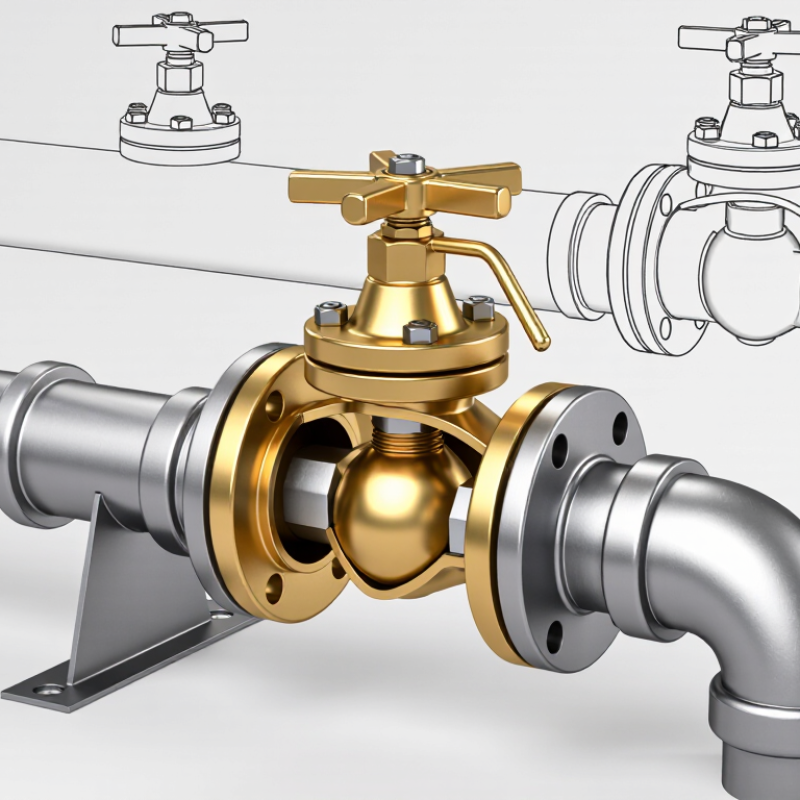
Inside a sprinkler system, a ball valve is mainly an isolation point. It lets a technician shut off water for inspection or repair. It is not a pressure regulator. A full-port design can reduce flow restriction, but the valve still needs a pressure rating that matches the system. Check the pipe size, connection type, water temperature, and material compatibility. Small details matter. In fire protection systems, use only valves accepted for that application, and confirm whether the installation requires position monitoring. A handle that looks closed may not be enough.
NFPA’s 2017 report, U.S. Experience with Sprinklers, found that the death rate per 1,000 reported home fires was 89% lower in homes with sprinklers. Average property loss per fire was 27% lower. These figures describe sprinkler protection overall, not ball valves specifically. Still, they show why dependable water supply and controlled maintenance matter. Before choosing a valve, check the system documents and ask a qualified fire-protection professional to verify its rating and installation requirements. A common oversight is choosing by handle feel alone. It feels solid, but that tells you little about its suitability under pressure.
Choosing the right sprinkler ball valve starts with matching its nominal size to the pipe, not guessing from a quick glance. A valve marked 1 inch is designed for a specific pipe standard; the pipe’s outside diameter may measure differently. Check the pipe label or measure it, then compare the valve’s specification. A mismatch can restrict flow or make assembly unreliable. Small differences matter.
Connection type matters just as much. Threaded valves may use different thread standards, while other systems use socket or compression connections. Do not assume two threaded parts will seal simply because they screw together. Check the thread designation and use a compatible fitting and sealing method. For a tight valve box, measure the available space, too; adapters can add unexpected length. It is easy to overlook.
Before installation, confirm that the valve’s pressure rating suits the irrigation system and that its flow capacity will not create a bottleneck. If the pipe material or thread type is unclear, pause and verify it against the manufacturer’s technical sheet or ask a qualified irrigation professional. A dry fit can reveal alignment problems, but it does not prove a threaded joint will remain leak-free under pressure. Recheck connections after the system runs. Even careful measurements can miss a detail.
Choosing a sprinkler ball valve means matching its material to water conditions, pressure, and exposure. PVC is lightweight and resists many forms of corrosion, but direct sun and knocks can make it brittle over time. Brass is robust and handles frequent operation well, though water chemistry may affect some alloys. Stainless steel offers strong corrosion resistance, but can be more than a small garden system needs. Check the specifications, not just the valve’s appearance.
Compare the working-pressure rating with the highest pressure your system may experience, including pump startup and sudden surges. Leave a margin. A rating measured under different temperature conditions may not reflect performance in a hot valve box. If pressure is uncertain, a gauge near the supply can provide useful evidence before you buy. Small detail, big difference.
Durability also depends on installation. Support the pipe so the valve does not carry its weight, and keep threaded connections from being overtightened. In a cold climate, trapped water can split a valve even when its material is otherwise suitable. Sun exposure, soil moisture, and how often the handle turns all matter. It is easy to focus on the pressure number and overlook the actual site; that judgment may need revisiting after a season of use.
A sprinkler ball valve’s operating style should match the way people can reach and maintain it. A lever-operated valve works well when the valve box is easy to open and the handle has room to turn. Check the space around pipes before choosing one; a handle that hits the box wall is frustrating in wet soil. For valves in awkward or frequently accessed locations, an electric actuator may allow operation from a controller. It also adds wiring and components that need inspection. More convenient is not always simpler.
The U.S. Environmental Protection Agency’s WaterSense guidance reports that landscape irrigation uses nearly 9 billion gallons of water daily in the United States, and as much as 50 percent may be lost to evaporation, wind, or runoff. That figure is not a valve-performance rating, but it shows why reliable shutoff and practical access matter. If a valve is hard to reach, a small leak may go unnoticed. Keep it reachable. Before installation, consider who will operate it, whether the box floods, and whether tools are needed for service. A tidy drawing can still miss a cramped valve box; check the actual clearance, not just the plan.
Choosing a sprinkler ball valve starts with the pipe, not the handle. Match its nominal size and connection type—threaded, solvent-weld, or another fitting—to the existing line. Measure carefully; a half-inch mismatch can mean leaks or extra adapters. Check the valve’s pressure rating against the system’s operating pressure, including pump surges if present. Also confirm that its material suits outdoor exposure and the water conditions. Small details matter. On threaded joints, use sealant approved for that fitting and tighten without stressing plastic pipe. Overtightening can crack a fitting later, even when it feels secure today.
Plan the installation where the handle remains reachable and can turn fully without hitting a wall or valve box. Shut off the supply, relieve pressure, and support the pipe before cutting or loosening a joint. Keep grit out of the line; debris can interfere with a tight shutoff. After installation, open the valve slowly and inspect each joint while the system runs. Look for a damp ring, not only an obvious drip. Test it slowly. For maintenance, cycle the handle periodically and check for stiffness, corrosion, or seepage around the stem. Before freezing weather, drain or winterize the section according to the system design; trapped water can split fittings. Even a careful dry fit can hide a mismatch, so verify the connection before permanent assembly.
It isolates part of the system so water can be shut off for inspection or repair. It does not regulate pressure.
No. Its design can reduce flow restriction, but it does not regulate pressure. Check that its pressure rating matches the system.
Check pipe size, connection type, water temperature, and material compatibility. Small details matter.
No. Make sure the handle has room to turn and the valve box is easy to reach. A wall can block it.
It may help operate a valve in an awkward or frequently accessed location. It also adds wiring and parts that need inspection.
No. Handle feel tells you little about pressure suitability. Confirm the valve’s rating and installation requirements.
No. Reported home-fire data found lower death rates and property losses where sprinklers were present. Those figures describe sprinkler protection overall, not ball valves.
A hard-to-reach valve can let a small leak go unnoticed. Irrigation can lose water through evaporation, wind, or runoff. Check the actual space, not just the drawing.
Choosing the right Sprinkler Ball Valve starts with understanding its role: it opens or shuts off water flow to help control and isolate parts of a sprinkler system. Select a valve size and connection type that match the pipe dimensions and fittings to support a secure, suitable installation. Then compare materials and pressure ratings with the system’s operating conditions, considering durability and exposure to moisture or temperature changes.
The operating style should suit how easily you can reach the valve, whether it is in an open area or a confined space. Before purchasing, check compatibility with the existing piping and sprinkler components, along with any installation requirements. Allow for routine inspection and maintenance so the valve remains accessible and can be operated when needed. Together, these considerations help you choose a reliable valve that fits your system and practical needs.
