
Yongda
Buying a Miniature Ball Valve for international use is rarely as simple as choosing the smallest available model. The valve must match the fluid, pressure, temperature, port size, connection standard, and installation space. A valve that works well with clean water may fail quickly in oil, chemicals, compressed air, or corrosive environments.
This guide presents seven practical buying tips for global buyers. It focuses on details that experienced engineers and sourcing teams often verify before placing an order. Check the body material, seal material, flow direction, operating torque, and pressure rating. Brass, stainless steel, PTFE, and FKM each perform differently. The wrong combination can cause leakage, swelling, or premature wear. Small components still require careful engineering.
Details matter.
Reliable suppliers should provide clear drawings, material information, test records, and traceable product specifications. Confirm whether the thread standard is BSP, NPT, metric, or another format. It may look compatible, but it may not seal correctly. Ask about batch inspection, sample approval, packaging, and replacement support. Shipping conditions also matter, especially when valves travel through humid warehouses or long sea routes.
No single valve suits every project. That is an important limitation. Buyers should compare technical data with actual operating conditions, not rely only on catalog photos or low prices. These seven tips will help you ask better questions, reduce purchasing risks, and select a Miniature Ball Valve that remains dependable after installation. Some decisions still require qualified technical review. That step should not be skipped.
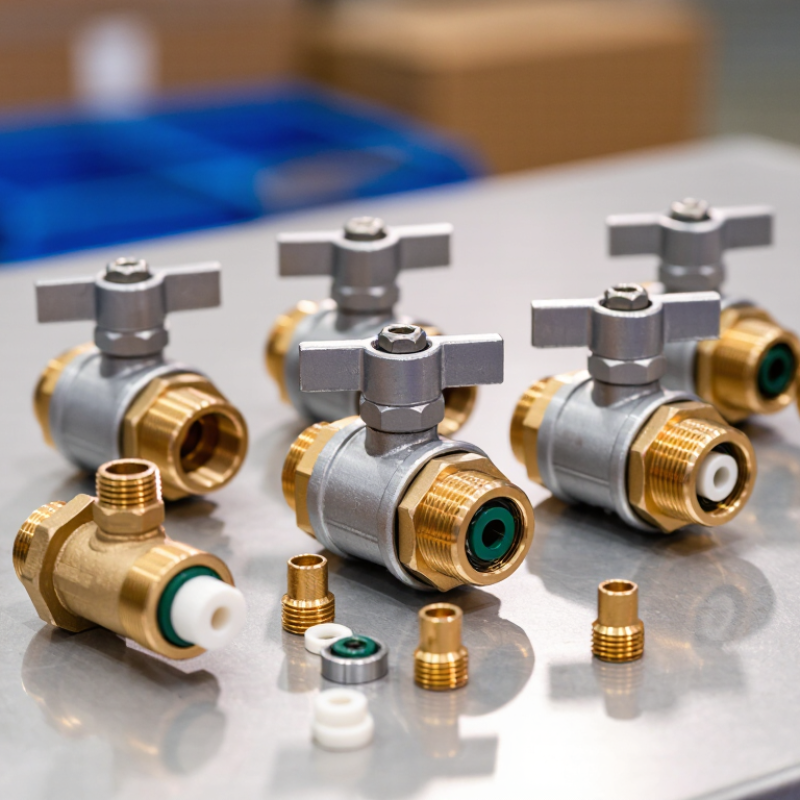
Miniature ball valve selection starts with the application, not the connection size. Identify the medium, pressure, temperature, flow direction, and cycling frequency. Water, compressed air, fuel, and mild chemicals can require different body and seal materials. A valve that performs well at room temperature may fail near a hot compressor line. Check the highest operating temperature, not the average reading.
Tip: Write the operating conditions on one sheet before comparing suppliers. Include normal and peak pressure, vacuum exposure, pipe material, available space, and required flow rate. Also record whether the valve stays open, closes daily, or operates continuously. These details help engineers verify pressure ratings and seal compatibility. Thread standards matter too. A correct valve with the wrong thread can still create delays, leakage, or forced installation.
Field experience shows that buyers often focus on price and overlook access for maintenance. Measure the installation area with a ruler. Leave room for the handle, tubing, and a pressure test connection. For automated systems, confirm actuator torque and signal requirements. Do not assume a miniature valve suits high-cycle service without test data. That assumption can be expensive. Recheck chemical compatibility using the actual concentration and temperature, because “compatible” is sometimes too broad. If conditions are uncertain, document the uncertainty and request written technical confirmation before ordering.
A miniature ball valve should be sized for the flow path, not just the pipe label. Nominal pipe size can hide a much smaller internal bore. Check the valve’s port diameter and compare it with the tubing ID. A narrow opening may reduce flow or create a noticeable pressure drop. Measure carefully.
Port design matters too. A full-port valve offers a wider passage, while a reduced-port design can fit tighter spaces. Consider the fluid, expected flow, and available pressure. For a small water line, a compact reduced port may be adequate; for viscous fluid, it could restrict flow more than expected. The trade-off is easy to miss.
Match the connection to the actual system. Threaded ports need compatible thread standards and a suitable sealing method. Tube or compression connections should match the tube’s outside diameter and material. Check pressure and temperature ratings for the complete assembly, not only the valve body. A fitting can become the weak point. Before ordering, compare a drawing with the installation space and confirm wrench clearance. I would not rely on a product photo alone; dimensions can be easy to misread, and that check is worth repeating.
Sizing tip: NPS is a nominal pipe size, not the valve’s exact bore. These typical steel-pipe outside diameters follow ASME B36.10M; confirm the valve port size and connection standard separately.
Match the valve’s connection to the mating pipe or fitting, and check the stated port diameter to ensure the flow path meets your requirements.
A miniature ball valve may look simple, but its material choices affect service life. Brass can suit many general-purpose water and air applications, while stainless steel may offer better corrosion resistance. Neither is automatically right for every fluid. Check the valve body, ball, stem, and seals against the actual media, including cleaning chemicals. A compatible body with an unsuitable seal can still leak. Small details matter.
Tip: Compare pressure ratings at your operating temperature, not in isolation. Heat can reduce a valve’s allowable working pressure. Check the manufacturer’s rating chart and leave a sensible margin for pressure surges. Also confirm whether the stated figure applies to the valve itself or the connected fittings.
Temperature limits depend on the whole assembly, especially its seat and seals. PTFE seats, for example, have different service limits from elastomer seals, and exact ranges vary by design. Review both the minimum and maximum temperatures, including brief cleaning or startup cycles. One point is easy to miss: a tidy product table may omit cycling frequency or fluid concentration. Ask for the technical datasheet, then compare its limits with your real operating conditions before ordering.
For a miniature ball valve, sealing performance depends on more than the stated pressure rating. Check the medium, temperature range, seat material, and allowable leakage together. Ask for test conditions, not just “bubble-tight” wording. ISO 5208 defines pressure testing and leakage acceptance for industrial valves, giving buyers a clearer basis for comparing supplier data. Small bodies matter. A valve handling clean water may behave differently with abrasive fluid or frequent temperature changes.
Actuation deserves the same scrutiny. Compare required operating torque at the maximum differential pressure with the actuator’s available torque; a comfortable margin helps prevent sluggish movement. Confirm whether the valve will be manual, pneumatic, or electric, and check space for handles, wiring, or air lines. Maintenance needs are easy to underestimate. The U.S. Department of Energy’s Improving Compressed Air System Performance guide notes that leaks can waste 20–30% of compressor output in poorly maintained systems. That figure covers compressed-air systems, not miniature valves alone, but it shows why leak checks matter. Set inspection intervals around cycle frequency and fluid condition, then record any rising torque or visible seepage. A tidy selection sheet can still miss one thing: how the valve will be reached after installation.
7 Miniature Ball Valve Buying Tips for Global Buyers
Quality should be verified, not assumed. Request material certificates, pressure-test records, dimensional drawings, and batch traceability. Check whether the supplier follows recognized quality systems, such as ISO 9001, and whether testing matches your application. Inspect the sealing material, thread accuracy, operating torque, and leakage rate. A small valve can still cause major downtime. Ask for samples from different production batches. One sample is not enough.
Supplier reliability needs evidence. Review factory capacity, quality-control procedures, export experience, and change-notification policies. Ask how quickly they handle defects and replacement requests. Speak with recent customers when possible. Clear technical replies often reveal more than polished brochures. Confirm packaging details, especially for long sea shipments. Moisture protection matters. Delays happen, even with careful planning.
Calculate total cost beyond the unit price. Include tooling, sampling, freight, insurance, duties, inspection, installation, and possible rejection losses. Compare the valve’s expected service life and maintenance needs. A cheaper valve may require more replacements. That lesson is easy to miss. Build a landed-cost sheet for each supplier. Add a small contingency for exchange-rate changes and port delays. No checklist is perfect, so revisit your assumptions before signing a purchase agreement.
| No. | Buying Tip | What to Verify | Practical Check | Why It Matters |
|---|---|---|---|---|
| 1 | Define the operating requirements | Working pressure, temperature range, fluid compatibility, flow needs, and whether the valve will operate frequently or remain mostly static. | Request the pressure–temperature rating for the exact valve configuration. Do not assume that all miniature ball valves share one standard pressure rating. | Pressure limits can vary with body material, size, seals, connections, and temperature. A rating for one configuration may not apply to another. |
| 2 | Check materials and fluid compatibility | Body and ball material, seat and seal material, corrosion exposure, and the composition of the fluid or gas. | Ask for material grades and technical data. For example, 316 stainless steel is a commonly specified alloy, but suitability depends on the fluid, concentration, temperature, and environment. | Material names alone do not establish compatibility. Seals and seats can limit temperature or chemical resistance even when the metal body is suitable. |
| 3 | Verify applicable standards and test evidence | Quality-system documentation, product specifications, inspection records, and the test standard applicable to the valve and its intended service. | ISO 9001 concerns a quality management system; it is not, by itself, proof that a particular valve is certified or suitable. Ask whether standards such as ISO 5208 apply to the product and request relevant test reports. | Standards have specific scopes. Confirm the edition, test scope, acceptance criteria, and whether documents relate to the exact model being quoted. |
| 4 | Match the connection and dimensions | Thread type and size, port diameter, end-to-end dimensions, mounting space, handle clearance, and any required adapters. | Distinguish among connection standards such as NPT (ASME B1.20.1), ISO 228-1 parallel pipe threads, and ISO 7-1 pressure-tight taper threads. Confirm compatibility rather than relying on nominal size alone. | Threads with similar nominal sizes may not seal or mate correctly. A mismatch can cause leakage, rework, or delays during installation. |
| 5 | Assess supplier reliability | Manufacturing capability, documented quality controls, responsiveness, export experience, production capacity, and after-sales support. | Request a current product datasheet, sample, inspection procedure, references where available, and a clear process for handling nonconforming goods. Verify documents independently when needed. | A consistent process and clear communication reduce the risk of specification changes, shipment problems, and difficult claims management. |
| 6 | Confirm traceability and inspection | Batch identification, material records where specified, dimensional checks, pressure or leak-test records, and inspection acceptance criteria. | Agree in writing on the inspection plan, sampling level, required records, and whether pre-shipment inspection is needed. Check that sample results identify the relevant production lot. | Traceable records make it easier to investigate defects and verify that delivered valves match the agreed specification. |
| 7 | Compare total cost, not unit price alone | Product price, tooling or setup charges, samples, testing, packaging, freight, insurance, duties, taxes, delivery terms, and expected replacement or maintenance costs. | Compare quotations using the same specification, order quantity, currency, delivery term, and destination. Calculate landed cost per usable valve, including inspection and logistics expenses. | A lower unit price may be offset by freight, import charges, extra inspection, longer lead time, or a higher risk of installation and replacement costs. |
Identify the medium, pressure, temperature, flow direction, and cycling frequency. Water and compressed air may need different seals. Check peak temperature, not only the average.
Write normal and peak pressure on one sheet. Add vacuum exposure, pipe material, space, and required flow rate. This reduces guesswork. Some details may still be uncertain.
Confirm the thread standard before ordering. Measure the available space with a ruler. Leave room for the handle, tubing, and pressure testing.
Do not assume it can. Request test data for daily, continuous, or high-cycle operation. A small valve may wear faster than expected.
Check the actual chemical concentration and operating temperature. “Compatible” can be too broad. Request written technical confirmation when conditions remain unclear.
Request material certificates, pressure-test records, dimensional drawings, and batch traceability. Inspect thread accuracy, sealing material, torque, and leakage rate. One sample is not enough.
Review production capacity, quality procedures, export experience, and change-notification practices. Ask how defects and replacements are handled. Clear technical replies matter.
Include tooling, samples, freight, insurance, duties, inspection, installation, and rejection losses. Consider service life and maintenance. A lower unit price may become expensive later. Add a small allowance for currency changes and port delays.
Selecting the right Miniature Ball Valve requires more than comparing price or dimensions. Global buyers should first define the application, fluid type, operating pressure, temperature range, flow requirements, and installation environment. These factors guide decisions about valve size, full-port or reduced-port design, and connection type. It is also important to compare construction materials, pressure ratings, temperature limits, and compatibility with the media to ensure safe and dependable performance.
Buyers should then evaluate sealing quality, actuation method, expected operating frequency, and maintenance requirements. A reliable valve should provide consistent shutoff, suitable torque, and easy inspection or replacement when needed. Before placing an order, verify relevant quality standards, production consistency, testing procedures, documentation, and supplier responsiveness. Considering purchase price together with shipping, installation, maintenance, service life, and potential downtime will help buyers achieve a lower total cost and make a more confident sourcing decision.
