
Yongda
In the competitive landscape of industrial valves, the floating ball valve stands out for its versatile applications. Renowned expert Dr. Emily Harper states, “The floating ball valve is essential for reliable flow control in various systems.” This statement highlights its significance in many industries, including oil and gas, water treatment, and HVAC.
Floating ball valves are designed with a ball that rests on a seat. This unique design allows for minimal pressure loss and efficient operation. Manufacturers are now leveraging innovative materials and technologies to enhance performance. Buyers must consider factors like durability, compatibility, and maintenance when selecting suppliers.
While there are many reliable manufacturers, the quality can vary. Identifying the best floating ball valve producers requires thorough research and analysis. Buyers often face challenges, such as balancing cost with quality. Selecting the right manufacturer ensures optimal performance and longevity of these critical components.
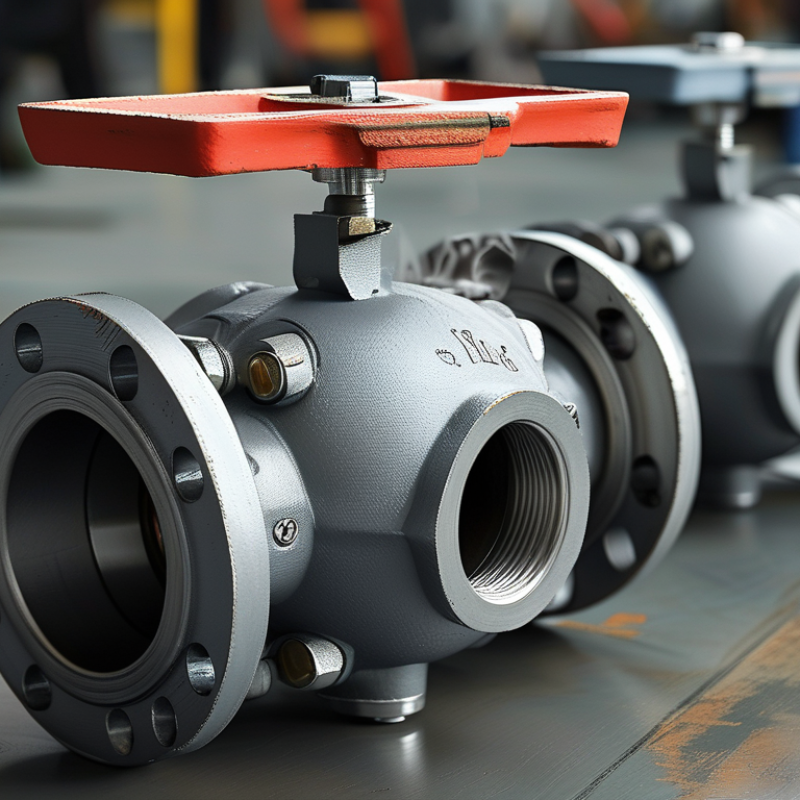
Floating ball valves are essential components in various industrial applications. These valves operate by using a hollow ball that floats and rotates to control flow. They are favored for their simple design, which minimizes the risk of leaks. According to a market research report from Verified Market Research, the demand for floating ball valves is projected to grow at a compound annual growth rate (CAGR) of 5.6% from 2021 to 2028. This growth is driven by the expanding oil and gas sector, where reliability and safety are paramount.
In water treatment facilities, floating ball valves are crucial for regulating water flow. Their versatility extends to chemical processing and power generation, where they handle different fluids under varying pressures. Data from the Global Valve Market report indicates that the Asia-Pacific region holds about 35% of the global valve market share. This results from increased industrialization and infrastructure development in countries like China and India. However, manufacturers face challenges such as the need for enhanced materials that can withstand extreme temperatures, which calls for continuous innovation and research.
Despite the competitive landscape, businesses must address issues of durability and reliability in valve performance. Frequent maintenance is required for optimal functionality, which can lead to operational downtime. Recent surveys suggest that around 20% of users report issues with valve leaks over time. This highlights the importance of quality assurance and the need for rigorous testing before product deployment. The floating ball valve market indeed requires manufacturers to refine their designs continually while considering real-world applications and user feedback.
When selecting top floating ball valve manufacturers, certain criteria stand out. First, industry experience plays a crucial role. Manufacturers with over a decade in the field often demonstrate greater reliability and innovation. According to a recent market analysis, companies with 15+ years of experience see a 25% higher customer satisfaction rate.
Quality assurance is another vital criterion. Look for manufacturers who adhere to international standards like ISO 9001. These certifications indicate a commitment to quality and consistency. Furthermore, reports show that manufacturers adhering to strict quality control practices can reduce product failure rates by up to 30%.
Also, consider technological capabilities. Many top manufacturers invest in R&D to improve product efficiency and durability. Insights from industry research indicate that suppliers integrating advanced technologies often boost valve performance significantly. However, the challenge lies in distinguishing between actual innovation and mere marketing tactics. Effective evaluation requires a discerning approach to navigating this competitive landscape.
Floating ball valves are essential components in various industries. They are crucial for controlling the flow of liquids and gases. Many manufacturers specialize in this field, each offering unique designs and technologies. Quality and reliability are key factors to consider when choosing a manufacturer.
The global market is filled with reputable floating ball valve manufacturers. Industry leaders focus on experience and stringent quality controls. This commitment ensures that their valves perform efficiently under challenging conditions. However, not all manufacturers maintain the same standards. Some may overlook quality checks or use inferior materials.
As buyers evaluate options, understanding these nuances becomes vital. A thorough analysis of manufacturers can reveal strengths and weaknesses. Transparency in operations is a hallmark of reliable manufacturers. Engaging with industry experts can also help buyers make informed decisions. Ultimately, selecting a floating ball valve manufacturer requires careful thought and consideration of various factors.
The floating ball valve market shows robust growth, driven by innovations and competitive pricing strategies. Recent data indicates a projected market increase of 5.7% annually through 2025. Manufacturers are focusing on advanced materials and smart technologies to enhance performance. New composites are making valves lighter yet stronger, contributing to a more efficient operation in various sectors.
Innovations in ball valve designs include enhanced sealing mechanisms and automated control systems. These advancements reduce leakage and maintenance, improving reliability. Notable studies highlight that improperly installed or outdated valves account for over 25% of leakage issues in industrial systems. Addressing these problems through innovative design is crucial. However, some manufacturers still struggle to keep pace with technological advancements.
While many companies propose state-of-the-art solutions, gaps remain in consistent quality assurance. A lack of standardization can lead to varying performance across different markets. This disparity poses a challenge for global buyers seeking to align their procurement processes with industry standards. Continuous feedback loops and better communication between manufacturers and end-users are vital.
Floating ball valves are crucial in various industries, including oil and gas, water treatment, and chemical processing. Recent reports indicate a 5% annual growth in the floating ball valve market. This rise correlates with increased demand for efficient fluid control systems. Innovative manufacturing techniques are becoming essential to meet this demand.
Future trends focus on automation and smart technologies. The integration of IoT in floating ball valves allows real-time monitoring and predictive maintenance. According to a report by MarketsandMarkets, the smart valve market is projected to grow from $2.15 billion in 2022 to $4.50 billion by 2027. This shift toward smarter solutions reflects a broader trend in automation across industries.
However, manufacturers face challenges in material selection and production costs. Balancing quality with affordability is vital for competitiveness. The introduction of advanced materials, like composite polymers, can enhance performance but may raise production costs. Manufacturers must evaluate the trade-offs between durability and expense to remain relevant in a competitive landscape.
| Manufacturer Type | Location | Market Share (%) | Annual Production (Units) | Main Applications | Innovation Focus |
|---|---|---|---|---|---|
| OEM Manufacturer | Asia | 25 | 50,000 | Oil & Gas, Water Treatment | Smart Valve Technology |
| Regional Supplier | North America | 15 | 30,000 | Chemical Processing | Eco-friendly Materials |
| Global Leader | Europe | 20 | 100,000 | Power Generation | Digital Twin Technology |
| Small Manufacturer | South America | 5 | 5,000 | Agriculture | Custom Designs |
| Industrial Supplier | Africa | 10 | 15,000 | Mining and Metals | Automated Control |
: Focus on industry experience and quality assurance standards.
Manufacturers with over ten years often show more reliability and innovation.
Look for certifications like ISO 9001 to ensure product consistency.
Advanced technologies can improve efficiency and durability, but differentiation is key.
It helps reduce product failure rates. Inconsistencies can lead to serious issues.
Keeping up with technological changes can be hard for some companies.
Analyze their strengths and weaknesses, and seek industry expert opinions.
Improper installation or outdated designs are significant factors.
It builds trust and helps ensure consistent quality for buyers.
Innovations and competitive pricing lead to projected market growth.
Floating Ball Valves are essential components in various industrial applications, providing reliable flow control and sealing capabilities. This article offers a comprehensive overview of Floating Ball Valves, outlining their functionality and the diverse sectors in which they are utilized. It also details critical criteria for selecting top manufacturers in the market, emphasizing aspects such as quality, innovation, and customer support.
Leading manufacturers are evaluated based on their offerings and technological advancements, highlighting the competitive landscape of the global market. The analysis includes a comparative study of different manufacturers, focusing on their unique contributions to the Floating Ball Valve technology. Furthermore, the article anticipates future trends in the manufacturing processes and innovations that are likely to shape the industry, ensuring that end-users are aware of the evolving landscape of Floating Ball Valves.
