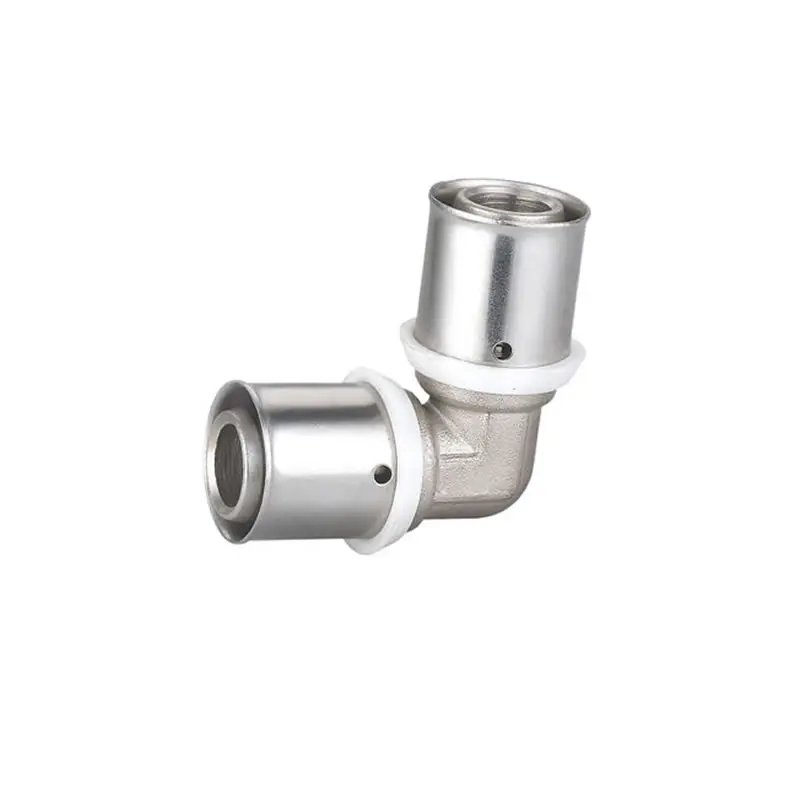
 Yongda
Yongda
Yongda
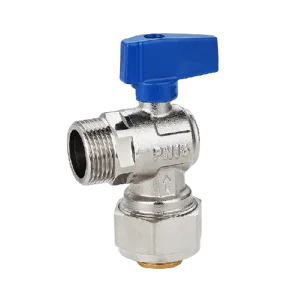
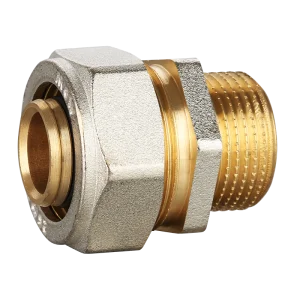
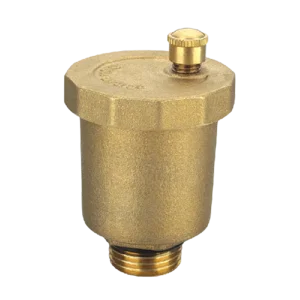
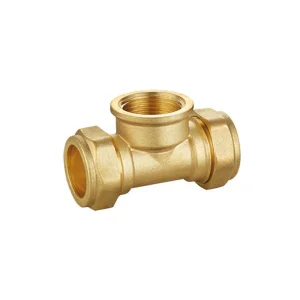
Premium OEM / ODM valve components manufactured with advanced hot forging and rigorous leakage test benchmarks.
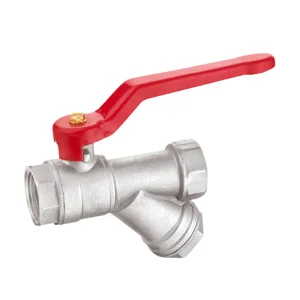
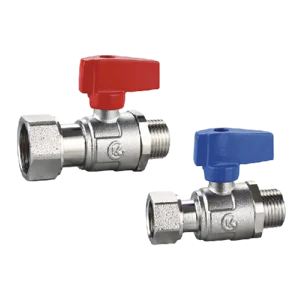
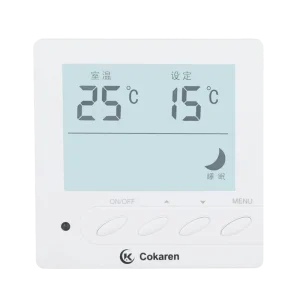
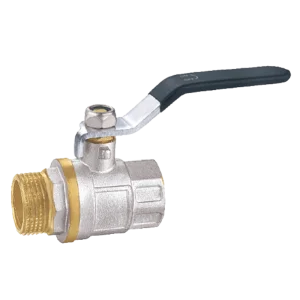

Founded in 1996, Yuhuan Yongda Fluid Control Co., Ltd. (formerly Yuhuan Yongda Plumbing Co., Ltd.) is strategically headquartered in Yuhuan, Zhejiang—widely recognized as the "Valves Capital of China". As an enterprise focused on high-tier plumbing systems, we integrate advanced research, mechanical design, high-precision manufacturing, and global trade operations under one roof.
Our product matrix covers brass valves, fittings, and HVAC system elements, targeted at medium-to-high-end applications. With a heavy focus on environmental compliance and low-lead alloy metallurgy, our solutions are highly trusted by procurement managers across North America, the European Union, and developed Asian economies.
Leveraging scale and high-precision testing equipment to deliver defect-free plumbing hardware globally.
Our expansive production environment boasts a footprint exceeding 45,000 square meters (with actual usable building space scaling over 80,000 square meters). Equipped with more than 600 sets of advanced machinery—including 80+ specialized multi-axis CNC machine centers—we guarantee dimensional accuracy down to micrometers. This physical capacity allows us to manage large-scale contract orders for OEM/ODM accounts while ensuring robust compliance with regional environmental standards.
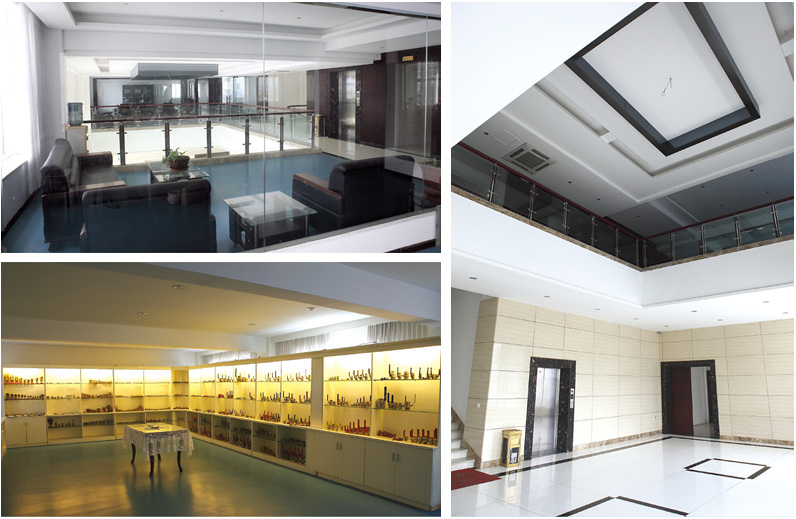
In response to evolving market needs for high-tier architectural and residential fluid systems, we launched Cokaren. This brand embodies our research and design focus: delivering high-performance, beautiful plumbing controls that blend with modern interiors while assuring lifetime functionality.
Under the core promise of "keep flowing, keep warming", Cokaren concentrates on hydronic systems, water delivery nodes, and HVAC controls. Our strategic roadmap positions Cokaren as a global innovator, offering engineered components that reduce assembly and maintenance costs for installation contractors.
Understanding alloy standards, forging techniques, and the science behind zero-leakage fluid control.
For industrial and commercial systems, the composition of the bibcock's body is the primary point of failure or success. Standard yellow brass is prone to dezincification when exposed to water containing chlorides. This process leaches zinc out of the alloy, leaving a porous, structurally weak copper skeleton that breaks under pressure.
At Yuhuan Yongda, we utilize high-specification materials, including Dezincification Resistant (DZR) Brass (such as CW602N) and Lead-Free Brass (C46500 / C37700). These materials conform strictly to North American NSF/ANSI 61 and Safe Drinking Water Act (SDWA) standards, ensuring safe drinking water delivery and lasting structural performance.
Cast brass valves often contain micro-porosity and internal shrinkage cavities caused by air pockets during the cooling process. Under extreme winter temperatures or water-hammer stress, these cast defects can lead to hairline cracks.
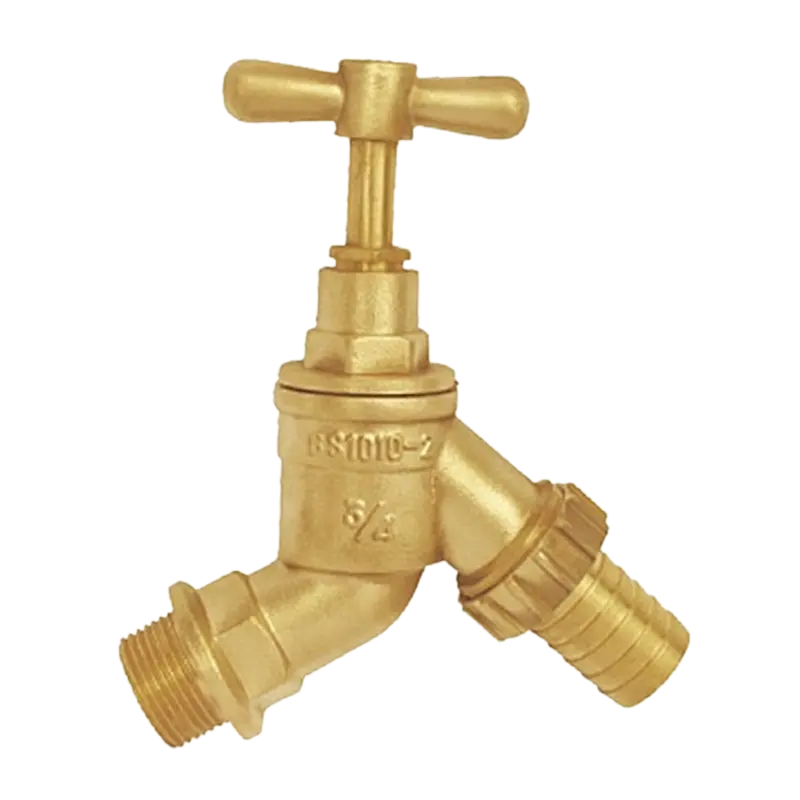
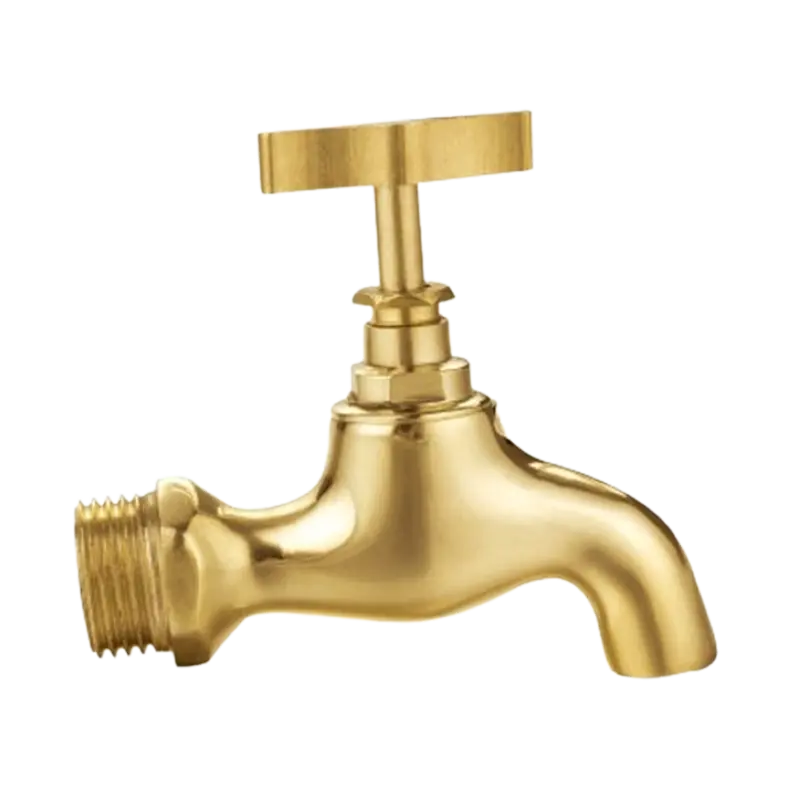
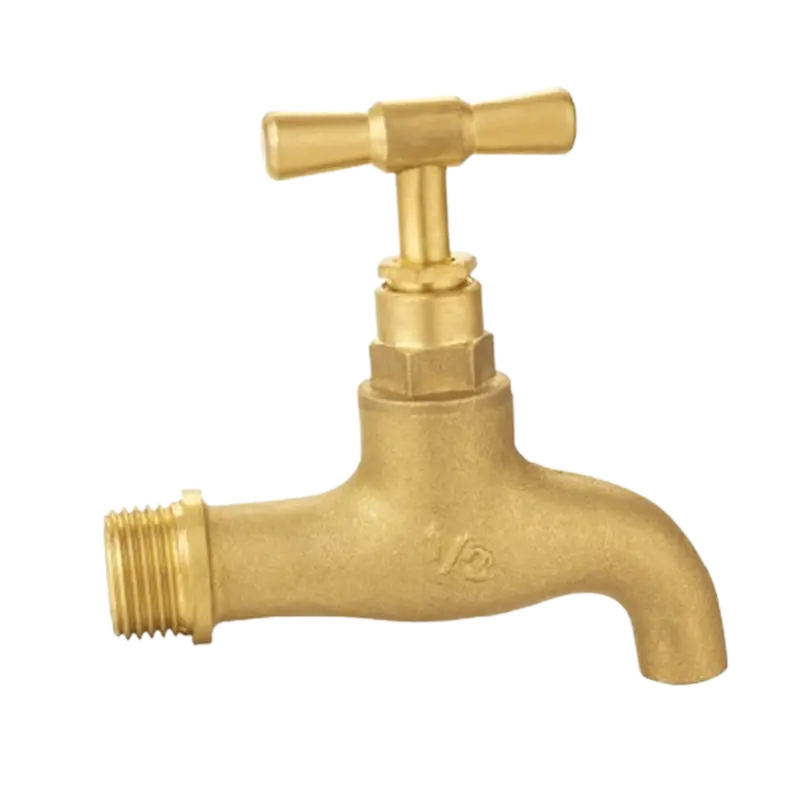
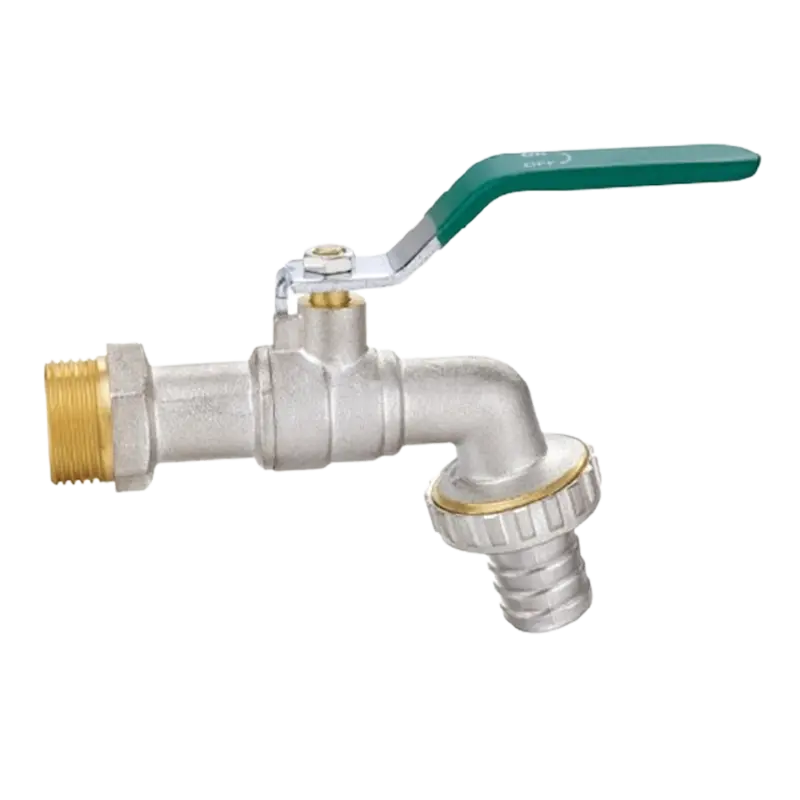
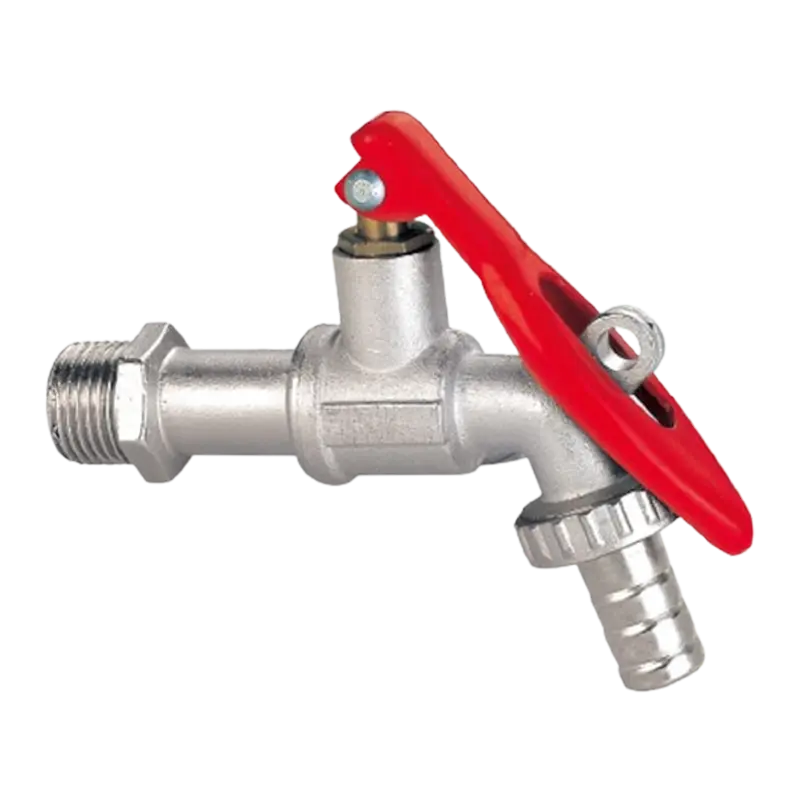
Our bibcocks and ball valves are manufactured via hot forging. By heating the brass slug to a plastic state and forming it under high-pressure presses, the internal grain structure of the metal is refined and aligned with the valve's contours. This results in uniform wall thickness, high pressure ratings (exceeding PN25), and zero structural leakage.
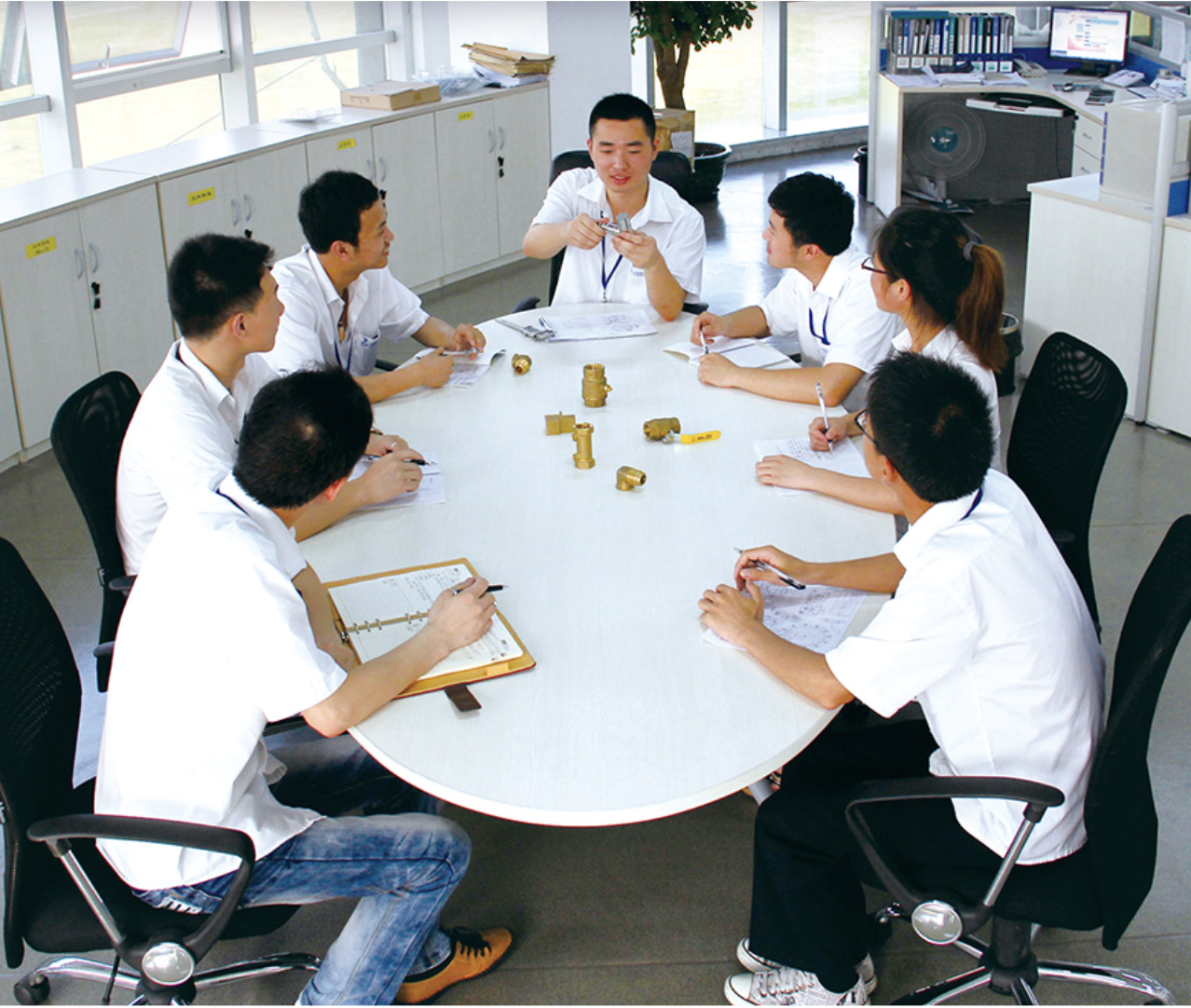
At Yuhuan Yongda, our core principles guide every production run and custom order:
We prioritize sustainable development, matching corporate growth with the welfare of our employees to maintain a stable, highly skilled manufacturing team.

Compliance is a critical requirement in modern industrial sourcing. We have structured our manufacturing operations to align with international regulatory frameworks:
Our brass formulations and wall thickness specifications are engineered to meet strict international standards, ensuring smooth approval processes with regional building inspectors.
How our manifolds, mixing shunts, and venting valves work together to build reliable hydronic and HVAC networks.

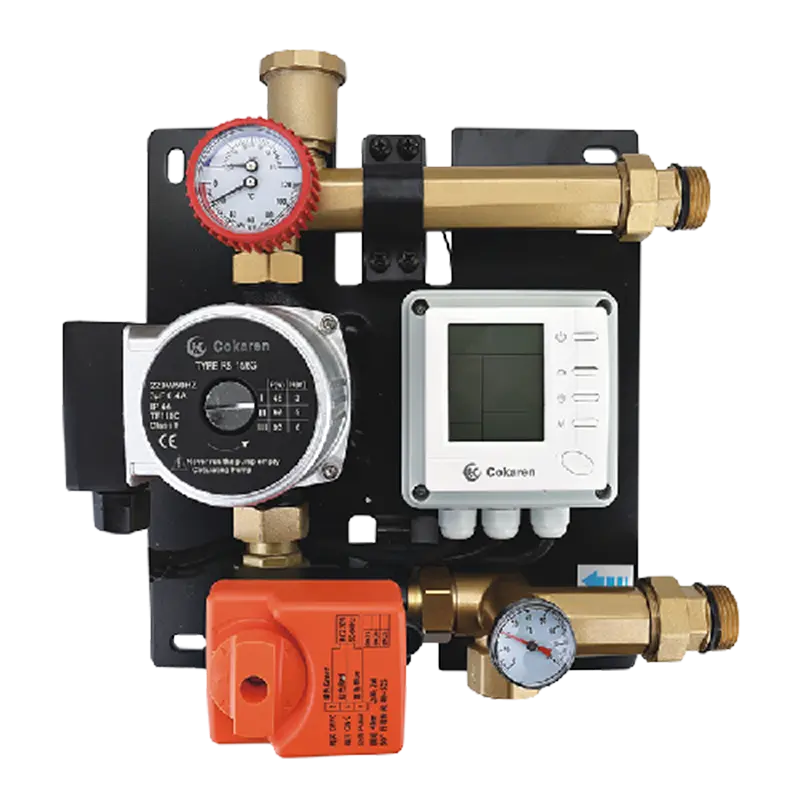
Coordinates supply and return temperatures across zoning setups.

Balances differential pressures under changing load demands.
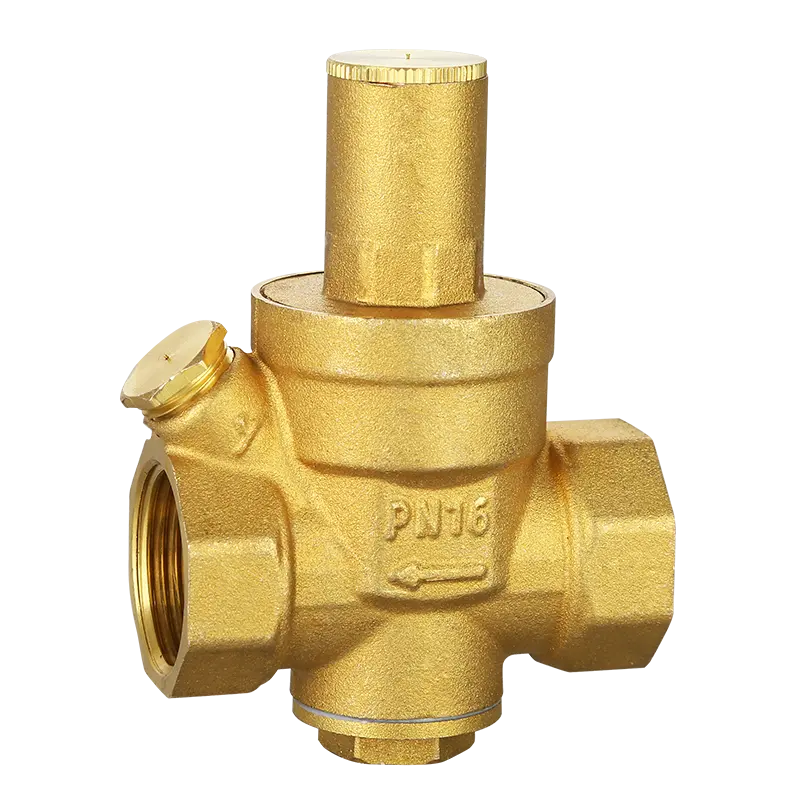
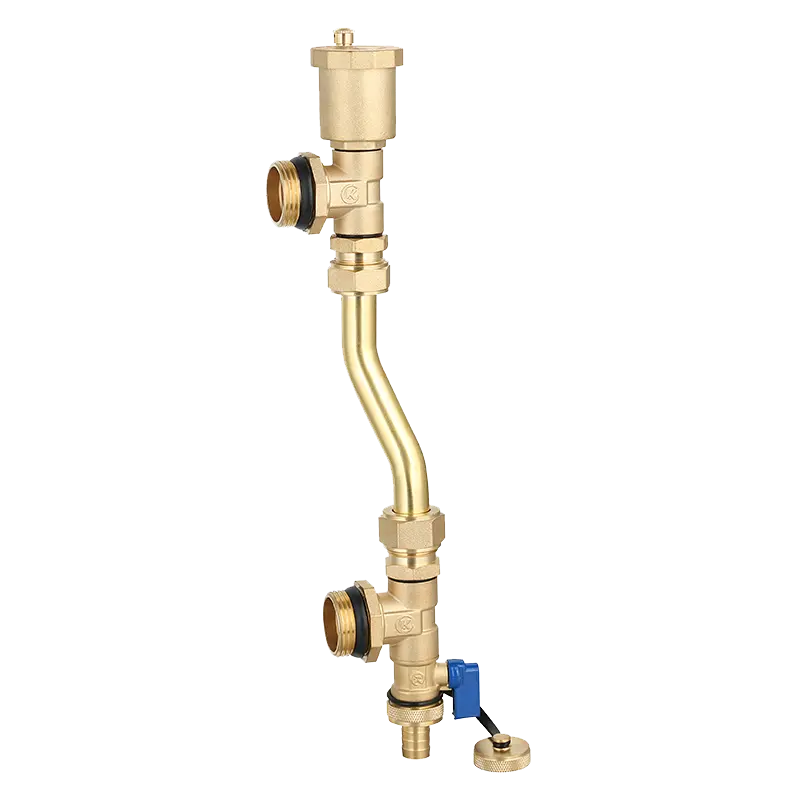
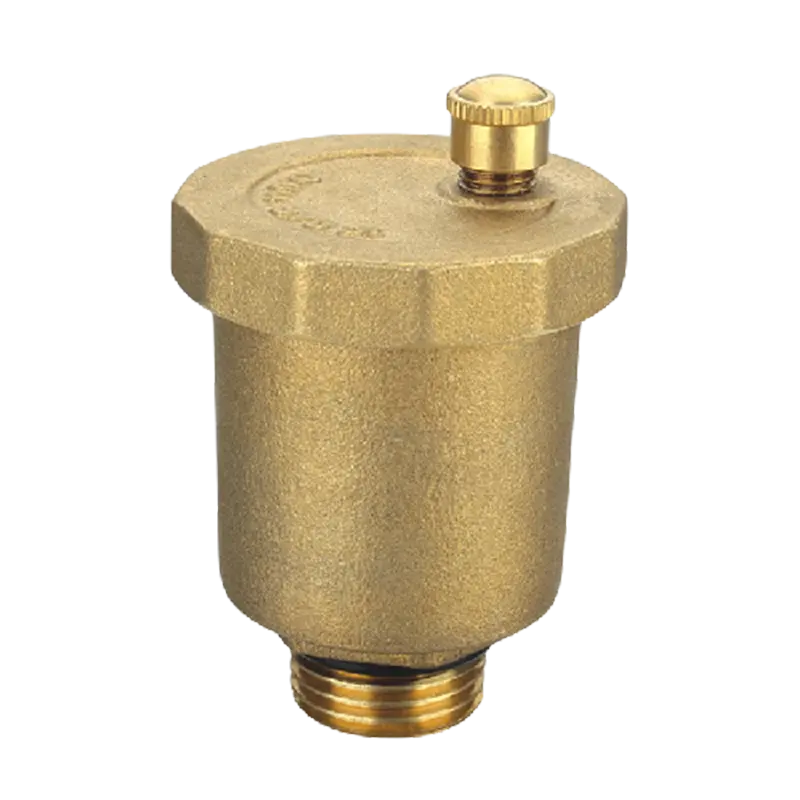
Maintains system pressures to prevent fluid velocity noise.

Monitors slab temperatures to protect delicate floor finishes.

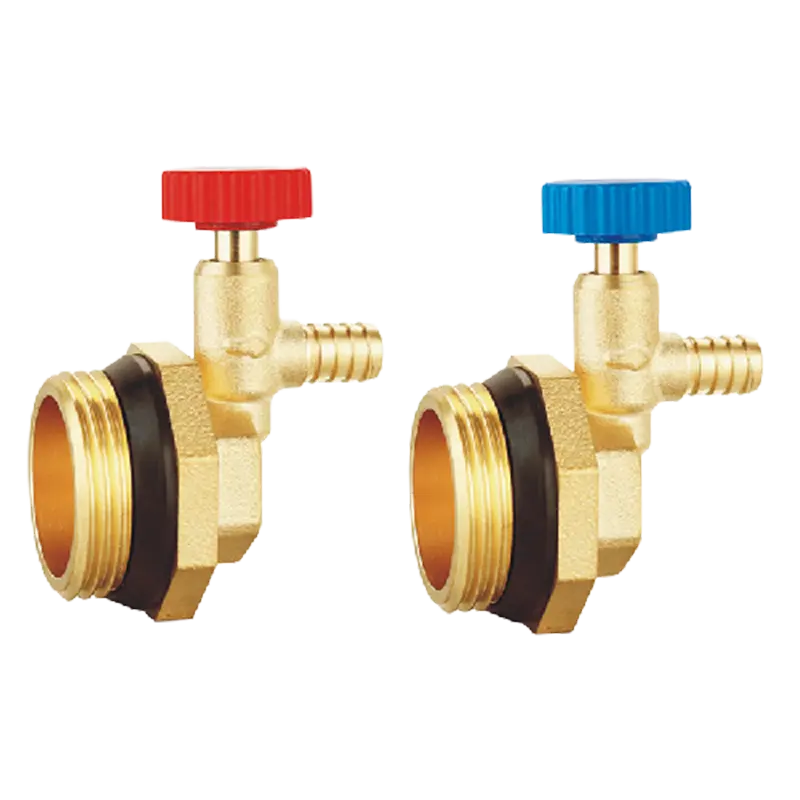
Collects and directs system returns to prevent thermal shocking.
A closer look at the design details and specific applications of our core line.
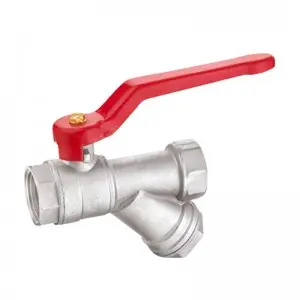
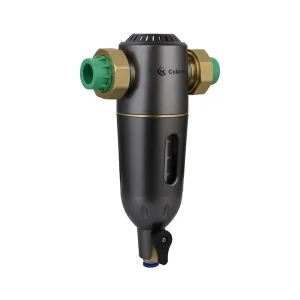
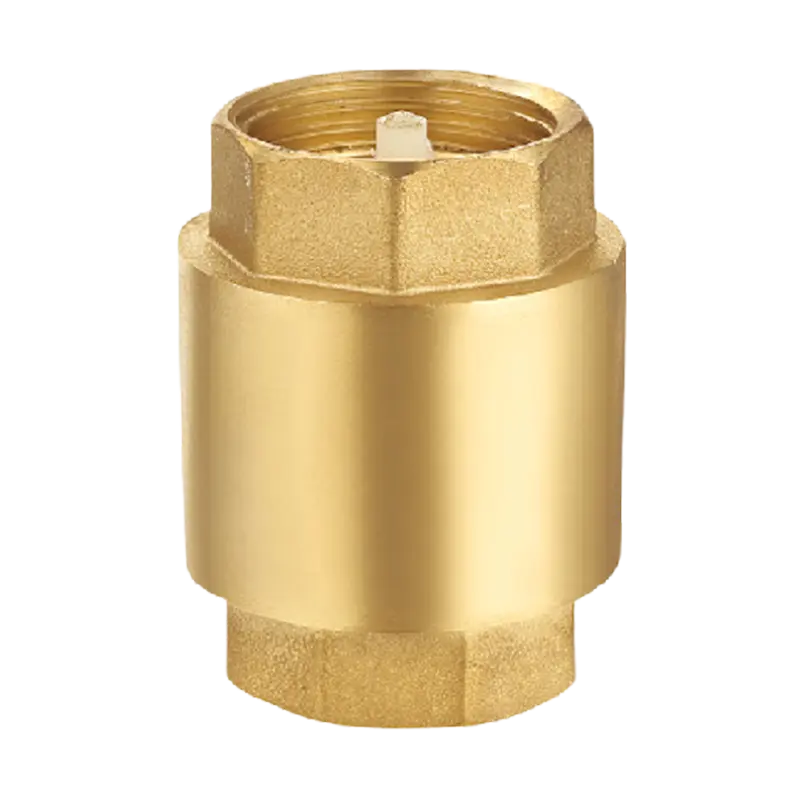
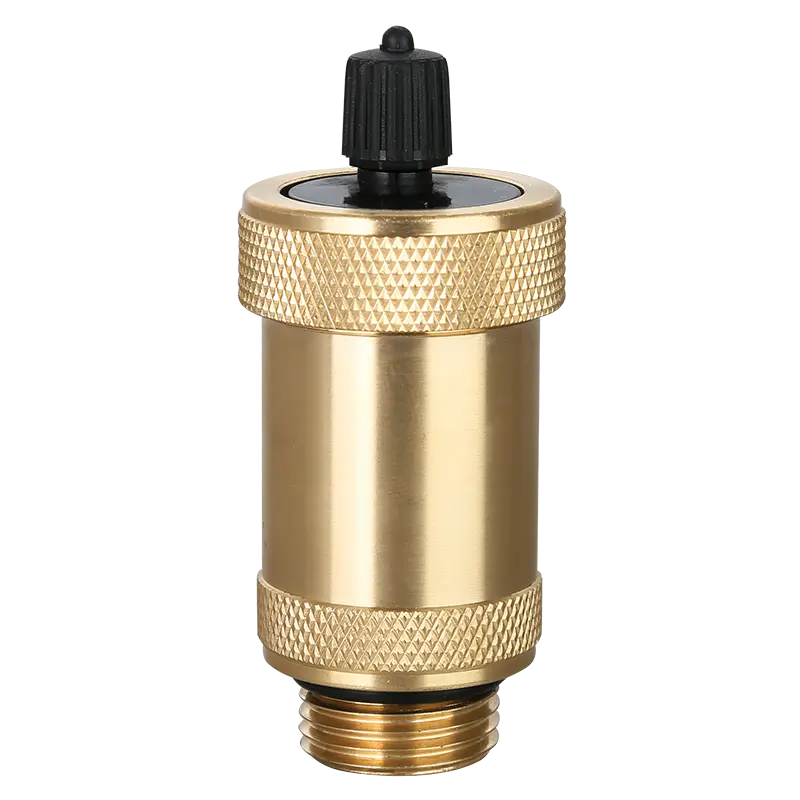
Integrates fluid isolation and particulate filtration in one body. Decreases space requirements and installation time.
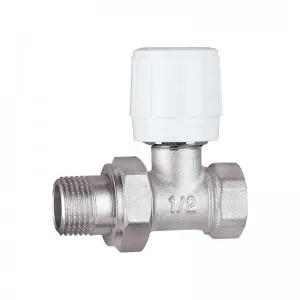
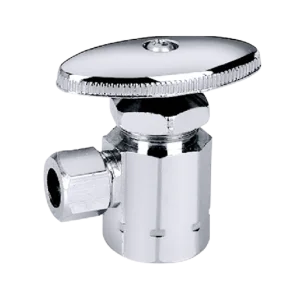
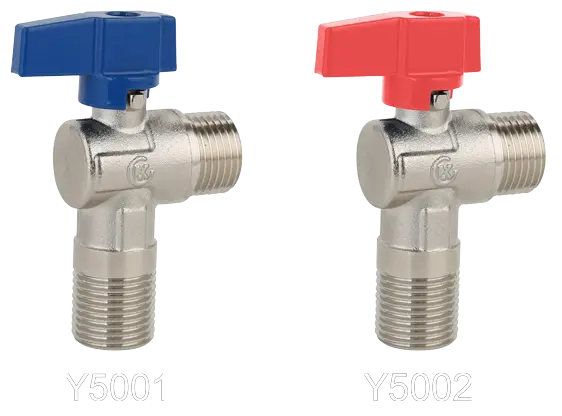
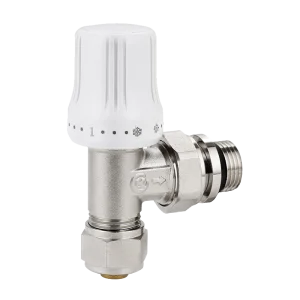
Allows precise balancing of radiator flow lines for comfortable residential zoning.
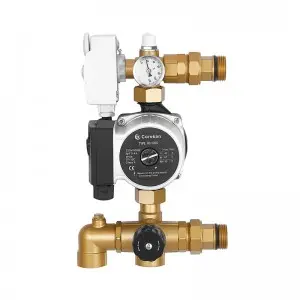
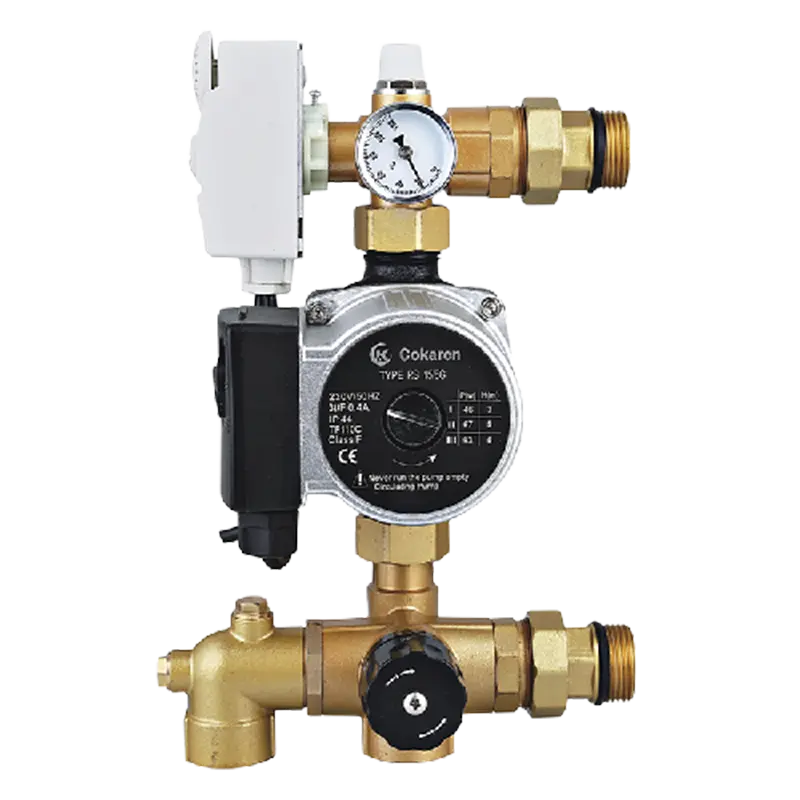
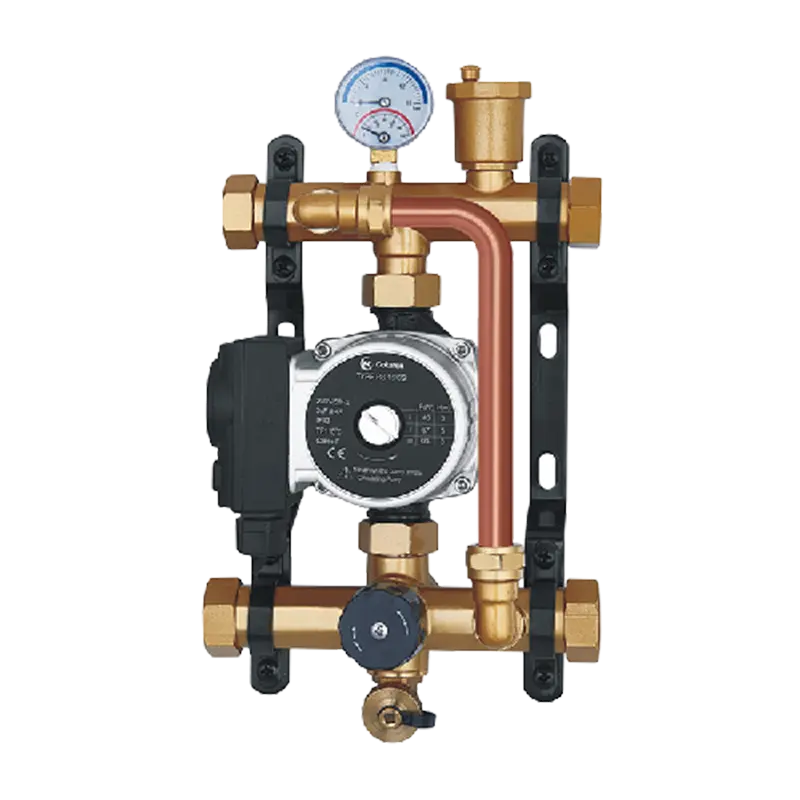
Combines cold water and hot boiler flows to prevent scalding and thermal stress in slab layouts.
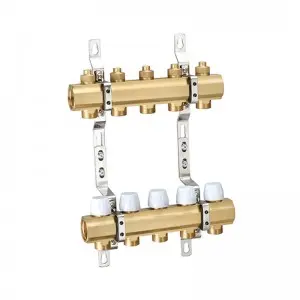
Industrial manifold blocks built for uniform flow balancing across complex radiant loops.
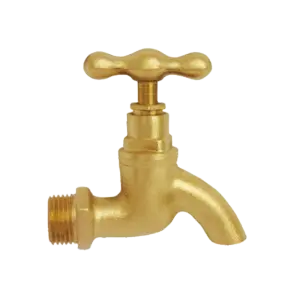
Built with thick, forged walls and heavy plating to resist environmental wear in outdoor washdowns.
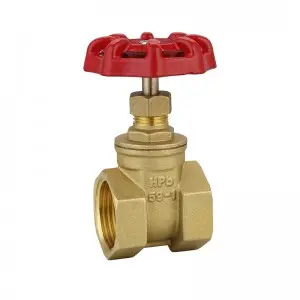
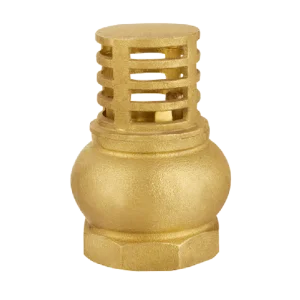
Full-port design ensures minimal pressure drop in high-volume water distribution mains.
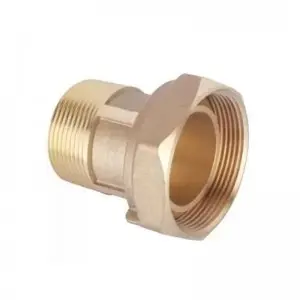
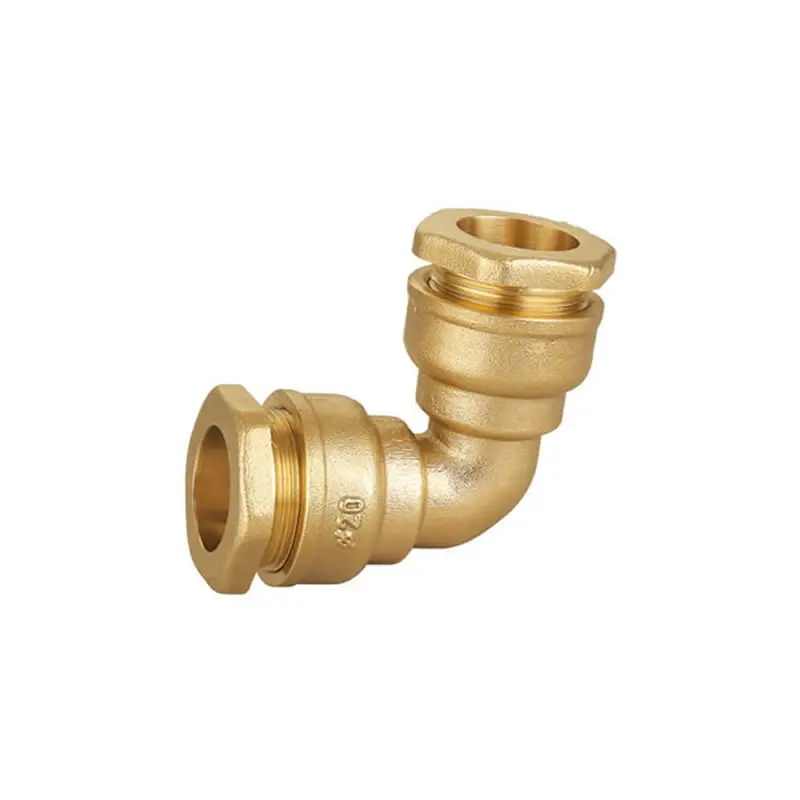
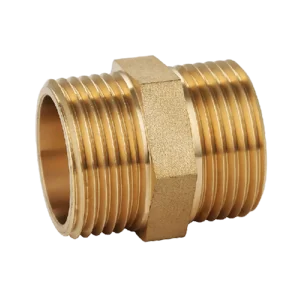
Precision CNC-turned brass meter couplings that prevent stress cracks during meter installation.
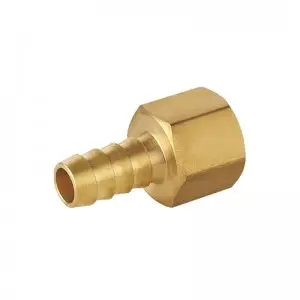
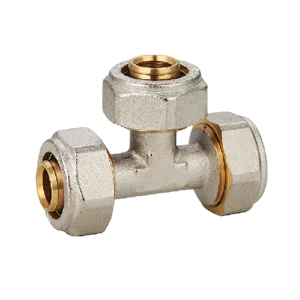
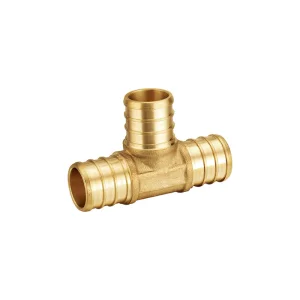
Machined barb profiles that securely grab and hold flexible tubing under standard system pressures.
Sourcing brass components from overseas requires careful due diligence. Standard sales pitches often cover up issues like inconsistent alloy quality or poor internal machining. When evaluating a potential manufacturing partner, consider these three critical areas:
Alloy standards differ globally. A factory using standard recycled scrap brass may deliver products that look acceptable but contain high levels of lead or iron. High iron levels speed up galvanic corrosion, while elevated lead content violates plumbing laws in North America and Europe. Ask for a chemical spectrometer analysis sheet for each batch. Insist on alloys like CW617N (Europe) or C37700 / C46500 (US) to ensure structural safety and regulatory compliance.
A reliable factory does not rely on random batch checks. High-pressure plumbing lines demand 100% pneumatic testing. Every bibcock and valve should be placed on a testing bench, pressurized with air, and submerged or sensor-scanned to find leaks. Any factory skipping this step to save time will inevitably ship a percentage of valves with slow leaks, leading to expensive callbacks.
Manual lathes struggle to maintain consistent thread tolerances. If threads deviate even slightly, sealing with tape or paste becomes difficult, increasing the risk of installation leaks. Modern, automated CNC centers ensure exact thread sizes and clean cuts, keeping your assembly lines running smoothly.
A technical catalog of specialized industrial fluid control hardware.
The global valve and plumbing industry is undergoing a significant transition, driven by two major market trends: the shift toward smart, automated flow management and the demand for strict material safety standards. Understanding these shifts is crucial for procurement teams looking to secure their supply chain over the next decade.
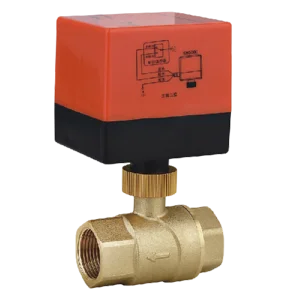
With the rise of energy-conscious building designs, standard mechanical valves are being replaced by automated, sensor-driven systems. By combining motorized valves with electronic actuators, building management systems can adjust fluid flows in real time based on environmental sensors. This is particularly useful in radiant floor heating and commercial hydronic loops, where maintaining a balanced flow is key to reducing boiler energy use. Sourcing partners must be able to manufacture both physical brass bodies and the precise electronic components that control them.
At the same time, environmental safety regulations continue to tighten. Countries in Europe and North America are reducing the allowable limit of lead in drinking water systems to nearly zero. This shift makes it essential to work with manufacturers that have dedicated production lines for lead-free alloys. Mixing standard brass with lead-free stock in the same machine center can lead to cross-contamination, causing shipments to fail compliance checks at import ports. A reliable supplier must offer clear process separation to guarantee material purity.
Expert answers to common engineering, material compliance, and international procurement questions.
Premium OEM / ODM valve components manufactured with advanced hot forging and rigorous leakage test benchmarks.