 Yongda
Yongda
Yongda
Pioneering Safety, Double-Isolation, and Precision Temperature Control Solutions Since 1996
Engineered For System Protection, Integrity, And Efficient Thermal Distribution
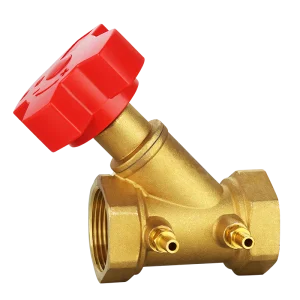
A Comprehensive Engineering Analysis of Safety Isolation, System Design, and Critical HVAC Applications
In modern industrial fluid networks, high-integrity safety isolation is paramount to prevent hazardous media migration, ensure operational safety during system maintenance, and provide precise instrumentation protection. The Double Block and Bleed (DBB) valve architecture integrates two separate isolating elements (blocks) and a venting/bleeding mechanism between them into a single, compact body. This engineering design achieves absolute seal integrity where standard single-point valve systems are prone to mechanical bypass or leakage.
In severe application sectors like oil and gas processing, marine, chemical refining, and high-performance commercial HVAC distribution, fluid system safety must conform to rigid international safety regulations. A certified block & bleed valve serves a dual purpose: isolating upstream and downstream pressures while allowing technicians to bleed off trapped line pressure securely before executing downstream activities.
Specifying the appropriate block & bleed valves involves assessing physical operating pressures, media compatibility, thermal gradients, and structural design standards:
We process standard high-density forged brass alloys (such as CW617N, HPb59-1, and lead-free brass formulations) optimized for high tensile strength, resistance to dezincification, and optimal structural stability in radiant heating grids and high-pressure utilities.
Valves are engineered to meet and exceed global certifications, including ISO 9001:2015 for quality management, alongside strict compliance checks for high-pressure limits. Every piece undergoes rigorous hydrostatic testing for zero-leak performance.
Equipped with dual PTFE/FKM soft seats for low-pressure bubble-tight sealing, or optional metal-to-metal seats for high-temperature and dirty media handling, mitigating friction wear over thousands of operational cycles.
The mechanical process involves the dual closure elements closing simultaneously to trap fluid in the valve cavity. Once isolated, the bleed valve is opened, discharging the trapped fluid through a dedicated exhaust nozzle. This permits maintenance workers to verify seat tightness: if fluid continues to discharge from the bleed line, it indicates seal degradation on one of the block elements, protecting operators from unexpected line pressurization.
While heavily associated with oil gas pipelines, block and bleed mechanisms find widespread demand in water distribution systems, boiler rooms, and complex HVAC networks:
A World-Class Manufacturing Facility Delivering Reliable Flow Solutions Since 1996
Founded in 1996, Yuhuan Yongda Fluid Control Co., Ltd. (formerly Yuhuan Yongda Plumbing Co., Ltd.) is situated in the heart of "China's Valve Capital"—Yuhuan, Zhejiang. Over the past three decades, we have established ourselves as an industry-leading enterprise focusing on product design, modern development, precision forging, testing, and worldwide distribution.
Our manufacturing facility spans a total site area of over 45,000 square meters, translating into an actual usable factory footprint of 80,000 square meters. Operating more than 80 sets of high-precision dedicated machine tools among our 600-plus testing and processing apparatuses, we ensure that our brass valves, custom fittings, and HVAC system components exhibit absolute integrity. Focused on premium and mid-to-high-grade environmental protection standards, our products are heavily favored by structural and mechanical engineers in North America, Europe, and neighboring regions.
As part of our commitment to brand excellence, our new premium segment Cokaren adheres to the core philosophy: "Keep flowing, keep warming". Cokaren is dedicated to designing water system accessories that bring comfort, safety, and stability to modern structures worldwide.
Leveraging China's Valve Capital to Deliver Unparalleled Quality and Speed
Establishing procurement agreements with a Chinese manufacturer located in Yuhuan, Zhejiang offers significant strategic supply chain advantages. Yuhuan houses a highly integrated vertical cluster for plumbing products. From raw material sourcing (such as lead-free eco-brass alloys) and advanced multi-axis hot forging to CNC precision machining, surface finishing, and quality validation, every phase of production occurs within a tightly controlled radius.
This geographical cluster effect drastically reduces logistical overhead, lowers production timelines, and facilitates rapid design adjustments. When partnered with Yuhuan Yongda, global buyers receive the direct benefits of scale, state-of-the-art forging machinery, and deep engineering expertise under a single contract.
Precision Engineering Solutions for Stable HVAC and Hydronic Operations


The first line of defense in domestic water sanitation, filtering 98% of impurities in the pipeline to protect downstream instrumentation.
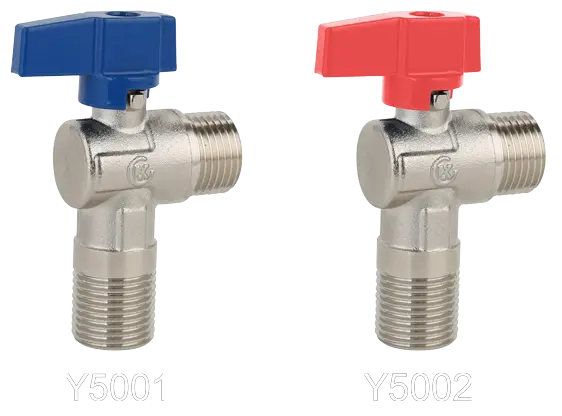
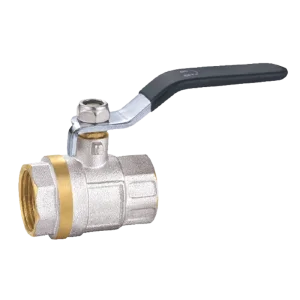
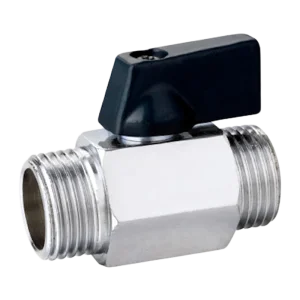
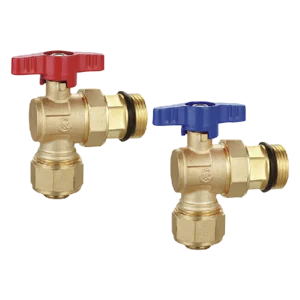
Controls the inflow and outflow of water in the boiler, utilizing a robust spherical spool for tight shut-off.
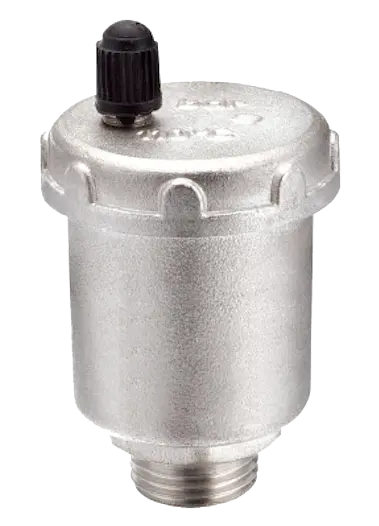
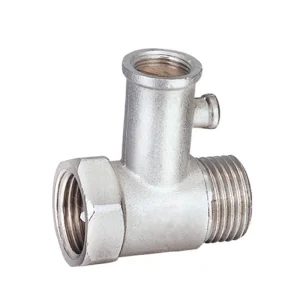
Engineered to discharge excess air pockets in water heater installations, ensuring stable system pressure.
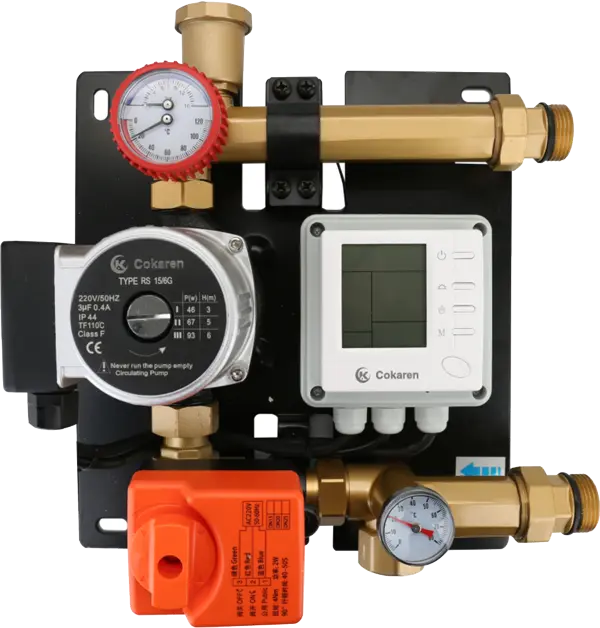
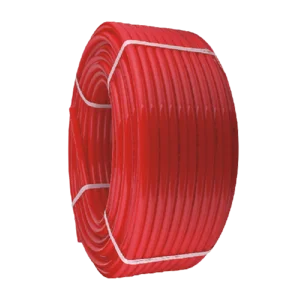
Mixes cold and hot fluids inside underfloor pipelines to stabilize water temperature and protect delicate structures.
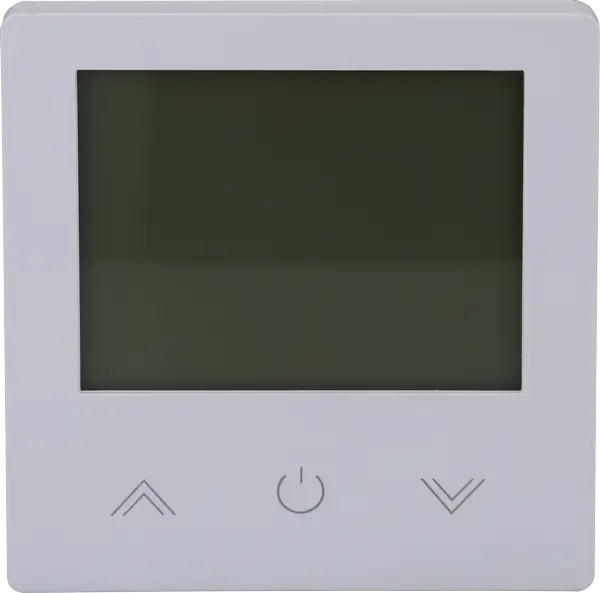
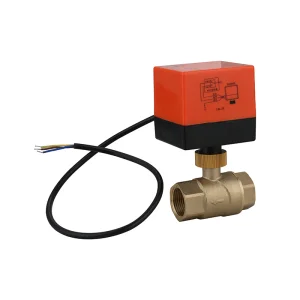
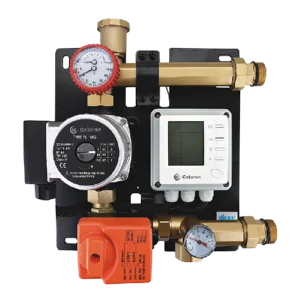
Integrates with building control systems to automatically adjust hydronic loops and stabilize indoor environments.
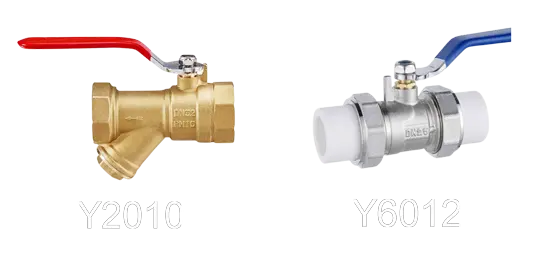
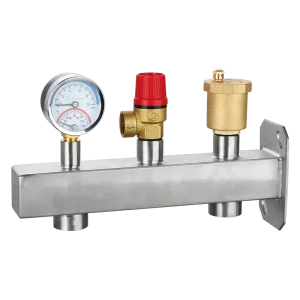
Filters debris and impurities, measures temperature/pressure variations, and controls manifold flow loops.
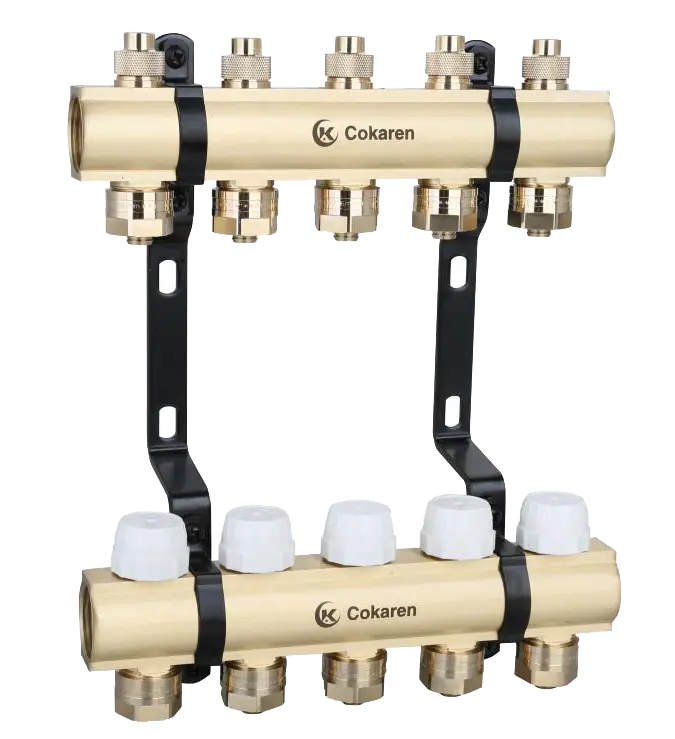
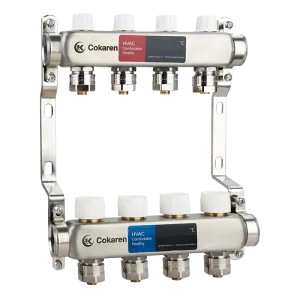
Distributes primary heating and cooling water flows to various zoning loops, providing a compact footprint, easy balancing, and robust block isolation capabilities for system maintenance.
Yuhuan Yongda Fluid Control operates under strict international quality guidelines to align with environmental and safety demands globally. Our manufacturing centers maintain the following management system certifications:
Additionally, our underfloor heating manifolds and high-pressure brass valves carry standard CE Certification, certifying their compliance with European Union safety, health, and environmental standards.
As building systems evolve toward smart automation and low carbon footprints, we are updating our valve designs to support IoT control loops. Our product development roadmap focuses on:
Expert Answers to Common System Design, Installation, and Sourcing Questions
Engineered For Demanding Industrial Applications And Domestic Plumbing Infrastructure