 Yongda
Yongda
Yongda
Engineered for extreme performance and certified quality. Explore our premier selection of brass connections, actuators, and thermal control regulators.
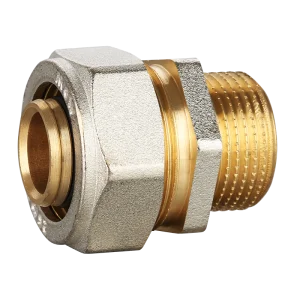
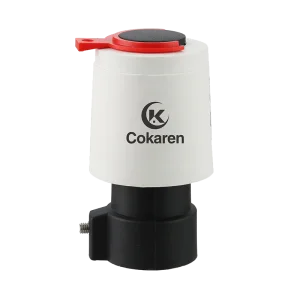
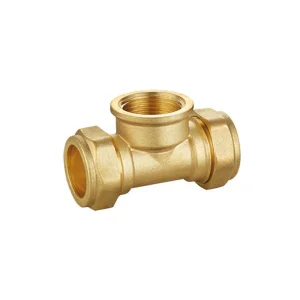
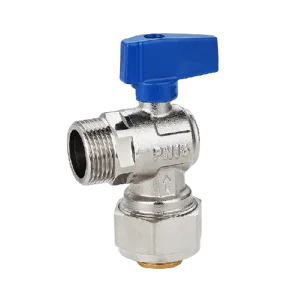
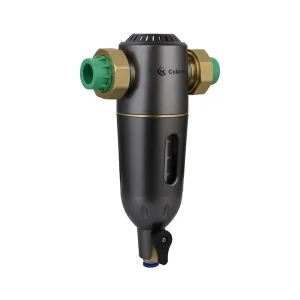
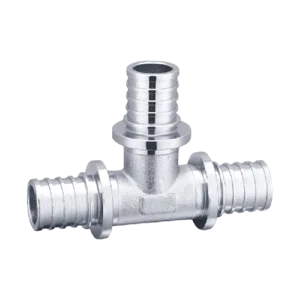
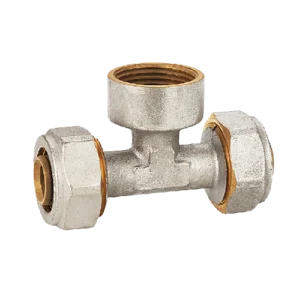
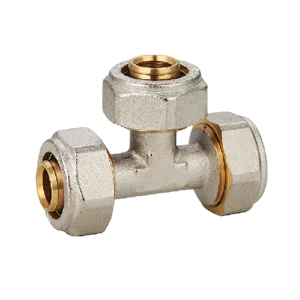
The role of port ball components and flow-control assemblies has shifted from simple mechanical switches to integrated components in complex fluid management networks. In commercial HVAC operations, modern boiler environments, and residential radiant distribution systems, the demand for minimal head loss, high pressure tolerance (PN25 and above), and precise cavitation suppression has driven the adoption of highly calibrated port designs.
Whether implementing a reduced port configuration to accelerate velocity or deploying full-port designs to ensure unrestricted flow dynamics with negligible turbulence, precision manufacturing is critical. Leading system designers specify brass alloys with high thermal resistance and structural integrity. Selecting premium components prevents costly failures in critical systems, protecting investments and ensuring continuous operation.
Under global regulatory pressures such as the EU's Energy Performance of Buildings Directive (EPBD) and North America's transition toward net-zero building codes, mechanical systems require highly efficient valves. Our high-precision port configurations and electronic thermal actuators contribute directly to reducing system energy consumption by minimizing pumping losses and avoiding thermal overshoot.
Procurement teams managing multi-national HVAC and industrial flow projects face strict material compliance standards. The presence of lead and other heavy metals in potable water systems is heavily regulated. Modern compliance calls for CW617n, DZR (Dezincification Resistant), or lead-free brass formulations to satisfy standards such as NSF/ANSI 61, RoHS, and CE certifications.
In addition to material safety, consistency in thread dimensioning (ISO 228-1 / NPT) and shell density prevents premature stress corrosion cracking. Choosing components manufactured under certified ISO quality management frameworks protects supply chains from product failures, liability exposure, and unscheduled maintenance costs.
For years, the Yuhuan industrial cluster in Zhejiang, China—popularly known as the "China Valve Capital"—has served as a primary global hub for fluid control exports. By combining geographic proximity to raw materials with automated machining setups, factories here maintain a strong competitive position.
Leading manufacturers have integrated Factory 4.0 practices, including automated brass hot forging presses, multi-axis CNC machining, and computer-controlled pneumatic/hydrostatic seal testing lines. This level of automation reduces the risk of human error during assembly, ensuring that every batch of port valves, manifolds, and compression connections delivers consistent tolerance control and reliable sealing performance.
Our fluid control designs are built to operate reliably across a wide range of residential, commercial, and industrial applications.
Accurate balancing of manifold systems, thermal actuators, and zoning controls ensures uniform heat distribution and optimized boiler fuel consumption.
Designed for water supply temperatures reaching 95°C and pressures up to 16 Bar, preventing cavitation and thermal fatigue in heavy-duty cycles.
Integrated filters protect sensitive downstream controls, thermostatic mixing valves, and metering units from abrasive sediment and pipeline debris.
A look at how water filtration, boiler interfaces, mixing shunts, venting, and manifolds coordinate to regulate thermal environments.

Each component plays a specific role in maintaining pressure, protecting the system, and ensuring clean, stable fluid delivery:
Acts as the first line of defense for domestic supply, capturing up to 98% of circulating particulates.
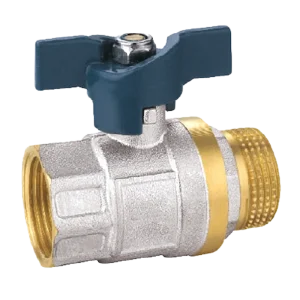
Controls hot and cold inlet/outlet flows using a high-precision spherical spool design.
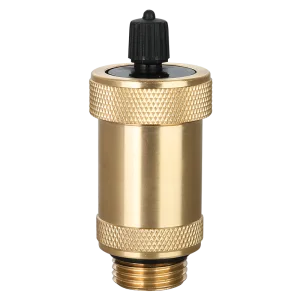
Continuously evacuates entrapped air bubbles from air-source water heating setups, preventing dry firing.
Controls flow blending to deliver stable supply temperatures and protect radiant pipe circuits.
Provides centralized temperature regulation by interfacing directly with manifold zones.
Combines isolation, bypass filtration, and instrumentation ports within a single body.
Distributes system fluid to individual floor circuits, allowing fine-tuned hydronic balancing.
Answers to common engineering and procurement questions regarding port ball design, material selection, and system installation.
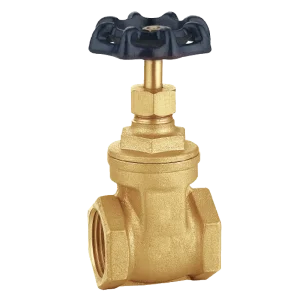
Explore our selection of specialized gate valves, nickel-plated configurations, air release systems, and high-durability check components.