 Yongda
Yongda
Yongda
Deploying robust mechanical foundations: high-density brass valves and engineering-grade component distributions designed for system integrations requiring structural durability under varying pressures.
In modern manufacturing ecosystems, the demand for precision pressure regulation is growing rapidly. A standard regulator works on simple binary thresholds. However, a proportional pressure regulator is a high-tech instrument that adjusts output pressure dynamically. It utilizes a continuous electrical signal (such as 0-10V or 4-20mA) to scale pressure matching the flow rate.
This technology is standard in complex industrial applications where sudden pressure spikes can disrupt automated assembly lines or cause fluid leakage in residential HVAC configurations. High-performance brass fluid components form the core structural body of these advanced system architectures, delivering the necessary metallurgical endurance, wear resistance, and thermal conductivity required to maintain steady systems.

Fluid pressure dynamics dictate the yield quality and resource efficiency of major global industrial systems. Below is how integrated valve control infrastructure optimizes outcomes across three macro-industry domains:
Large-scale district residential heating installations rely on fluid distribution manifolds to channel water to individual zones. Utilizing motorized and proportional mixing valve systems allows HVAC networks to optimize circulation rates. This limits heat loss and decreases boiler cycles, helping users manage energy costs.
Micro-particle filtration demands consistent pressure profiles to prevent membrane ruptures. Smart valve manifolds control filter inputs dynamically to isolate contaminants. They automatically balance flow paths as filters collect sediment, which extends the operational life of the filtration system.
From pneumatic clamping lines to heavy industrial machinery, maintaining pressure levels ensures smooth equipment operation. Our brass hardware acts as the physical foundation for OEM pneumatic arrays, supporting reliable, leak-free performance and minimizing downtime.
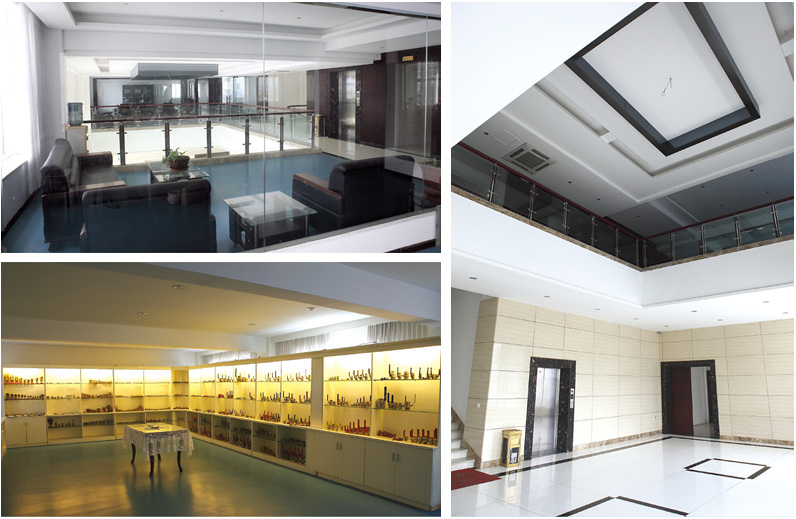
Established in 1996 in Yuhuan, Zhejiang—known as the "China valve capital"—Yuhuan Yongda Fluid Control Co., Ltd. (formerly Yuhuan Yongda Plumbing Co., Ltd.) has developed into a leading global manufacturer of brass valves, custom fittings, and integrated HVAC components.
With a state-of-the-art production footprint spanning a 45,000 square meter factory site (expanding to over 80,000 square meters of total usable area), we operate over 600 advanced manufacturing and testing units. This facility includes 80+ specialized CNC machining hubs that maintain precise dimensional tolerances for every component we build.
Our consumer-facing brand, Cokaren, represents our commitment to refined product aesthetics and engineering quality. Cokaren's core promise, "Keep flowing, keep warming," highlights our focus on providing durable, energy-efficient solutions for modern homes and commercial buildings.
Our custom-engineered brass distribution platforms manage liquid volume, pressure variations, and system safety across domestic and light commercial environments.

Acts as the first line of defense in domestic water sanitation, filtering 98% of particulate impurities from incoming supply lines to keep downstream valves clear.
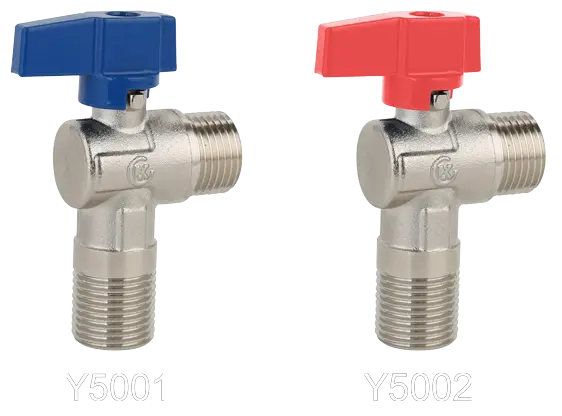
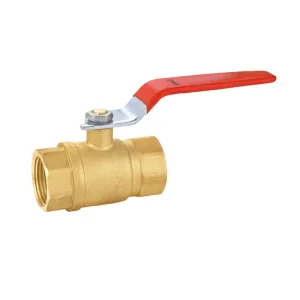
Controls water entry and egress in boilers with a spherical spool configuration, preventing pressure backflow and maintaining safe operation.
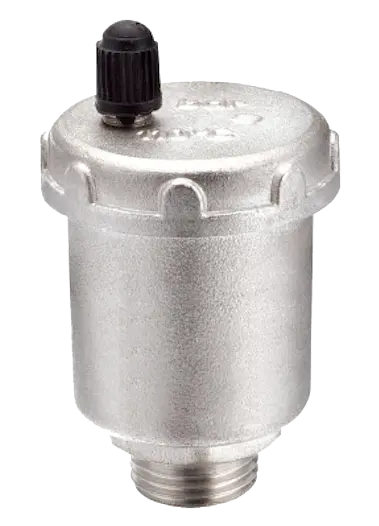
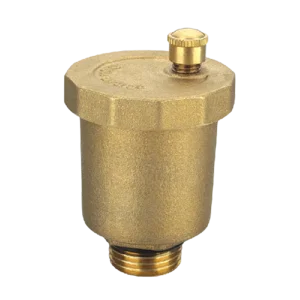
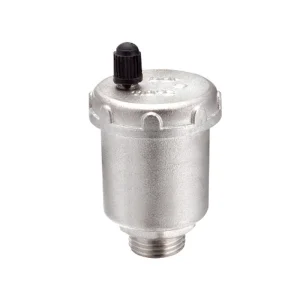
Expels trapped air bubbles from air-source water heating setups, preventing pump cavitation and ensuring heat transfer efficiency.
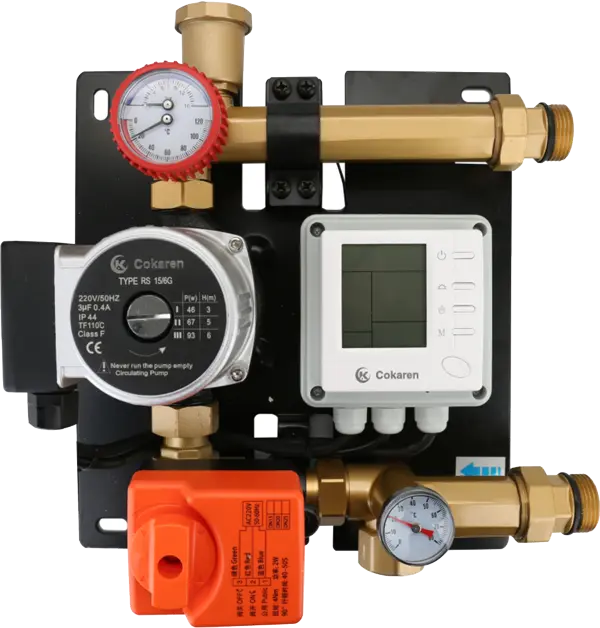
Mixes supply and return water flows to stabilize fluid temperatures, protecting underfloor pipes from excessive thermal stress.
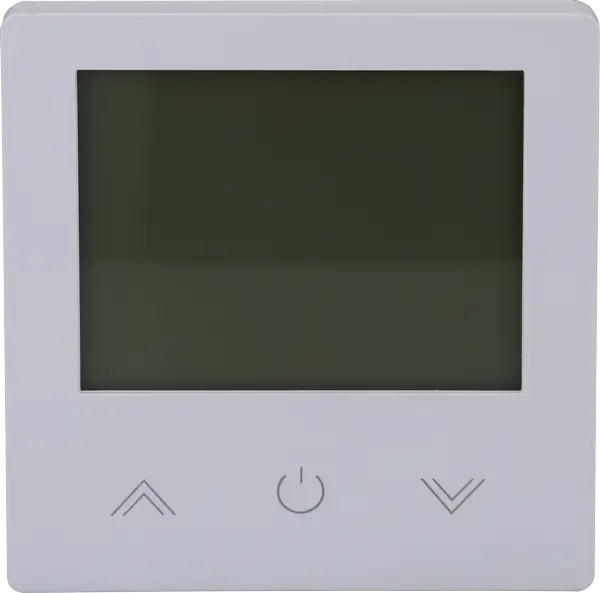
Acts as the control center, integrating actuators and temperature sensors to adjust indoor heating zones dynamically.
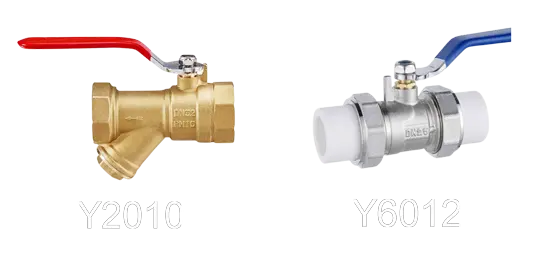
Combines multi-stage filtering, isolation, air venting, and diagnostic pressure/temperature monitoring ports into a single unit.
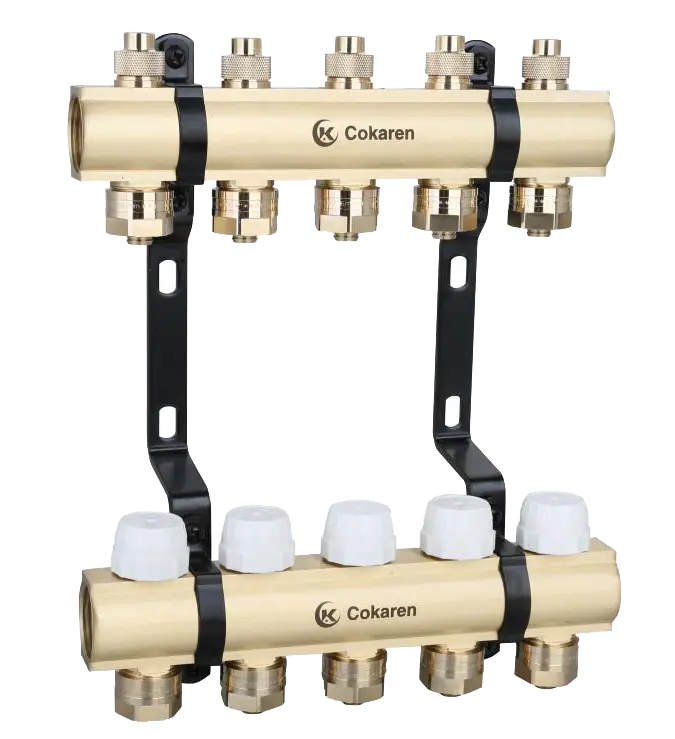
Splits incoming hydronic flows into multiple circuits with independent balancing meters for balanced heating profiles.
Designed for demanding water infrastructure, plumbing networks, and heating configurations, these configurations offer consistent performance and reliability across varied temperatures.
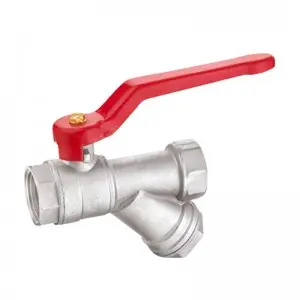
Integrates fluid shutoff and inline particle filtration into one compact forged brass body, simplifying system design and reducing pipe joints.
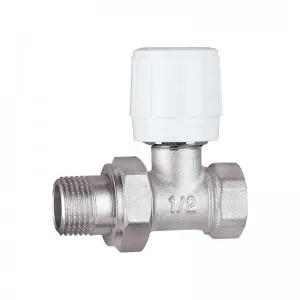
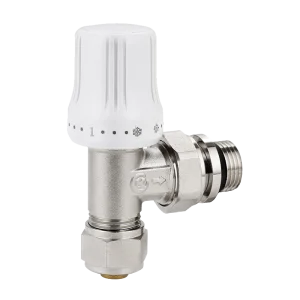
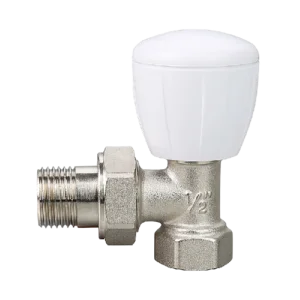
Provides precise mechanical temperature management for individual radiators, keeping hydronic systems running efficiently without external power supply.
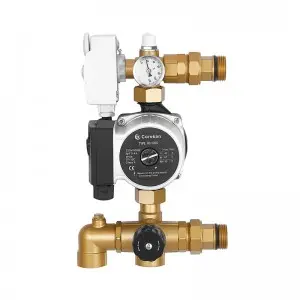
A pre-assembled bypass system designed to protect floor pipe installations by automatically blending hot supply water with cooler return water.
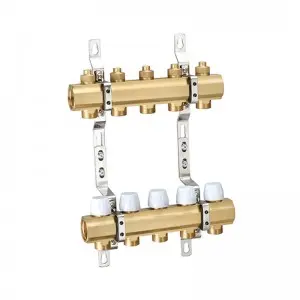
Machined from heavy brass extrusion profiles to ensure uniform wall thickness, supporting precise balancing valves across underfloor networks.
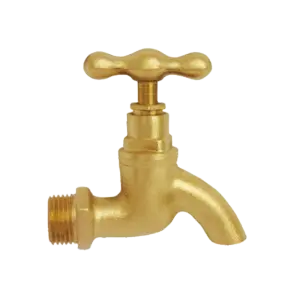
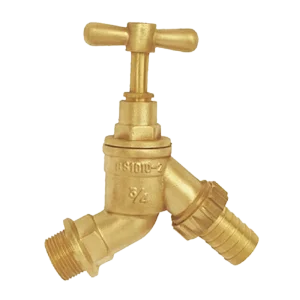
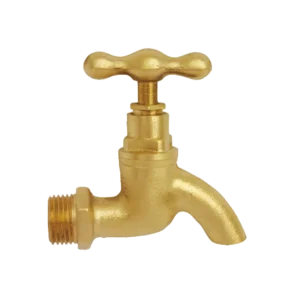
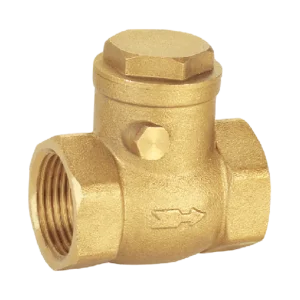
Designed to withstand outdoor weathering, mechanical wear, and repeated cycling while providing smooth flow and secure shutoffs.
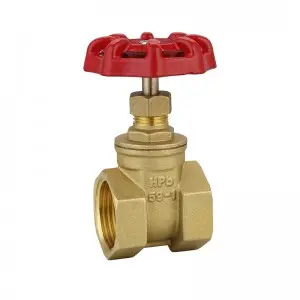
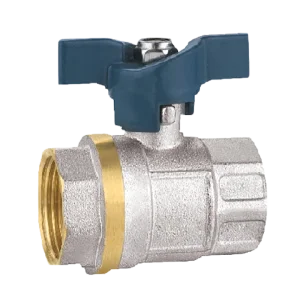
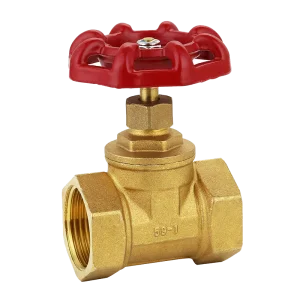
Designed for full-flow piping applications, offering low flow resistance when open and reliable, drip-tight sealing when closed.
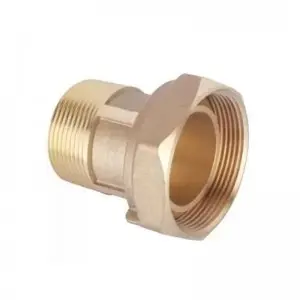
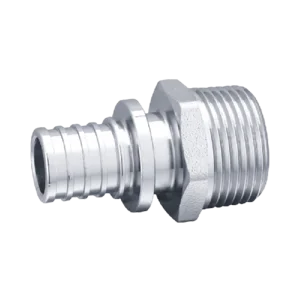
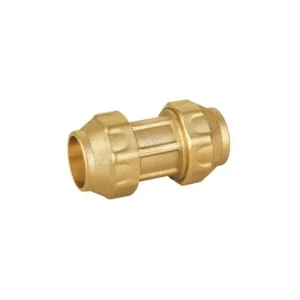
Corrosion-resistant connectors that withstand mechanical alignment stress and temperature fluctuations near utility entry zones.
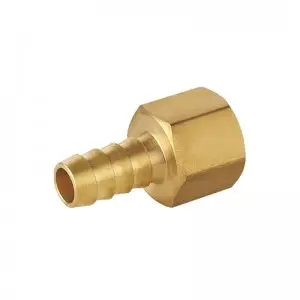
Threaded components configured to American connection standards, ensuring reliable, leak-free seals in fluid conveyance setups.
The international supply chain for fluid controls is experiencing changing regulatory standards, particularly regarding materials and ecological impacts. Markets in North America and Western Europe enforce strict guidelines on lead content in potable water systems, accelerating the industry shift toward lead-free brass alloys.
Industrial builders are actively seeking partners capable of managing design validation (OEM/ODM) alongside large-scale volume production. By combining advanced casting and CNC machining under one roof, we help customers reduce production lead times, guarantee material traceabilities, and maintain reliable structural performance across global distribution networks.
Our manufacturing processes follow strict quality protocols, ensuring that every valve and fitting meets demanding international specifications. Yuhuan Yongda maintains certified compliance across several key operating frameworks:
Our core quality policy, "Fine work, no leakage," ensures that 100% of finished products undergo pneumatic or hydraulic pressure testing before packaging.

The fluid dynamics sector is transitioning from static mechanical regulators toward digital pressure management. We are actively directing development efforts into three major areas:
Integrating pressure transducers, digital flow meters, and wireless modules directly into the manifold body allows real-time diagnostics and remote system balancing.
Refining our lead-free brass formulations to exceed North American NSF/ANSI 61 and European drinking water standards, ensuring safe residential supply lines.
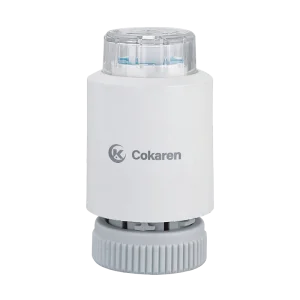
Developing integrated motorized actuators with fast-response microprocessors to deliver precise mixing and dynamic flow adjustments in modern smart homes.
Expert answers to technical, commercial, and operational questions regarding proportional regulation and brass valve manufacturing.
A standard safety relief valve operates on a binary on/off mechanism, opening only when a set pressure threshold is exceeded. In contrast, a proportional pressure regulator continuously adjusts internal flow orifices via an electronic control signal, maintaining stable output pressure despite fluctuations in inlet pressure or flow rates.
Forging compresses the metal grain structure, eliminating internal gas pockets and voids that commonly occur during casting. This results in superior mechanical strength, higher pressure ratings, and improved resistance to stress-corrosion cracking over long periods of service.
We manufacture plumbing valves using specialized lead-free brass alloys (such as C27450 or CW724R), which limit lead migration in water lines. These products comply with regional specifications, including NSF/ANSI 61 and EU drinking water standards.
Air bubbles in a closed hydronic system can block flow paths, cause pump cavitation, and increase internal pipe oxidation. Automatic venting valves use a float mechanism to automatically release these gases without requiring manual system purging.
Every valve undergoes automated hydrostatic or pneumatic bubble testing to verify shell and seat tightness. In addition, our QA labs carry out fatigue life cycle testing, dimensional audits via coordinate measuring machines, and raw material spectral analysis on every batch.
Examine our second portfolio selection featuring certified water control solutions, security relief mechanisms, and PE pipe coupling adapters.