 Yongda
Yongda
Yongda
Explore our foundational range of brass valves, smart controllers, and precision components designed for high-end HVAC and industrial distribution loops.
How technical advancements, low-lead metrics, and compliance drive modern procurement.
Modern industrial distribution systems require components designed to perform under fluctuating stress profiles with zero tolerance for failure. Swing check valves play a pivotal role in these infrastructures, providing automated, unidirectional flow control that blocks system backflow. Today’s international buyers no longer make selections based solely on purchase price. Modern specifications emphasize material durability, hydraulic balance, and compliance with stringent environmental standards such as NSF/ANSI 61, DZR (Dezincification Resistant) specifications, and European EN 12165 requirements.
Transitioning from standard red brass to high-purity Lead-Free Brass and DZR copper alloys ensures chemical safety in drinking water systems while resisting dezincification in harsh water chemistry conditions.
Advanced CAD modeling of swing disks reduces turbulence and drops overall fluid pressure resistance, yielding significant operational energy savings in closed-loop HVAC systems.
Integrating check valves with IoT sensors allows real-time monitoring of disk position, flow indicators, and potential mechanical scaling, reducing unplanned downtime.
In addition to performance metrics, globalization has forced procurement pipelines to prioritize supplier agility. Whether supplying public works in North America or heating grids across the European Union, designers need suppliers capable of offering verified test certificates and clear, multi-tiered volume pricing structures. This convergence of quality parameters, strict metallurgical analysis, and quick supply turnaround drives the current market landscape for industrial valve quotes.
Selecting the right manufacturing partner requires evaluating parameters beyond the raw unit cost. Project engineers must calculate the Total Cost of Ownership (TCO), which includes shipping costs, valve performance drop metrics, valve longevity, maintenance requirements, and potential system failures. For instance, selecting an inferior grade brass check valve without proper DZR treatment in an industrial environment can result in early component failure and costly fluid leaks.
Use the following matrix to evaluate supplier quotes during procurement rounds:
| Evaluation Parameter | Technical Baseline Requirement | Impact on Long-Term TCO | How to Verify Supplier Quotes |
|---|---|---|---|
| Metallurgical Purity | Lead-Free Brass / ASTM B584 / CW617N Standard | Prevents corrosion and complies with environmental health mandates. | Request material test reports (MTRs) and spectrographic analysis documents. |
| Cracking Pressure Performance | 0.01 to 0.05 Bar (Adjustable based on configuration) | Ensures immediate opening with minimal flow resistance. | Review manufacturer flow test diagrams (differential pressure vs. flow rate). |
| Quality Control Protocol | 100% pneumatic & hydrostatic leak testing | Reduces onsite installation failures and subsequent warranty claims. | Confirm ISO 9001:2015 process checks and QC checklists. |
| Connection Profiles | ISO 228 (G Threads), NPT conforming, or compression formats | Guarantees compatibility with existing pipe threads without cross-threading. | Provide detailed thread specifications on purchase order drafts. |
Delivering high-end environmental plumbing systems, brass valves, and custom HVAC solutions since 1996.
Originally established in 1996 as Yuhuan Yongda Plumbing Co., Ltd., Yuhuan Yongda Fluid Control Co., Ltd. has grown to become a cornerstone manufacturer in the "China Valve Capital" – Yuhuan, Zhejiang. The company integrates structural design, research and development, modern production lines, and domestic/international sales. The production lines span three primary categories: brass valves, precision pipe fittings, and high-performance HVAC systems.
Yongda maintains a sprawling production footprint. The facility covers a factory floor area exceeding 45,000 square meters, yielding an actual usable working area of 80,000 square meters. By using over 600 sets of advanced machinery and testing apparatuses—including 80 specialized multi-axis machine tool arrays—Yongda delivers reliable plumbing components customized to unique buyer specifications. The products target middle-to-high-end projects, emphasizing environmentally friendly metallurgy favored by engineering networks in North America, Western Europe, and across the globe.

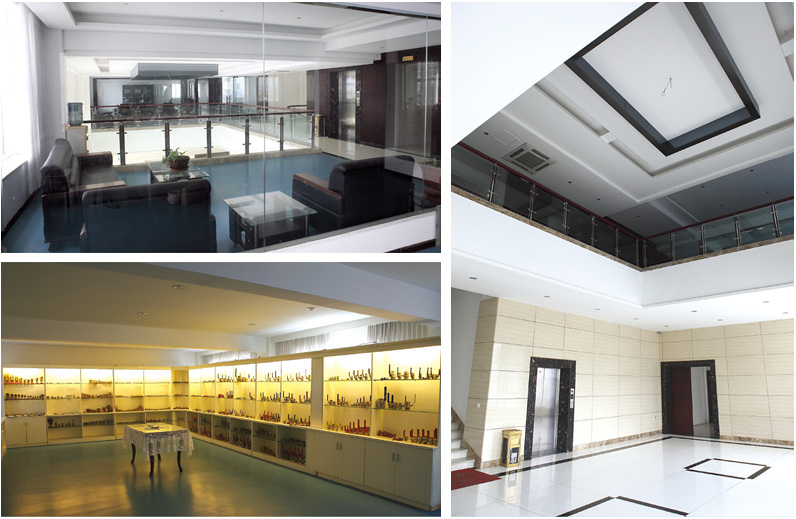
Cokaren represents Yongda's premium brand division, focused on developing advanced products with clean aesthetics and exceptional structural tolerances. Cokaren is built to help project managers and residential developers source reliable components for clean water distribution and underfloor heating loops.
The core promise of the brand—"keep flowing, keep warming"—reflects the division's design philosophy. Through dynamic growth, modernized manufacturing processes, and a customer-centric focus, Cokaren works to bring safety and thermal comfort to properties around the globe.
Combining automated hot forging, high-precision machining, and rigorous testing protocols.
Yongda's production model is built on automated manufacturing and strict quality control. Operating in Yuhuan, the hub of global brass valve manufacturing, Yongda leverages local industrial networks to maintain competitive pricing, secure raw materials quickly, and scale production rapidly.
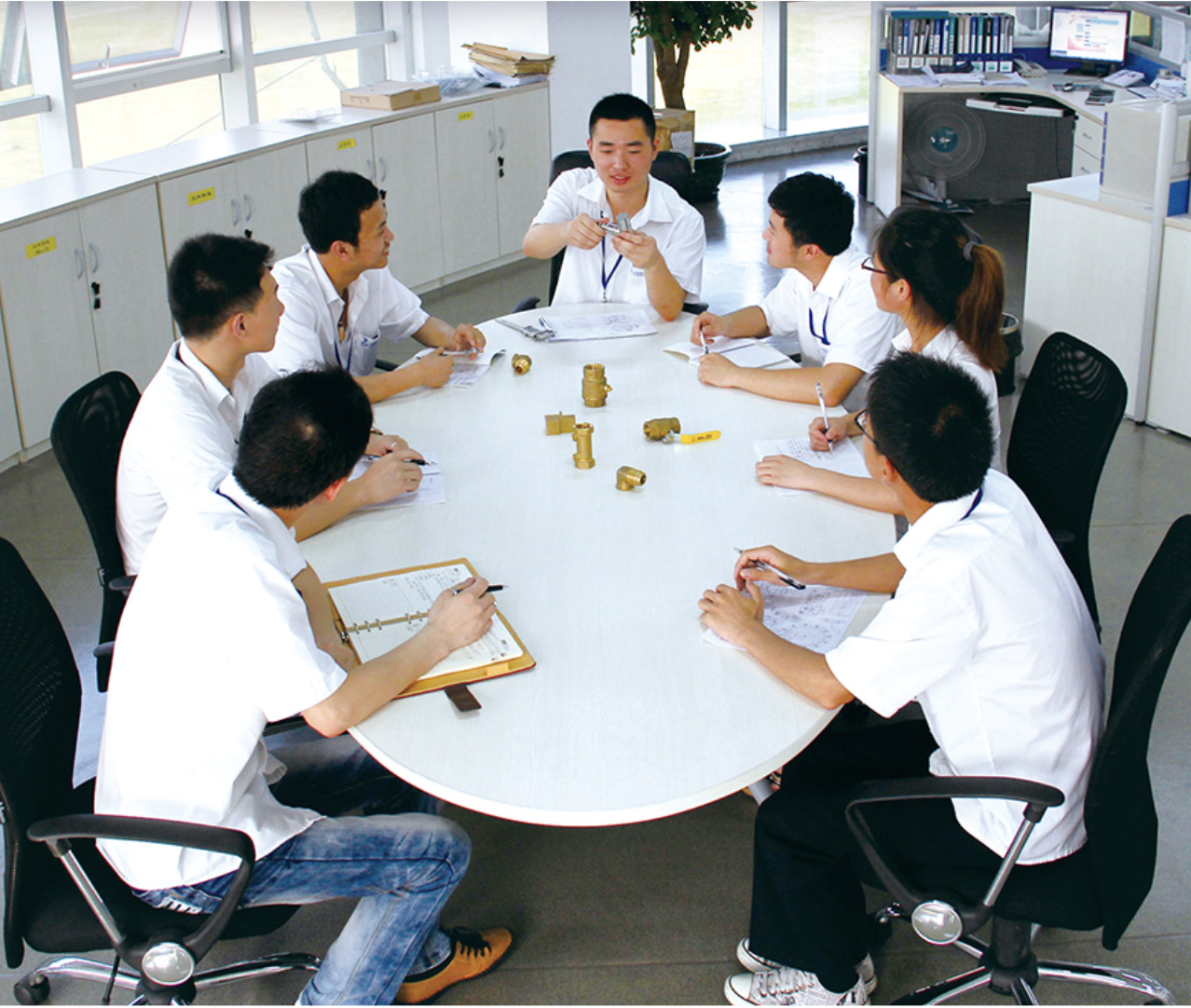
Using multi-axis CNC machines and automated hot-forging presses, Yongda holds body dimensions to tight tolerances. This precision ensures uniform wall thickness and thread accuracy, preventing installation leaks and structural failures under high pressure.
Yongda's quality control system is certified to ISO 9001:2015, ISO 14001:2015, and ISO 45001:2018. Every batch undergoes spectrographic metallurgical checks, stress-corrosion tests, and air-under-water seal testing. This strict process ensures reliable valves with no leaks and long-term durability.

High-efficiency components configured for underfloor heating, HVAC manifolds, and domestic water filtration loops.

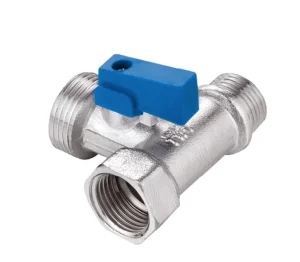
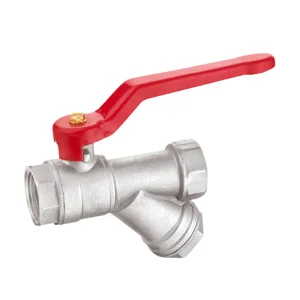
The first line of defense in domestic water sanitation, filtering 98% of sediment and physical impurities in incoming pipes.
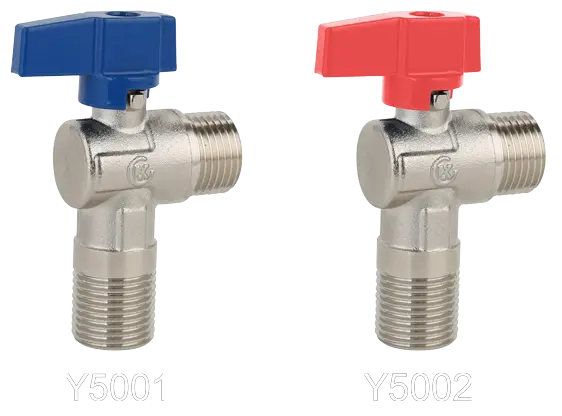
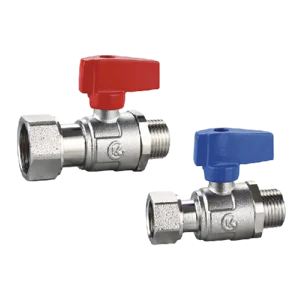
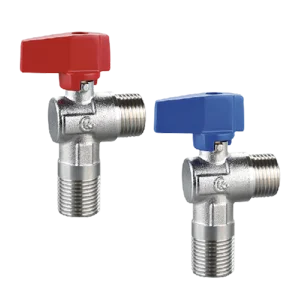
Controls flow rates in boiler water systems, using a polished spherical brass spool for easy operation and leak protection.
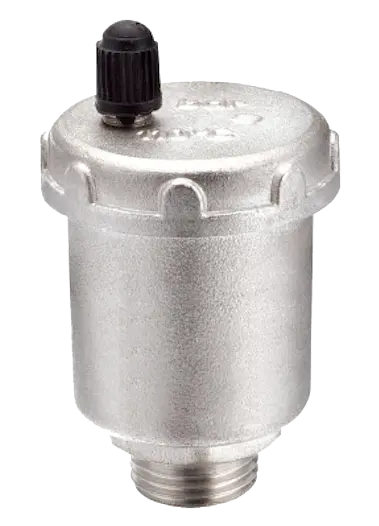
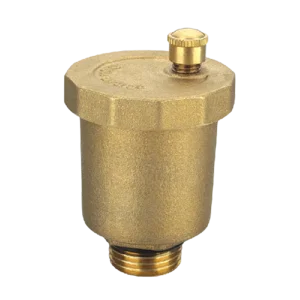
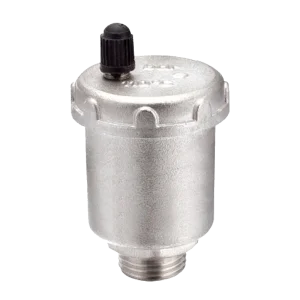
Discharges trapped air pockets in water heater networks, stabilizing flow rates and protecting system components.
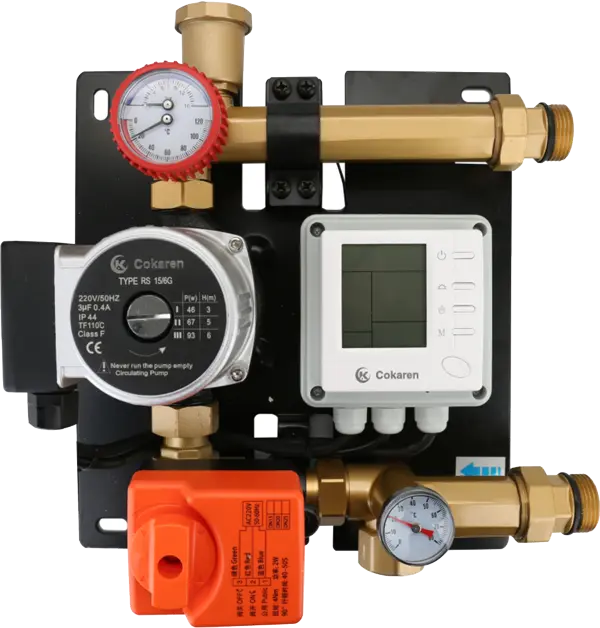
Mixes hot supply water with cooler return lines, stabilizing overall system temperatures to protect plastic piping from heat damage.
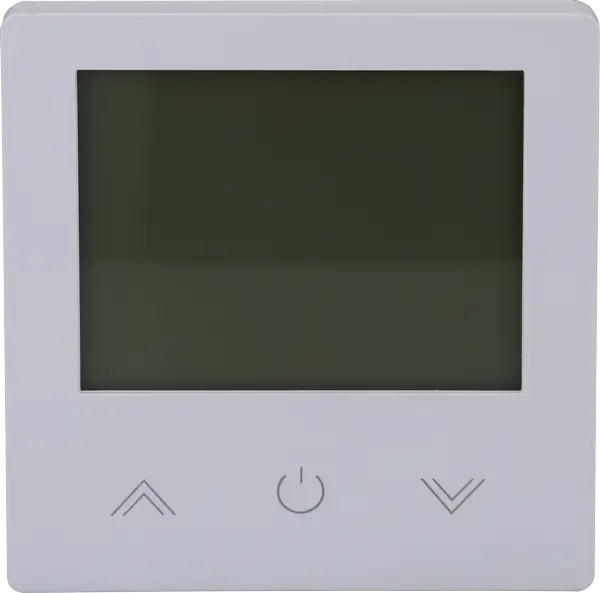
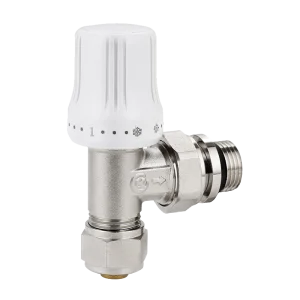
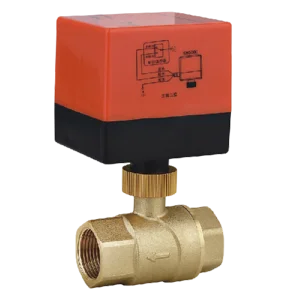
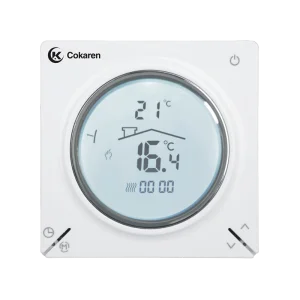
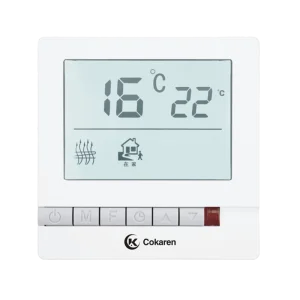
Integrates with heating systems and manifold valves to provide precise, automated room temperature control.
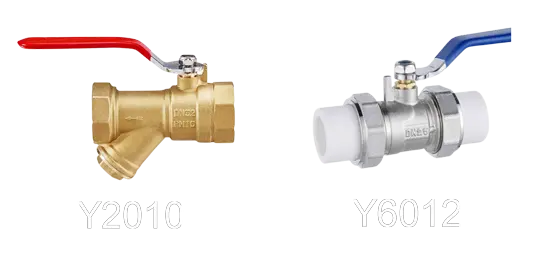
Removes line impurities and vents trapped air while monitoring pressure and temperature across manifold loops.
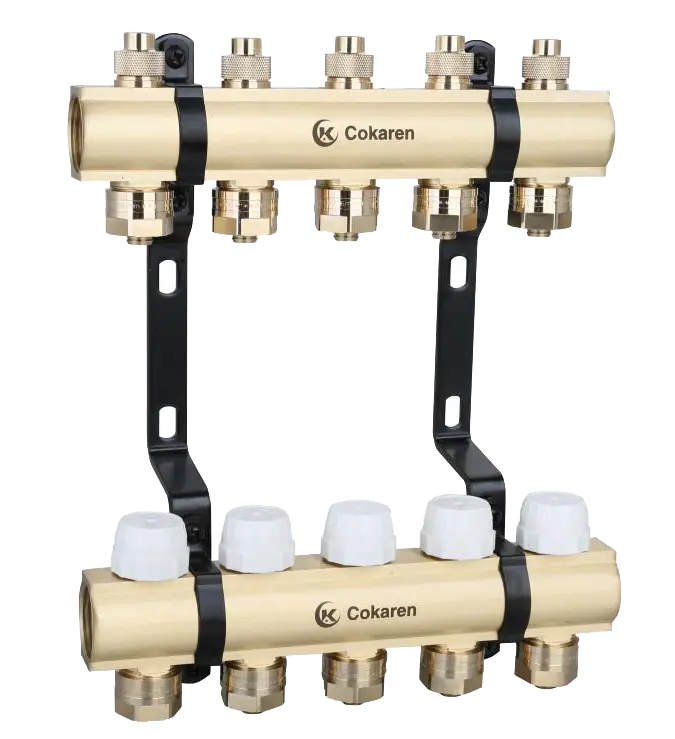
Distributes heating water across multiple zones, balancing temperatures and flow rates throughout the building.
A technical comparison to help engineers choose the right valve for specific flow applications.
Selecting the incorrect check valve design can cause structural vibration, backflow, or rapid wear of the internal seals. Below, we compare traditional swing check valves with spring-loaded inline piston valves:
| Technical Criterion | Swing Check Valves (Hinged Disc) | Spring-Loaded Check Valves (In-line Piston) |
|---|---|---|
| Operating Principle | A free-swinging disc rotates on a hinge pin. It opens under fluid pressure and closes when flow drops or reverses. | A spring-assisted piston or disc moves along the centerline of the valve, sealing shut immediately when pressure drops. |
| Pressure Drop (Delta-P) | Very Low. The clear, full-port design offers minimal flow resistance. | Moderate. The internal spring and guide structure create higher resistance in the flow path. |
| Installation Orientation | Mainly horizontal lines. Can be installed vertically for upward flow, but not downward. | Versatile. Can be mounted in any orientation (horizontal, vertical up, or vertical down). |
| Water Hammer Resistance | Moderate. Rapid flow reversal can cause the disc to slam shut, creating pressure spikes. | High. The spring actively closes the valve before flow reverses, preventing water hammer. |
| Media Suitability | Handles clean fluids and liquids containing small suspended solids. | Best for clean, debris-free water systems to prevent spring fouling. |
Where swing check valves and heating controllers are deployed for maximum efficiency.
Installed at pump outlets to prevent water column reversal when pumps stop, protecting lower-level piping from high backpressure.
Combined with mixing shunts and brass manifolds to manage water flow across multi-zone commercial spaces without thermal crossover.
Positioned behind pre-filtration screens to maintain system prime and prevent chemical backflow into public water systems.
Technical answers to help buyers evaluate check valves and secure accurate quotes.
Explore our certified brass valves, fittings, and thermal distribution components for industrial and residential applications.