 Yongda
Yongda
Yongda
Explore our core collection of high-performance HVAC components, valves, and precision engineered system fittings engineered to deliver maximum longevity and reliability.
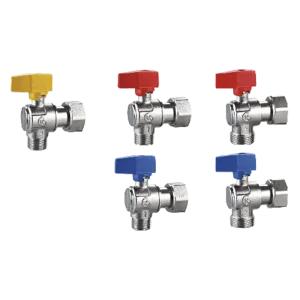
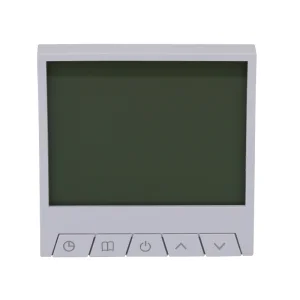
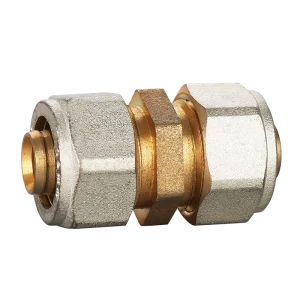
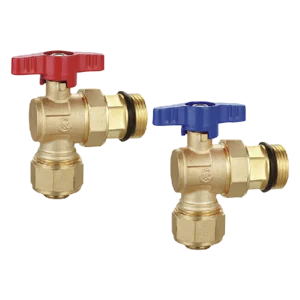
The Ultimate Engineering Guide to V-Port Ball Valves for Industrial Flow Modulation and Control.
In modern process industries, the requirement for precise, reliable, and highly responsive flow control is paramount. A Vee Ball Valve (commonly referred to as a V-port ball valve) represents a sophisticated evolution of the traditional floating ball valve. By cutting a customized "V"-shaped notch—typically in angles of 15°, 30°, 45°, 60°, or 90°—into the ball trim, engineers gain the ability to accurately modulate flow rates rather than simply shutting them off. This geometry creates a highly predictable, equal-percentage flow characteristic, which is the gold standard for automated control systems.
Unlike standard full-port valves that experience rapid changes in flow rate during the first and last increments of opening, the V-port design allows for a linear increase in the flow area. This makes it an exceptional choice for media containing fibers, slurries, or high-viscosity materials. The sharp edge of the V-notch acts as a mechanical shear against the seat, cutting cleanly through media that would otherwise clog or jam standard valves. As process complexities scale globally, partnering with a qualified manufacturer capable of delivering custom-tailored Vee ball valves becomes a core competitive advantage for infrastructure, paper mills, wastewater treatment, and chemical plants.
Provides exceptional modulation control. Small changes in valve position yield proportional changes in flow volume, avoiding process oscillation.
The geometric edge of the V-notch shears through suspended solids, paper pulp, and viscous fibers for bubble-tight shutoff.
Offers control ratios up to 300:1, exceeding standard globe control valves while minimizing pressure drops across the pipeline.
How digital manufacturing, smart materials, and environmental mandates are shaping the next generation of control valves.
The valve industry is undergoing a digital and metallurgical revolution. Historically, V-port ball valves relied heavily on elastomer seats that suffered degradation under aggressive chemical exposure or elevated temperatures. The industry's technical roadmap points decisively toward metal-to-metal seating technologies coated with advanced surface treatments such as High-Velocity Oxygen Fuel (HVOF) sprayed Stellite, Chrome Carbide, or Tungsten Carbide.
Key future vectors include:
To combat cavitation, high velocity, and corrosive slurry wear, our research and engineering processes focus on thermal spray techniques that enhance surface hardness up to 70 HRC.
A professional pricing guide based on sizing, pressure ratings, and material specs. Sourced directly from industrial manufacturing data.
Understanding the price structure of industrial valves is vital for strategic budgeting and engineering procurement. The cost of a V-port ball valve is determined by several core factors: body material (CF8M Stainless Steel vs. WCB Carbon Steel vs. specialized Brass/Bronze alloys), pressure ratings (Class 150 to Class 600, or PN16 to PN63), seat material (TFM/PTFE vs. Hard Metal Seats), and the level of testing required (e.g., API 598 testing, fire-safe testing to API 607). Below is a baseline pricing framework representing factory-direct pricing for reference.
| Nominal Size (Inches / DN) | Body Material | Pressure Rating | Seat Type | Est. Price Range (USD) | Primary Industrial Use Case |
|---|---|---|---|---|---|
| 1/2" (DN15) | CF8M Stainless Steel | Class 150 / PN16 | TFM 1600 (Soft Seat) | $180 - $290 | Chemical dosing lines, pilot plants |
| 1" (DN25) | Carbon Steel (WCB) | Class 300 / PN40 | PTFE / R-PTFE | $240 - $380 | Industrial steam lines, HVAC loops |
| 2" (DN50) | Stainless Steel (CF8M) | Class 150 / PN16 | Metal-to-Metal (Stellite) | $650 - $950 | Fibrous pulp suspension control |
| 3" (DN80) | Carbon Steel (WCB) | Class 300 / PN40 | TFM 1600 | $850 - $1,200 | District heating systems, cooling towers |
| 4" (DN100) | CF8M Stainless Steel | Class 150 / PN16 | Metal-to-Metal (Stellite) | $1,400 - $2,100 | Petrochemical waste treatment, refineries |
| 6" (DN150) | Carbon Steel (WCB) | Class 150 / PN16 | R-PTFE (Reinforced) | $2,200 - $3,400 | Municipal water processing plants |
| 8" (DN200) | CF8M Stainless Steel | Class 300 / PN40 | Hardened Metal Seat | $4,800 - $7,200 | Power plant cooling loops & slurry feeds |
*Note: The prices listed above serve as industry estimates. Accurate project RFQ quotes depend on actuation specs (pneumatic vs. electric vs. electro-hydraulic), specific positioners (e.g., Hart, Profibus), and dynamic raw material market values.
Adapting precision control components to withstand the rigorous demands of global heavy industry.
In pulp processing, the media contains heavy concentrations of cellulose fibers which can quickly build up, causing standard valves to seize. V-port ball valves cut through these fibers like shears, ensuring clean, continuous flow control during cooking, bleaching, and stock preparation stages.
Handling corrosive acids, alkalines, and active chemical solutions requires body materials like Duplex Stainless Steel or Titanium. Our precision-engineered Vee Ball valves offer the tight tolerance and chemical resistance needed to keep plant operators safe and processes stable.
With modern buildings requiring optimized hydronic balance to conserve energy, V-port valves are commonly deployed in heat exchangers and primary water chillers. They deliver stable, linear temperature control under variable flow demand profiles, optimizing HVAC system efficiency.
Suspended grit, biological sludge, and chemical precipitates present severe erosive hazards. Hardened valve trims and durable seal configurations ensure long, maintenance-free operation in water treatment plants and mine tailings management loops.
Leveraging modern manufacturing hubs to ensure cost-efficiency, technical repeatability, and rapid global supply logistics.
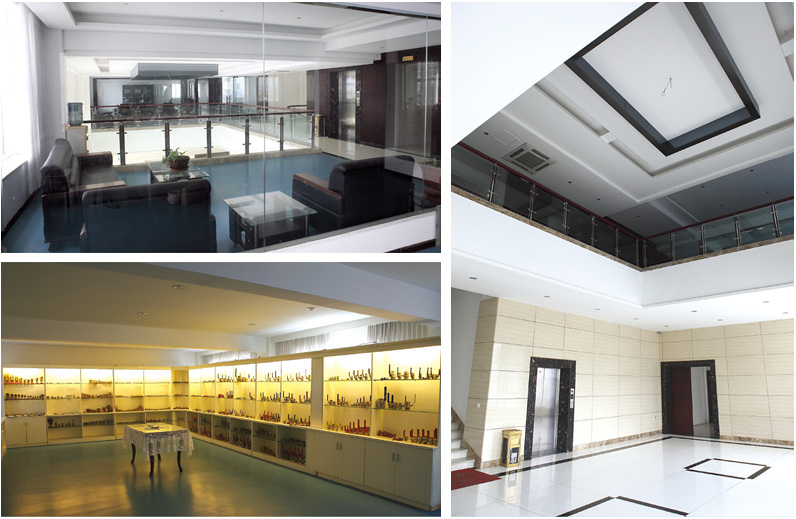
As a leading industrial manufacturer located in the "China Valve Capital" of Yuhuan, Zhejiang, Yuhuan Yongda Fluid Control Co., Ltd. (formerly Yuhuan Yongda Plumbing Co., Ltd.) has spent nearly three decades building an optimized manufacturing ecosystem. Operating a facility that spans over 45,000 square meters (with a usable footprint reaching 80,000 square meters), the integration of Factory 4.0 principles is evident in our daily operations.
Equipped with more than 600 sets of advanced production and testing hardware (including 80+ dedicated precision CNC machining tools), our production lines maintain strict geometric repeatability. This deep level of vertical integration—from raw material forging and casting chemistry verification to computerized pressure testing—guarantees that every valve departing our facility is free from internal casting defects and machining tolerances errors.

How we meet the high regulatory demands of global infrastructure and industrial engineering projects.
Our facilities are strictly certified under ISO 9001:2015 (Quality Management), ISO 14001:2015 (Environmental Integrity), and ISO 45001:2018 (Occupational Health & Safety).
We design and manufacture products complying with ASME B16.34, API 6D, CE/PED, and RoHS guidelines, catering to North American, European, and Asia-Pacific specifications.
With a presence in over 20 countries, we cooperate with regional engineering offices and distributors to offer site inspection, commissioning support, and quick component replacement.
As our newly established premium brand, Cokaren is committed to refining product aesthetics and performance parameters. Our core operating statement, "Keep flowing, keep warming," highlights our dedication to reliable fluid transmission. Whether for cold-water water utility networks, industrial steam, or advanced radiant underfloor heating manifolds, Cokaren components ensure process stability and comfort across all installations.
By blending modern production capabilities with an proactive R&D engineering approach, Cokaren continues to push the boundaries of valve performance and life-cycle value.
Reviewing the core mechanical designs and product architectures deployed in customer projects worldwide.
Comprehensive system solutions designed to facilitate fluid control, dynamic thermal balance, and energy transmission across multi-zone residential and commercial installations.

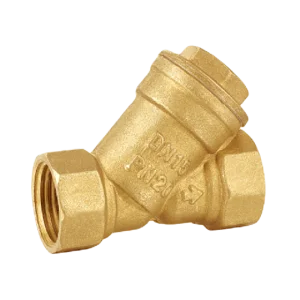
The first line of defense in domestic water sanitation, can filter 98% of impurities in the pipeline
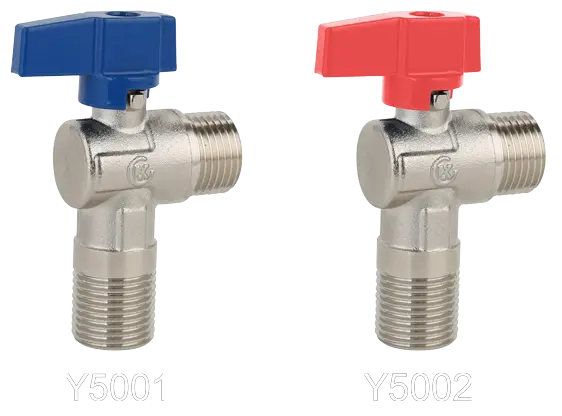
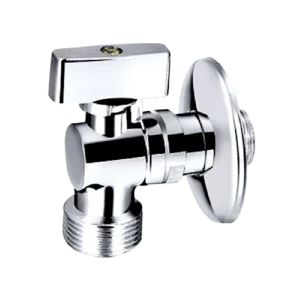
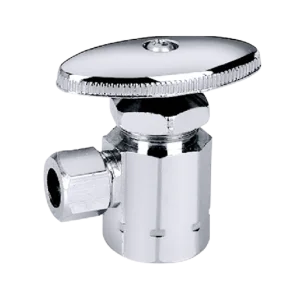
Used to control the inflow and outflow of cold water and hot water in the boiler, with Spherical spool
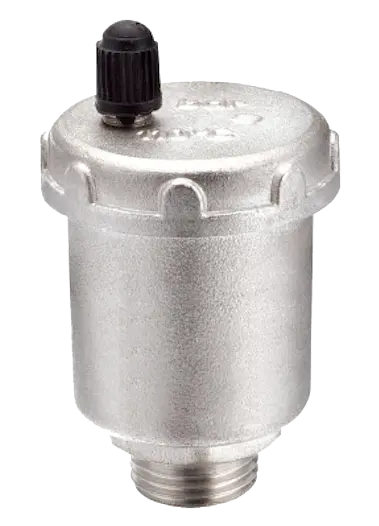
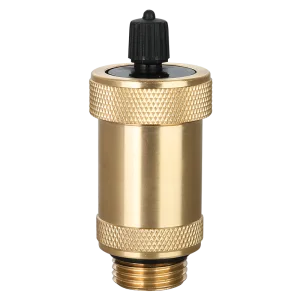
Used to discharge excess air in the air source water heater to ensure stable operation of the equipment
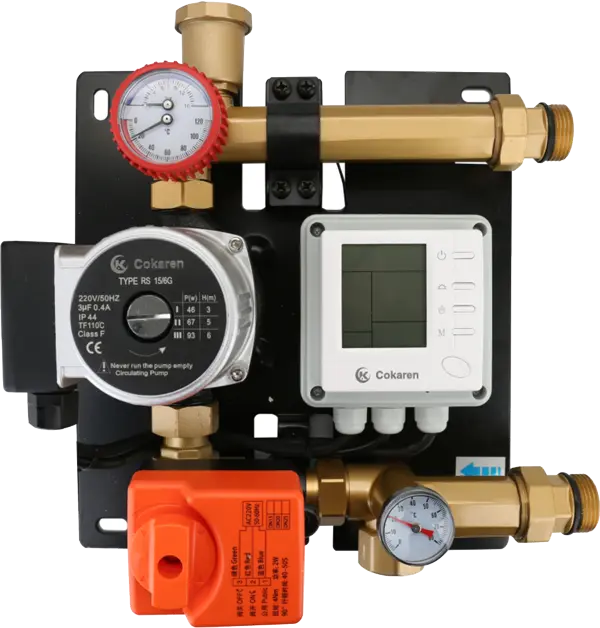
Used to mix cold and hot water in pipes, stabilizing temperature, protect pipeline
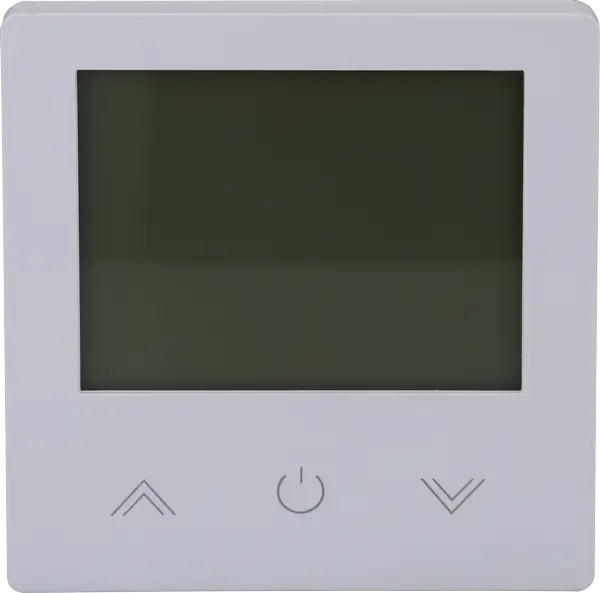
Combine all the equipment to adjust the room temperature
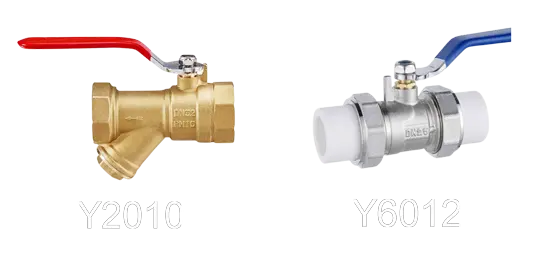
Used to filter and discharge impurities in the pipeline, control the switch of the back-end manifold, measure temperature and water pressure
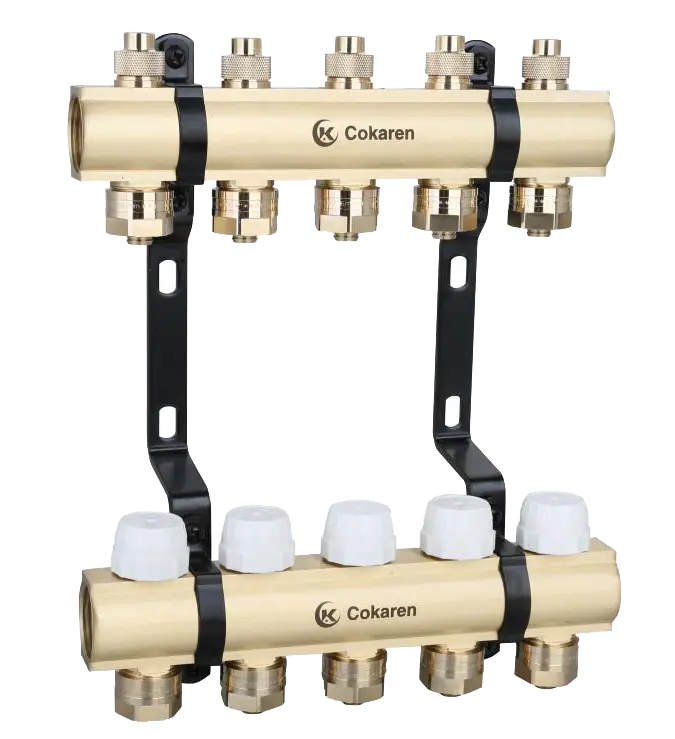
Distribute water flow to various rooms Combine all the equipment to adjust the room temperature

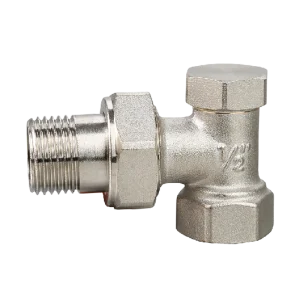
Ancillary air vents, safety relief valves, and bypass balancing components for heating circuits
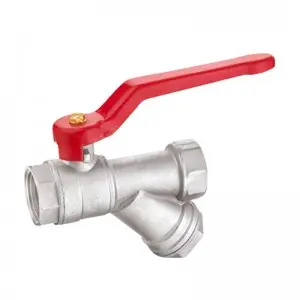
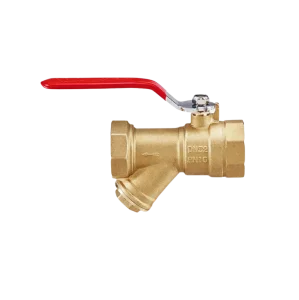
Combines positive shutoff with integral debris straining to protect sensitive heat meters.
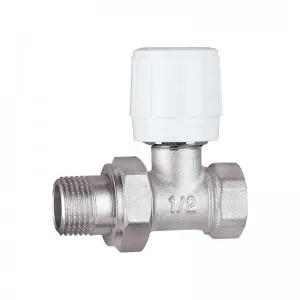
Manual temperature adjustment capabilities for localized climate control loops.
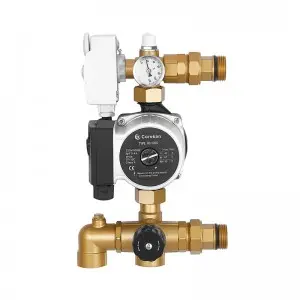
Thermostatically balanced bypass mixing system to avoid thermal stress in boilers.
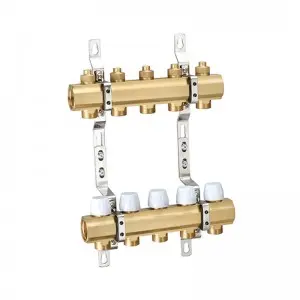
Brass distribution block for routing and balancing residential warm-water loops.
Strategic parameters for EPC contractors and procurement managers when sourcing V-port valves.
Purchasing industrial valves for major infrastructure or process piping requires evaluating long-term operational expenditure (OPEX) rather than just initial capital cost (CAPEX). When drawing up a Request for Proposal (RFP) or Request for Quote (RFQ) for V-notch ball valves, engineering firms should mandate the following verification checks:
Technical answers to typical engineering, installation, and procurement questions regarding Vee Ball Valves.
Access our broader selection of high-quality components, engineered fittings, and HVAC control assemblies.