 Yongda
Yongda
Yongda
Explore our specialized range of valves, brass manifolds, and custom piping accessories engineered for global distribution.
A back check valve (often referred to as a non-return valve or one-way valve) is a critical mechanical component designed to allow fluids to flow in only one direction.
In modern municipal distribution, commercial HVAC networks, and complex industrial processes, preventing backflow is not just a matter of performance efficiency—it is a critical safety and sanitary requirement. A back check valve acts as an automated security sentinel, sealing instantly when flow reverses. This protects delicate hardware, such as pumps and sensors, from water hammer effects and system overpressures.
As sustainability regulations tighten globally, back check valves must exhibit extremely low cracking pressures while maintaining zero leakage. Engineered to high standards, they minimize pressure drops and lower system energy requirements, making them indispensable components in modern green building systems.
Prevents fluid cross-contamination in combined piping networks and eliminates damage caused by pump shut-downs.
Maintains pipeline priming pressures, protecting high-cost centrifugal pumps from premature impeller erosion and cavitation damage.
Designed with hydrodynamically tested paths that deliver high flow rates while keeping head losses to a minimum.
Industrial specifications demand rigorous material selection. Standardizing metallurgy guarantees long-term reliable performance under harsh operations.
Our brass check valves are manufactured using premium-grade alloys such as HPb57-3, CW617N, and DZR (Dezincification Resistant) Brass. These materials provide outstanding tensile strength, reliable machinability, and superior resistance to corrosion in aggressive water environments.
For drinking water applications, compliance with NSF/ANSI 61 and low-lead standards is crucial. We carefully refine our copper-zinc balance and control trace elements to supply clean-water-compliant components to demanding markets across North America and Europe.
| Material Code | Standard Reference | Primary Applications |
|---|---|---|
| CW617N (EN 12164) | European Standard Brass | Commercial HVAC, Potable Water Systems |
| HPb59-1 / HPb57-3 | Chinese GB Standard | General Plumbing, Manifold Fittings |
| DZR Brass (CW602N) | Dezincification Resistant | High-salinity and corrosive environments |
In addition to material selection, the internal valve mechanism plays a critical role in its performance. Spring-loaded disc models provide rapid closure, shutting before fluid velocity can reverse, which helps eliminate water hammer. The spring itself is made from high-tensile stainless steel (SUS302 or SUS316) to ensure consistent performance over millions of operating cycles.
The seat design is another critical variable. Sealing choices include EPDM, NBR, or Viton (FKM), which are selected based on the system's temperature range and fluid characteristics. This ensures zero leakage backflow protection for years to come.

Founded in 1996 and located in Yuhuan, Zhejiang—widely recognized as the "China Valve Capital"—Yongda has grown into a leading, professional manufacturer of high-quality plumbing valves. The company is dedicated to product design, development, manufacturing, and global sales.
Our catalog includes brass valves, brass fittings, and specialized HVAC components. Positioned in the mid-to-high-end market segment, our products highlight environmental sustainability and are popular across North America, Europe, and other global markets.
Under our premium brand, Cokaren, we are committed to delivering refined aesthetics and exceptional product durability, backed by our core promise: "keep flowing, keep warming." We strive to be a highly dynamic enterprise, scaling our operations to establish Cokaren as a trusted, world-class brand.

We maintain a strict quality policy: "Fine work, no leakage." Quality is the foundation of our business, and customer satisfaction is our top priority.
Certified Quality Management System ensures consistent production quality and continuous process improvement.
Certified Environmental Management System, minimizing environmental impact throughout our production cycle.
Occupational Health and Safety Management System protecting our workforce and optimizing shop-floor productivity.
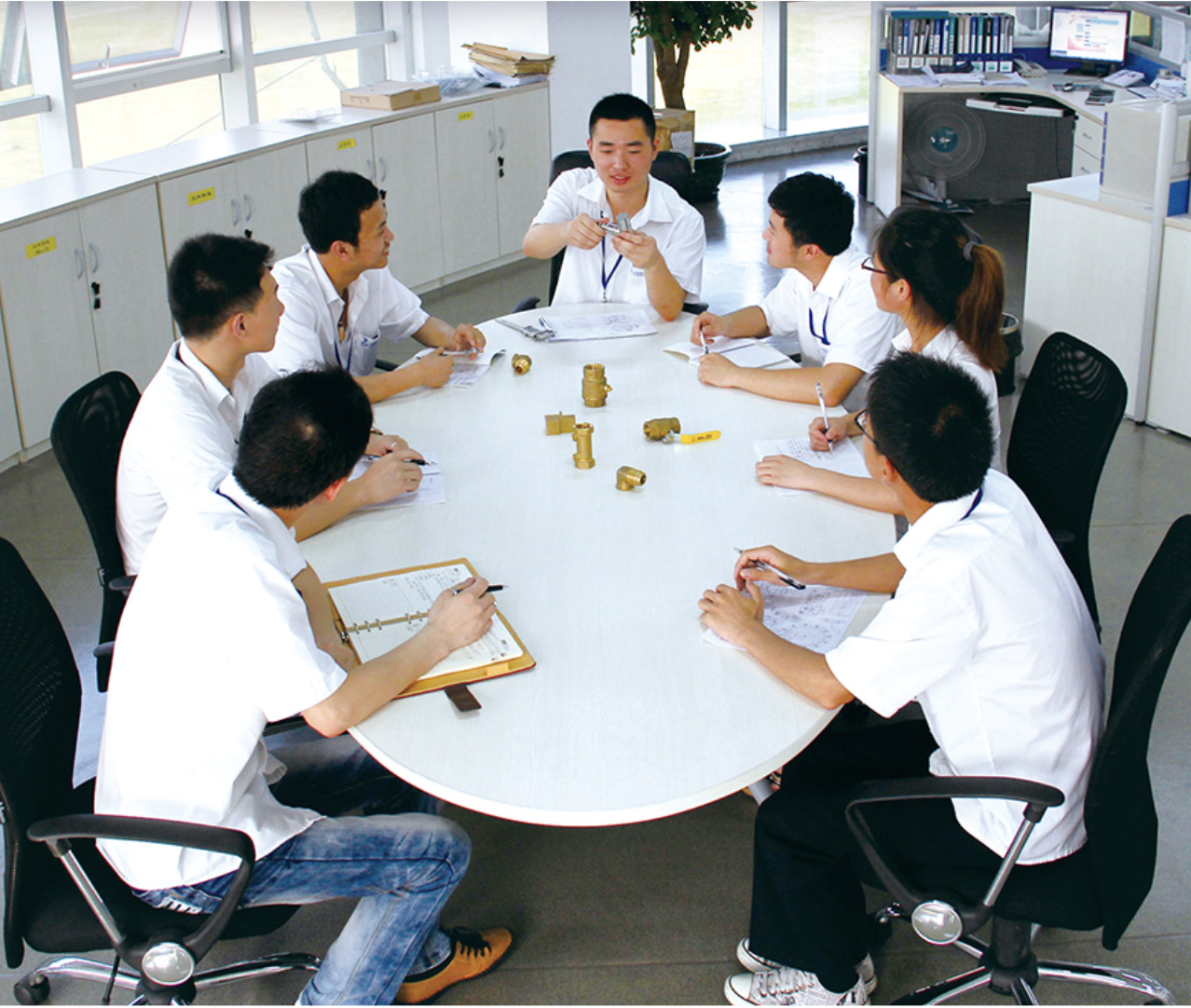
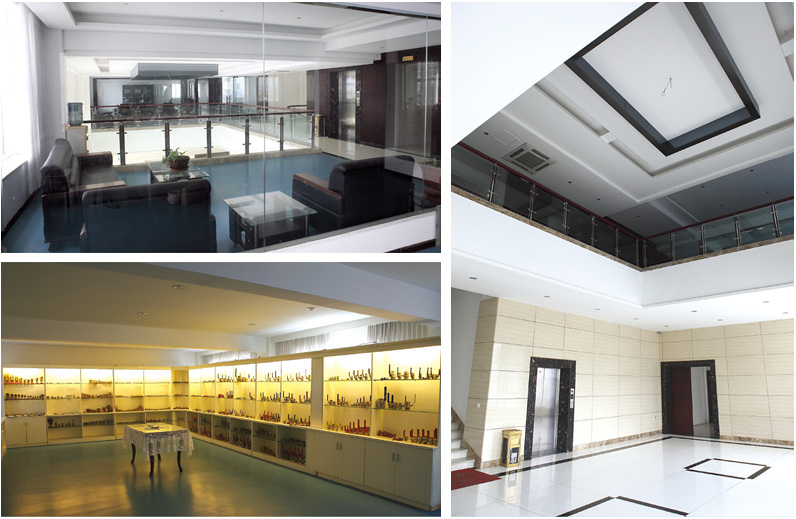
Operating a facility with 80,000 square meters of usable area and more than 600 sets of advanced manufacturing and testing machines—including 80+ specialized CNC machine tools—we offer several key competitive advantages:
Back check valves are critical components across a wide range of industries and systems.
Prevents thermal backtracking within zone circuits. It ensures hot water flows through the designated heating loops, maintaining consistent zone temperatures.
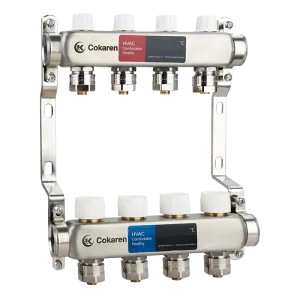
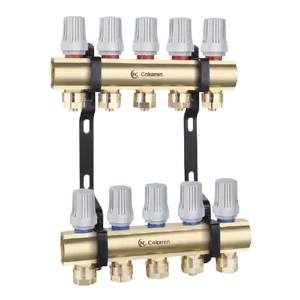
Controls flow path integrity in multi-loop HVAC systems. Used alongside mixing shunts and manifold assemblies, it prevents hot water from migrating into cold lines.
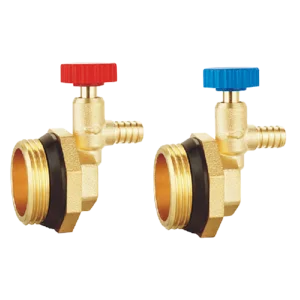
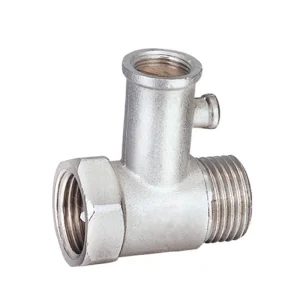
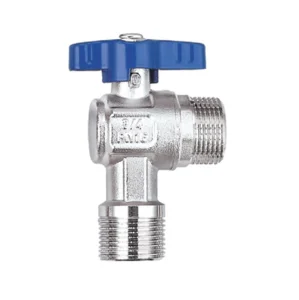
Installed at boiler inlets (such as our Boiler Angel Valves) to prevent steam or superheated water from backing into municipal cold water mains.
Explore the engineering assets of Yongda's thermal and hydraulic control portfolio.

Systematic layout showing integration points for check valves, mixing shunts, and manifold systems.

Protects domestic water systems, filtering out up to 98% of pipeline impurities.
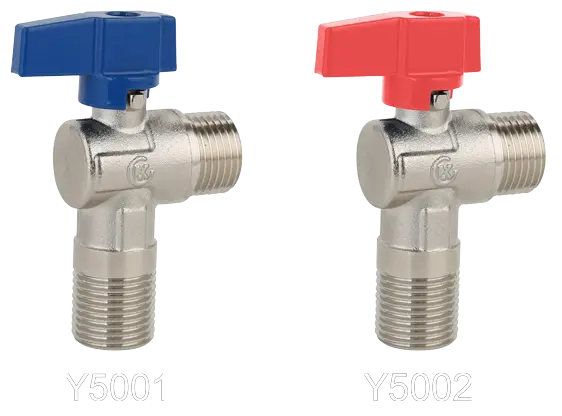
Controls cold and hot water flow for boiler units using a spherical spool design.
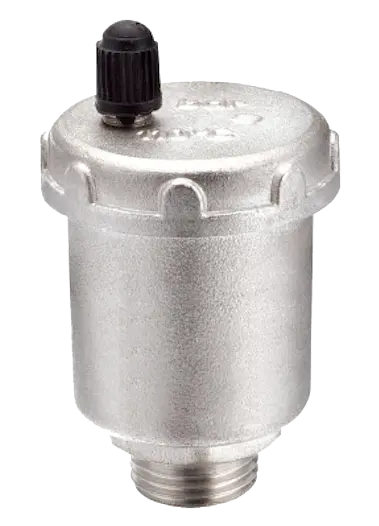
Automatically discharges trapped air from water heaters to maintain system stability.
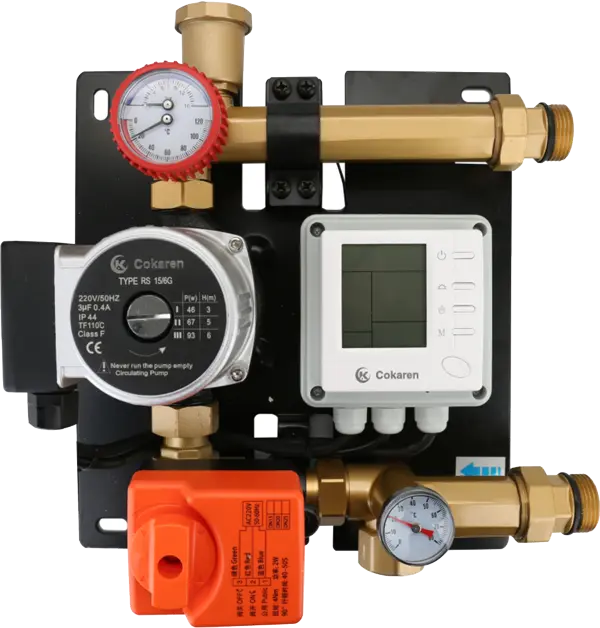
Mixes hot and cold water to stabilize temperature and protect down-line piping.
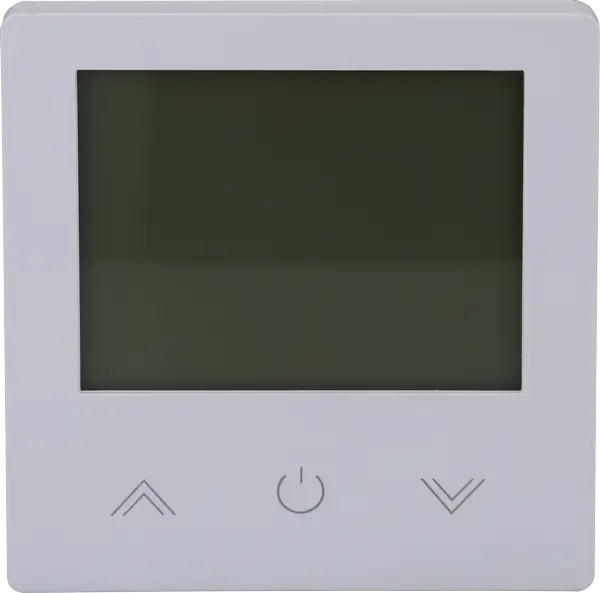
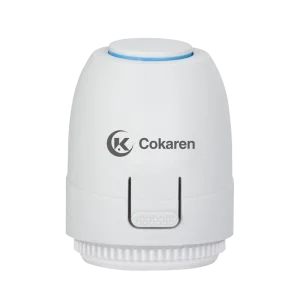
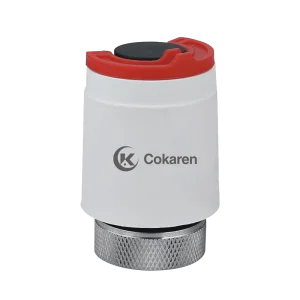
Controls heating system components to regulate and maintain room temperatures.
Understanding the variables that influence pricing helps procurement managers optimize international purchase agreements.
Valve prices are closely linked to international base metal indexes, particularly the LME copper cash price. Copper alloy makeup significantly impacts baseline manufacturing costs. In addition to material costs, pricing is influenced by:
As a global exporter, we provide comprehensive shipping and logistics support from major Chinese ports. Located in Zhejiang province, we export through both Ningbo and Shanghai ports, ensuring fast, cost-effective container delivery. Our export services include customs clearance documentation, compliance certificates (including CE mark registration), and heavy-duty, seaworthy packaging designed for international transit.
Technical answers to common questions about back check valves and global sourcing logistics.
Select from our range of safety valves, manifolds, and custom brass connectors for global commercial installations.