 Yongda
Yongda
Yongda
Explore our premium plumbing components and industrial valves manufactured under rigorous global quality frameworks.
An authoritative analysis of flow control, material integrity, and backflow prevention protocols.
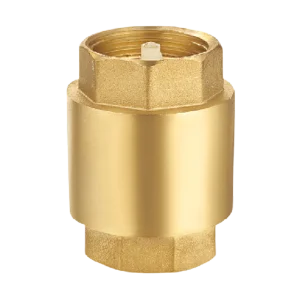
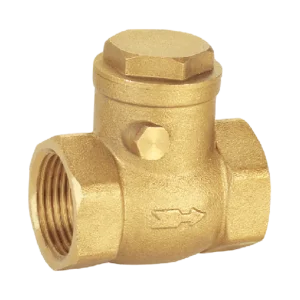
In modern industrial and domestic piping networks, fluid dynamics demand high precision, minimal pressure drop, and absolute reliability. The Piston Check Valve acts as a critical defender against backflow. Unlike standard swing check valves, piston check valves utilize a linear motion piston, guided within a cylinder, to regulate flow. When upstream pressure exceeds the spring design’s cracking pressure, the piston is pushed upward, permitting fluid to pass. If flow decreases or reverses, the spring and gravity force the piston down, sealing it against the seat immediately, protecting pumps, heat exchangers, and boilers from destructive water hammer.
Selecting the right factory involves analyzing technical variables: design standards (e.g., DIN, ASME, GB), material selection (C37700, CW617N, CW614N brass, or corrosion-resistant stainless steel), thread precision, and seat material (NBR, EPDM, or metal-to-metal sealing for high-temperature applications). The manufacturing process requires ultra-precise CNC machining to ensure the piston concentricity is maintained within microns, preventing sticking under varied thermal expansions.
Yuhuan Yongda Fluid Control Co., Ltd. (formerly Yuhuan Yongda Plumbing Co., Ltd.) was founded in 1996 and is nestled in Yuhuan, Zhejiang—widely celebrated as the "China Valve Capital." As a pioneer in the plumbing and fluid management sector, our operational model combines product design, advanced material R&D, precision manufacturing, and comprehensive global sales.
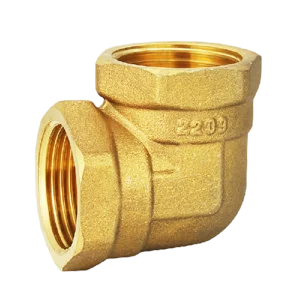
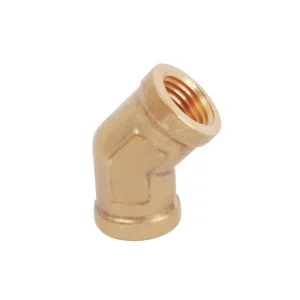
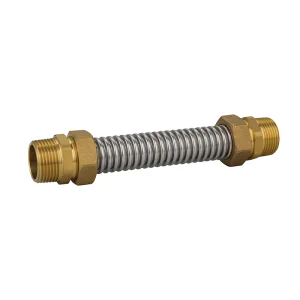
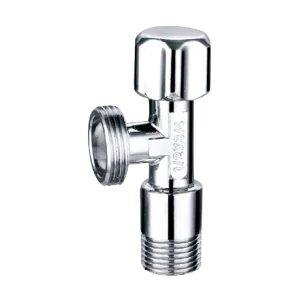
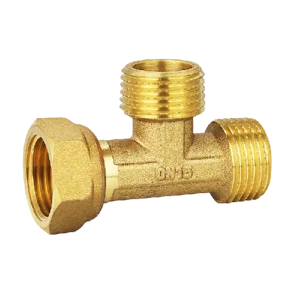
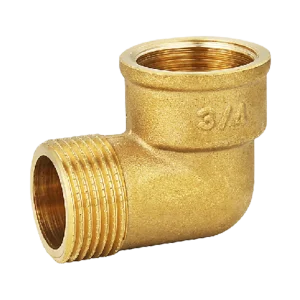
Our expansive product portfolio spans three core dimensions: brass valves, high-tolerance pipe fittings, and HVAC distribution components. Positioned within mid-to-high-tier global markets, our products prioritize environmental compatibility, lead-free structures, and longevity. These traits have made us a preferred partner for industrial and domestic contractors throughout North America and Europe.
Under our newest brand initiative, Cokaren, we commit to delivering refined aesthetics, rigorous structural durability, and impeccable technical support. Adhering to our core promise, "Keep flowing, keep warming," we manufacture accessories to guarantee continuous heating, ventilation, and plumbing security.

Strategic geographic and technological advantages that make Yuhuan the epicenter of premium brass valve manufacturing.
Yuhuan concentrates thousands of raw material suppliers, forging shops, plating installations, and logistics companies. This cluster reduces material sourcing times and transaction costs, translating directly into high-quality components at highly competitive wholesale rates.
Compliance with international standards (such as EN 12164 and ASTM B124) is standard practice. Advanced induction furnaces ensure stable alloy compositions, eliminating brass dezincification (DZR) issues and keeping lead levels well within limits required by US NSF/ANSI 61 regulations.
Our facility operates over 80 dedicated multi-axis CNC machine tools. Hot forging under controlled thermal conditions avoids internal stress fractures and air pockets, resulting in structurally superior valve bodies capable of handling high nominal pressures (PN16 to PN25).
Integrated flow-control mechanisms designed to coordinate fluid delivery, temperature stability, and thermal efficiency.

Our energy distribution system ensures pressure equilibrium and balanced water volume distribution. Leveraging piston check valves, manual bypass configurations, and manifold assemblies, the system maximizes thermal transition rates while preventing cross-contamination in dual-loop designs.
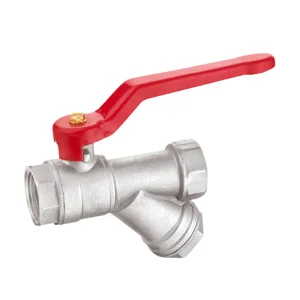
By pairing high-precision automatic venting valves with brass filters, downstream plumbing installations are protected against scale build-up and air-binding phenomena, maintaining smooth continuous operations.

The first line of defense in domestic water sanitation, filtering 98% of pipeline impurities.
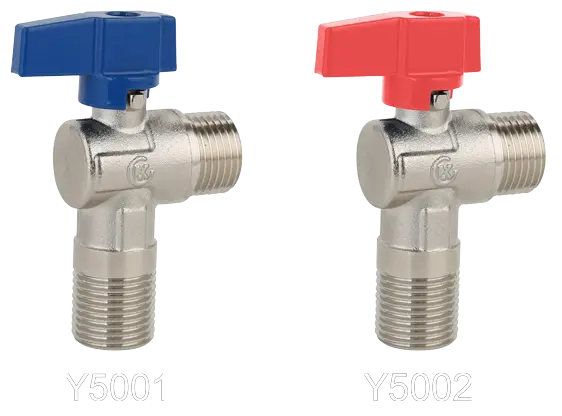
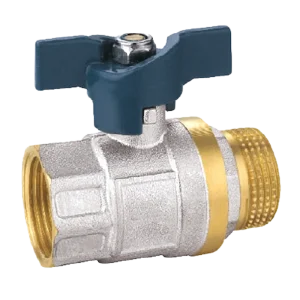
Controls cold/hot water inflow and outflow in boilers, utilizing a high-precision spherical spool.
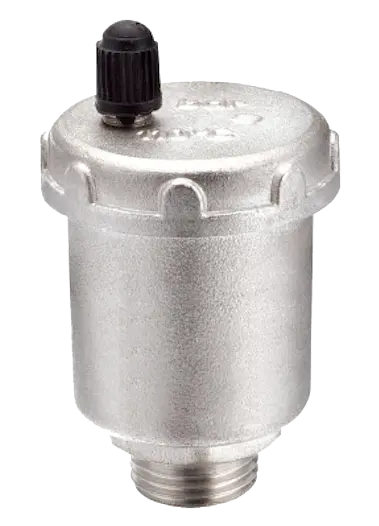
Discharges trapped air in water heaters to maintain stable pressure and prevent dry heating.
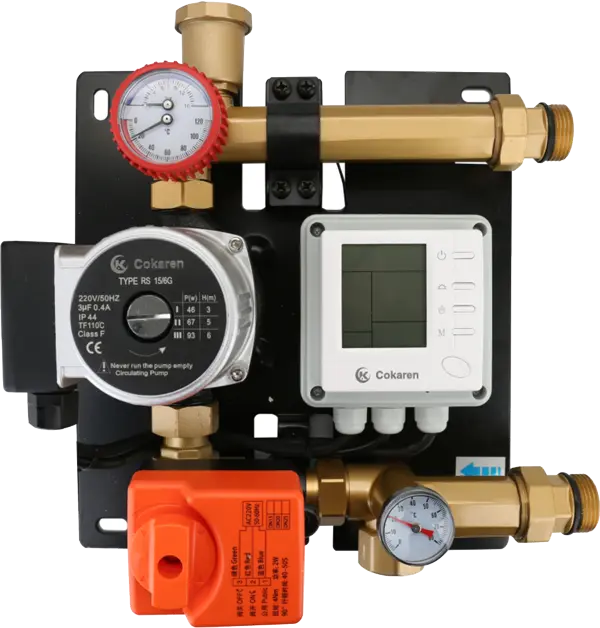
Mixes hot and cold supply lines to regulate water temperature and protect downstream pipelines.
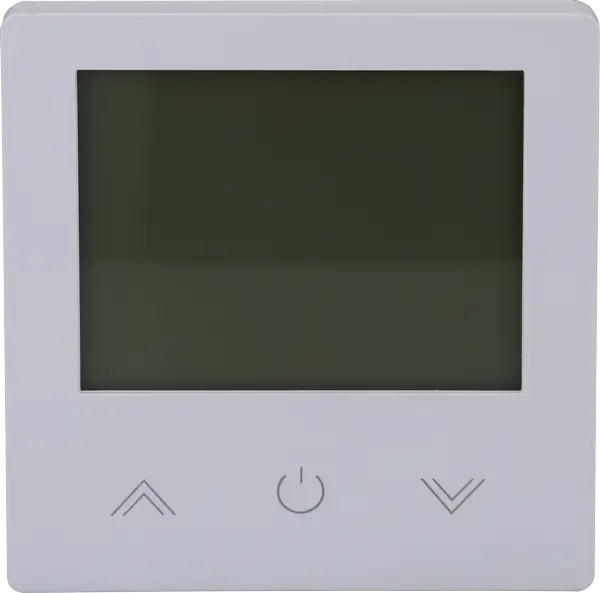
Coordinates heating appliances to optimize indoor thermal comfort and reduce energy consumption.
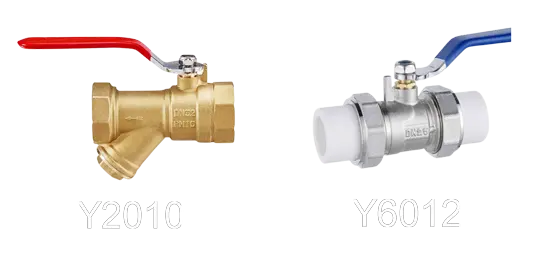
Filters impurities, manages manifold loops, and measures pipeline thermal gradients.
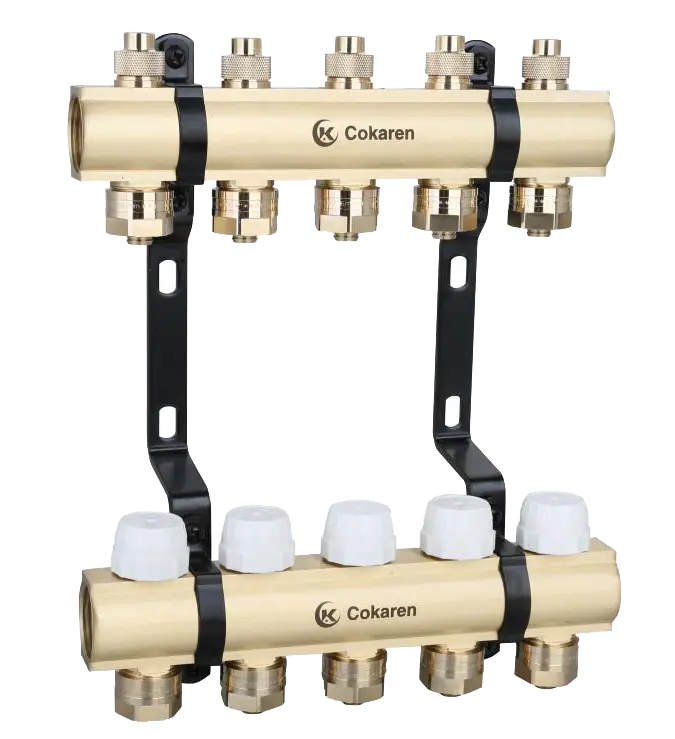
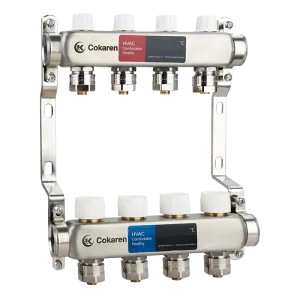
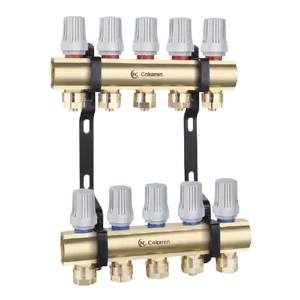
Distributes water flow to multiple zones, maintaining hydraulic balance across floor heating loops.

Our commitment to reliable performance is backed by a fully auditable QA/QC framework. Yongda is ISO-certified, operating under international standards to maintain production quality, environmental care, and worker safety:
Our quality standard, "Fine work, no leakage," requires 100% pneumatic and hydraulic pressure testing of every check and manifold valve before packaging. This ensures zero pressure drop and tight seal integrity under standard operating conditions.
At Yuhuan Yongda, we believe sustainable business growth is driven by core values: Struggle, Enterprising, Pragmatic, and Innovative.
Our client-first approach emphasizes quality-oriented processes. By constantly upgrading our automation and testing protocols, we aim to match company growth with the personal development and well-being of our workers.
Through our dedicated Cokaren brand, we are focusing on clean, sustainable fluid technologies. This design philosophy reduces material waste and lowers flow resistance, helping HVAC systems run more efficiently.
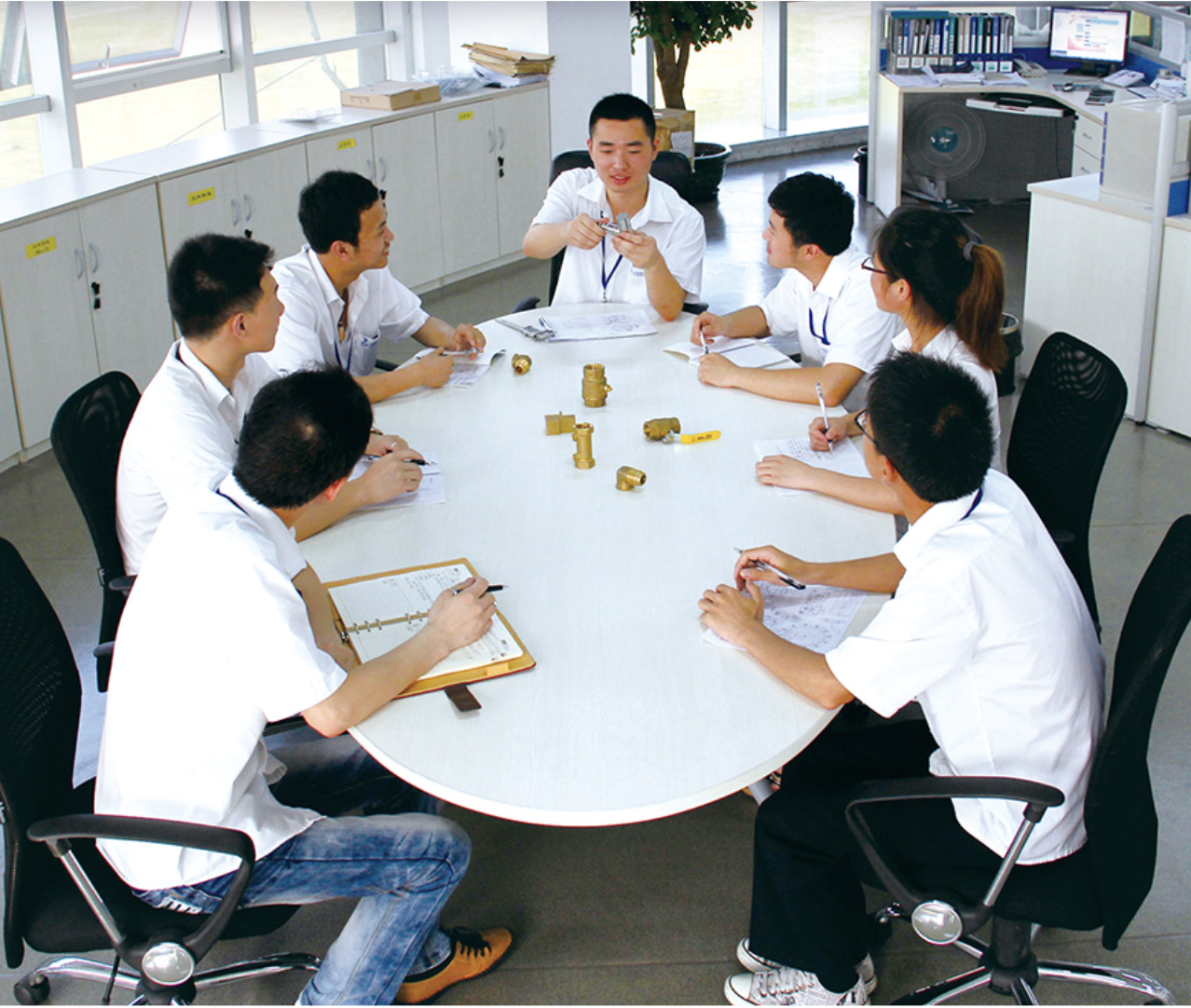
Key technical insights to guide valve selection, specification management, and logistical efficiency.
Assess temperature dynamics (constant vs. fluctuating), pressure ranges (PN10 to PN25), and chemistry of the fluid. High-purity drinking water applications require lead-free DZR brass, while hydronic loops operate reliably with standard hot-forged brass components.
For check valves, spring stiffness determines the minimum cracking pressure. Choosing too high a stiffness can cause flow restrictions and pressure loss. Standard piping setups typically use a cracking pressure between 0.02 and 0.05 bar for low-pressure domestic water systems.
Ensure correct thread specification: NPT for North American projects, and G or BSPT for European and Middle Eastern layouts. High-precision CNC machining prevents joint leakage and simplifies assembly on site.
Expert answers to guide B2B buyers through valve performance, customization options, and logistics.
Select specialized valves, connectors, and manifolds for high-pressure industrial and residential systems.