 Yongda
Yongda
Yongda
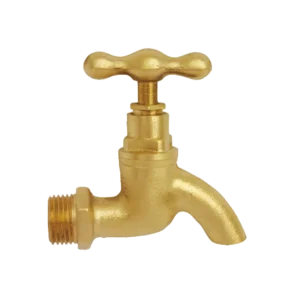
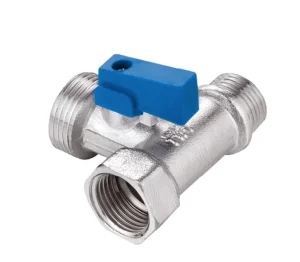
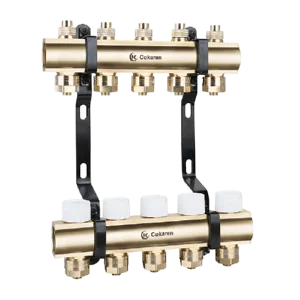
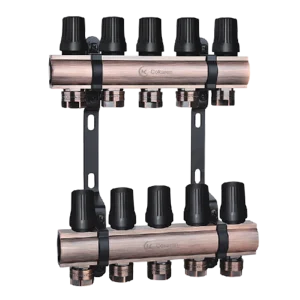
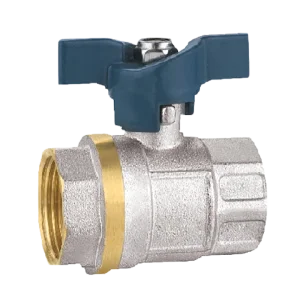
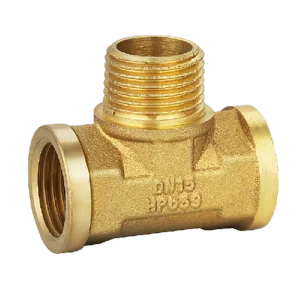
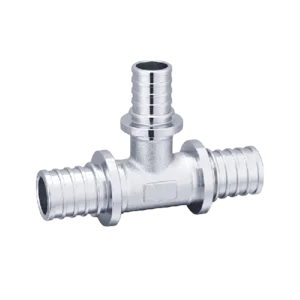
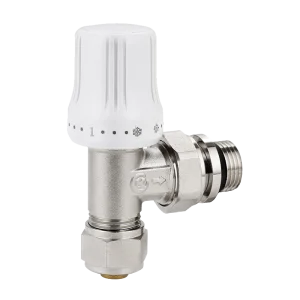
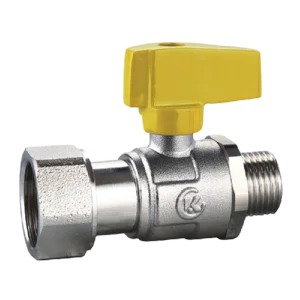
Retention valves (historically designated as non-return valves or NRVs) are critical components within global fluid dynamics infrastructure. Serving as unidirectional mechanical gatekeepers, retention valves automatically prevent backflow when pressure drops or transient reversal occurs. From urban water supply pipelines and multi-tiered hydronic HVAC systems to advanced chemical transmission and industrial boiler circuits, these valves protect upstream components such as pumps, meters, and filtration structures from hydraulic shock (commonly known as "water hammer") and fluid contamination.
As massive urbanization and industrial transformations demand smarter, more eco-friendly solutions, retention valve manufacturing processes are undergoing significant advancements. Today's commercial markets require valves engineered from high-grade brass alloy compositions (such as DZR/Dezincification Resistant brass), forged to withstand complex operating environments while conforming to strict global standards like NSF/ANSI 61 for potable drinking water, CE, and RoHS directives.
When pump shutoffs trigger system decelerations, fluid kinetic energy shifts back toward the source. Advanced spring-loaded retention systems close in milliseconds, deflecting reverse shockwaves and safeguarding pump impellers.
Designed for multi-source hydronic installations, check systems isolate zones, preventing back-siphonage of treated industrial wastewater or chemical elements back into municipal potable water networks.
In closed-loop underfloor heating and district heating networks, check valves maintain line pressures, reducing starting load demands on energy-intensive circulation pumps.
Founded in 1996, Yuhuan Yongda Fluid Control Co., Ltd. (formerly Yuhuan Yongda Plumbing Co., Ltd.) is located in the recognized valve hub of China: Yuhuan, Zhejiang. Operating as an industry-leading OEM and ODM manufacturer, our company designs, develops, and delivers high-performance brass valves, fittings, and hydronic heating systems to global markets.
Over nearly three decades, we have scaled our production facilities to cover an expansive factory area of over 45,000 square meters, yielding an actual operational workspace of 80,000 square meters. Guided by our premium brand Cokaren and its promise of "keep flowing, keep warming", we manufacture and export high-grade brass components to over 20 countries across North America, Europe, and Asia.

The industrial landscape for valve manufacturing is shifting toward stricter regulatory compliance and material purity. In North America and Europe, the implementation of lead-free laws (such as NSF/ANSI 372) has reshaped how brass alloys are formulated. Manufacturers must utilize advanced copper-zinc alloys that limit lead content to less than 0.25% on wetted surfaces while maintaining mechanical workability, tensile strength, and corrosion resistance.
Simultaneously, energy efficiency metrics are driving pump design requirements. Standard valves with high flow resistance contribute to pressure losses, forcing pumps to run at higher speeds. Consequently, forward-thinking engineers demand high-efficiency retention designs, which reduce localized pressure drops and lower system energy consumption. Industrial purchasing managers now evaluate suppliers based on material testing, flow coefficient (Cv) ratings, and long-term durability parameters.
| Standard Metric / Code | Regulatory Jurisdiction | Core Quality Impact |
|---|---|---|
| EN 12164 / EN 12165 | European Union | Specifies material chemistry and mechanical integrity for forged and machined brass alloys (e.g., CW617N, CW602N). |
| NSF/ANSI 61 & 372 | North America | Restricts heavy metal leaching into drinking water systems, mandating zero-lead components. |
| ISO 9001:2015 | International | Establishes global standards for quality management systems, manufacturing repeatability, and traceability. |
| CE Certification | European Economic Area | Verifies conformance with safety, health, and environmental standards for pressurized systems. |
Modern commercial buildings employ sophisticated zoning plans to manage thermal distribution. In underfloor heating systems (radiant heating), cold and warm fluids must be continuously blended to maintain balanced floor temperatures without causing thermal cracking in concrete screeds. Integrating retention valves with manifold hubs and mixing systems prevents hot water from backflowing into return pipes, maintaining the required temperature profile across zoning loops.
Unlike casting methods which can leave microscopic pores and internal stress lines, our hot forging process aligns the molecular structure of the brass. This results in uniform wall thicknesses capable of resisting high mechanical loads and high-pressure spikes.
Following assembly, all valves undergo rigorous pneumo-hydraulic testing. Specially designed machinery tests seal efficiency and spring calibration to ensure long-term operation under varying conditions.

Equipped with over 80 dedicated machine tools, our production line finishes threads with high accuracy. This ensures tight seal interfaces and smooth, leak-free connection points during field installation.
In municipal plumbing and hydronic heating projects, corrosion represents a significant cause of component failure. Standard brass formulations exposed to high chlorine concentrations or oxygen-rich water can experience dezincification, a process where zinc is selectively leached from the alloy matrix, leaving a porous, structurally weak copper frame.
To prevent this, Yongda develops fluid control devices using Dezincification Resistant (DZR) Brass (such as CW602N). These formulations include trace amounts of arsenic and other stabilizing agents to inhibit phase transitions, maintaining long-term material integrity. For North American and European drinking water systems, our advanced production lines use lead-free copper alloys, ensuring complete compliance with global environmental regulations.
Our check valves are built with AISI 302/316 stainless steel springs to ensure corrosion resistance and reliable closure timing. Seat options are tailored to specific application conditions: EPDM seals are used for hot water systems up to 120°C, Viton/FKM seals for high-temperature oil and chemical systems, and NBR seals for standard water supply setups. This specialized construction provides stable performance under varying thermal loads.
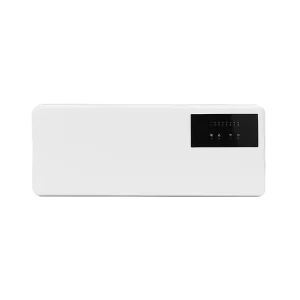
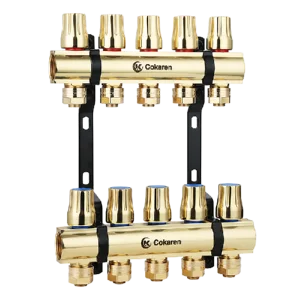
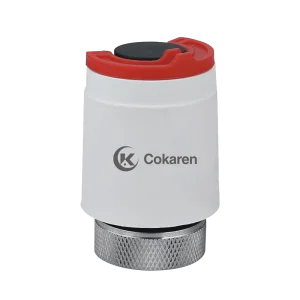
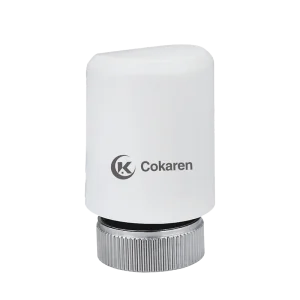
Heating and cooling networks use integrated fluid distribution lines to manage thermal energy across different zones. Mixing shunts and multi-way manifolds balance pressure differentials, while thermal actuators adjust flow rates to optimize efficiency.
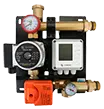
Designed to blend high-temperature boiler output with cool return water, protecting floor systems from thermal stress.

Integrates filtration, pressure regulation, and dynamic isolation within complex mechanical zones.

Distributes flow pathways to individual radiant loops, stabilizing room-by-room thermal conditions.
In industry terminology, "retention valve" and "check valve" (or non-return valve) are often used interchangeably. However, in European and Latin American markets, "retention valve" specifically refers to high-performance, spring-assisted inline check valves that use a spring to close the valve disc before fluid flow reverses. This design helps minimize hydraulic shocks and water hammer, unlike standard gravity-based swing check valves.
Cracking pressure is the minimum upstream pressure required to open the valve disc against its internal spring force. A low cracking pressure (e.g., 0.02 bar) reduces pump load and system energy consumption, which is ideal for domestic heating systems. In contrast, higher cracking pressures are selected for high-pressure industrial lines to prevent premature opening caused by upstream system fluctuations.
Forging compresses the metal under high pressure, which aligns the grain structure of the alloy and eliminates internal voids or micro-cracks. This results in high structural integrity, impact resistance, and pressure retention. Cast brass, on the other hand, can contain microscopic porosity that may lead to stress corrosion cracking under thermal cycles or chemical exposure.
Standard yellow brass can experience dezincification when exposed to chlorine. For municipal applications, it is important to specify Dezincification Resistant (DZR) brass alloys, such as CW602N. DZR brass incorporates elements like arsenic that stabilize the material matrix, preventing structural degradation and zinc loss in chlorinated or oxygen-rich water.
In underfloor heating systems, retention valves prevent warm water from backing up into cold mixing shunts or return lines. By ensuring unidirectional flow through individual loops, they help maintain balanced distribution across zoning networks, prevent thermostatic overshoot, and protect hydronic systems from thermal shocks.