 Yongda
Yongda
Yongda
Explore our industrial-grade, precision-manufactured brass valves, manifolds, and heating fittings.
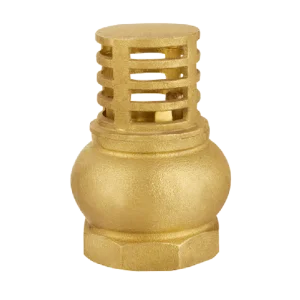
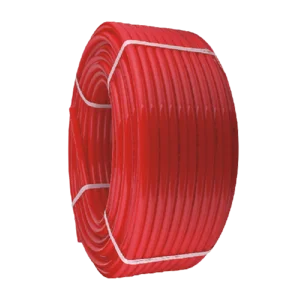
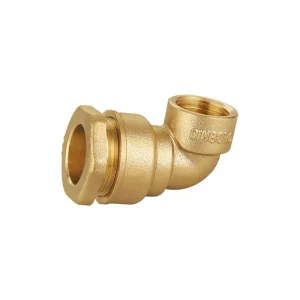
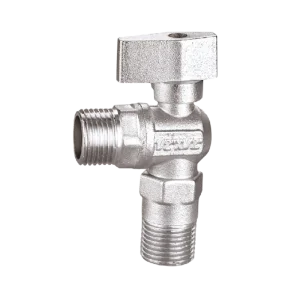
Hydraulic pressure reducers (also known as Pressure Regulating Valves or PRVs) are foundational safety and operational components in modern commercial HVAC loops, residential hot water floor heating manifolds, and municipal fluid delivery infrastructure. As urban environments grow vertically and energy efficiency mandates tighten globally, managing system-wide pressure gradients becomes critical. High inlet water pressures from distribution grids can result in localized component stress, accelerated pipe wear, high noise thresholds, and terminal system failure.
Historically, pressure regulation relied on basic mechanical springs that adjusted orifice parameters based on direct hydraulic force. While simple, these legacy valves lacked precision and speed under high flow fluctuations. Modern CE certified hydraulic pressure reducers utilize advanced pilot-operated mechanisms or balanced seat configurations. By buffering pressure spikes, they maintain constant downstream setpoints irrespective of upstream dynamic surges.

A legacy of precision engineering, state-of-the-art manufacturing, and global standard compliance since 1996.
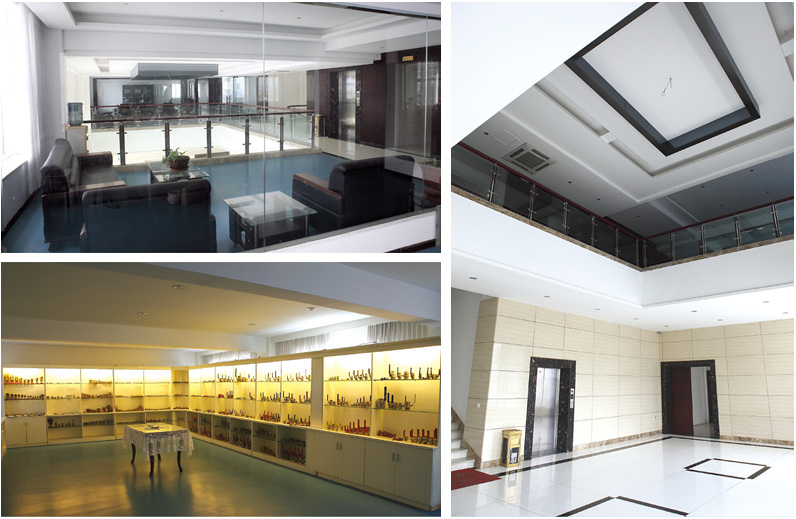
Founded in 1996 in Yuhuan, Zhejiang—known as the "China Valve Capital"—Yuhuan Yongda Fluid Control Co., Ltd. (formerly Yuhuan Yongda Plumbing Co., Ltd.) has evolved into a premier developer and manufacturer of mid-to-high-end brass valves, HVAC manifolds, and customized pipe fitting systems. Over nearly three decades, we have established our reputation on the foundational pillars of environmental stewardship, material purity, and structural reliability.
Under our premium product label, Cokaren, we carry out our brand mission: "keep flowing, keep warming". By focusing on refined product styling, tighter tolerances, and durable mechanical designs, Cokaren delivers home-warming systems that perform reliably in demanding operating environments.
Our infrastructure is designed for high-volume, high-precision industrial production:
Combining automated brass hot-forging with rigorous testing protocols to assure peak field performance.
Yongda Fluid Control structures raw brass smelting, multi-cavity hot forging, surface treatment, precision machining, and custom assembly under a single factory footprint. This integration eliminates intermediate transport wear and reduces dimensional deviations across product lots.
Aligned with our core principle—"Fine work, no leakage"—every pressure regulating valve and distribution manifold undergoes dual-phase air and hydrostatic pressure testing. This rigorous testing ensures bubble-tight sealing and preserves structural integrity under extreme thermal loading.
Our operations maintain ISO9001:2015, ISO14001:2015, and ISO45001:2018 certifications. We manufacture using certified eco-friendly brass compositions (lead-free and low-zinc options) to meet the sanitary water and plumbing codes of European and North American markets.
Comprehensive design solutions optimized for domestic and commercial hydronic applications.
At Yongda, our corporate structure is guided by a pragmatic approach to quality: Struggle, Enterprising, Pragmatic, and Innovative. Customer success guides our product design decisions. Our compliance program features ISO9001-2015 for quality management systems, ISO14001-2015 for environmental protection standards, and ISO45001-2018 to support occupational health and safety across our production floor.
Our integrated hydraulic systems manage flow, vent trapped air, filter sediment, and regulate operational water pressures to help maintain optimal system performance.

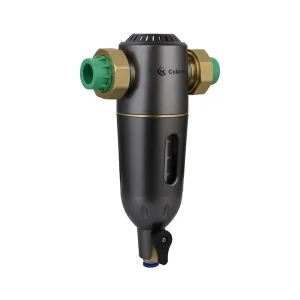
The first line of defense in domestic water sanitation, filtering up to 98% of particulates and suspended solids from distribution pipelines.
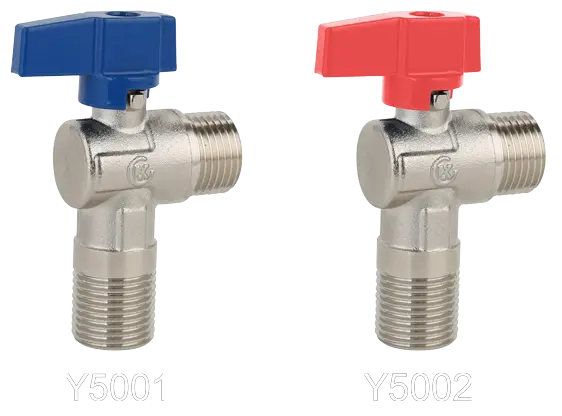
Designed to control the feed and discharge loops of domestic boilers, using a spherical spool to maintain tight shutoff over extended heat cycles.
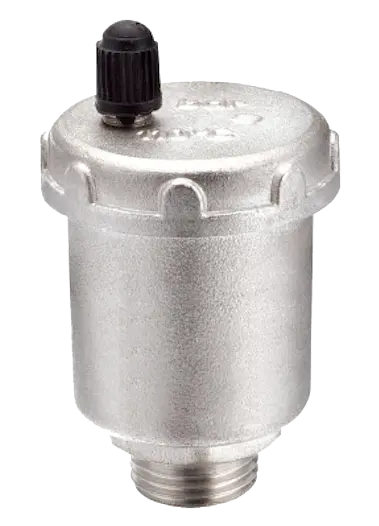
An automated air release component designed for heat pump lines, expelling trapped air pockets to protect circulator pumps from dry running.
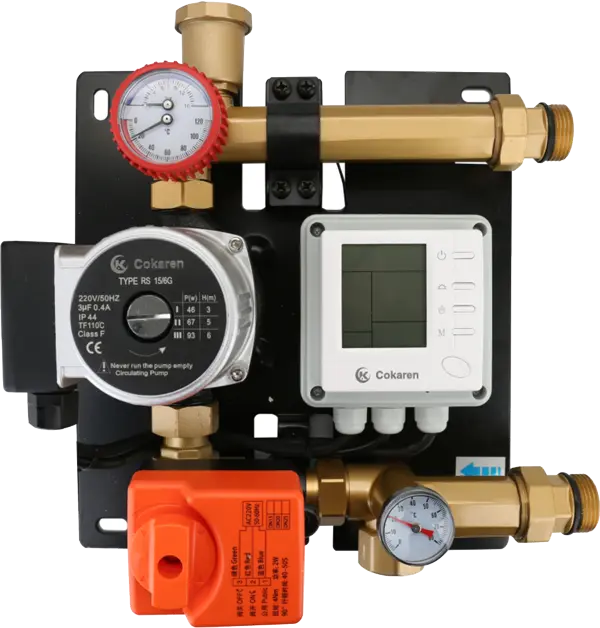
Combines high-temperature boiler supply with system return water, maintaining stable output temperatures and protecting downstream underfloor piping.

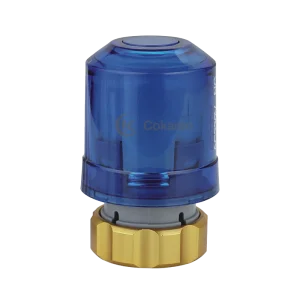
Integrates zone-based sensors with actuators to manage building ambient temperatures via precise hydronic regulation.
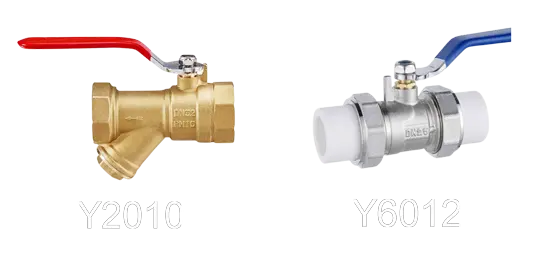
Integrated brass manifold component featuring inline filter screens, manual isolation gates, and monitoring ports for system testing.
A comparative engineering guide for sizing pressure reducing valves (PRVs) across different hydronic installations.
Selecting the correct brass valve requires understanding the operational requirements of the installation zone. Standard pressure reducing valves maintain setpoint stability, while safety valves act as immediate pressure relief devices. Manifolds help distribute volume evenly across multiple heat exchange zones.
| Valve Type & Classification | Primary Operation Mode | Common Installation Locations | Key Sizing Parameter | Material Preference |
|---|---|---|---|---|
| Direct-Acting Pressure Reducer | Spring-balanced piston throttling downstream pressure dynamically. | Main building water inlets, individual residential floor manifolds. | Flow Coefficient (Kv / Cv) | Lead-Free DZR Brass (Nickel Plated option) |
| Dynamic Boiler Mixing Shunts | Thermostatic mixing of return and feed lines. | Boiler mechanical rooms, secondary bypass loops. | Inlet Temperature differential (ΔT) | Forged Brass CW617N |
| Hydronic Safety Valves | Direct spring lift when system pressure exceeds set limits. | Boiler containment shells, primary expansion vessels. | Relief Capacity (kg/h or kW equivalent) | Heavy-Duty Cast/Forged Brass |
| Multi-Loop Manifold Units | Manual or actuated throttle balancing for zone flow. | Central radiant heating cabinets, zone isolation loops. | Loop Branch count & Flowmeter range | Extruded High-Tensile Brass Bar |
Refined designs, precision threading, and anti-corrosive brass construction.
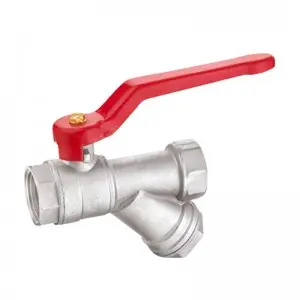
Integrated inline strainer design
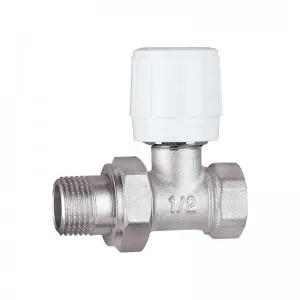
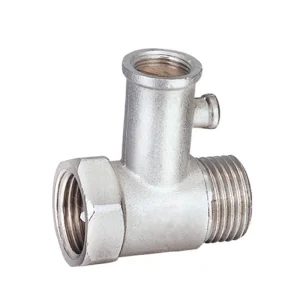
Precision manual temperature regulator
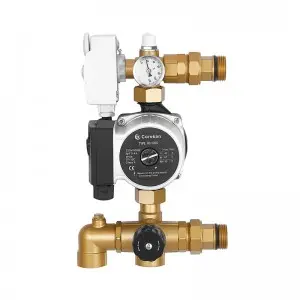
Stabilizes domestic hydronic temperatures
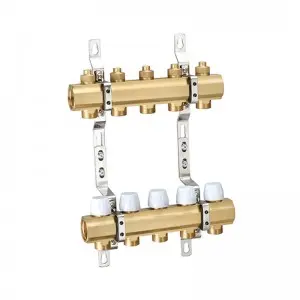
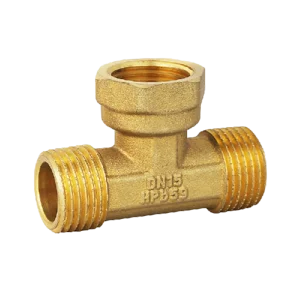
Multidirectional water distribution
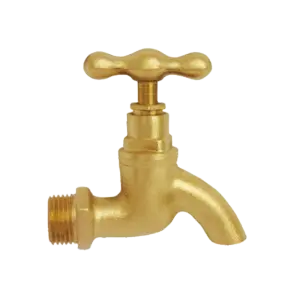
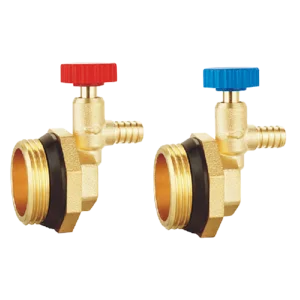
Refined durable external bibcock
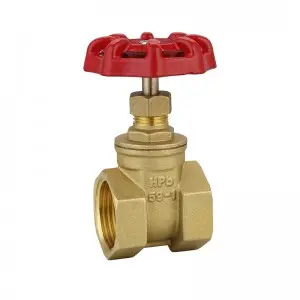
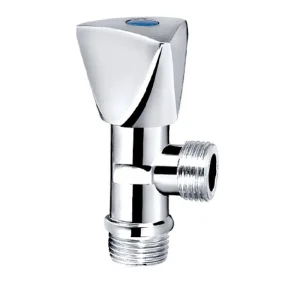
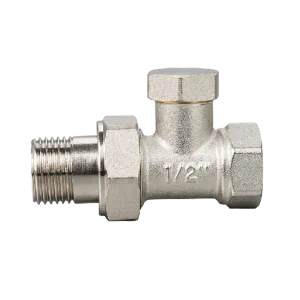
Traditional isolation control
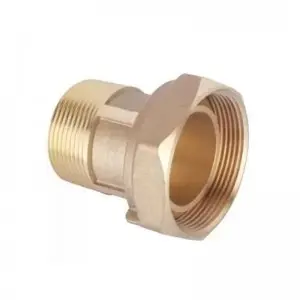
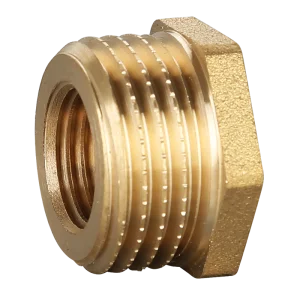
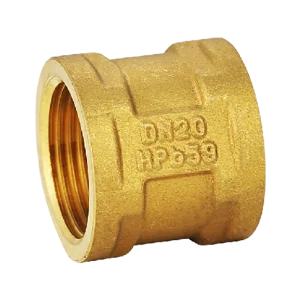
Industrial brass inlet connections
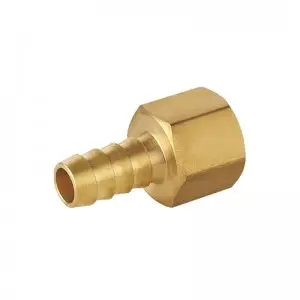
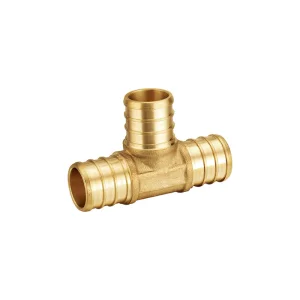
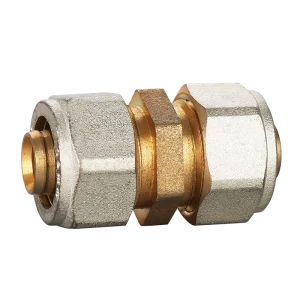
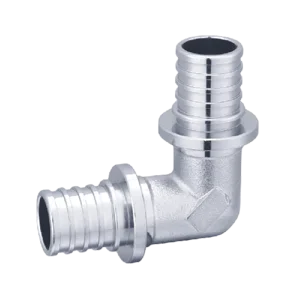
Pex crimp ASTM F1807 connections
Correct installation of hydraulic pressure reducers requires evaluating several operational variables. Sizing pressure regulators based solely on pipe connection diameters can lead to improper performance. To avoid cavitation and accelerated wear, engineers should calculate the required Flow Coefficient (Kv value) using the actual minimum and maximum flow rates of the application:
As environmental standards like the EU Drinking Water Directive (DWD) and USA NSF/ANSI 61 lead-free guidelines become more stringent, brass chemistry has adapted accordingly. Traditional brass (containing up to 2-3% lead for machinability) is increasingly replaced by bismuth-alloyed or low-lead brasses.
At Yongda's test laboratory, our spectrometer checks each incoming batch of raw materials to confirm that copper, zinc, lead, and iron ratios meet specifications. The alloy must provide dezincification resistance (DZR) in hard or highly chlorinated water applications, preventing selective zinc leaching that can weaken the metal structure.
For commercial installations, nickel-plated finishes offer external resistance to corrosion and moisture in humid utility closets or floor cabinet environments, while maintaining raw brass on internal fluid surfaces.
Expert answers to common engineering, procurement, and installation questions.
Direct supply options for wholesale distributors, construction contractors, and OEM partners.