 Yongda
Yongda
Yongda
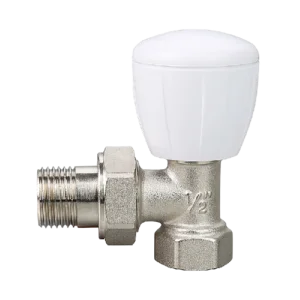
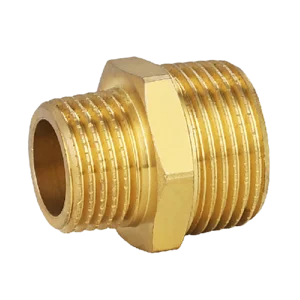
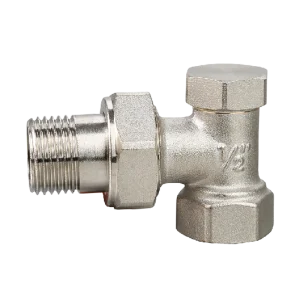
Explore our engineered line of high-grade brass valves and fitting assemblies optimized for global HVAC, distribution, and hydronic systems.
Within high-performance hydronic distribution, boiler integration, and pipeline networks, safety valves represent the absolute line of defense against overpressure hazards. Under the European Union’s Pressure Equipment Directive (PED) 2014/68/EU, pressure relief and safety accessories must be manufactured to withstand dynamic pressure peaks without failure. CE Certification is not merely a label; it is a declaration of rigorous compliance, structural validation, and material traceability.
Safety valves under CE regulation undergo strict verification processes. This includes checking set pressure tolerances, discharge capacity, and thermodynamic limits. In HVAC loops, a malfunctioning valve could lead to localized boiler ruptures, rapid fluid leakage, or mechanical structural failure. By ensuring a CE-certified engineering pipeline, operators mitigate risk, satisfy global insurance requirements, and ensure long-term mechanical reliability.
Moreover, compliance with standard harmonizations such as EN ISO 4126 dictates that valves must execute automated bubble-tight shutoff post-discharge. This prevents thermal depletion and maintains systemic efficiency, aligning with global green building mandates.

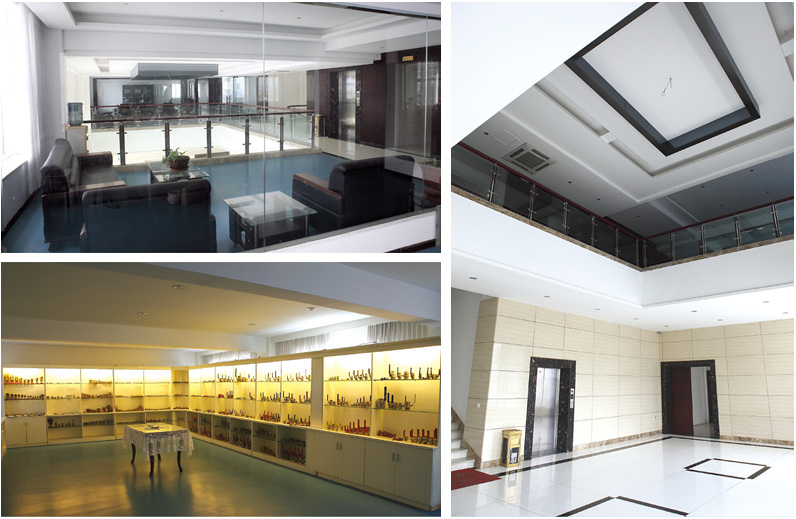
Founded in 1996, Yuhuan Yongda Fluid Control Co., Ltd. (formerly Yuhuan Yongda Plumbing Co., Ltd.) is situated in Yuhuan, Zhejiang—widely recognized as the "China Valve Capital." Over more than two decades, the company has grown into a premier enterprise focusing on product design, development, high-end fabrication, and international sales of premium fluid control systems.
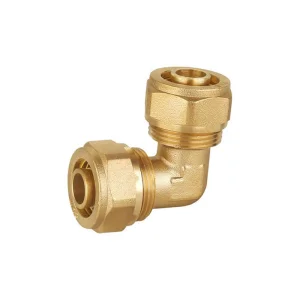
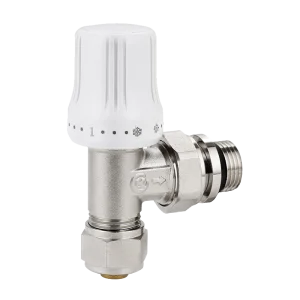
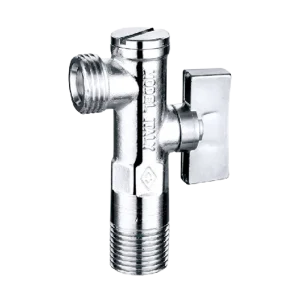
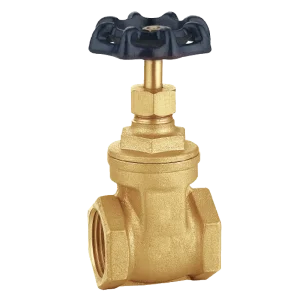
Our product catalog spans across brass valves, custom compression fittings, and dynamic HVAC modules. Positioned to satisfy middle and high-grade specifications, our hardware solutions highlight environmental sustainability, material longevity, and operational safety, making them a preferred choice across North American and European mechanical engineering markets.
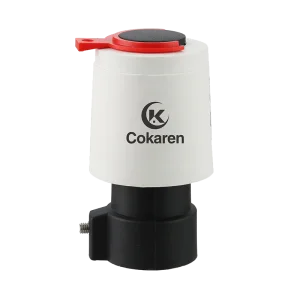
Cokaren, the dynamic new brand under Yongda Fluid Control, is committed to creating refined engineering components that pair clean, functional designs with peerless longevity. Our core promise—"keep flowing, keep warming"—reflects our dedication to reliable residential and industrial environments.
Through intelligent product layouts, Cokaren is developing a presence as a reliable global brand, aiming to solve modern hydronic challenges by integrating high-precision manufacturing with strict testing. We align employee happiness, structural innovation, and product safety to provide customer-focused service.
Corporate Culture: Struggle, Enterprising, Pragmatic, Innovative
Corporate Tenet: Customer First, Quality Based
Quality Policy: Fine work, no leakage
Understanding the engineering priorities of procurement executives, project planners, and industrial distributors globally.
Global legislation enforces stricter limits on lead migration in drinking water (e.g., Safe Drinking Water Act in North America, REACH and RoHS in the EU). Sourcing managers seek brass products cast from high-grade, zero-lead, and dezincification-resistant (DZR) alloys like CW602N or CW724R.
Every HVAC installation or plant floor possesses distinct pressure drop limits, installation footprints, and dynamic temperatures. Standard catalog valves rarely meet these exact parameters. Access to OEM/ODM solutions—backed by 3D prototyping and stress analysis—is highly valued.
Fulfilling bulk projects requires stable production capacities. With over 80,000 square meters of actual usable space and 600+ testing machines, we assure partners of consistent supply, preventing downtime on major construction sites or factory setups.
Integrating individual hardware components into efficient, balanced hydronic energy distribution networks.
Efficient building heating and cooling rely on balanced fluid loops. By integrating smart manifolds with mixing systems, automatic vents, and thermostatic regulation, our systems help limit energy loss while keeping interior environments stable.
Safety valves protect this loop by venting overpressure safely without interrupting the primary circulation network. This structural resilience helps safeguard local investments in commercial HVAC assemblies.

Fig 1: Dynamic Heat Mapping & Energy Distribution Architecture

Acts as the primary filtration barrier, removing up to 98% of particulates and suspended solids to prevent scaling and valve wear in municipal and residential systems.
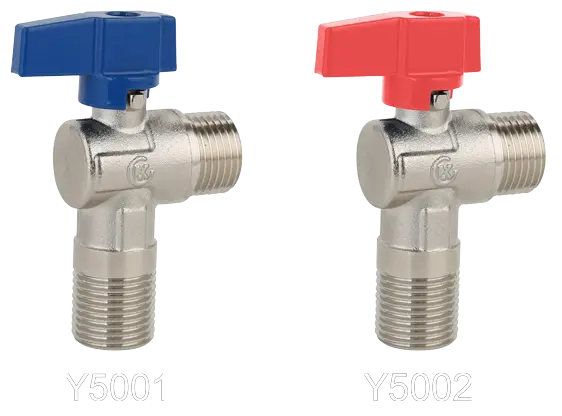
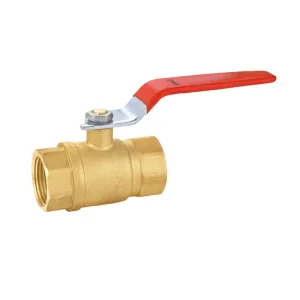
Engineered with a spherical spool configuration to regulate cold/hot water inlets and outlets directly on central boiler setups, offering reliable seal shutoff.
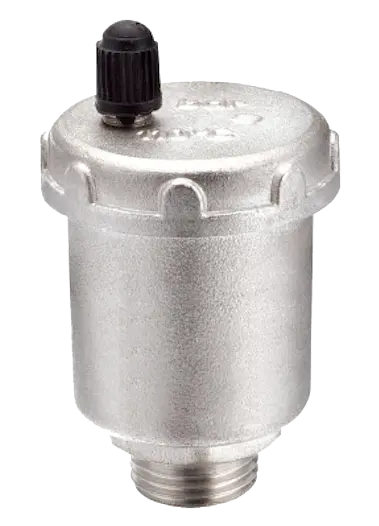
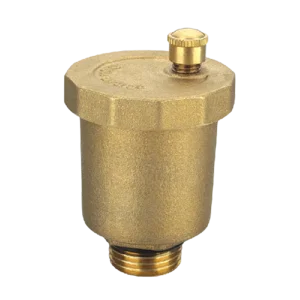
Automatically discharges trapped air from systems to prevent water hammer, cavitation, and heat transfer degradation in high-temperature loops.
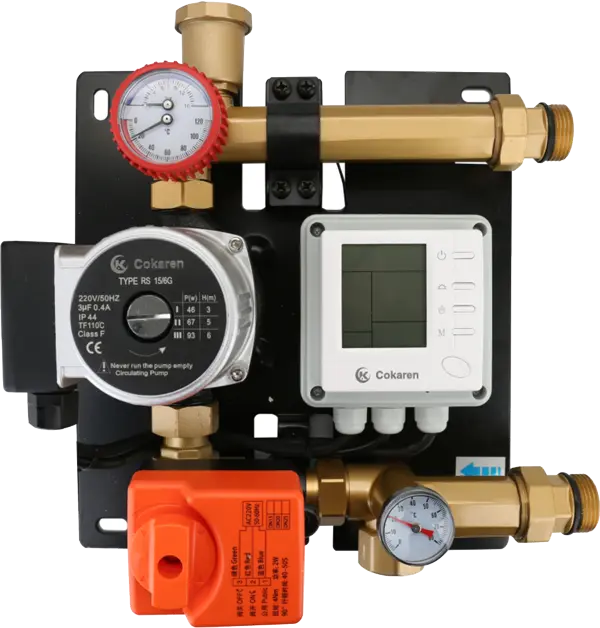
Manages return temperature balance by blending supply and return water to prevent thermal shock in heat exchangers.
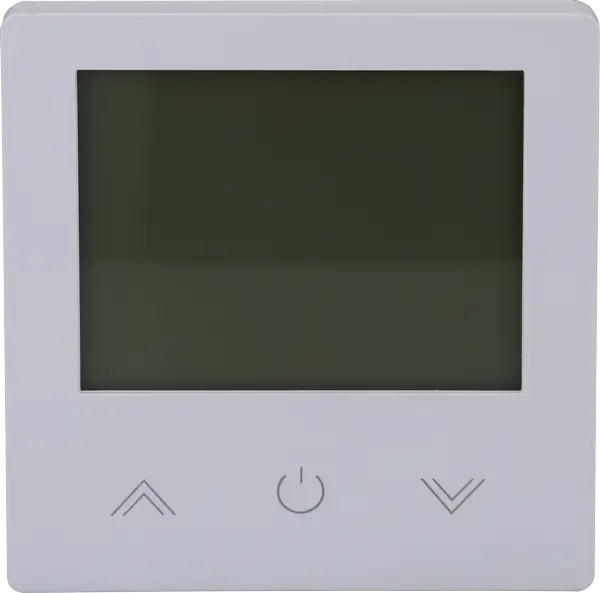
Monitors indoor parameters to optimize valve positioning, supporting centralized climate control setups.
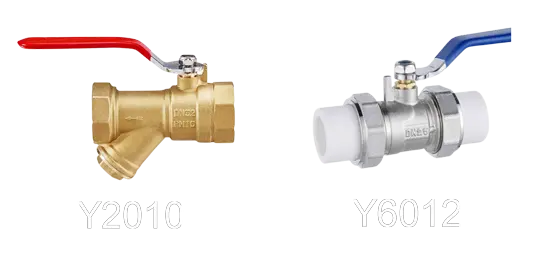
Provides dual-channel pressure balancing and sediment filtration, enabling precise tuning of flow distribution networks.
How current environmental legislation, materials research, and smart automation shape the future of safety valves.
Transitioning toward highly stable alloys resistant to stress-corrosion cracking (SCC) under high temperatures. Designing components to resist dezincification in complex municipal chemistries.
Integrating low-power sensors onto manifold bypass zones to transmit real-time differential pressures. This data helps schedule preventive maintenance before an overpressure event occurs.
Structuring production facilities to minimize ecological impact. Optimizing scrap brass reclamation and adopting non-toxic plating processes to comply with global green mandates.
Yongda Fluid Control establishes manufacturing reliability through internationally recognized quality verification protocols. The enterprise operates under a strict, continuously updated framework:
Our testing laboratory houses dedicated spectrometers, tension testers, salt spray corrosion units, and dynamic lifetime simulators. These validation processes help ensure each safety accessory conforms to target pressures prior to packaging.

Answers to common technical, material, and regulatory inquiries regarding safety relief devices.
CE-certified safety valves are designed and tested to satisfy the Pressure Equipment Directive (PED) 2014/68/EU. Unlike generic relief valves, which may open gradually relative to pressure rise, certified safety valves must pop open rapidly at the specified set point and provide validated discharge capacity, backed by strict independent auditing.
Under elevated water temperatures and oxygen exposure, standard brass alloys can lose zinc, leaving a porous, structurally weak copper skeleton (dezincification). DZR brass contains specific chemical properties to prevent this degradation, safeguarding system integrity over years of service.
Operational regulations recommend inspecting safety valves at least once a year. Regular manual lifting checks or pressure benchmarking help prevent seat sticking caused by mineral deposits or scale build-up.
Under CE guidelines, safety valves are set, sealed, and verified at the factory to prevent unauthorized tampering. Changing the set pressure on-site voids the certification and could compromise the safety of the system.
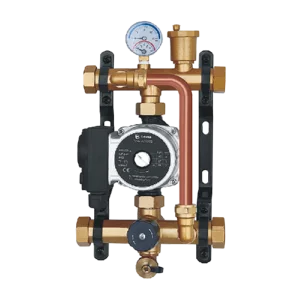
Water mixing shunts blend hot boiler water with cooler return water, preventing thermal spikes from entering underfloor pipe runs. This protects plastic tubing from overheating and reduces thermal expansion stresses across manifold fittings.
Review our broader range of valves, check units, and PEX brass fitting assemblies constructed to international specifications.