 Yongda
Yongda
Yongda
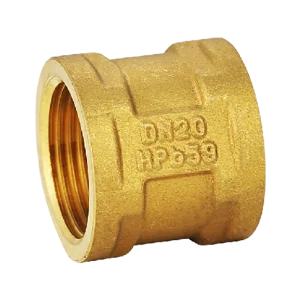
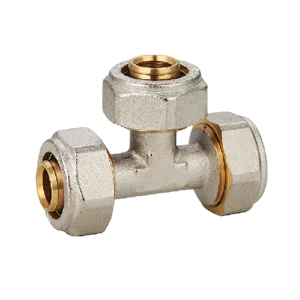
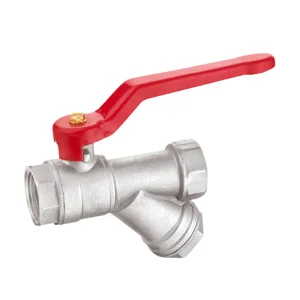
Explore our verified selection of high-durability valves and fittings engineered for industrial heating and boiler operations.
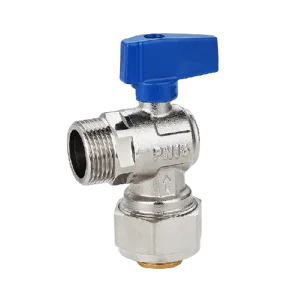
In thermal energy, processing plants, and district steam utilities, the steam check valve (also termed non-return valve) performs a critical security function: preventing system backflow. Backward flows of pressurized condensate or high-velocity dry steam can induce severe water hammers, component ruptures, and permanent boiler failures.
Our steam check valves adhere strictly to the Pressure Equipment Directive (PED) 2014/68/EU. The CE certification signifies that every valve size, metal thickness, and cracking threshold has undergone stringent finite element analysis (FEA) and physical pressure endurance checks.

From a regional valve factory to an international supplier of premium HVAC, brass, and industrial fluid control components.
Procurement officers and utility engineers across high-pressure system fields seek specific variables when reviewing vendor estimates. The most common procurement friction points include:
Steam environments demand zero-leakage profiles. Metal-to-metal seating or specialized high-temp PTFE components are necessary to survive thermal cycling. Our engineers build custom cracking pressure springs to prevent line pulsations.
To receive a precise estimate, provide your working pressure (PSI/Bar), operating temperature, flow rate (Kv value), connection standards (ANSI, EN, or JIS), and specific medium traits (saturated steam, hot water, or steam condensate).
Buying cheap components results in costly plant shutdowns. By employing precision hot forged brass and automated machining, we ensure long operational lifetimes and low pressure drops to lower your overall energy expenditure.

At Yuhuan Yongda Fluid Control Co., Ltd., our engineering principles focus on "fine work, no leakage". To support our global client network across more than 20 countries, we adapt to regional regulatory systems:
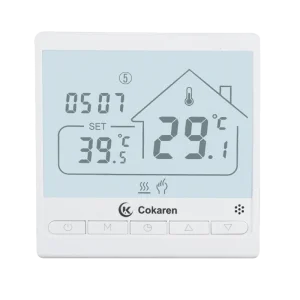
Under our specialized brand, Cokaren, we provide professional services and refine products for elegant aesthetics and high performance, following our brand core: "keep flowing, keep warming".
The future of thermal utility flow control centers on efficiency, mechanical telemetry, and environmentally safe alloys.
Developing corrosion-resistant, lead-free brass formulations that meet strict clean water laws in North America and Europe while preserving high-temperature endurance.
Combining traditional check valves with flow-sensing technology to feed real-time performance indicators directly to building management systems (BMS).
Applying computational fluid dynamics (CFD) to design check valve interiors that reduce pressure drops, optimizing overall pump and boiler operations.
Technical answers to common questions about industrial fluid check valves, CE regulations, and quotes.
Cracking pressure—the minimum upstream pressure needed to open the check valve—must be designed to match your application. In steam lines, this pressure must prevent chatter (rapid opening and closing caused by low flow) while allowing the valve to open fully at normal flow rates. Standard spring-loaded models range from 0.05 bar to 0.5 bar, depending on installation configurations (vertical vs. horizontal flow).
Standard non-return valves often rely on soft sealing rings made of NBR or EPDM, which decay rapidly when exposed to temperatures above 120°C. High-velocity steam causes cavitation and rapid erosion. High-temperature steam demands metal-to-metal sealing surfaces or specialized grades of PTFE/VITON along with premium brass or stainless steel housings to prevent backflow leakage.
Every custom valve order undergoes our complete verification pipeline: initial design verification, FEA stress simulation, prototype validation, and batch pressure tests. We provide certificate documentation that verifies conformance to European Union pressure equipment rules, ensuring safe installation by mechanical contractors.
Water hammer happens when a check valve closes slowly after steam flow reverses, allowing the fluid column to slam backward against the closed seat. This can be resolved by using spring-assisted fast-closing check valves. The spring pushes the valve disc shut the moment flow slows, preventing fluid momentum from building in reverse.
Please prepare details on: expected size range (DN15-DN300), nominal pressure rating (PN16-PN40), piping connection style (threaded, flanged, or sweat), fluid state (saturated steam, dry steam, or superheated condensate), and annual production volume requirements.
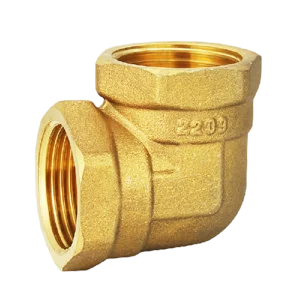
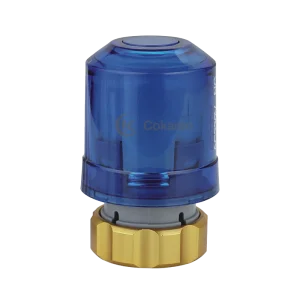
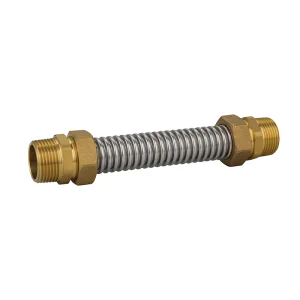
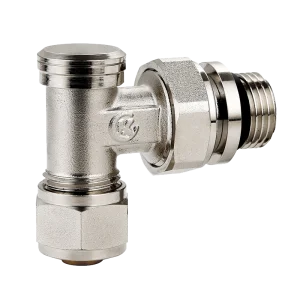
Select from our certified range of fittings, manifold adapters, and actuators to optimize your municipal and residential piping systems.