 Yongda
Yongda
Yongda
In high-velocity fluid networks, pressure surges and backflow represent significant structural risks. A tilting check valve (commonly designated as a tilting disc non-return valve) addresses these challenges through a uniquely pivoted disc design. Unlike conventional swing check valves, the pivot axis of a tilting disc valve is strategically located near the center of flow. This geometry allows the fluid dynamic torque to assist in both opening and closing operations, reducing the travel distance of the disc and substantially accelerating its closing speed.
This rapid close mechanism is critical in mitigating water hammer (hydraulic shock). When a pump shuts down, the reversing flow can slam a standard swing check valve shut, causing massive pressure spikes. The tilting check valve closes just before the reverse flow velocity reaches its peak, ensuring quiet operation and protecting upstream pumps, manifolds, and boilers from destructive physical forces.
From a thermodynamic and mechanical perspective, the pressure drop across standard check valves directly correlates with increased energy consumption at the pumping station. Tilting check valves present an aerodynamic profile to the flow. When fully open, the disc is suspended stably in the flow stream, minimizing turbulence. The double-eccentric pivot offset ensures that friction between the seat and seal is virtually eliminated during actuation, leading to a long mechanical lifespan and low maintenance cycles.

For European municipal and industrial markets, compliance with the Pressure Equipment Directive (PED) 2014/68/EU is a mandatory safety and performance requirement. Standard non-return valves operating in high-pressure networks must undergo strict testing protocols to obtain the CE Certification mark. Under the PED, check valves are categorized based on their nominal size (DN), maximum allowable pressure (PS), and the nature of the fluid medium (Group 1 hazardous fluids vs. Group 2 non-hazardous liquids/gases).
CE Certification guarantees that the valve design, material sourcing, structural wall thickness, and pressure-testing limits have been verified by a Notified Body. Yuhuan Yongda Fluid Control Co., Ltd. ensures that every tilting non-return system conforms to European standard EN 16767 for industrial valves. This involves hydrostatic shell testing at 1.5 times the pressure rating and seat leak tests to ensure bubble-tight isolation, protecting engineers and operators alike.
Procuring industrial-grade valves from global manufacturers requires clear understanding of localized regulatory environments. While CE Marking covers EU jurisdictions, municipal water grids in North America demand compliance with NSF/ANSI 61 (for lead-free drinking water systems) and AWWA C508 standards. Similarly, the United Kingdom requires WRAS (Water Regulations Advisory Scheme) approvals for fluid equipment, and Germany mandates DVGW certifications.
To streamline global distribution, Yuhuan Yongda provides localized engineering files, detailed product dimensions in both metric (DIN/EN) and imperial (ANSI) standards, and materials traceability maps (MTRs conforming to EN 10204 3.1). This detailed documentation reduces lead times at international customs and guarantees acceptance by local construction and plumbing inspection authorities.
Established in 1996 in Yuhuan, Zhejiang ("China's Valve Capital"), Yuhuan Yongda Fluid Control Co., Ltd. has developed into a premier global designer of high-performance brass valves, fittings, and advanced HVAC control systems.
"Keep flowing, keep warming"
Serving mid-to-high grade markets in North America, Europe, and over 20 nations worldwide.
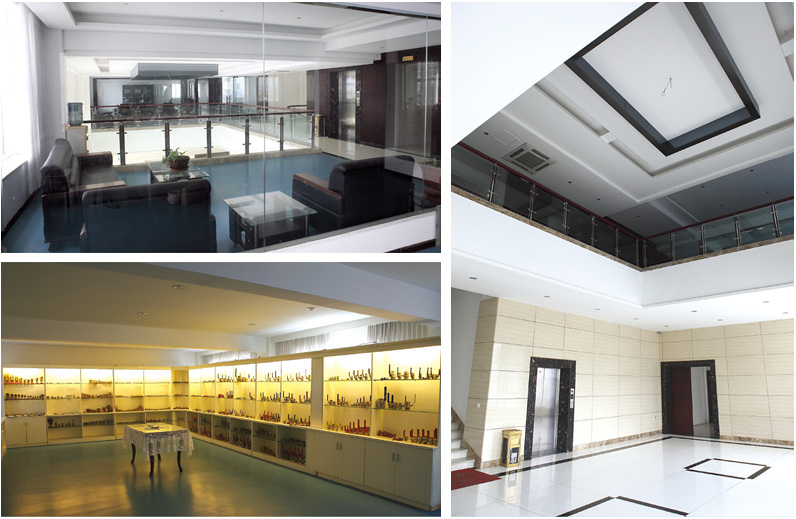
How our localized integration in Yuhuan ensures structural pricing advantages, rapid tooling, and uncompromised quality.
From raw hot-forging of high-grade brass to precise multi-axis CNC milling, all manufacturing phases occur under one roof. This minimizes transportation delays and quality gaps.
Adhering to our corporate mandate of "Fine work, no leakage", we conduct 100% pneumatic testing for air-tightness and shell hydrostatic tests on our entire catalog.
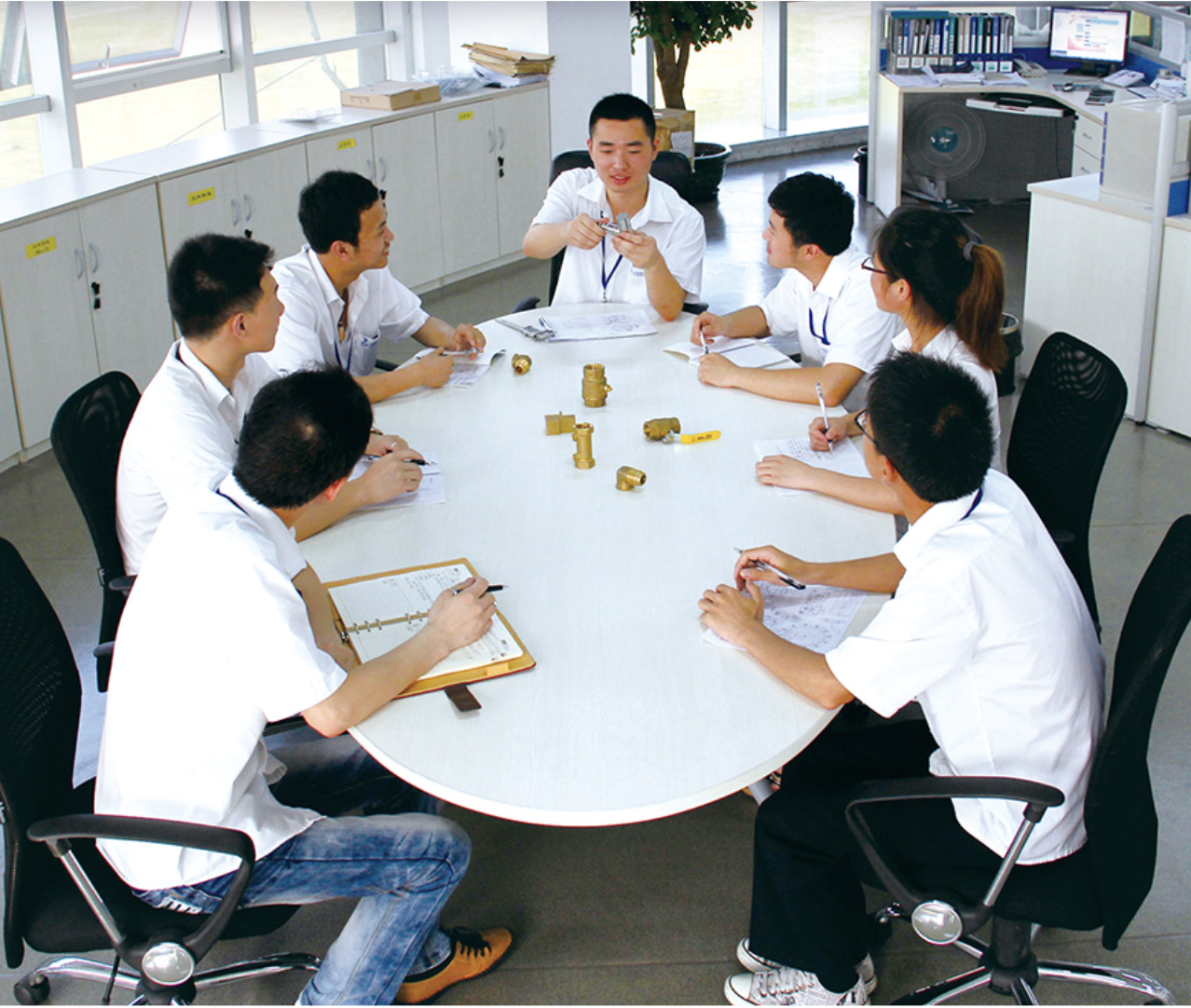
Our plant incorporates more than 80 sets of specialized machine tools. This advanced machinery facilitates rapid prototyping, custom valve designs, and tailored OEM integrations.
We are driven by our foundational values: Struggle, Enterprising, Pragmatic, and Innovative. Our primary business tenet places customer safety first, supported by quality-focused manufacturing. We continuously invest in improving our engineering capabilities and employee welfare, aligning organizational progress with human development.
Our commitment to reliable fluid control is backed by internationally recognized management certifications:

Explore our specialized valve assemblies designed to optimize heat transfer, stabilize pressures, and prevent reverse flow in domestic heating networks.
Our integrated fluid control line contains primary distribution manifolds, thermostat mixing links, and security valves required for complex building designs.

Serves as the first line of defense in domestic water sanitation, filtering 98% of particulates and suspended solids in the pipeline.
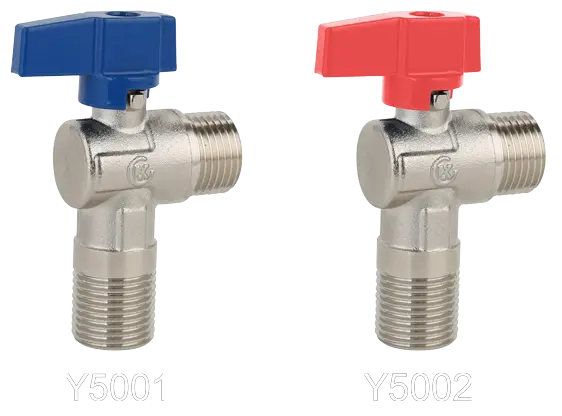
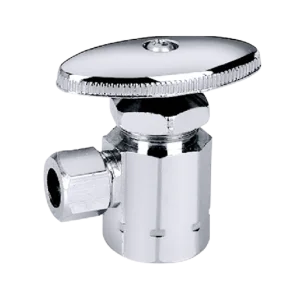
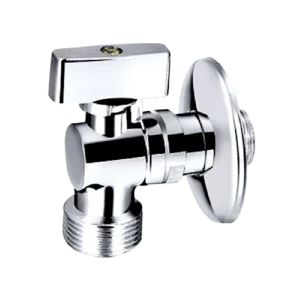
Designed to regulate inflow and outflow of water in boilers, using a spherical spool for bubble-tight seal security.
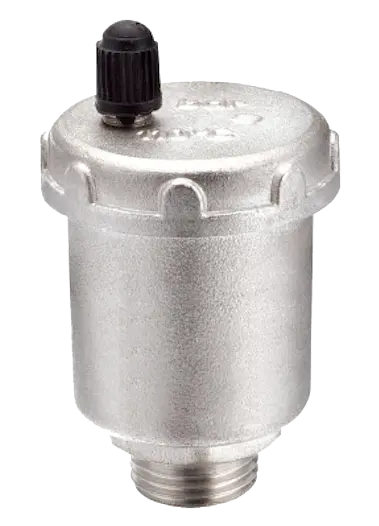
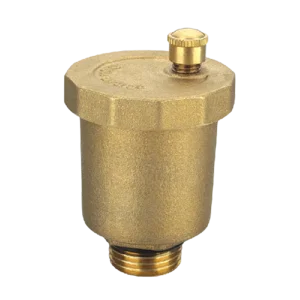
Expels locked air pockets from heat pumps and boilers to prevent air lock, system noise, and oxygen-based corrosion.
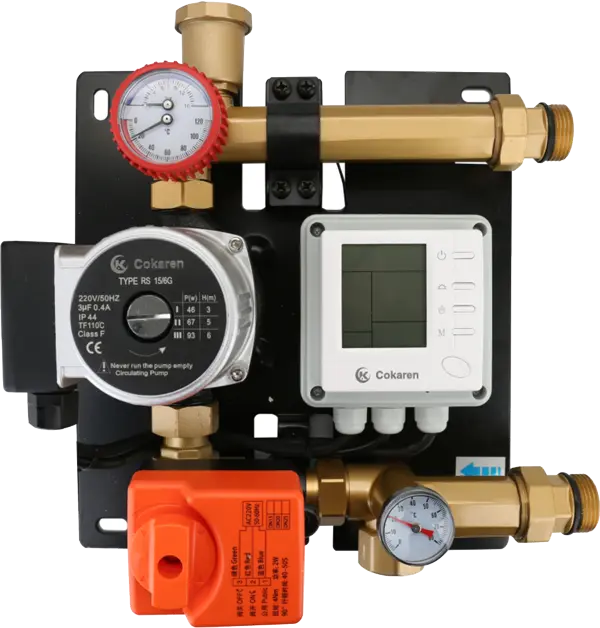
Blends hot boiler supply with cold underfloor returns, ensuring consistent fluid delivery temperatures to protect piping networks.
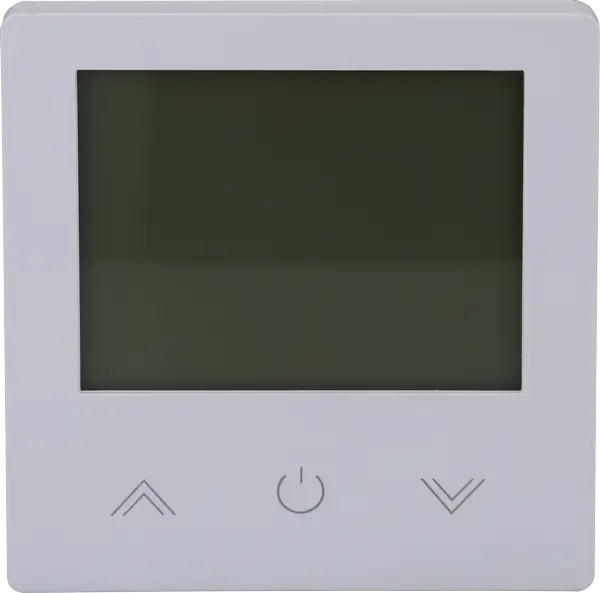
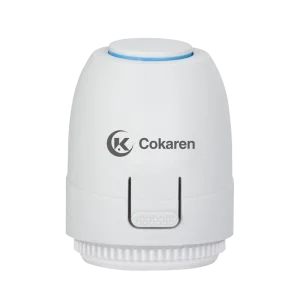
Centralizes localized room readings and interfaces with zone control actuators for intelligent thermal dispatch.
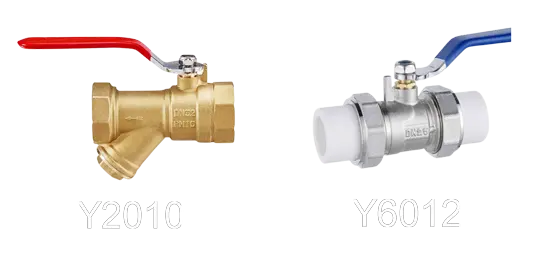
Multi-functional assembly filtering medium impurities, controlling manifolds, and monitoring water pressure and temperature.
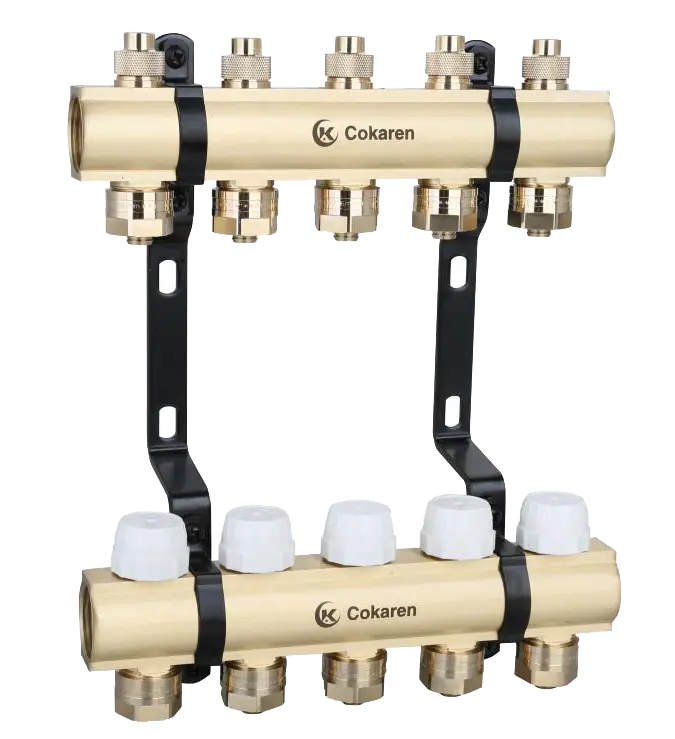
Distributes underfloor heating loops evenly across building zones to ensure uniform temperature gradients and balanced pressure drops.
We specialize in customized alloy formulations and bespoke thread designs tailored to specific municipal or commercial codes.
Contact An Engineer →Adapting backflow preventers to rising sustainability standards, lead-free legislations, and dynamic building automation.
Municipal drinking networks and water treatment plants are implementing strict requirements regarding heavy metal leaching. European standards (under the REACH framework and RoHS directive) and American regulations (NSF/ANSI 372) restrict allowable lead limits in wetted metal parts to less than 0.25%. Modern factories use advanced silicon-modified brass (eco-brass) to ensure high machinability and corrosion resistance while meeting these safety rules.
Modern commercial hydronic loops rely on Variable Frequency Drive (VFD) pumps to regulate flow rates dynamically. Fluctuating system pressures require check valves that respond rapidly to flow reversals without causing excessive pressure drops. Tilting check valves, featuring balanced pivot mechanics, deliver fast closure and minimal flow resistance, making them ideal for VFD-controlled environments.
Prevents basin draining and flow reversal during pump shutdowns, maintaining system prime.
Protects sub-stations from thermal back-feeding and pressure surges originating from centralized boilers.
Ensures unidirectional chemical processing flow while safeguarding upstream dosing systems.
Technical clarifications on CE compliance, installation criteria, and fluid dynamics of check valves.