 Yongda
Yongda
Yongda
Industrial grade valve systems designed for residential, HVAC, and commercial heating loops.
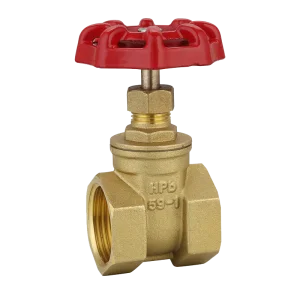
The global industrial fluid control ecosystem is undergoing a massive transformation, shifting from legacy mechanical throttling mechanisms to intelligent, motorized, and automatic gate valves. Underpinning this evolution is the rising demand for thermal efficiency, decarbonized district heating (HVAC), and precision municipal supply infrastructures. Automatic gate valves, particularly brass and customized alloy variants, operate as the critical nodes in these networks. They prevent thermal loss, manage pressure drops, and interface dynamically with Building Management Systems (BMS).
In highly regulated markets like North America and the European Union, the deployment of water systems is restricted by rigorous material guidelines. Legacy plumbing components are rapidly replaced by Lead-Free and Dezincification Resistant (DZR) brass alloys. These materials conform to NSF/ANSI 61 and Safe Drinking Water regulations. Chinese manufacturers have established massive production lines using integrated vertical supply ecosystems to meet this international demand. They combine casting, hot-forging, precision multi-axis CNC machining, and automated pneumatic leak-testing to deliver high-quality, cost-efficient solutions.
To design a robust automatic gate valve or high-precision flow valve, engineers must match material selection with the physical stresses of the application environment. For residential water control and underfloor hydronic distribution systems, brass remains the material of choice due to its superior ductility, thermal conductivity, and natural biostatic properties. The table below outlines the primary metallurgical alloys utilized in our manufacturing processes:
| Alloy Specification | Standard Compliance | Key Mechanical Properties | Typical Application Scenario |
|---|---|---|---|
| CW617N (CuZn40Pb2) | European EN 12165 | Optimal hot forging, high tensile strength | Standard manifold loops & HVAC mixing valves |
| C37700 | ASTM B124 / B124M | Excellent machinability & resistance to shear | High-pressure manual gate valves & hose bibcocks |
| DZR Brass (CW602N) | BS EN 12164 / ISO 6509 | Resists acidic water, zero dezincification risk | Potable water distribution & district heating loops |
| Lead-Free Brass (C46500) | NSF/ANSI 61 & NSF 372 | Lead content < 0.25%, compliant with EPA laws | Drinking water filtration & municipal inlets |
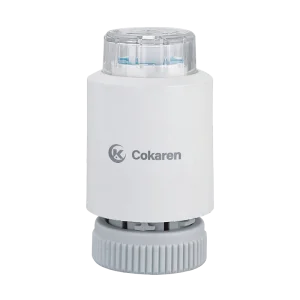
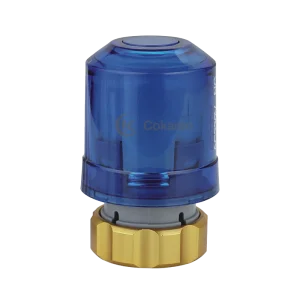
Beyond material science, the actuation mechanism represents the core technology of automatic systems. Modern configurations integrate thermal actuators or electric motor drives directly onto the valve body. In floor heating applications, a thermal actuator (filled with expanding paraffin wax) receives a 24V or 230V electric signal from a wall thermostat. The expansion of the wax creates mechanical force, pushing down the inner pin of the manifold distribution valve to close or open the flow. This mechanism operates with minimal noise, low power consumption, and high repeatability over hundreds of thousands of cycles.
Delivering high-grade valve systems, mechanical components, and HVAC engineering solutions since 1996.
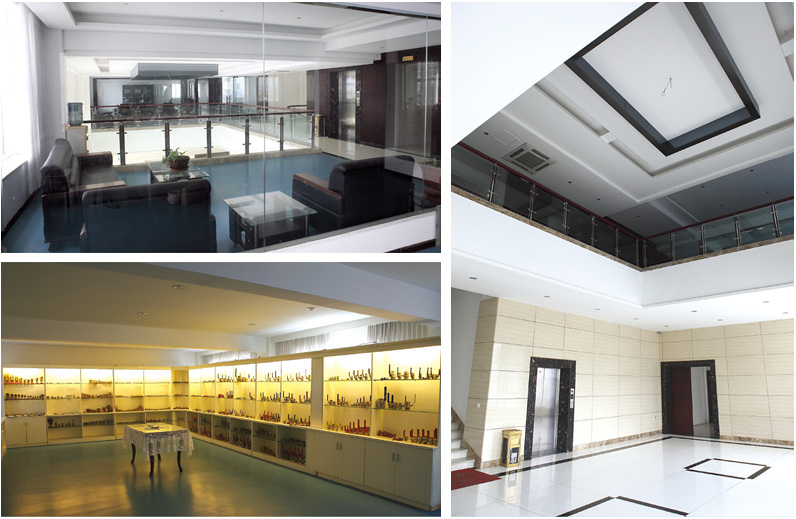
Yuhuan Yongda Fluid Control Co., Ltd. (formerly Yuhuan Yongda Plumbing Co., Ltd.) is located in the "China valve capital" – Yuhuan, Zhejiang. The facility covers a physical footprint exceeding 45,000 square meters, with an actual usable industrial space reaching 80,000 square meters.
Equipped with over 600 sets of advanced production and testing apparatus, including 80+ specialized high-precision machine tools, the plant meets a wide range of custom OEM/ODM parameters. Yongda specializes in mid-to-high-grade plumbing products, focusing on environmental sustainability and robust physical lifespans. Today, our products are widely exported to North America, Europe, and neighboring regions.

Cokaren is our premium brand dedicated to refined industrial aesthetics, high-tolerance engineering, and reliable customer service. Embodying our core philosophy of "keep flowing, keep warming", Cokaren products are engineered to optimize comfort and efficiency in hydronic systems around the globe.
Cokaren is pursuing a strategy of dynamic growth, aiming to establish itself as a recognized global brand in HVAC accessories and flow control components.
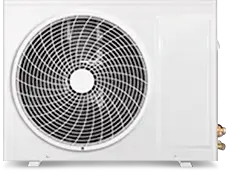
Exploring our specialized product solutions for domestic water sanitation, boiler regulation, and multi-zone thermal balancing.

The first line of defense in domestic water sanitation, designed to filter out 98% of physical impurities in pipelines.

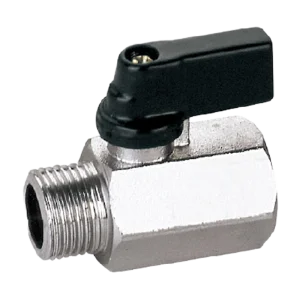
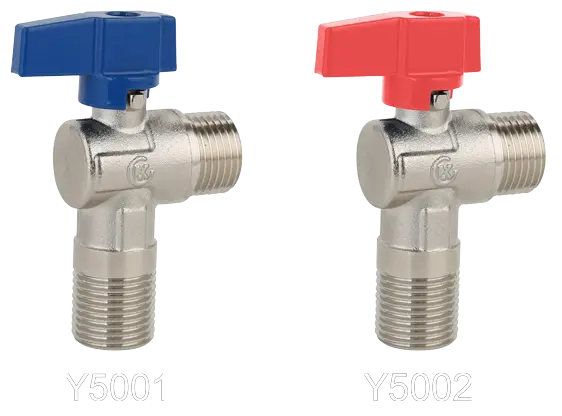
Controls the inflow and outflow of hot/cold water loops in the boiler using an integrated spherical spool.

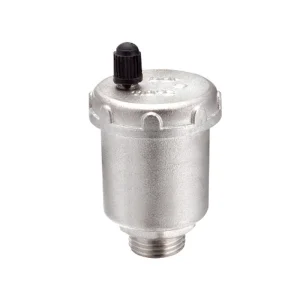
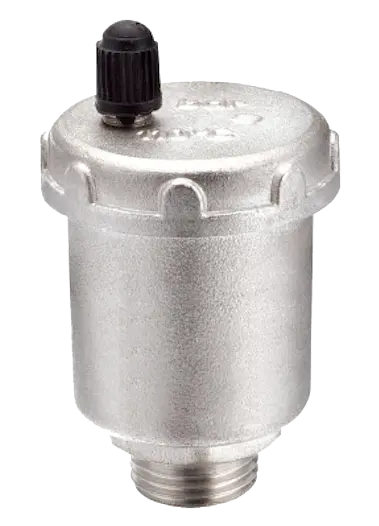
Automatically discharges excess air in heat pump and water heater loops to maintain system stability and prevent airlocks.
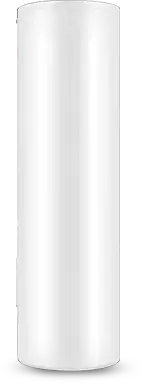
Mixes hot and cold supply lines to deliver safe, stable temperatures, protecting downstream piping from thermal shock.
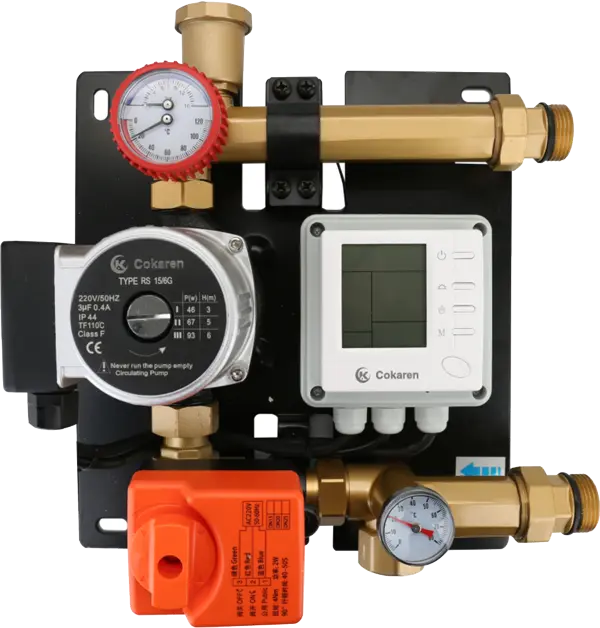

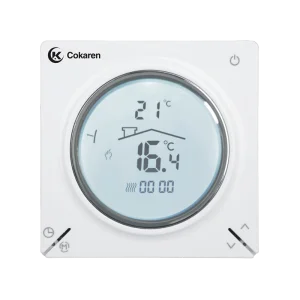
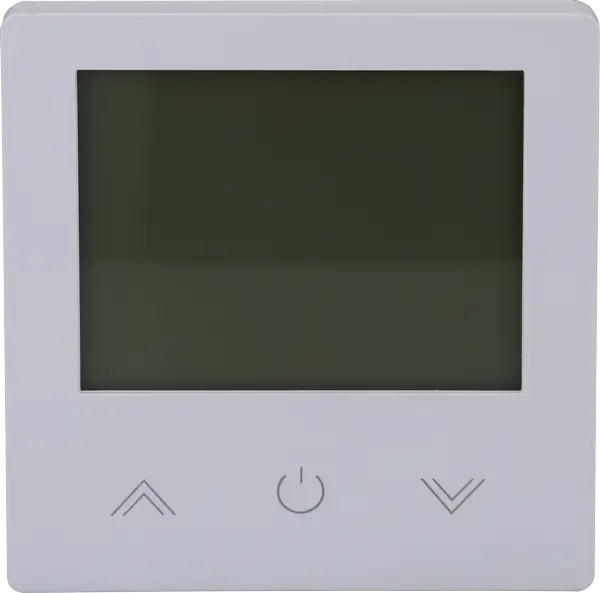
Integrates multiple heating components to monitor ambient room conditions and modulate automatic valves accordingly.
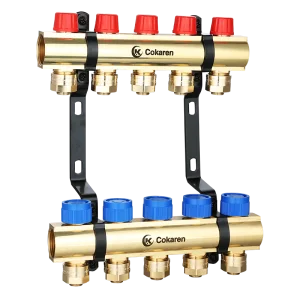
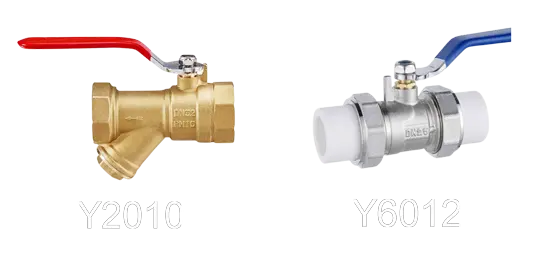
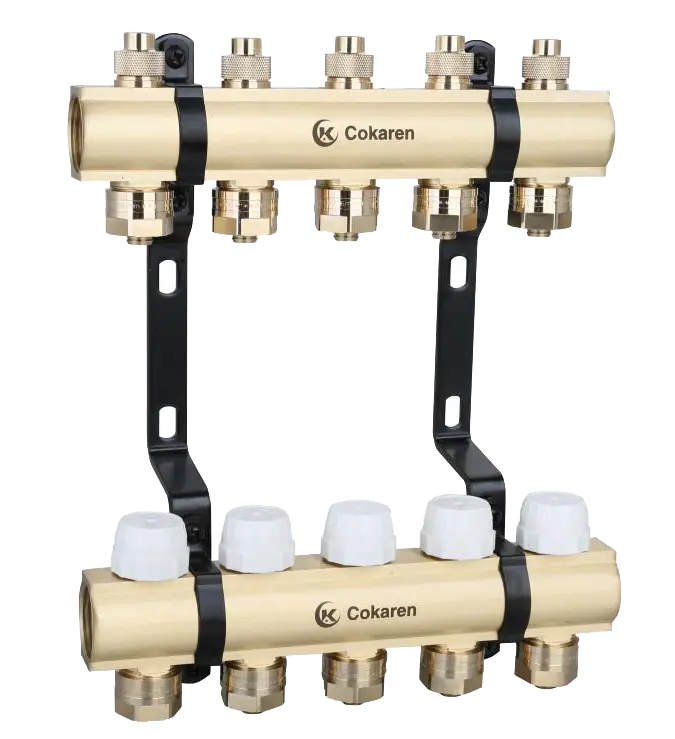
Our flagship distribution setup: The Y2010/Y6012 valve filters and discharges loop impurities while monitoring temperature and flow pressure. Working in tandem with the Y1001 Brass Manifold, it ensures uniform fluid distribution across multiple hydronic zones.
How modern automatic gate and flow valves solve real-world installation challenges in global projects.
Fluid dynamics and climatic conditions vary significantly by geography, requiring specialized field configurations:
The manufacturing ecosystem in Yuhuan, Zhejiang, offers significant structural advantages for global buyers. Operating within this specialized industrial cluster enables Yuhuan Yongda to streamline the entire production cycle, from raw alloy ingot sourcing to final testing. This local integration provides three key benefits:
Vertical Material Integration: Sourcing raw materials from local alloy smelters guarantees consistent brass chemistry. Keeping composition testing (including copper, zinc, lead, and iron percentages) within the local ecosystem minimizes raw material price volatility and ensures stable pricing for our clients.
Advanced Production and Quality Auditing: Utilizing over 600 sets of advanced testing and machining equipment allows the factory to maintain strict manufacturing tolerances (+/- 0.02mm). Each valve body undergoes rigorous pressure testing under our "Fine work, no leakage" quality policy before packaging and dispatch.
Logistical Advantage: Close proximity to major shipping ports like Ningbo and Shanghai reduces inland transit times. Real-time digital tracking and streamlined customs documentation minimize export bottlenecks, helping clients reduce warehousing costs and maintain lean safety stocks.
The transition toward smart grid environments requires next-generation valve solutions. We are focusing our research and development efforts on several key technological milestones:
Industrial components must meet strict compliance and safety standards. Yuhuan Yongda has established a comprehensive quality management framework certified to several international standards:

Expert answers to common engineering questions regarding the selection and installation of automated brass valves.
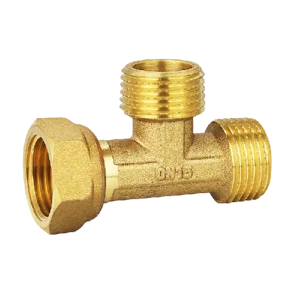
Industrial brass connections, high-pressure garden components, and PEX press fittings.