 Yongda
Yongda
Yongda
Explore our certified flow control and distribution assemblies engineered for high durability and performance.
A comprehensive analysis of design requirements, material selections, and performance paradigms for high-pressure industrial fluid systems.
Within modern flow control machinery, the ball valve stem plays a silent yet critical role. As the key link transmitting rotational torque from human or automated actuators directly to the valve's inner spherical closure element, the stem is subject to intense physical and environmental stress. A failure in the stem's mechanical integrity compromises the entire fluid distribution system, rendering it inactive or, in high-pressure installations, causing catastrophic leaks.
Modern industrial regulations mandate blowout-proof stem configurations. In this setup, the stem is designed with an integral shoulder inserted internally from within the valve cavity. Under elevated internal fluid pressure, this shoulder sits firmly against a matching machined seat inside the valve body, preventing the stem from ejecting outward even if the packing gland is unscrewed.
Selecting appropriate raw material alloys for ball valve stems is vital to ensure longevity and corrosion resistance. Since the stem is constantly exposed to line media and friction, materials must possess high tensile strength, excellent shear modulus, and chemical stability. While stainless steel variants (such as Duplex 2205 or SS316) are standard in heavy industrial chemical pipelines, brass alloys remain the prime choice for water supply systems, residential HVAC installations, and district energy networks.
Specifically, Dezincification Resistant (DZR) brass alloys (such as CW602N or CZ132) are frequently specified in regions with aggressive, low-salinity tap water. The presence of zinc in standard brass makes it susceptible to selective corrosion, leaving a porous copper structure that degrades mechanical strength. Under high torque, a de-zincified stem can shear easily. Using advanced hot-forging and extrusion processes, Chinese factories produce compliant, highly dense brass matrices that resist zinc migration, meeting stringent international standards such as EN 12164 and ASTM B124.
Yuhuan, Zhejiang, is universally recognized as the "valve capital of China," hosting highly specialized supply chains capable of delivering custom valve stems with micron-level tolerances. Precision machining of the stem's gland-packing interface and sealing surface is critical. Surface roughness (expressed as Ra values) directly influences the wear rate of the polymer packing materials (typically PTFE, RTFE, or graphite).
Through the deployment of multi-axis CNC turn-mill centers and rotary transfer machines, top-tier factories maintain surface finishes of Ra 0.4 μm or better. This precise finish minimizes frictional torque resistance during valve actuation and ensures a perfect, leak-free dynamic seal against the packing chamber. Furthermore, precise machining of drive flats (which interface with the actuator) prevents play and ensures accurate position tracking in automated control systems.
The operational environment dictates the selection and construction of the stem assembly. In cold climates where hydronic underfloor heating and district distribution systems are common, materials must accommodate dynamic thermal cycles. Over time, cycling between heating and resting states causes thermal expansion and contraction, which can compromise dynamic packing seals if tolerances are loose.
In municipal potable water applications, the emphasis shifts to chemical compliance. Stringent lead-free laws (such as NSF/ANSI 61 and NSF/ANSI 372 in North America) limit the lead content of wetted surfaces to under 0.25%. Chinese factories have updated their processing technologies to utilize lead-free copper-bismuth or copper-silicon alloys (like C46500 or C27450). Machining these alloys requires customized tool geometries and optimized cutting feeds to achieve high-quality surface finishes without accelerating tooling wear.
Strict composition control of Lead-Free or DZR elements.
Establishing optimal grain orientation for durability.
Precise dimensioning of drive flats and sealing areas.
Torque profile confirmation and dimensional check.
The valve manufacturing sector is moving toward digitalization and smart infrastructure integration. Future fluid loops require smart actuators that monitor operating torque. An unexpected increase in required torque is an early indicator of scale buildup or seal failure within the valve assembly. Stems are now designed to interface with digital torque measurement systems, incorporating specialized keyways and magnet rings for contactless position sensors.
Additionally, material science is exploring advanced surface coatings like Physical Vapor Deposition (PVD) and hard chrome plating. These coatings reduce friction coefficients and enhance the wear resistance of brass and steel stems. This ensures that even under harsh industrial conditions and dry-service cycles (where media lack natural lubricity), the stem operates reliably for decades.

Yuhuan Yongda Fluid Control Co., Ltd. (formerly Yuhuan Yongda Plumbing Co., Ltd.) was founded in 1996 and is located in the "China valve capital" – Yuhuan, Zhejiang. As a professional plumbing valve enterprise, it focuses on design, development, production, and sales.
Our catalog features three main categories: brass valves, fittings, and HVAC products, positioned in the mid-to-high-end segment to emphasize environmental protection and durability.
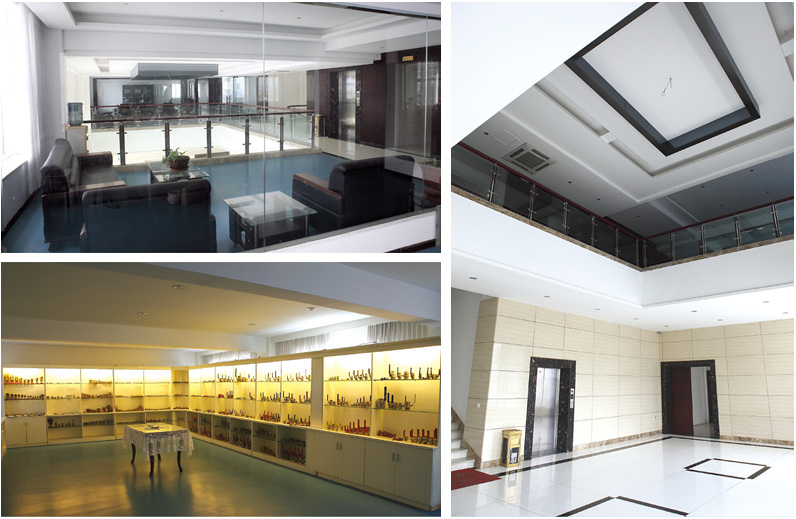
"Keep flowing, keep warming." Cokaren is dedicated to delivering water system accessories that bring comfort and reliability to residential and industrial environments worldwide.
Key metrics detailing our manufacturing scale and engineering capabilities.
High-efficiency components designed for modern hydronic heating, smart metering, and plumbing installations.
Our systems integrate manifolds, mixing units, and filtration systems to protect downstream piping, stabilize room temperatures, and optimize energy efficiency.


The first line of defense in domestic water sanitation, filtering 98% of pipeline impurities.
Learn More →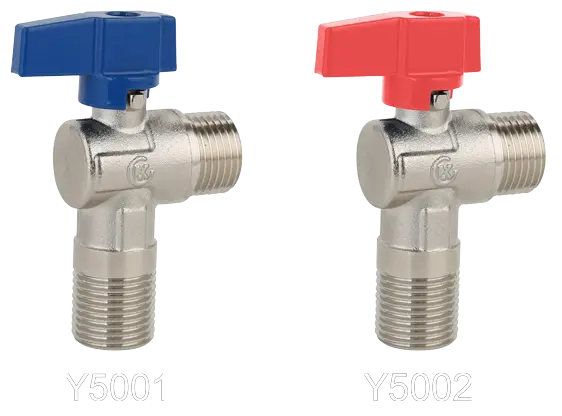
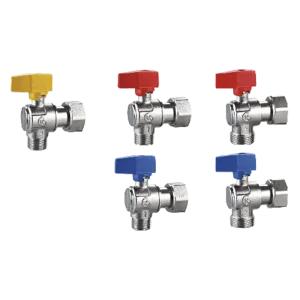
Controls inflow and outflow of cold and hot water in boilers, using a spherical spool.
Learn More →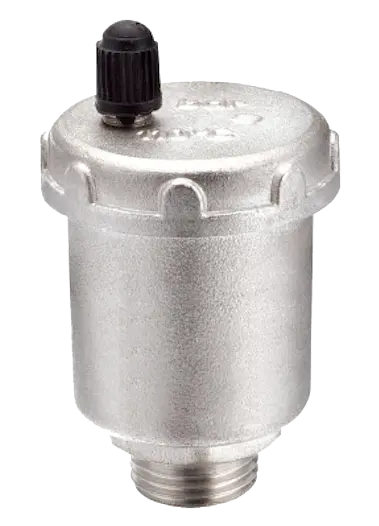
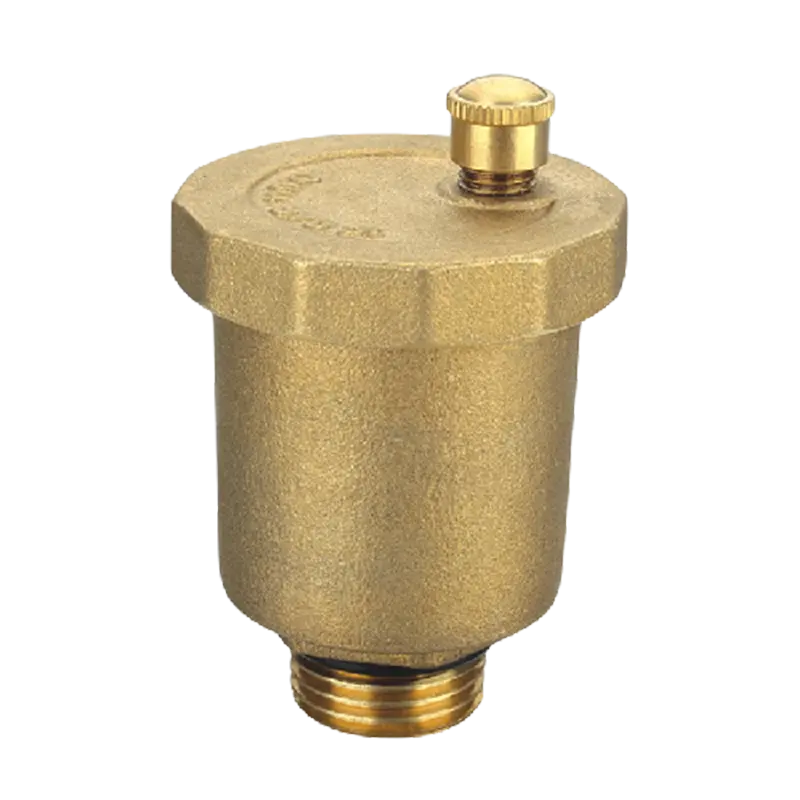
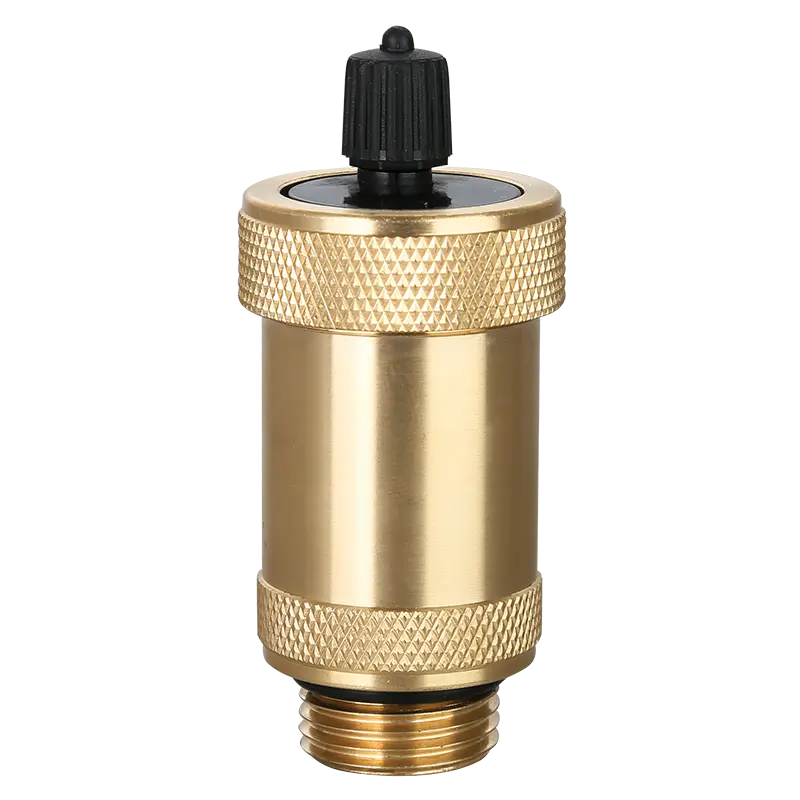
Discharges excess air in heat pump and water systems to maintain stable operation.
Learn More →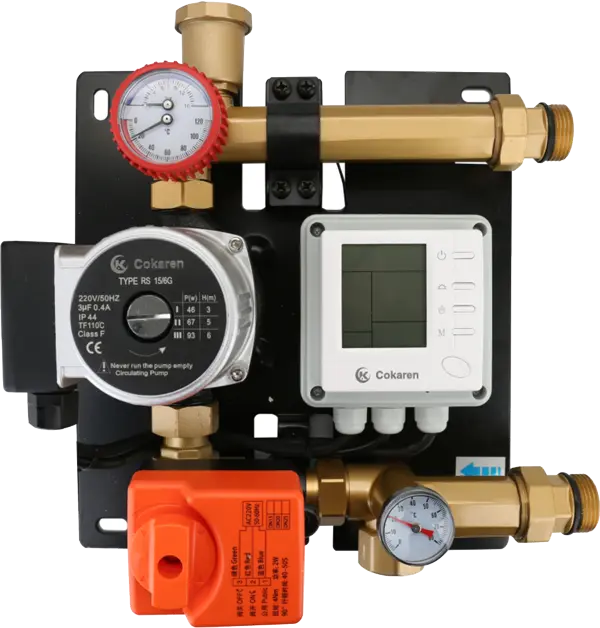
Mixes hot and cold water in pipes, stabilizing temperatures to protect the pipeline network.
Learn More →
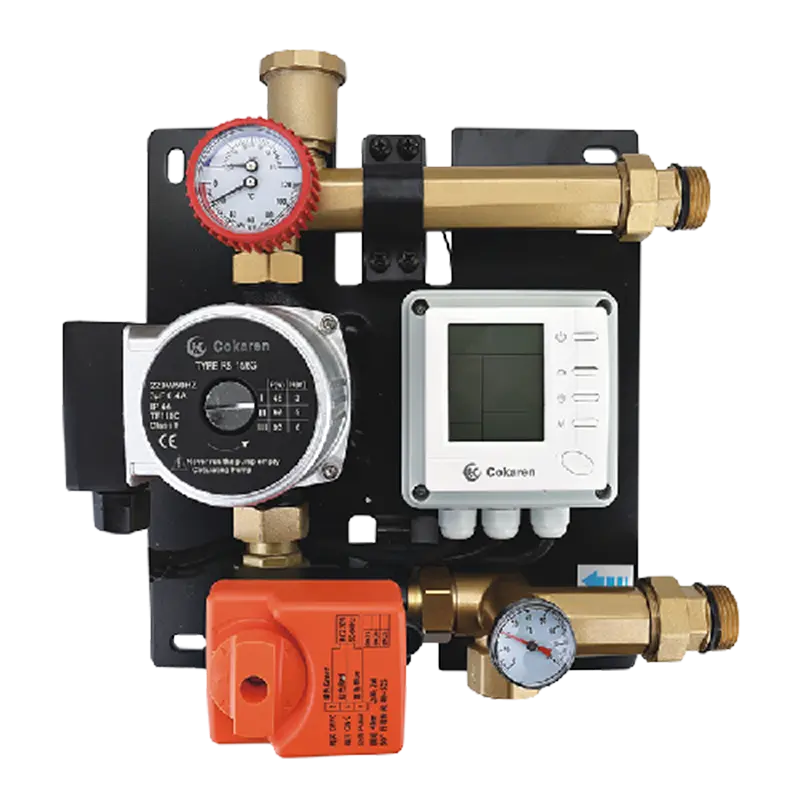
Integrates system equipment to optimize and regulate room temperature.
Learn More →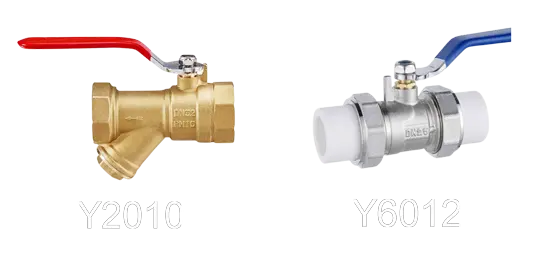
Filters impurities, controls the manifold switch, and measures system pressure.
Learn More →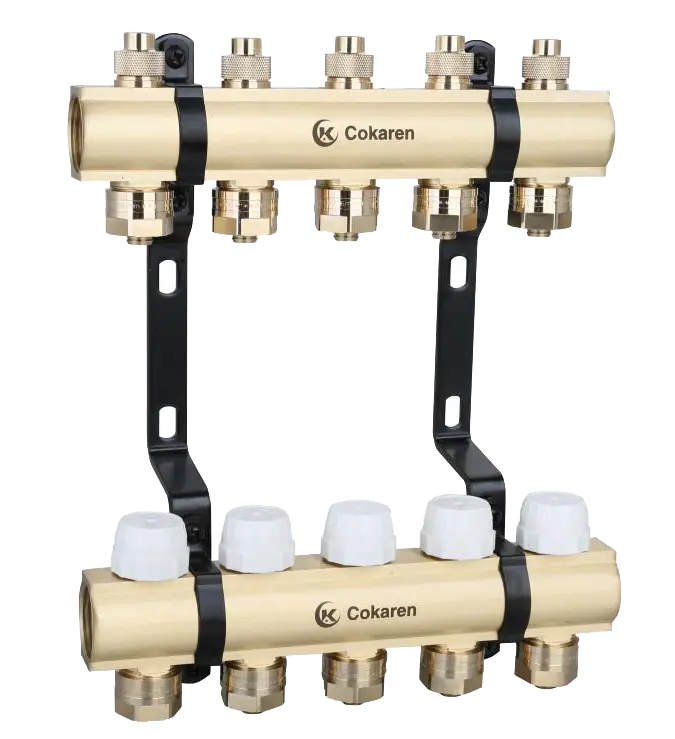
Distributes water flow across rooms, integrating with sensors for temperature control.
Learn More →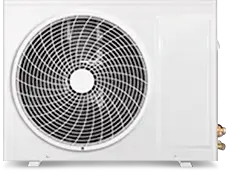






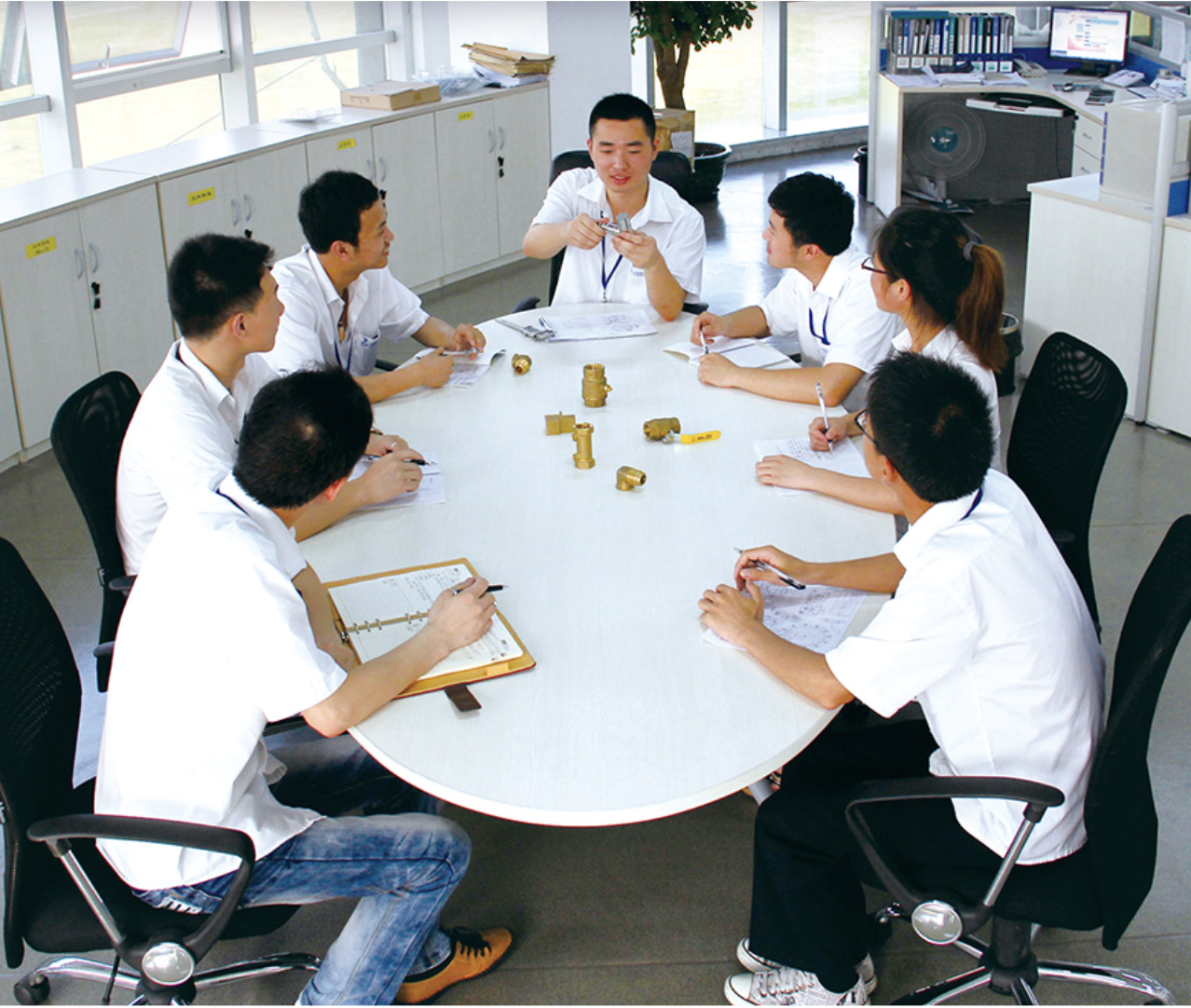

Yuhuan Yongda is structured around rigorous operational policies designed to ensure dimensional accuracy and long-term durability in our brass component assemblies.
| Corporate Pillar | Underlying Standard & Philosophy |
|---|---|
| Corporate Culture | Struggle, Enterprising, Pragmatic, Innovative |
| Operational Tenet | Customer first, Quality based |
| Quality Policy | Fine work, no leakage |
| Environmental Certification | ISO 14001:2015 |
| Health & Safety Certification | ISO 45001:2018 |
| Quality Management System | ISO 9001:2015 |
By synchronizing company growth with our employees' professional happiness, we sustain the high levels of focus needed to achieve zero-defect manufacturing. Every batch of extruded brass rods is tested for composition, stress corrosion cracking, and dimensional accuracy before entering the machining queue.
Explore our specialized brass valve series engineered for residential and commercial heating, piping, and distribution applications.
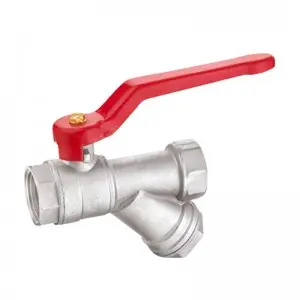
Designed to save space in system layouts by integrating a mesh filter directly into the ball valve body, protecting downstream components from abrasive particulates.
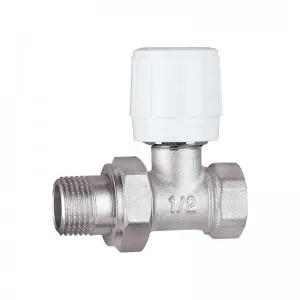
Features a manual control design that allows users to adjust fluid flow and regulate heat output across heating loops.
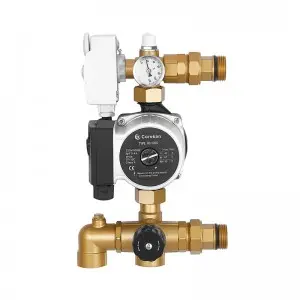
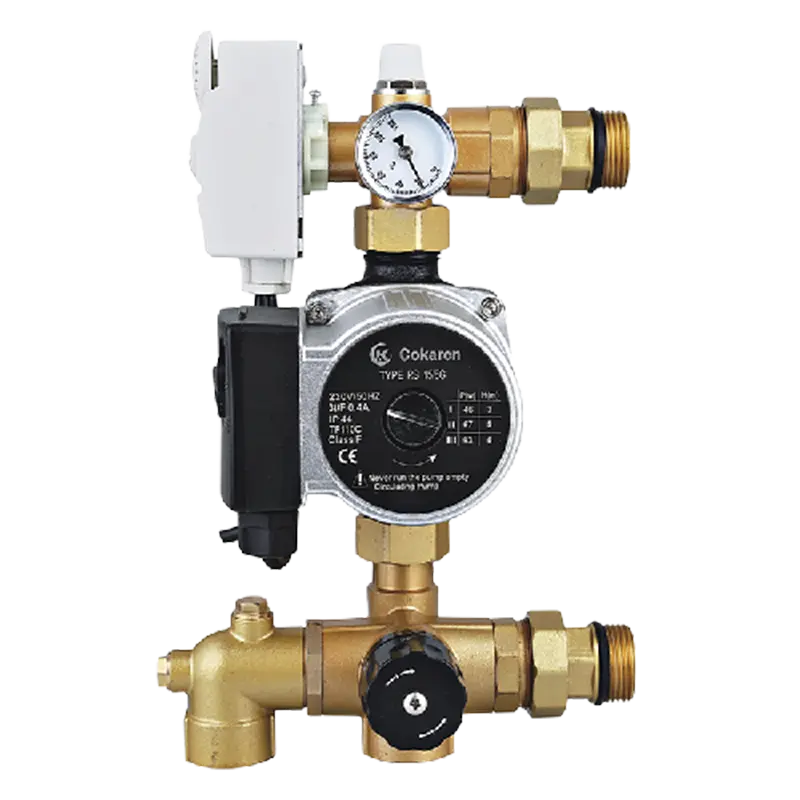
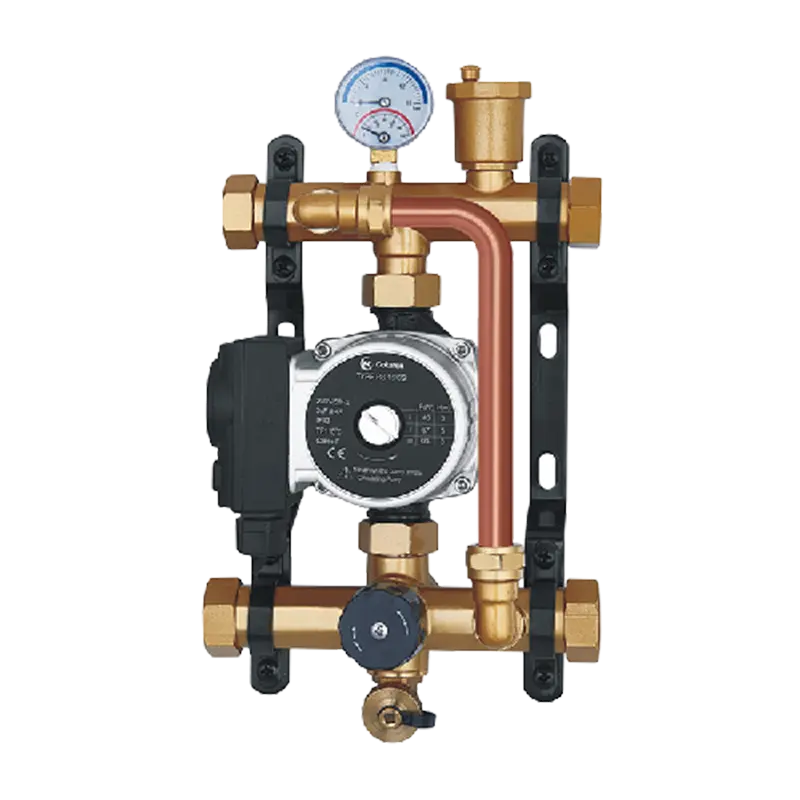
Integrates with underfloor heating loops, using a thermostatic sensor element to temper high-temperature source water down to safe distribution levels.
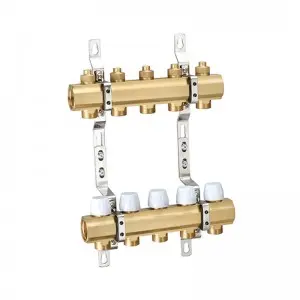
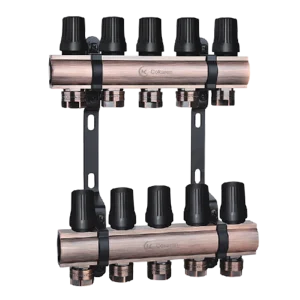
Provides central flow control for district supply arrays. Multiple outlets allow zone-by-zone adjustment for balanced performance.
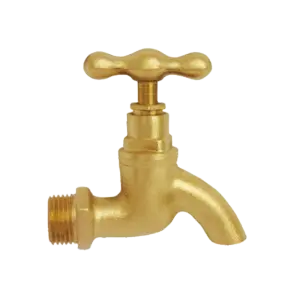
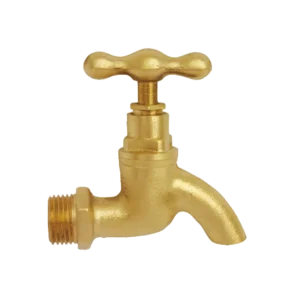
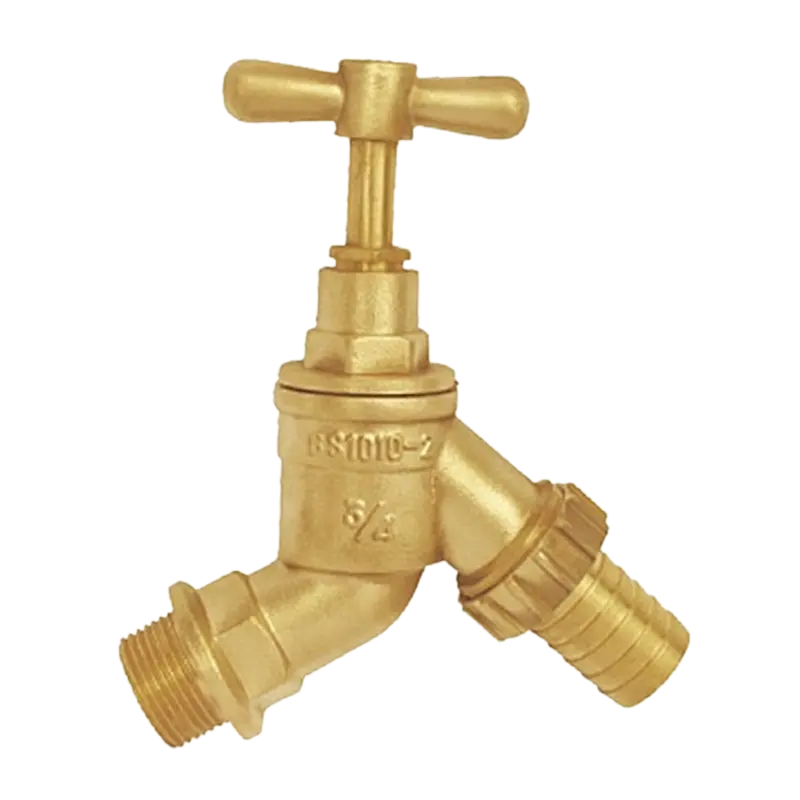
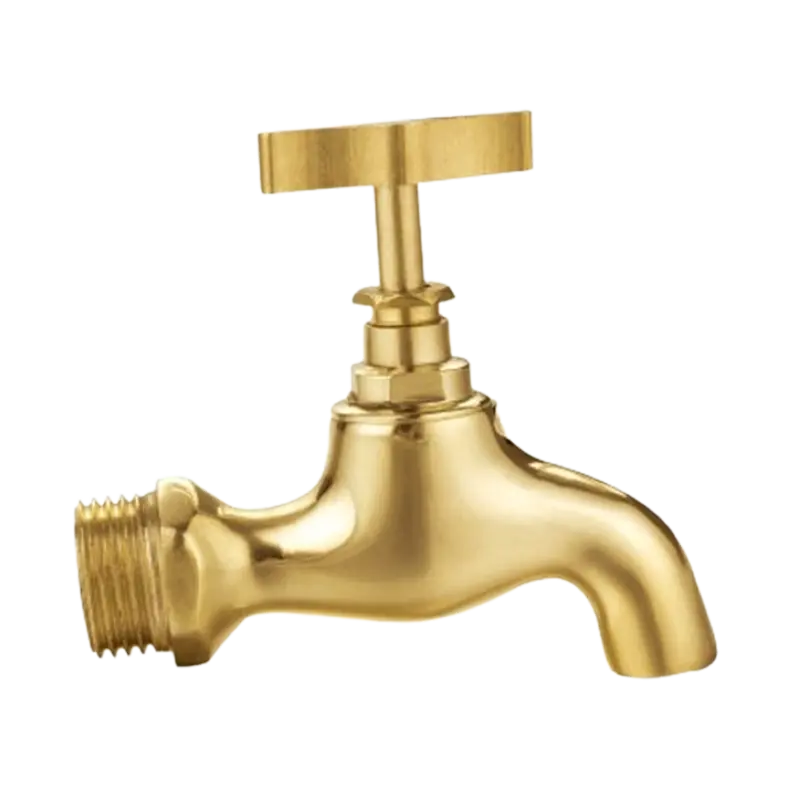
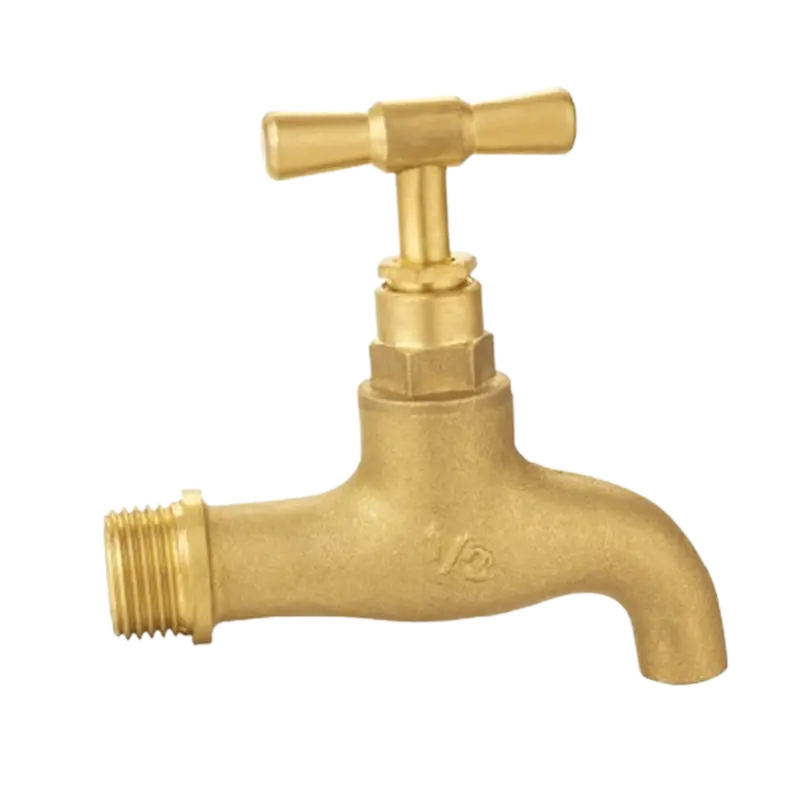
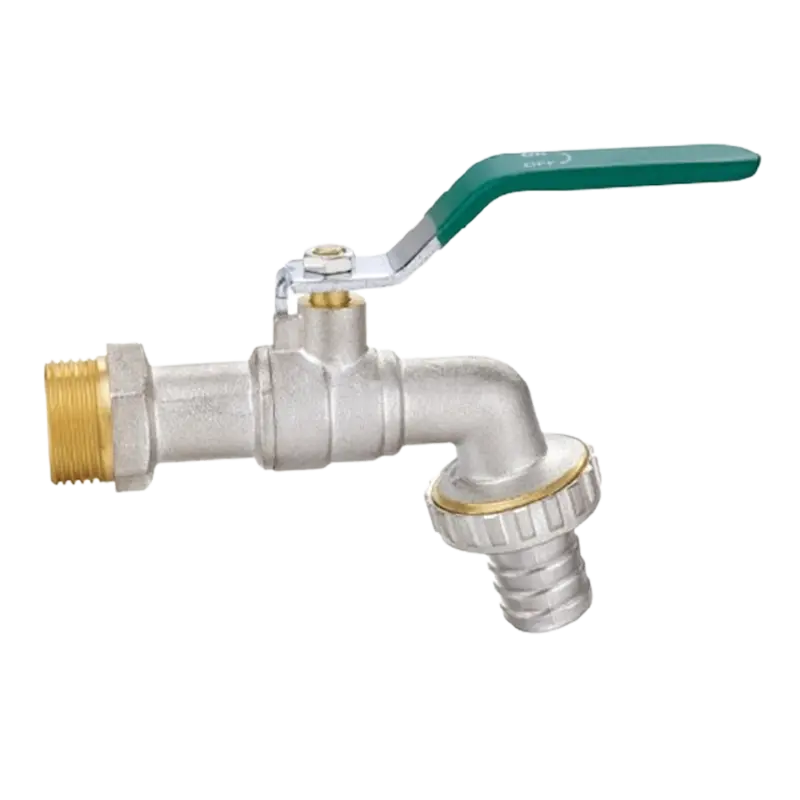
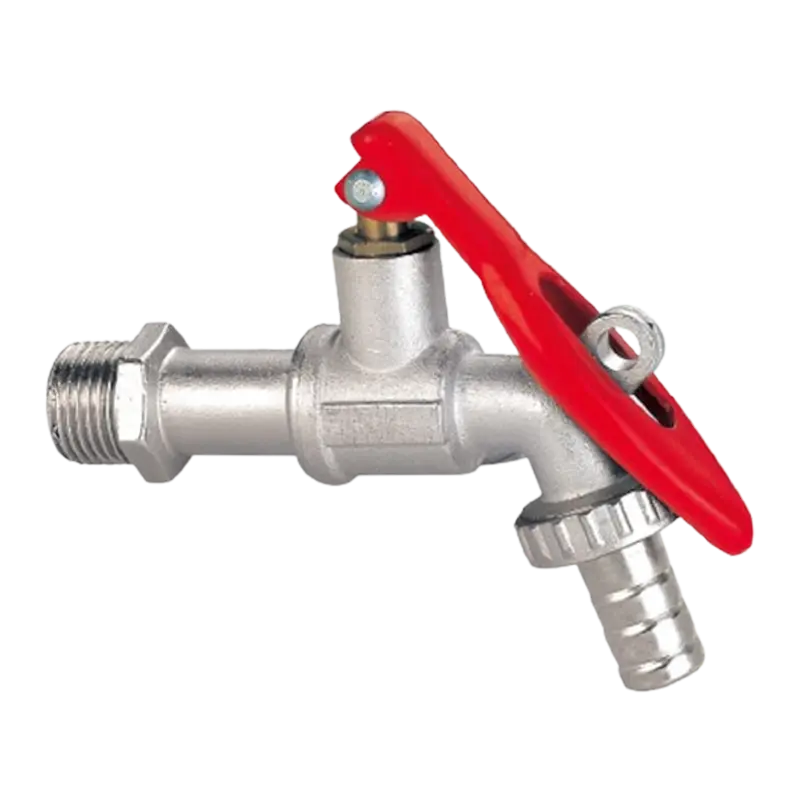
Cokaren's premium external faucet option, built with a heavy-duty forged brass body to resist cold weather and high-torque operation.
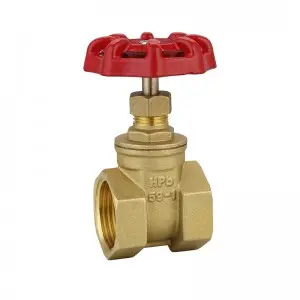
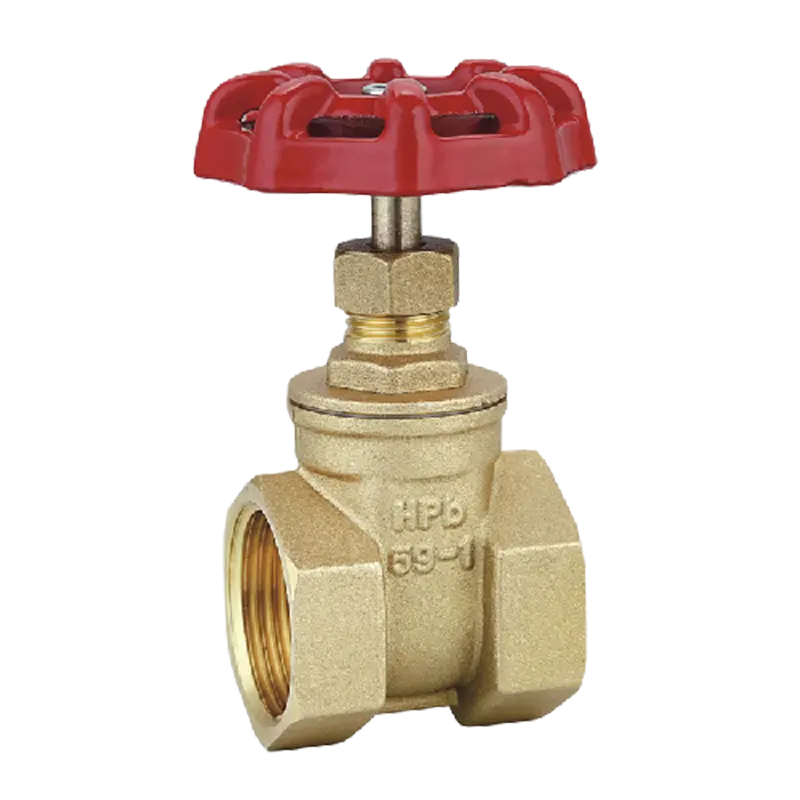
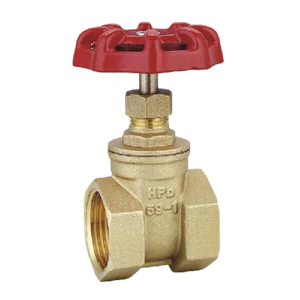
A full-bore gate valve series designed for isolation service in water distribution networks, offering minimal pressure drop.
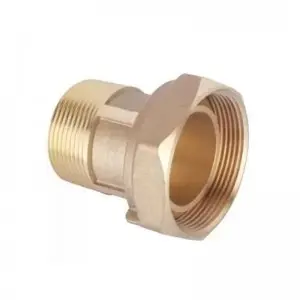
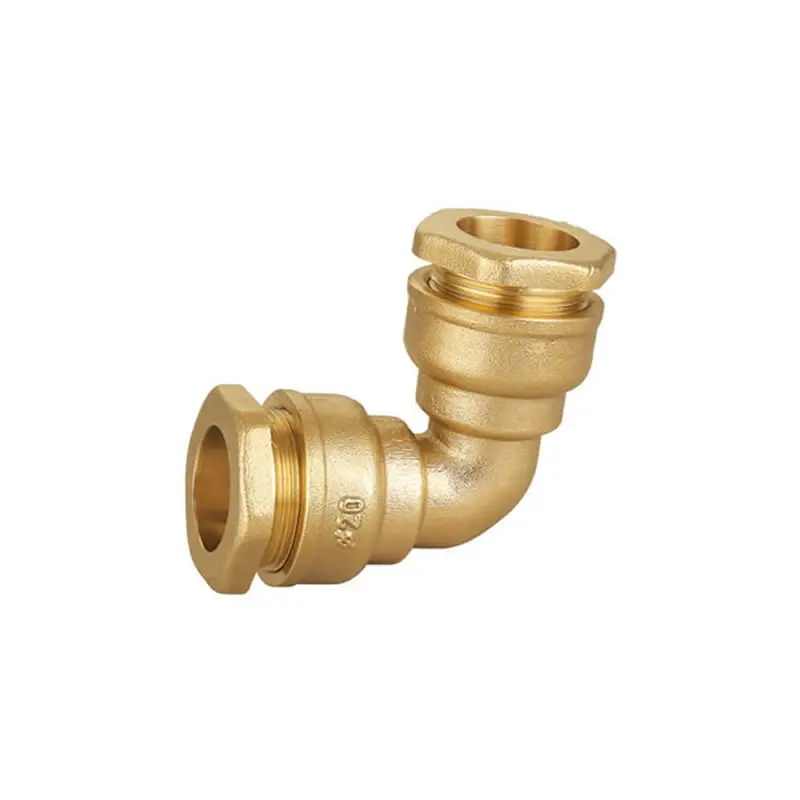
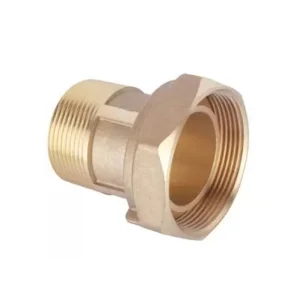
Precision-machined copper and brass connection tubes that ensure leak-free connections to municipal smart water meters.
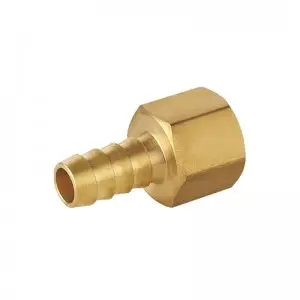
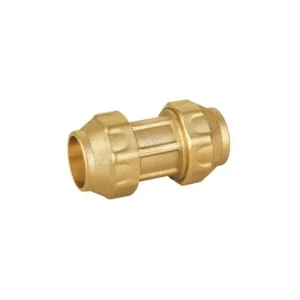
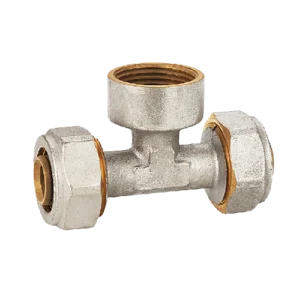
Barbed adapter fittings designed for industrial and residential flexible tubing installations, offering quick connections and pull-off resistance under pressure cycles.
Technical answers to common questions about materials, standards, and manufacturing variables.
A selection of specialized components designed for HVAC systems, boilers, and utility applications.