 Yongda

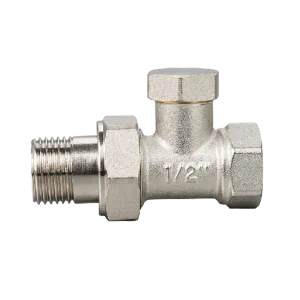
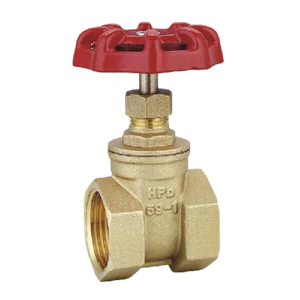
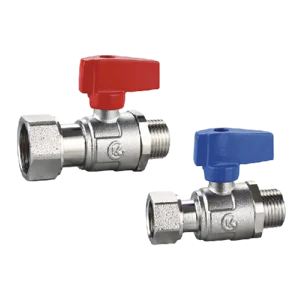
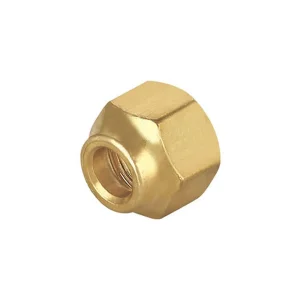
Technical Anatomy & Engineering Standards of Lever Ball Valves
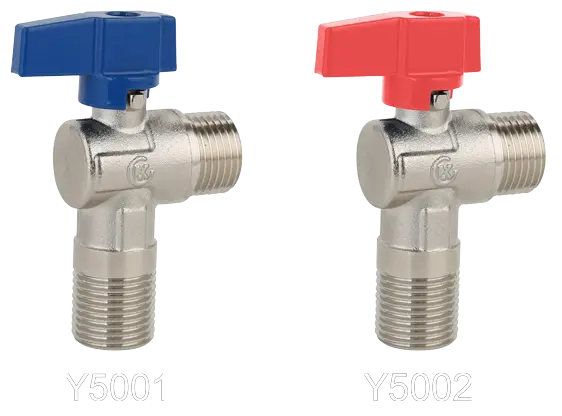
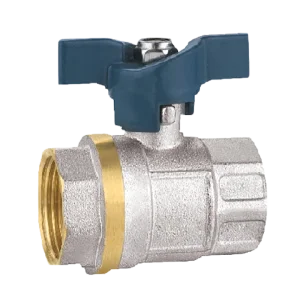
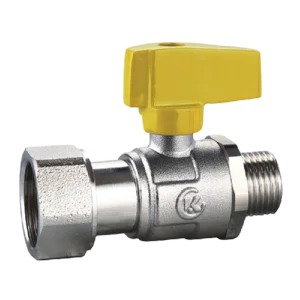
Within global piping infrastructure and mechanical plumbing assemblies, the lever ball valve serves as a critical component for fluid containment, isolation, and pressure regulation. Constructed predominantly through advanced hot forging techniques, industrial brass lever ball valves provide a 90-degree quarter-turn operation mechanism, translating mechanical force via an ergonomic lever handle directly onto a spherical flow control element. This engineering structure ensures rapid shut-off and minimized pressure drop across domestic, commercial, and HVAC networks.
Metallurgical Composition & Forging Standards
The operational lifespan and stress corrosion cracking (SCC) resistance of a ball valve are directly related to the metallurgy of the brass body. Top tier manufacturers utilize premium copper alloys that conform to strict European and American standards, such as CW617N, CW614N, and lead-free DZR (Dezincification Resistant) brass. Lead-free brass formulations are critical for systems conveying potable drinking water, mitigating heavy metal leaching and aligning with stringent environmental mandates like NSF/ANSI 61 and the European Union’s RoHS directives.
Precision Engineering of Sealing & Stem Mechanisms
A reliable ball valve requires clean fluid dynamics combined with robust secondary components. High-precision Teflon (PTFE) seats wrap the spherical brass ball to guarantee a bubble-tight, zero-leakage seal under varying temperatures. The stem configuration includes blowout-proof engineering paired with double EPDM O-rings or adjustable PTFE packing glands. This combination maintains pressure boundary integrity even under high-torque and cycling stresses.