 Yongda
Yongda
Yongda
Discover our highly-demanded selection of industrial mini valves, multilayer pipes, and custom brass connectors manufactured to rigorous international standards.
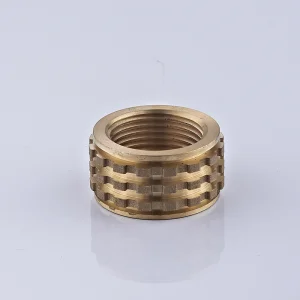
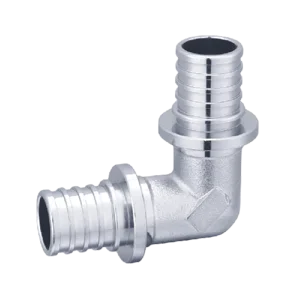
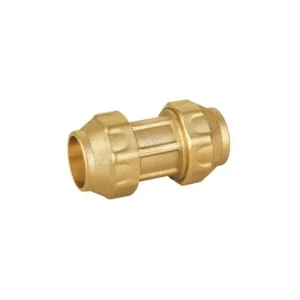
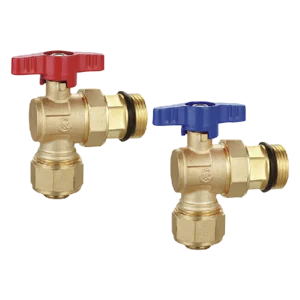
In the modern fluid transmission industry, selecting a reliable China Mini Ball Valve Manufacturer & Exporter requires more than evaluating initial quotes. Engineering leads, sourcing directors, and utility builders seek partners capable of mitigating risks related to alloy composition, structural stress tolerances, and international environmental certifications.
Miniature ball valves, designated for confined-space water systems, pneumatic lines, and complex industrial instrumentation, operate under extreme cycles. Minor impurities in brass alloys can cause premature dezincification (DZR failures) or stress corrosion cracking (SCC). Our manufacturing practices utilize premium bar stock formulations, maintaining strict lead-free and eco-friendly compliance for markets across North America and Europe.
We employ precision hot forging processes rather than casting to achieve structural density. This eliminates internal cavities and micro-leak paths, ensuring maximum longevity under continuous flow conditions.

A premier manufacturer and exporter rooted in China’s Valve Capital, delivering engineered reliability globally.
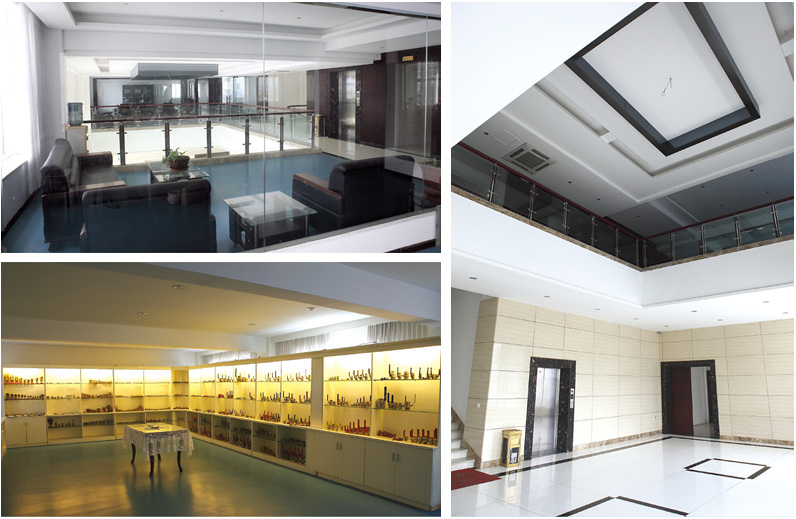
Founded in 1996, Yuhuan Yongda Fluid Control Co., Ltd. (formerly Yuhuan Yongda Plumbing Co., Ltd.) has grown alongside China’s rapid industrial expansion. Situated in Yuhuan, Zhejiang—widely recognized as the "China Valve Capital"—our operation spans a 45,000 square meter facility, with actual usable space reaching 80,000 square meters.
Our product line includes high-grade brass valves, custom fittings, and comprehensive HVAC components designed with an emphasis on environmental protection. Through our advanced machinery lineup—consisting of over 600 production and testing units, including 80+ specialized machine tools—we manufacture components that meet strict European and North American quality codes.
Under our brand, Cokaren, we commit to the promise of "Keep flowing, keep warming". Cokaren focuses on refined appearances, tighter tolerances, and durable construction to optimize domestic water networks, hydronic heating systems, and industrial distribution lines.
At Yuhuan Yongda, we understand that a minor component failure in a piping system can result in severe structural damage and system downtime. We maintain a strict production philosophy centered around quality control.
We integrate the professional development and welfare of our 600+ workforce with our corporate growth goals, maintaining a stable, skilled labor force that helps ensure consistent product quality.
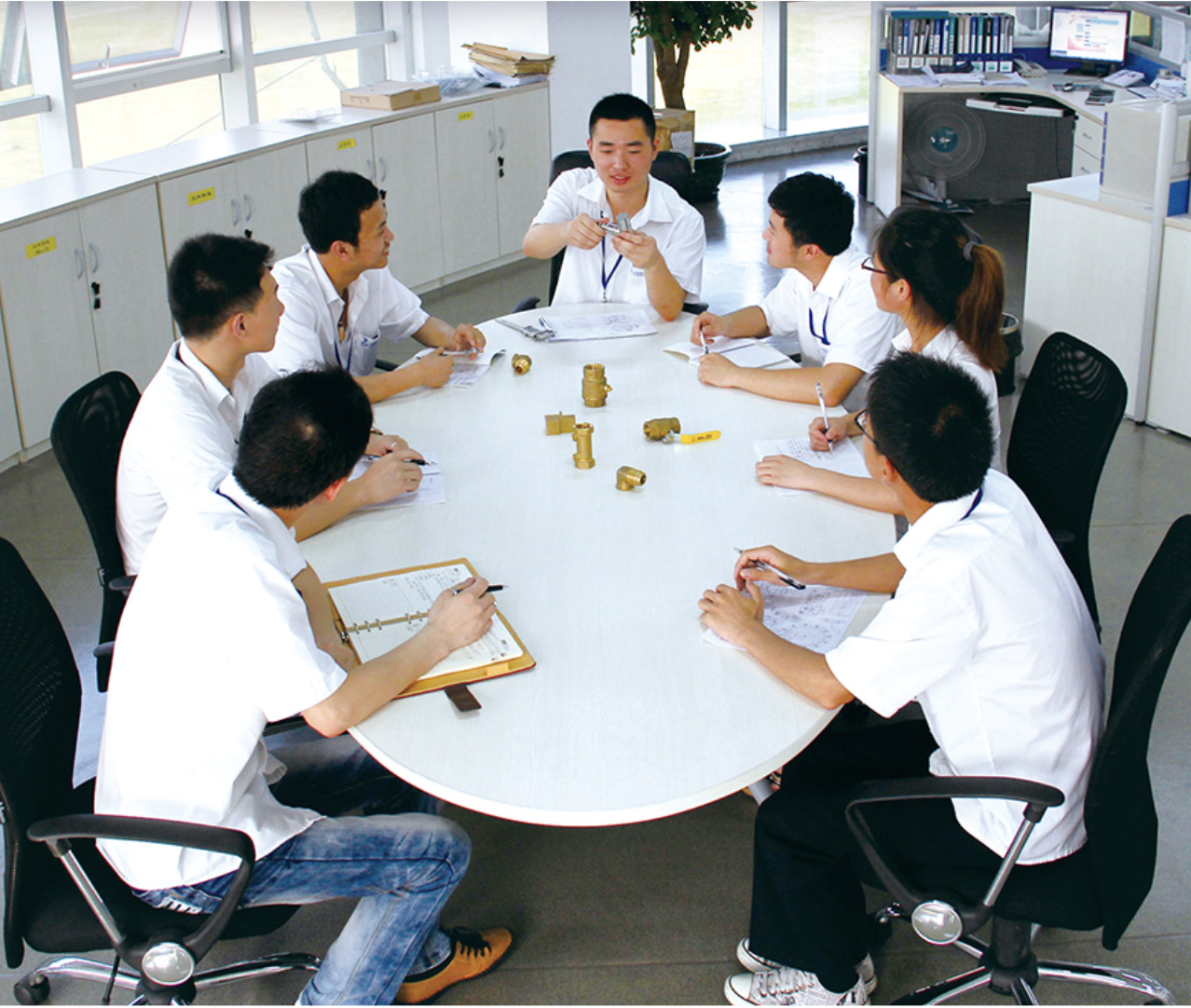

Operating as an exporter requires adhering to international quality frameworks. Our facilities are certified across environmental, safety, and operational standards.
Our manufacturing plants and material tracking protocols are certified under:
From raw brass ingot analysis using optical emission spectrometers to final pressure testing, we maintain complete material traceability for every production batch.
Highly integrated fluid control assemblies engineered to optimize heat exchange efficiency, pressure balance, and fluid sanitation.
Our hydronic distribution systems channel energy in commercial and residential layouts, ensuring balanced pressure and stable thermal management.

Acts as an primary defense line in domestic water sanitation, removing up to 98% of particulates and suspended solids from the pipeline.
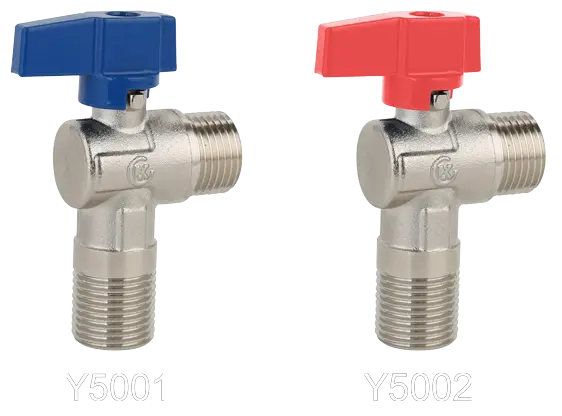
Controls flow rates in boiler water feeds, utilizing a spherical spool design to maintain performance under thermal cycles.
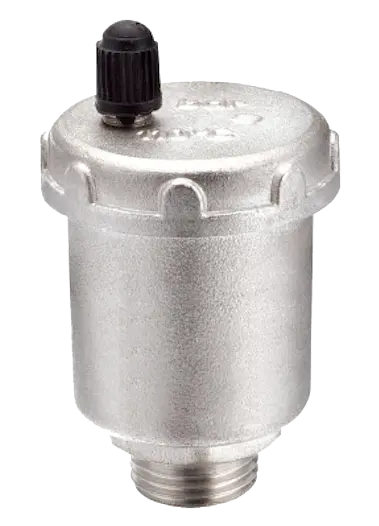
Automates gas extraction from water heating systems, preventing vapor locks and optimizing heat transfer rates.
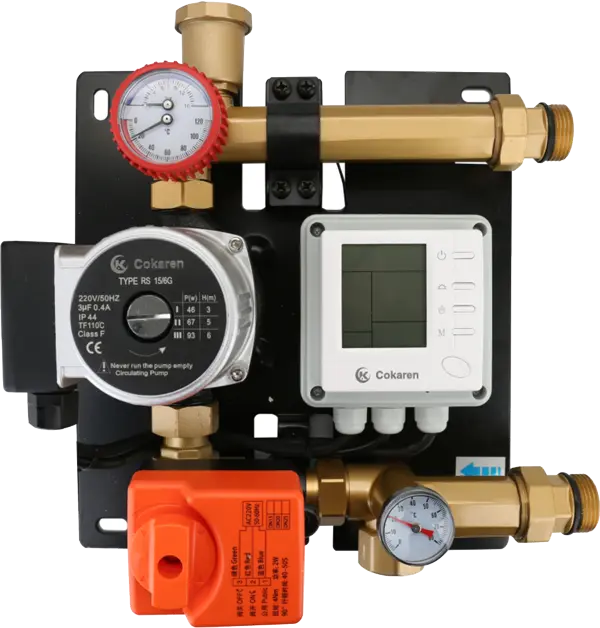
Balances hot and cold water feeds to maintain target discharge temperatures, protecting downline systems from thermal shock.
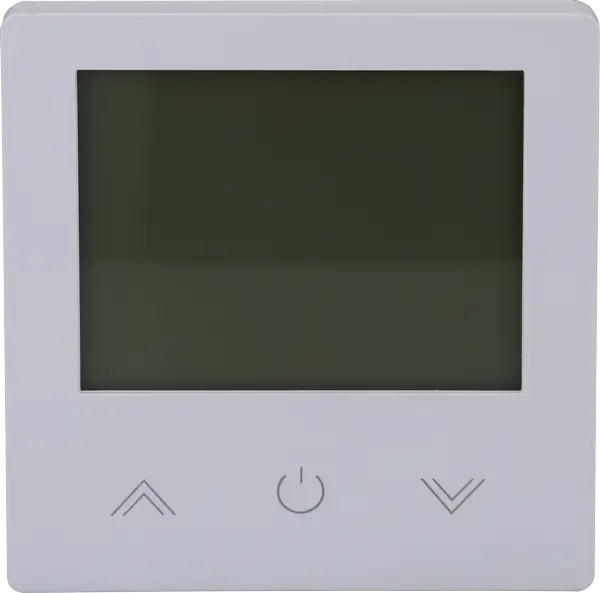
Monitors system performance to coordinate actuator states, helping reduce utility energy consumption.
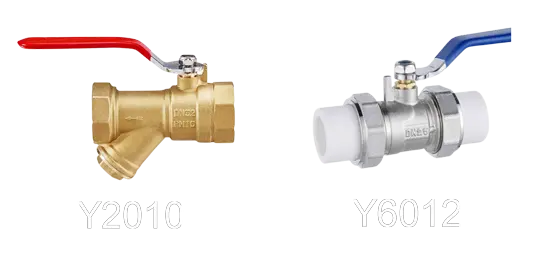
Combines isolation and particulate filtering functions, providing differential pressure ports for simplified balancing.
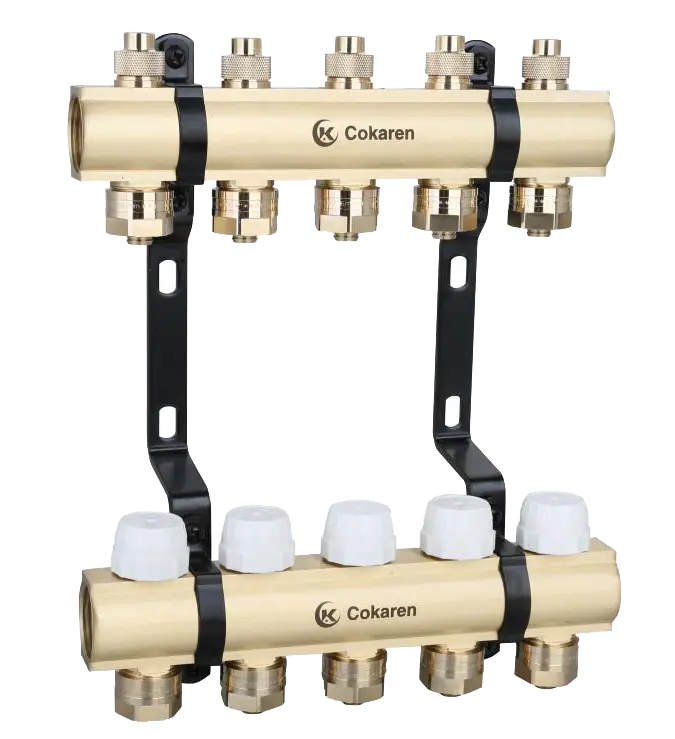
Distributes heating loops across multi-zone floor configurations, working with thermo-electric actuators for zone control.
A focused selection of our core items, including brass manifolds, mixing units, and utility shut-off valves.
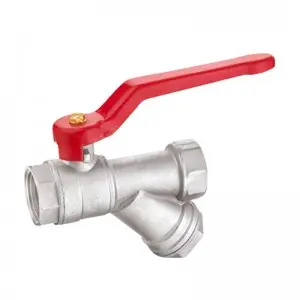
Combines fluid isolation with inline mesh filtration to protect downstream components.
Technical Parameters ➔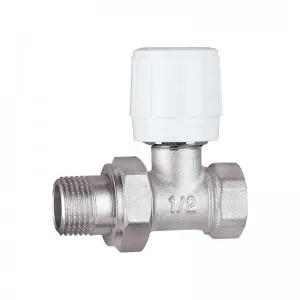
Allows manual adjustment of heat emitters in commercial zones.
Technical Parameters ➔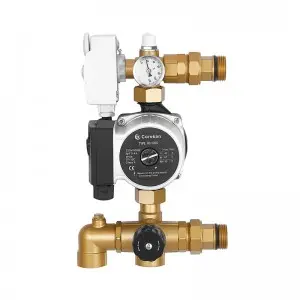
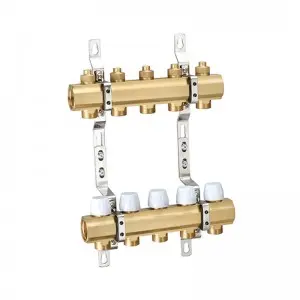
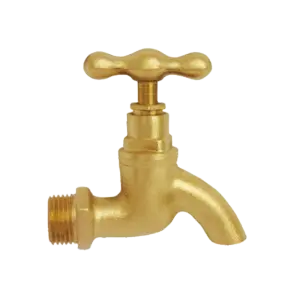
Features dynamic thread engagement and premium brass construction.
Technical Parameters ➔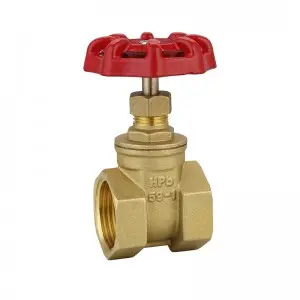
Offers full bore design for minimal pressure drop across clean fluid lines.
Technical Parameters ➔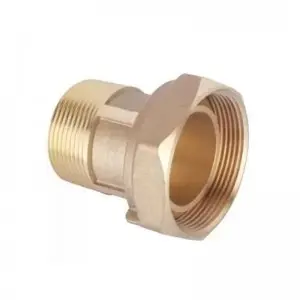
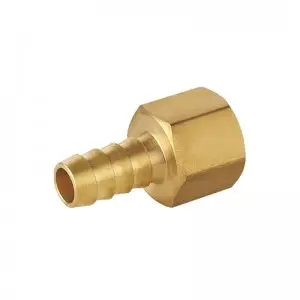
Designed to ASTM standards for direct integration into PEX lines.
Technical Parameters ➔How our manufacturing processes ensure long-term reliability and chemical stability for plumbing systems.
We source certified copper billets (including CW617N, HPb59-1, and low-lead/lead-free varieties). Every batch is analyzed via spectrometer before processing to verify compliance with limits for lead, tin, iron, and nickel.
Components are hot forged under high pressures to eliminate casting voids. We then utilize multi-axis CNC machines to achieve tolerances within 0.01mm, ensuring precise alignment of the ball and PTFE seats.
Valves receive specialized surface treatments (nickel or chrome plating) to resist corrosion and mineral buildup. This helps maintain ease of operation even after long periods of inactivity.
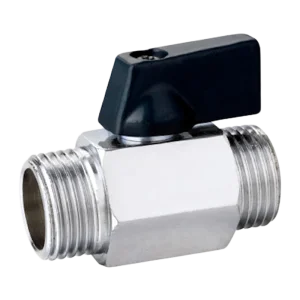
Our mini ball valves feature a dual-seal design using premium PTFE seats and dual EPDM/FKM O-rings. This construction prevents leakage under thermal cycling and fluctuations in pressure.
Adhering to our "Fine work, no leakage" standard, every valve undergoes high-pressure air testing and hydrostatic tests to confirm seal integrity before final packaging.
Valves are laser-marked with batch codes and packaged in anti-chafing cartons. This allows traceability from the final distribution site back to the raw material melt sheet.
A comprehensive selection of our valves, strainers, and system controllers engineered to support global heating and industrial fluid configurations.
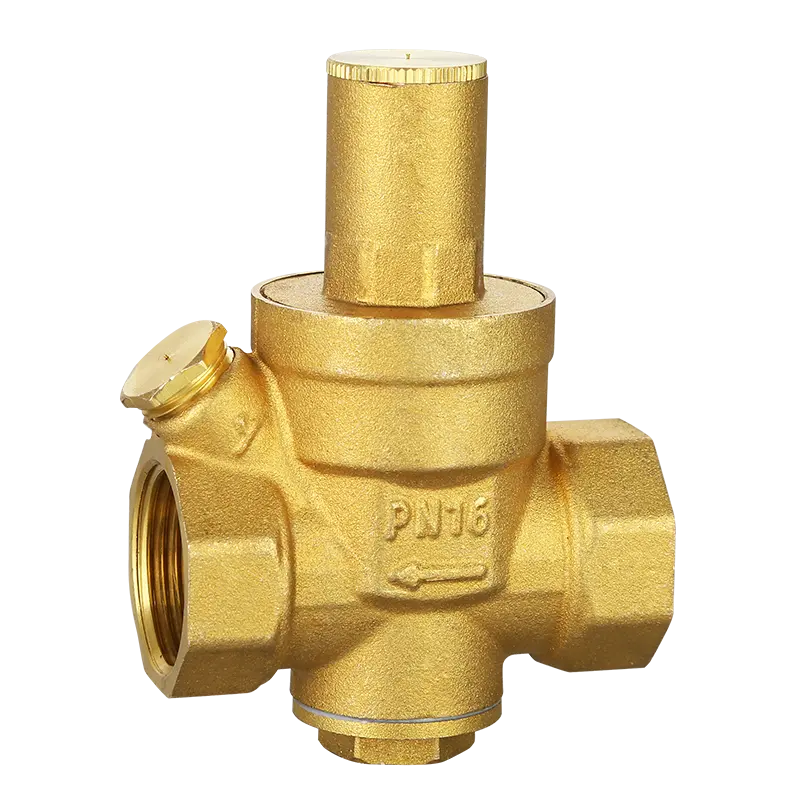
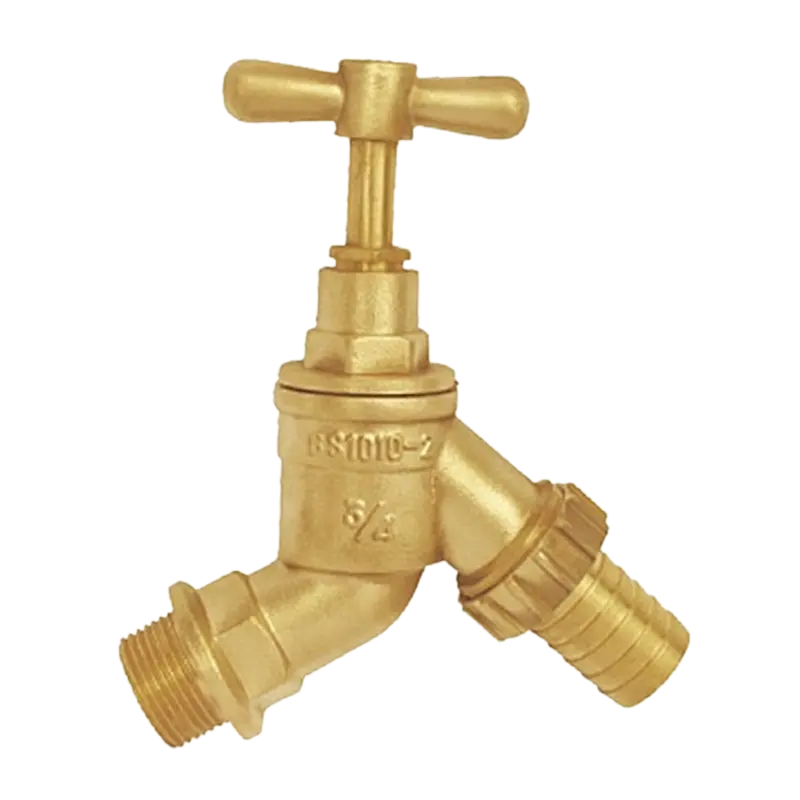
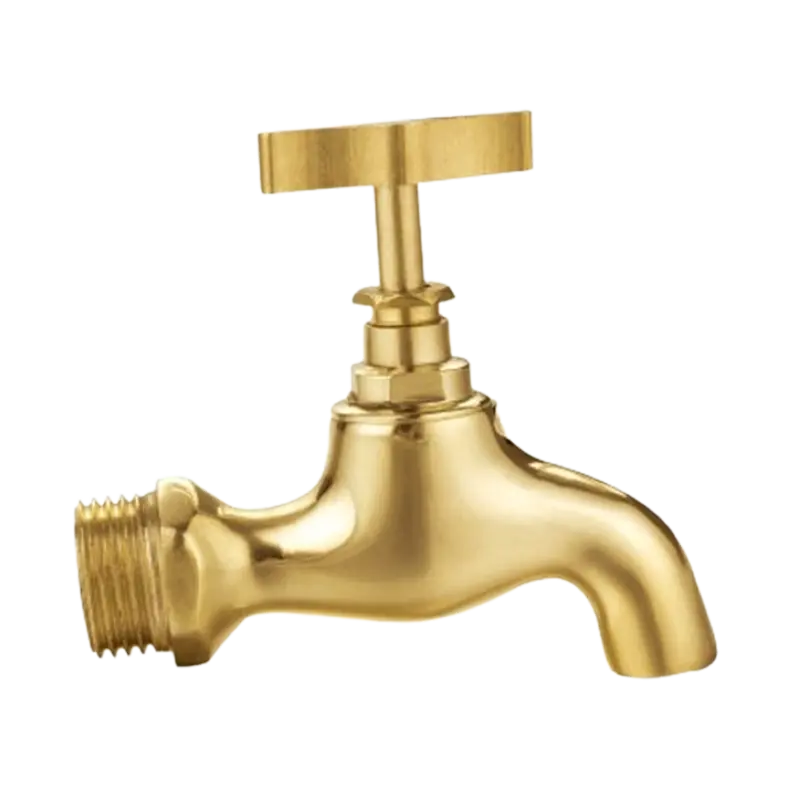
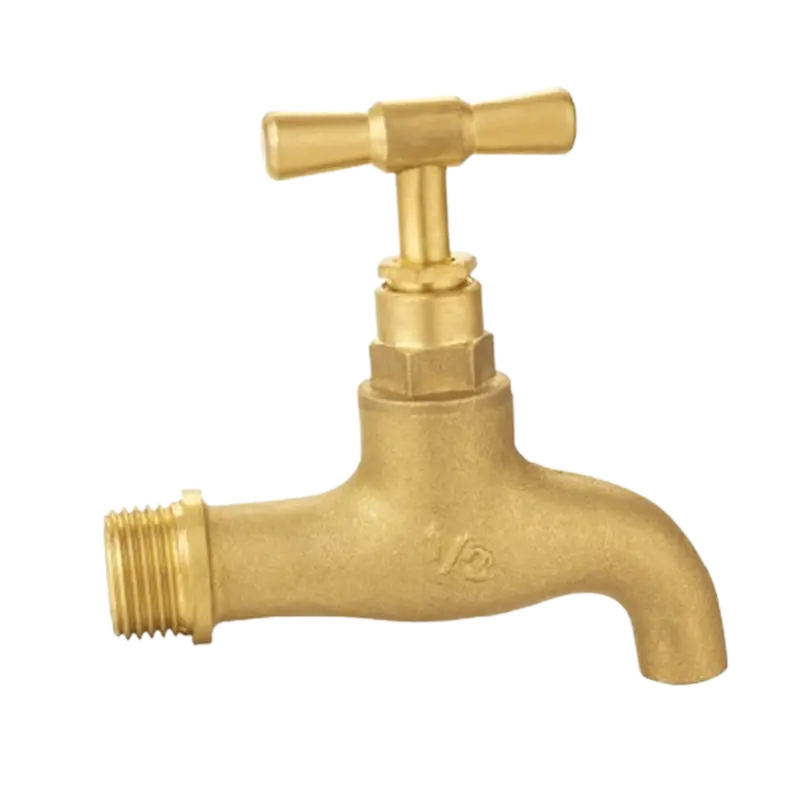
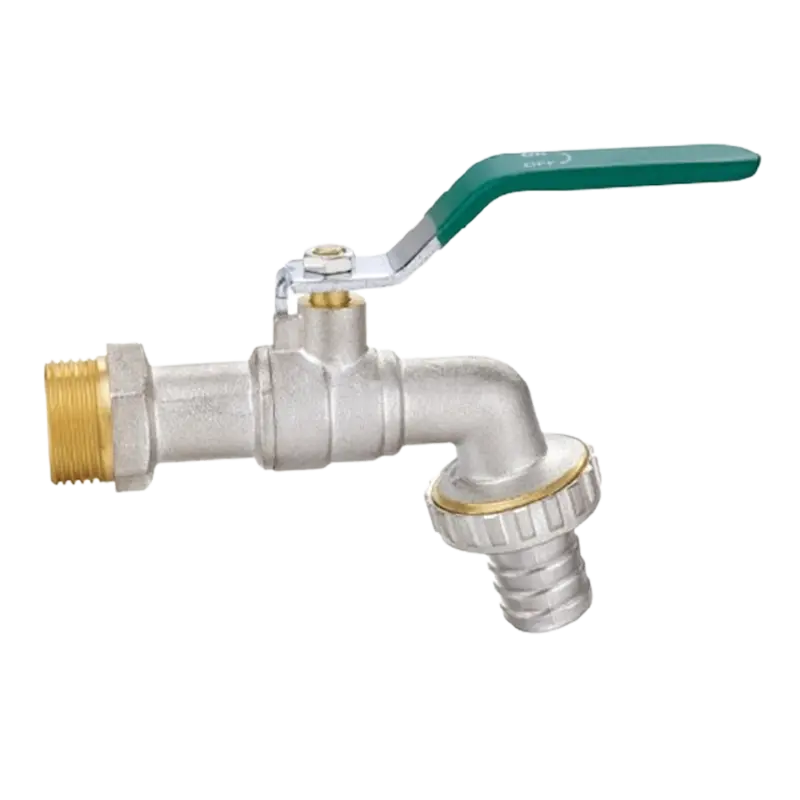
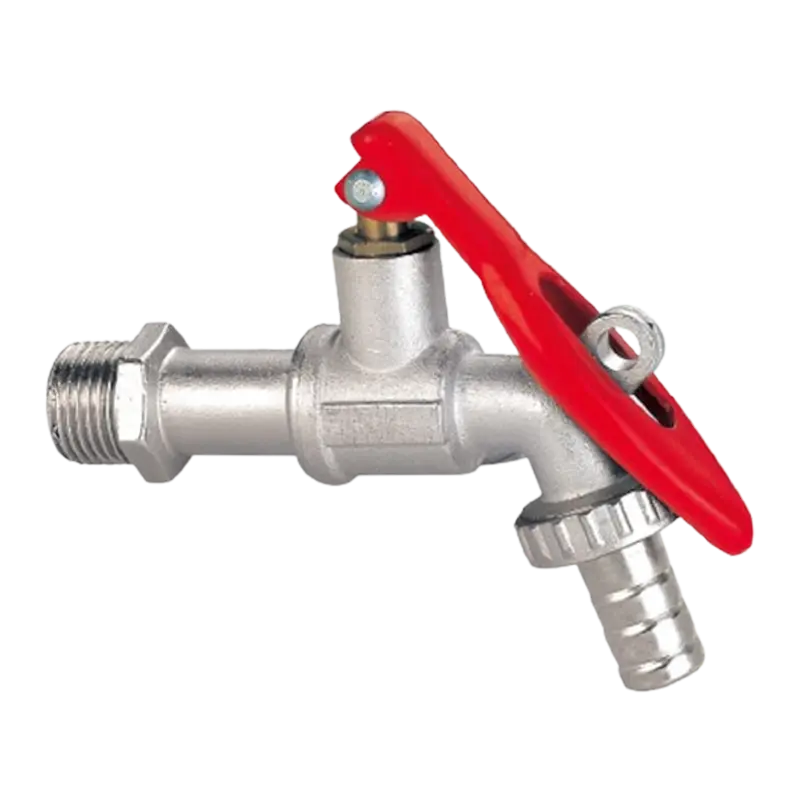
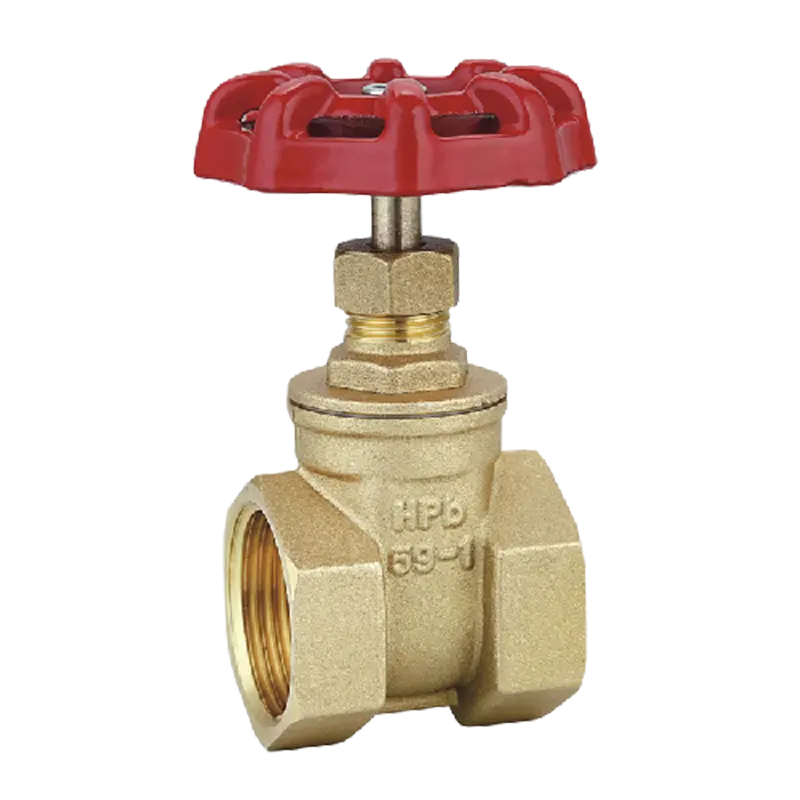
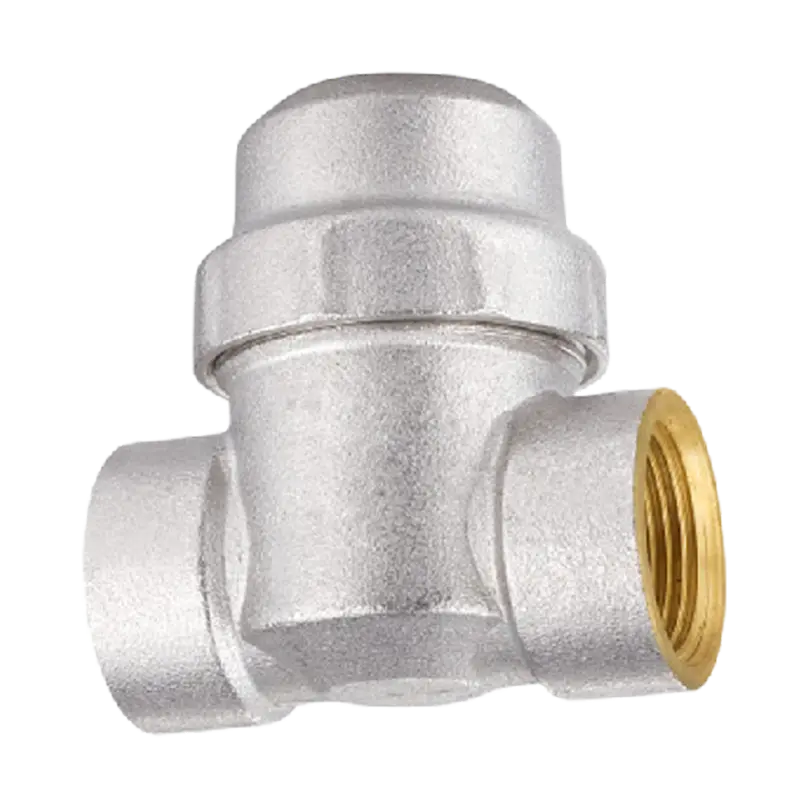
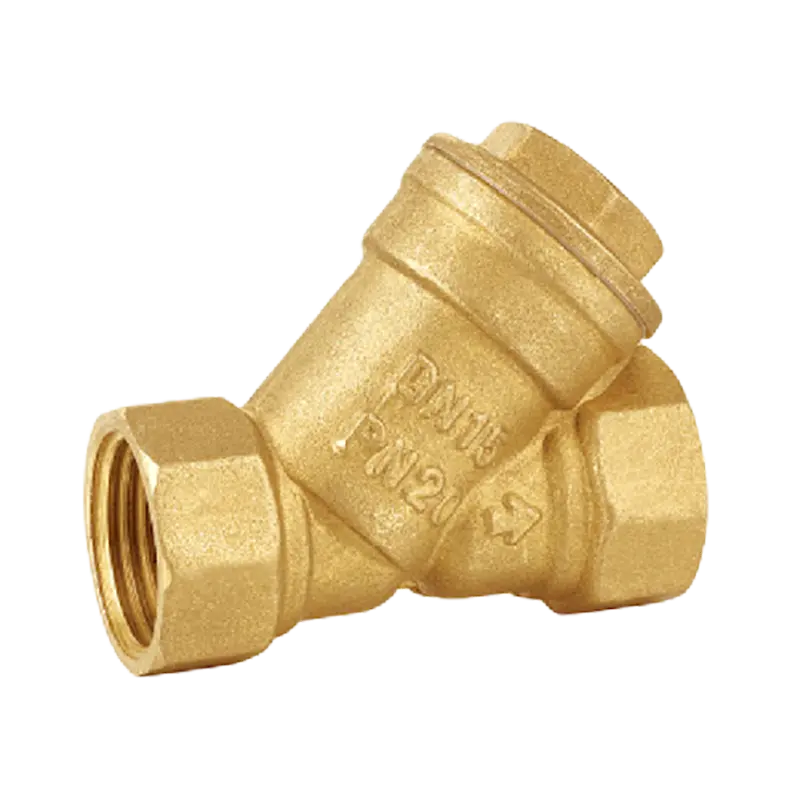
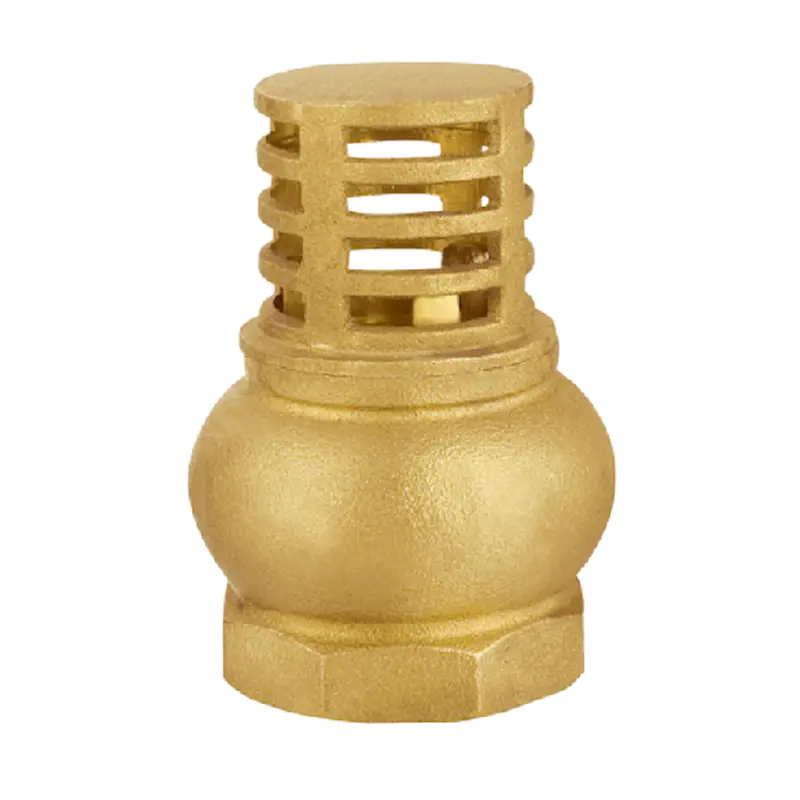
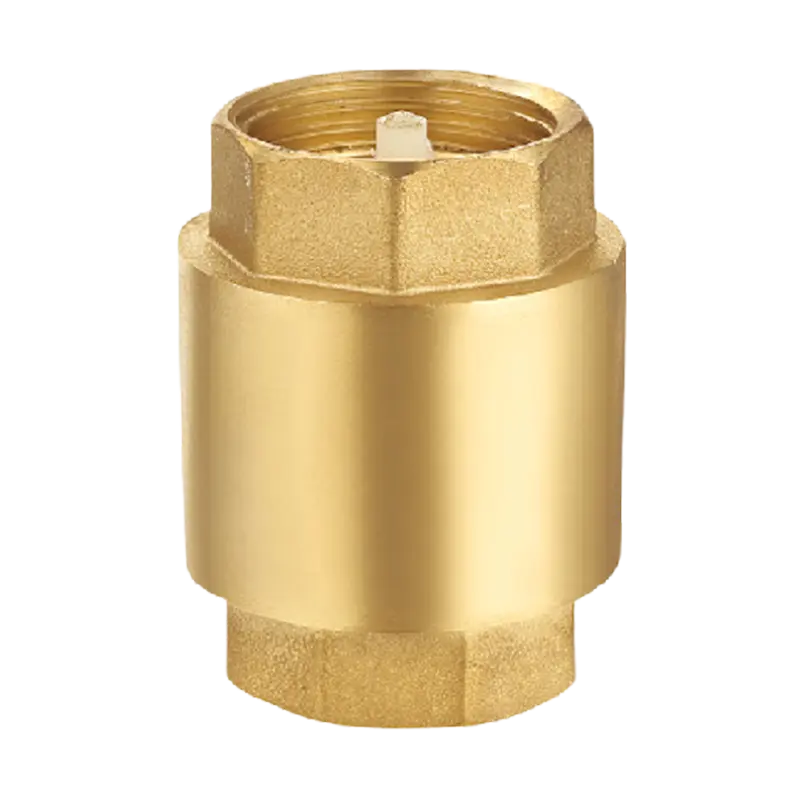
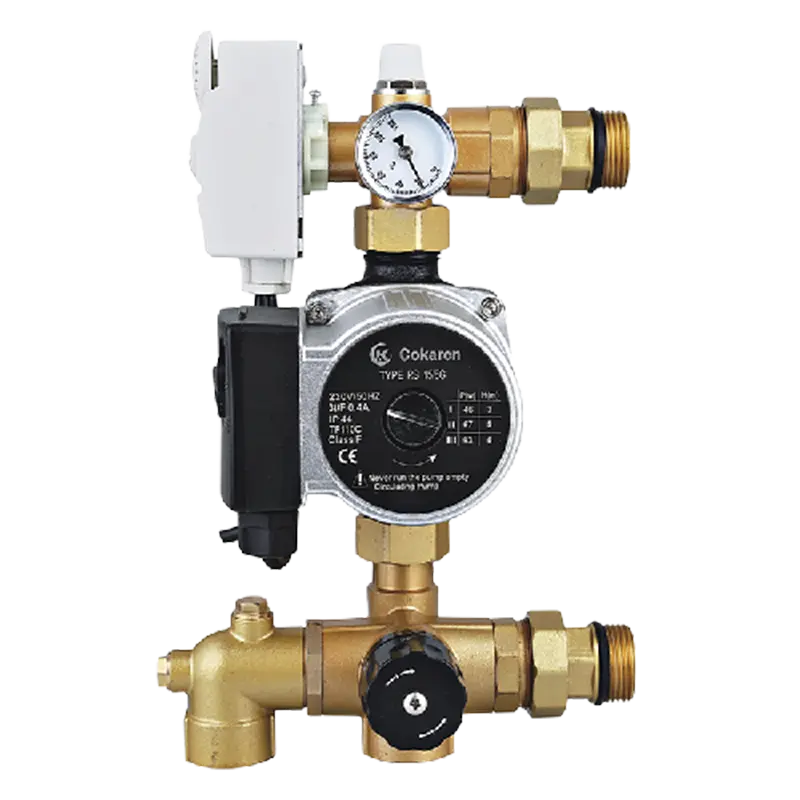
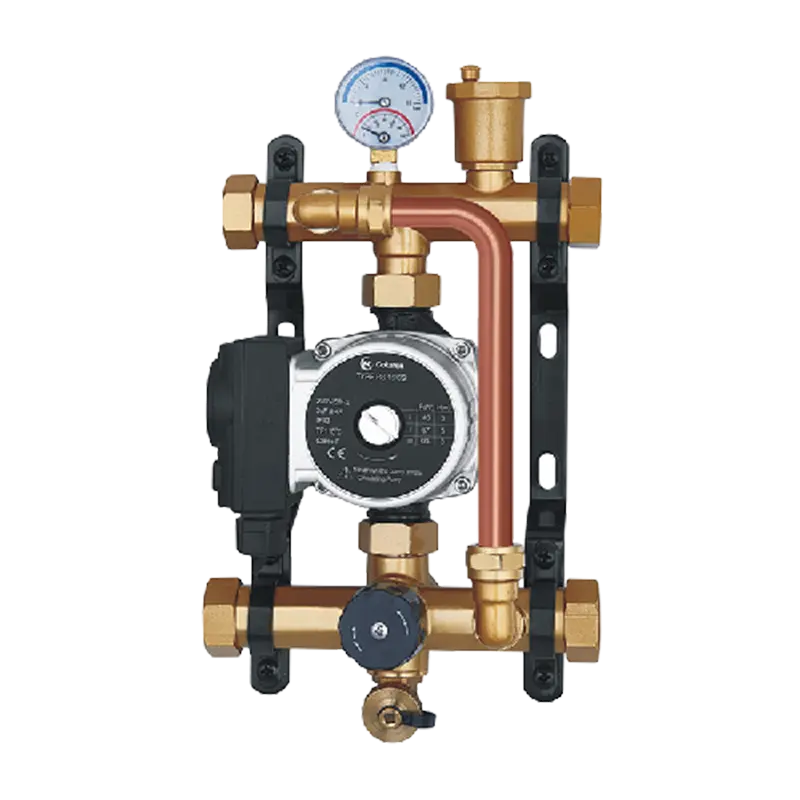
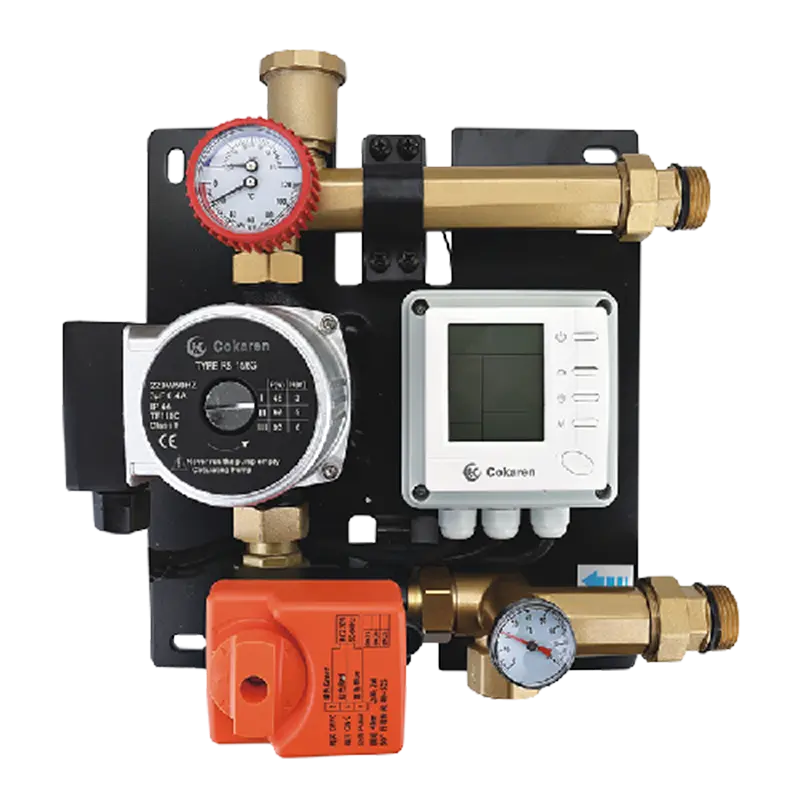
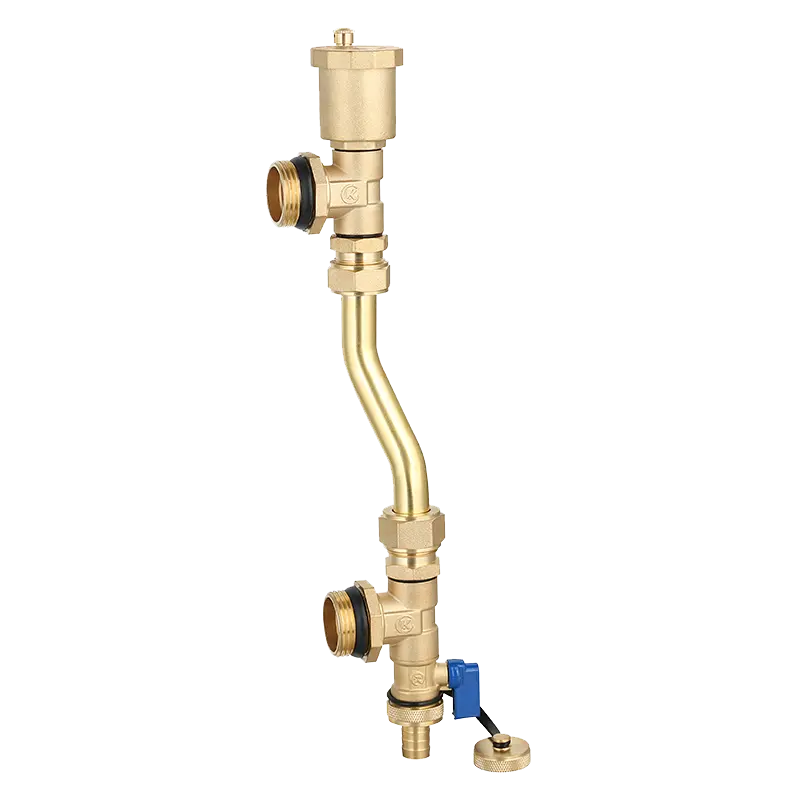
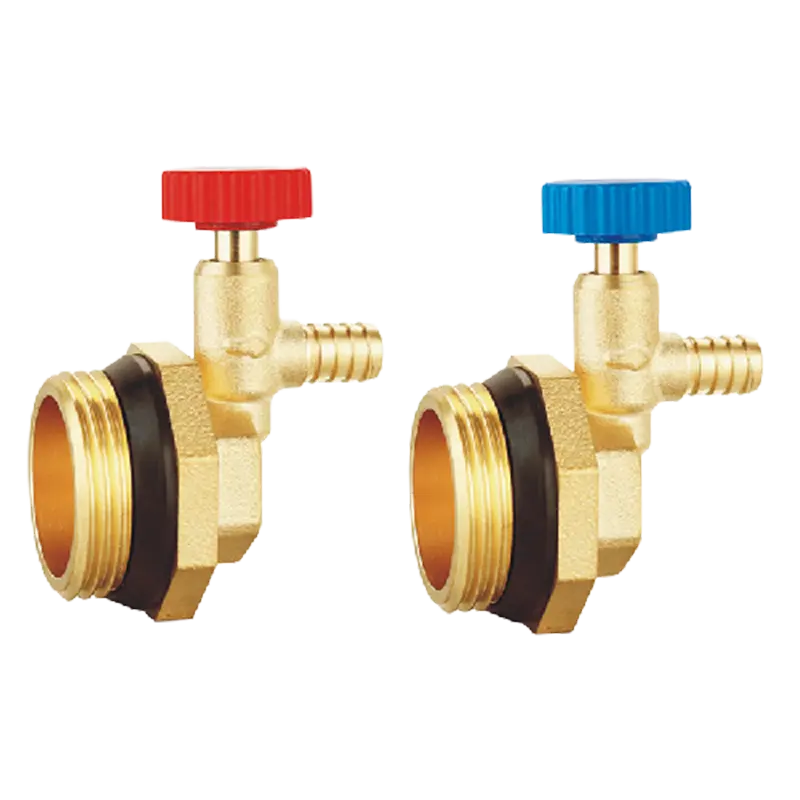
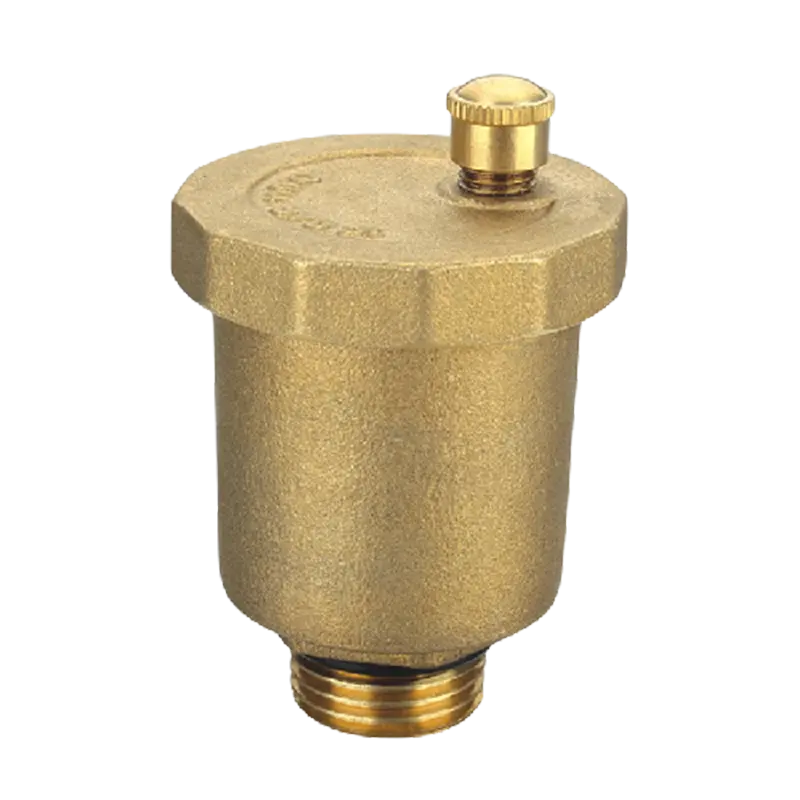
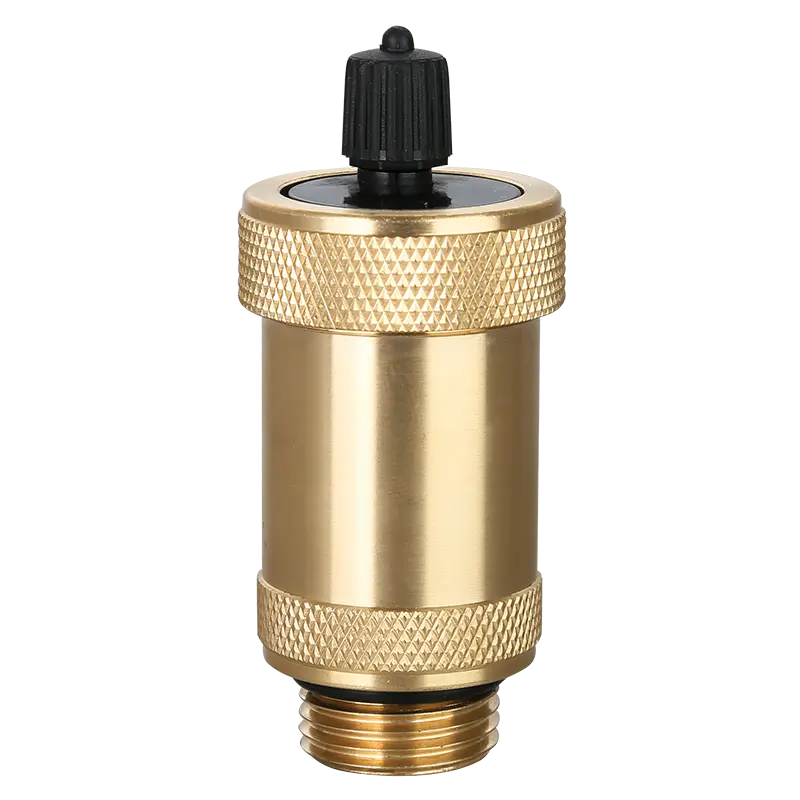
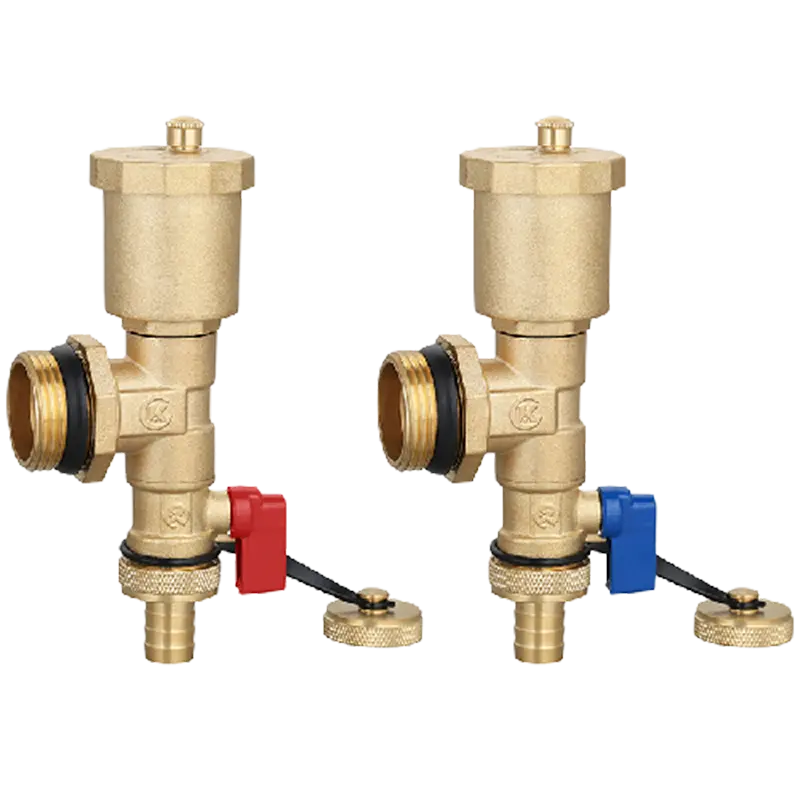
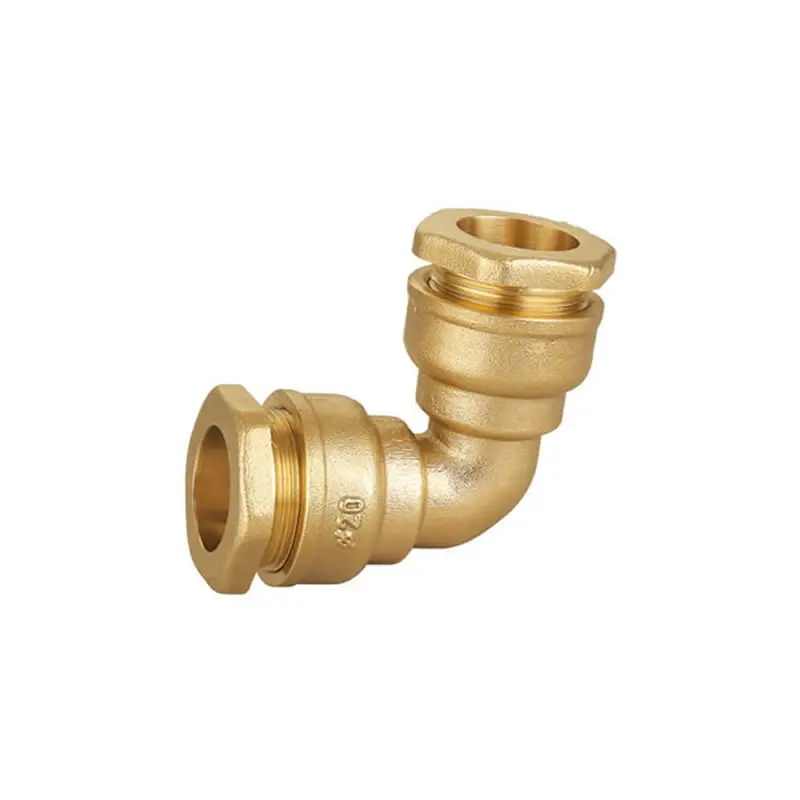
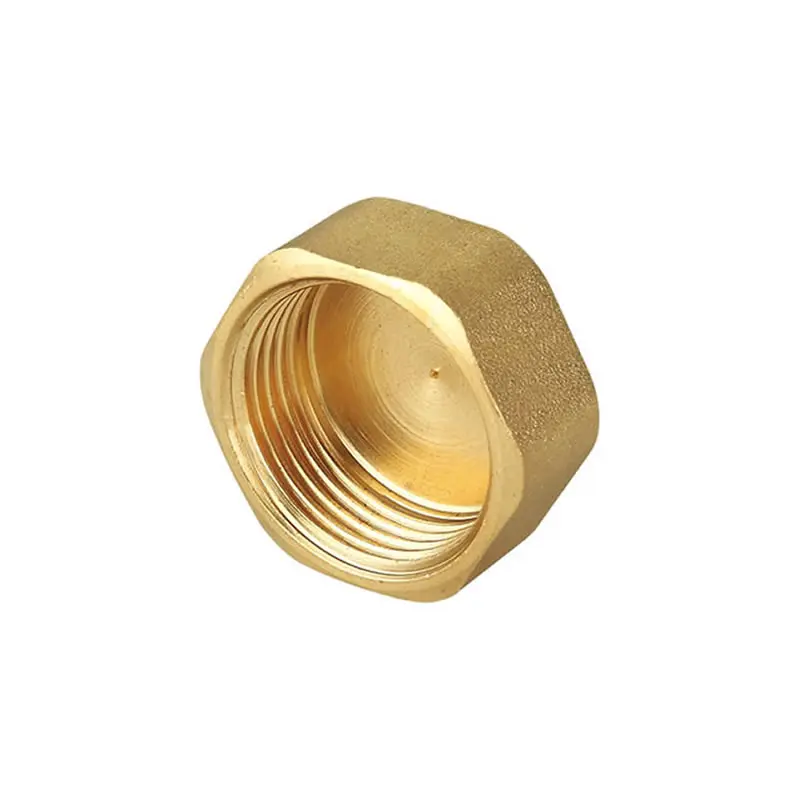
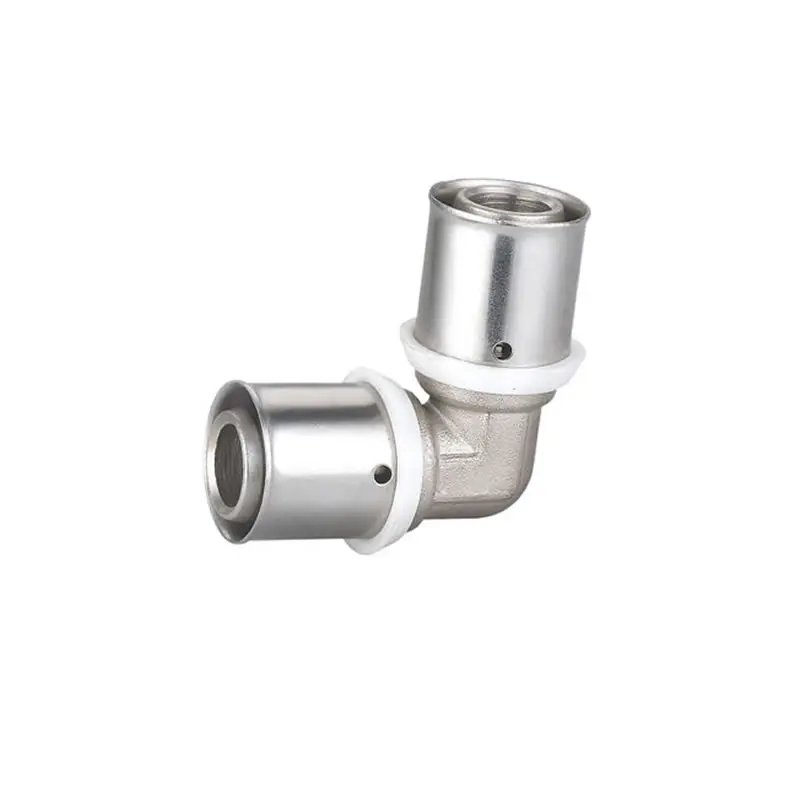
Explore custom solutions tailored to your project specifications.
Contact Engineering Team ➔Technical considerations for procurement managers seeking reliable, long-term installations in HVAC and plumbing systems.
Modern water infrastructure standards require strict control over lead content. For potable water applications in North America (NSF/ANSI 61 and NSF/ANSI 372 compliance) and Europe, standard brass alloys like HPb59-1 are frequently replaced by low-lead or lead-free alternatives such as bismuth brass or silicon brass. Selecting a manufacturer that utilizes independent laboratory validation to verify alloy contents is critical to ensuring compliance.
Dezincification occurs when zinc is selectively leached from brass alloys, leaving a porous, structurally weak copper frame. This form of corrosion is common in areas with soft water, high chloride levels, or elevated carbon dioxide. Utilizing dezincification-resistant (DZR) brass, such as CW602N, helps prevent these failures and extend the service life of piping installations.
Mini ball valves operate in varied conditions, from domestic warm water plumbing to hydronic space heating. Sourcing managers must verify that the valves are rated to handle target operating limits. For example, a PN16 (16 bar / 232 PSI) rating at 90°C is typically sufficient for residential heating manifolds, while industrial gas lines may require PN25 or higher pressure classes. Selecting the proper seal material (PTFE, EPDM, or FKM) is also necessary to maintain seal integrity across these temperature ranges.
Ensure your supplier provides material test reports (MTRs) for chemical composition, performs pneumatic shell testing on 100% of finished valves, and maintains ISO 9001:2015 certification for traceability.
Additional heavy-duty plumbing fittings and automatic air venting systems designed for commercial and boiler environments.
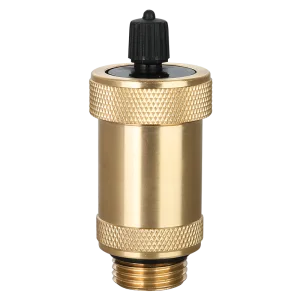
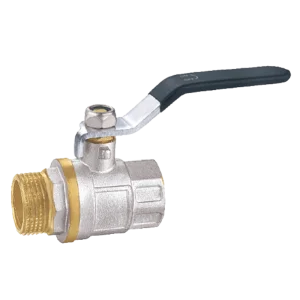
Technical answers regarding materials, manufacturing compliance, and product customization.