 Yongda
Yongda
Yongda
Explore our primary certified component offerings, bridging precision engineering with long-lasting structural reliability.
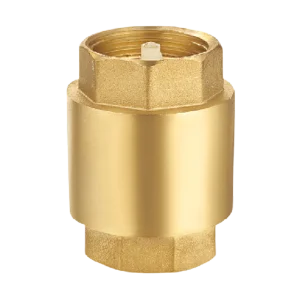
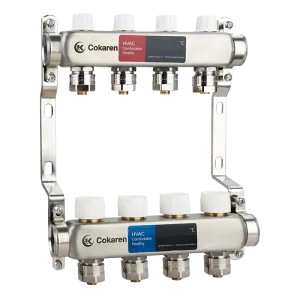
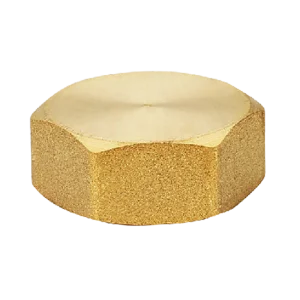
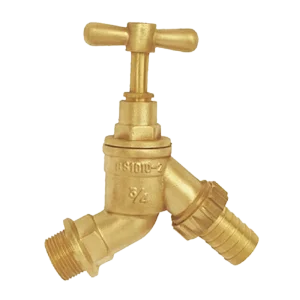
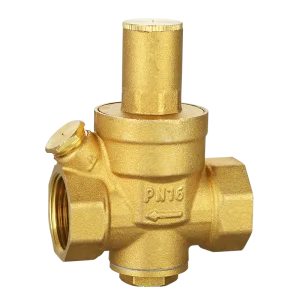
Steam pressure reducing valves (PRVs) serve as the vital core in industrial energy systems and commercial building infrastructure alike. The primary physical task of a steam PRV is to down-scale high, unstable inlet pressure from main boiler grids to a stable, lower downstream pressure required by heating systems, autoclaves, and localized process machinery. Maintaining a reliable pressure range guarantees system longevity, protects critical end-line instruments, and significantly increases boiler heat transfer efficiency.
By preventing rapid fluctuations and over-pressurization, high-grade pressure-reducing infrastructure minimizes wear on bellows, manifolds, and steam traps. Choosing the right partner in the Chinese manufacturing sector allows global procurers to source valves customized for specific temperature ranges, flow rates, and corrosion-resistance specifications, directly scaling operational reliability and investment return.
Steam distribution grids typically operate at higher pressures to reduce pipe dimensions and installation costs. However, localized heat exchange equipment operates best under lower, stable saturated steam conditions. This creates the demand for robust PRV stations that handle thermal shock, wet steam condensation, and high velocity piping acoustics.
Purchasing steam and water pressure regulators directly from manufacturers involves understanding several core parameters that dictate pricing. Below is an overview of what shapes global quotes.
The chemistry of the valve body is the single largest price driver. Standard HVAC water-reducing systems and domestic manifolds use CW617N brass or forged brass, keeping unit costs highly competitive. Industrial steam installations require heavy-duty cast steel, ductile iron, or premium stainless steel alloys (SUS304/SUS316) to withstand erosion and continuous thermal stress.
Direct-acting PRVs, where a dial and internal spring act directly on the diaphragm, are affordable and perfect for tight, constant flow systems. Pilot-operated steam PRVs feature dual diaphragms and control pilots, offering tight shut-off and ultra-precise regulation for larger flow variations, translating to a higher baseline price.
Connection dimensions, ranging from DN15 to DN300, determine weight and production cycles. Similarly, higher pressure-handling standards (e.g., PN16, PN25, PN40, or ASME Class 150/300) demand premium casting certifications, thicker wall tolerances, and robust testing regimens, which reflect in the final commercial quote.
Procuring from actual manufacturing capitals like Yuhuan, Zhejiang ensures that you bypass intermediary margins (typically 20% to 45%). Direct relationship with manufacturers also guarantees customized calibration services for the control springs, access to raw material composition sheets (spectrometer tests), and reliable long-term spare-parts supply lines.
Originally founded in 1996 in Yuhuan, Zhejiang—widely recognized as the "China Valve Capital"—Yuhuan Yongda Fluid Control Co., Ltd. (formerly Yuhuan Yongda Plumbing Co., Ltd.) has grown into a major industry leader in plumbing valves, HVAC manifolds, and fluid balancing accessories.
Positioned at the intersection of environmental technology and mechanical precision, our products are engineered to cater to North American, European, and global markets. Backed by extensive automated testing, we deliver zero-leak fluid components designed for high-stress operations.

With an actual usable facility area reaching 80,000 square meters, our manufacturing line integrates more than 80 sets of specialized CNC machine tools. This layout allows our engineers to customize and mass-produce solutions according to the varied demands of global HVAC and industrial flow management.
Under our new premium brand name, Cokaren, we commit to the promise: "keep flowing, keep warming". Cokaren is dedicated to designing products with refined finishes, robust material profiles, and superior durability. We aim to bring stability, energy savings, and safety to every residential boiler, industrial steam pipeline, and hydronic heating loop we touch.
Connecting high-performance heat sources with terminal regulation nodes to ensure efficient heat balance and safe pressure reduction.

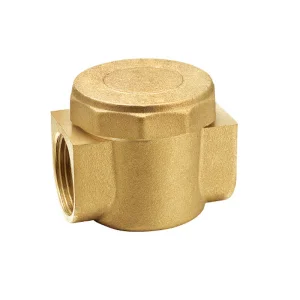
The first line of defense in domestic water sanitation, removing up to 98% of line impurities.
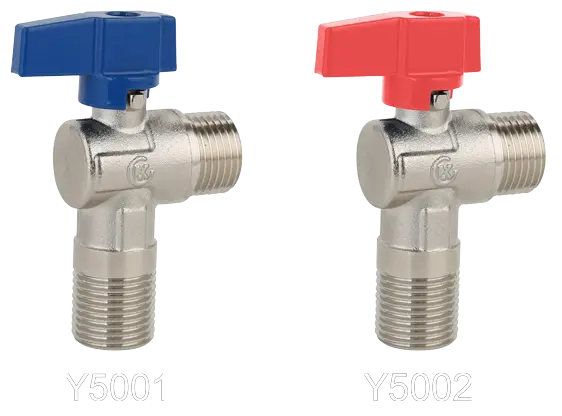
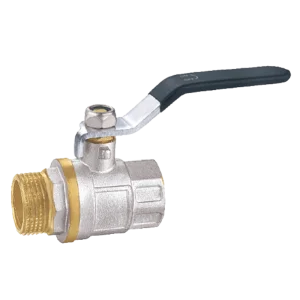
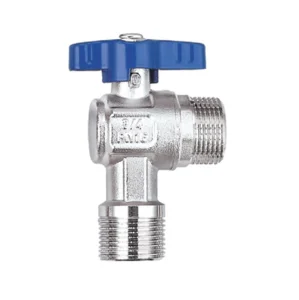
Spherical spool design engineered to regulate the hot/cold inflow & outflow of modern boilers.
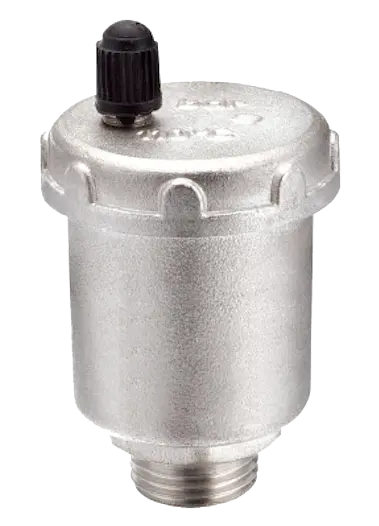
Designed to discharge excess trapped air within air source heat pump units to maintain system pressure.
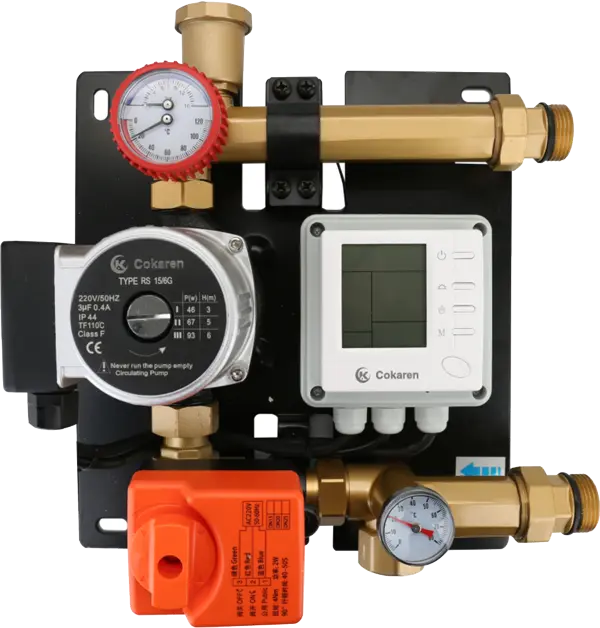
Balances incoming hot boiler flow with cooler return lines to stabilize floor loops and protect pipes.
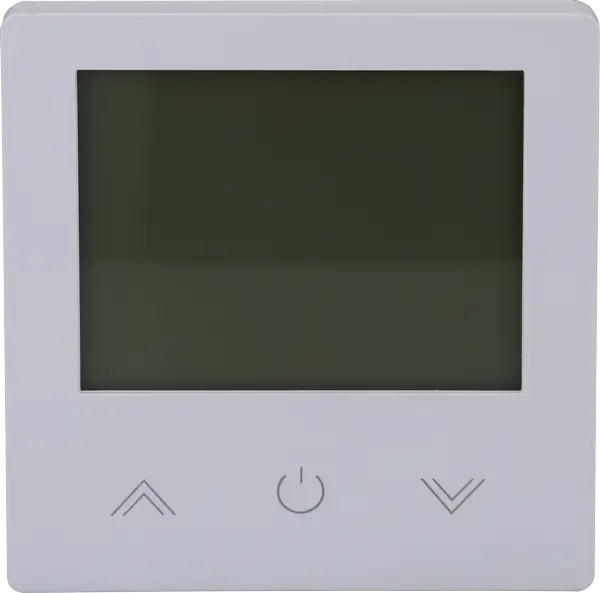
Centralized interface adjusting the temperature sensors across connected HVAC valves and manifolds.
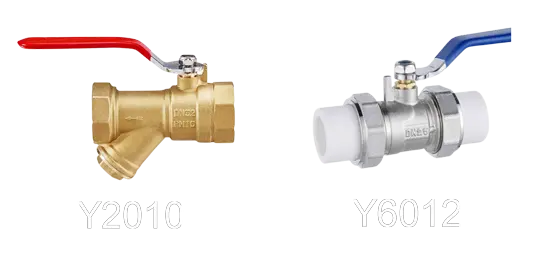
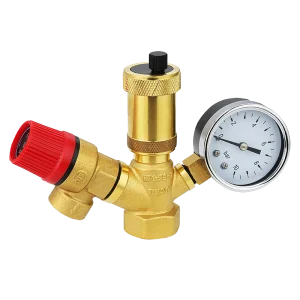
Integrates filtration, pressure sensors, and temperature probes for high-precision boiler protection.
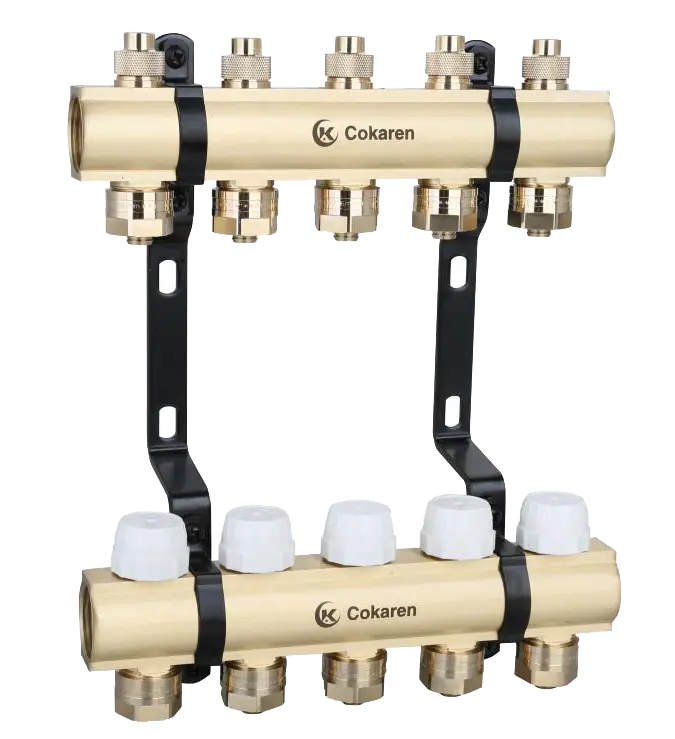
Distributes radiant water flow smoothly across multiple zones while maintaining structural balance.

Integrated main energy distribution node for central HVAC and multizone thermal systems.
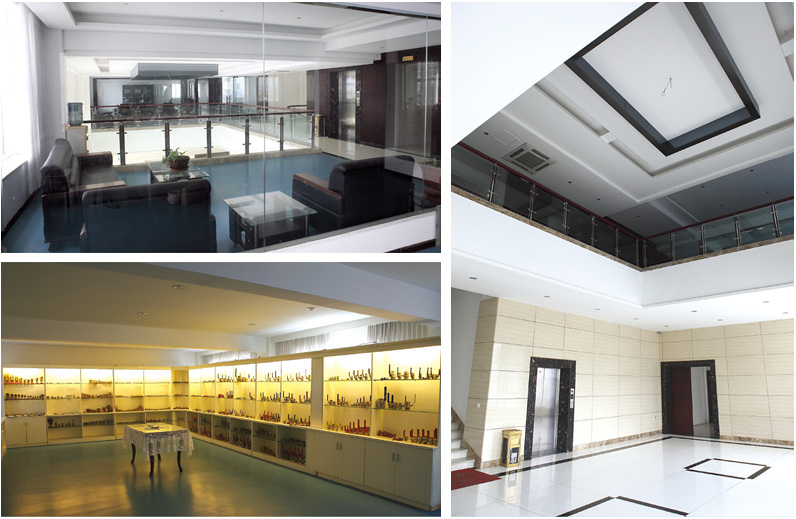
Rigorous quality checks monitoring fluid dynamics, sealing integrity, and pressure tolerance levels.
Prompted by shifts in international plumbing regulations (such as NSF/ANSI 372 and European REACH mandates), our metallurgical research is focused on lead-free brass formulations. De-zincification resistant (DZR) materials prevent brittle failures and contamination in heating loops, municipal channels, and potable systems.
Traditional pressure regulators operated silently until a system failure occurred. Next-generation PRVs incorporate smart micro-sensors that transmit pressure differentials, flow speed, and temperature metrics directly to Building Management Systems (BMS). This shift to proactive diagnostic analytics reduces maintenance costs and system downtime.
High pressure drops in steam and liquid reduction lines lead to cavitation, causing material degradation and noise. Future design configurations feature multi-stage trim cages, reducing pressure step-by-step to protect the internal components, reduce noise levels, and lengthen the lifespan of the valve.
By blending traditional mechanical diaphragm springs with modern electronic pilot controls, hybrid valves dynamically adapt to sudden flow surges. This ensures stable downstream pressure and prevents water hammer or thermal shock issues in boiler and district HVAC systems.
Fluid regulation systems perform under unique conditions depending on the industry and region. Here is how our pressure reduction solutions fit into modern networks.
In large commercial and municipal projects, hot water and steam from centralized district plants are distributed across multi-story buildings. Dynamic pressure reducing manifolds and balancing systems manage localized zone pressure, ensuring that the top floors receive adequate heat without over-pressurizing the bottom floors.
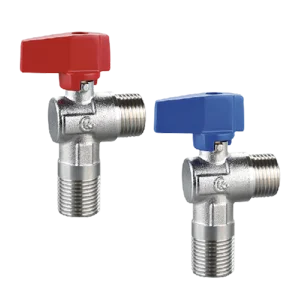
Steam lines running autoclaves, steam heat exchangers, and commercial laundry ironers need strict input limits. Utilizing precise boiler and angel valves prevents saturated wet steam issues, improving system performance and protecting against dry firing risks.
Multi-zone underfloor heating systems run best under low-temperature, low-pressure conditions. Implementing manifolds alongside smart thermostat mixers allows users to balance zones, optimizing energy use and protecting PEX piping from sudden temperature increases.
Yuhuan, Zhejiang stands as one of the premier industrial clusters for brass and fluid control equipment worldwide. This geographical layout provides manufacturers with access to local raw material processing, standardized tooling setups, and specialized testing labs, reducing overall lead times and ensuring competitive pricing.
Our production line features a vertical manufacturing structure, covering every step from initial forging, high-precision machining, custom chrome plating, to final pressure and leak testing. We utilize spectral testing to monitor alloy purity and run 100% pneumatic testing for air leaks. This rigorous setup enables us to export zero-defect components consistently to North American and European markets.

We align our manufacturing processes with international standards to ensure our products fit seamlessly into global project systems.

Our factory operates under the ISO9001:2015 quality management system, ISO14001:2015 environmental management guidelines, and ISO45001:2018 occupational health and safety requirements. This documentation ensures consistent quality control throughout our manufacturing steps.
Our valves and manifolds carry European CE certifications, verifying compliance with mechanical safety and pressure standards. We also use premium lead-free, high-purity brass alloys to meet strict drinking water directives in North American and European markets.
Every shipment is accompanied by complete inspection logs and material testing papers. By verifying chemical composition and physical properties beforehand, we prevent structural issues under high pressure and thermal load.
Get quick answers to common technical queries about industrial pressure reducing valves and hydronic systems.
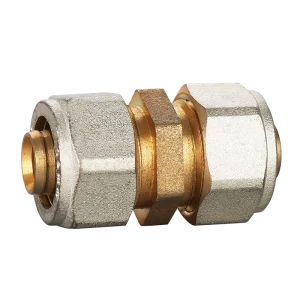
Browse our extended catalog of pressure control valves, boiler components, and compression fittings.