 Yongda
Yongda
Yongda
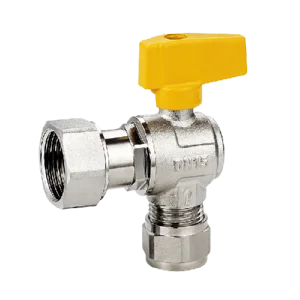
The global industrial fluid control ecosystem is undergoing a structural paradigm shift from legacy manual operations to high-efficiency automated systems. The integration of Automated Ball Valves in HVAC, district energy networks, and chemical process engineering has surged, driven by requirements for real-time telemetry, dynamic hydraulic balancing, and environmental compliance. Modern mechanical rooms and smart buildings demand components that support Modbus, BACnet, and analog (0-10V/4-20mA) control signals to ensure precise management of temperature, pressure, and flow rates.
This technological transition is catalyzed by green building standards such as LEED and BREEAM, which emphasize energy footprint mitigation. Standard manually-operated brass valves are no longer sufficient in centralized heating loop designs where fluctuations in building demand require instant automated adjustments. High-performance motorized ball valves eliminate operational latency and human error, protecting system pumps from cavitation and optimizing boiler efficiency.
Integration with building automation management systems (BMS) for real-time telemetry, monitoring pressure levels, dynamic adjustments, and proactive maintenance indicators.
Electric motorized actuators consume energy only when switching states, achieving significant grid-level energy conservation in massive commercial layouts.
Utilizing high-performance DZR (Dezincification Resistant) and Lead-Free brass compositions to ensure compliance with strict drinking water regulations globally.
For industrial buyers, EPC (Engineering, Procurement, and Construction) contractors, and HVAC OEMs, purchasing fluid control equipment extends beyond the base price list. Standardizing components requires a balance of quality engineering, compliance certificates, and unit lifecycle economics. When sourcing Automated Ball Valves and allied manifolds, procurement managers focus on long-term operations: minimizing seat friction, maximizing motor duty cycles, and verifying material tracking from raw ingot to finished valve body.
Regional specifications play a critical role in procurement decisions. North American partners require lead-free brass compliance (NSF/ANSI 61 and 372 standards), while European markets mandate EN 12165 grade brass (such as CW617N or CW602N) alongside CE mark confirmation. Working directly with integrated manufacturers that oversee forging, precision machining, assembly, and 100% pneumatic testing ensures high system reliability, reduces installation delays, and prevents fluid leakage issues in high-density installations.
Yuhuan Yongda Fluid Control Co., Ltd. (formerly Yuhuan Yongda Plumbing Co., Ltd.) was founded in 1996 and is strategically located in the "China valve capital" - Yuhuan, Zhejiang. As an established professional plumbing valve enterprise, Yongda integrates product design, development, production, and global sales.
Our product portfolio is divided into three core divisions: brass valves, brass fittings, and advanced HVAC components. These products are engineered for middle and high-grade system integration, emphasizing ecological sustainability and environmental protection. They are favored by industrial customers and engineering distributors across North America, Europe, and Asia-Pacific markets.
Under our premium brand Cokaren, we are committed to delivering fluid control components with refined aesthetic design, durable structural integrity, and exceptional service. The brand promise—"keep flowing, keep warming"—reflects our commitment to creating comfortable, reliable, and energy-efficient water circulation environments globally.

Our integrated fluid control components form the backbone of modern residential and light commercial HVAC networks. Below is the system architecture of our key energy distribution components:

The primary defense line in domestic water sanitation, removing up to 98% of circulating physical impurities and sediment from piping networks.
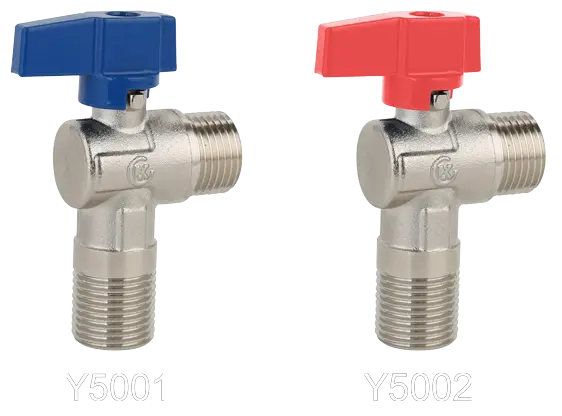
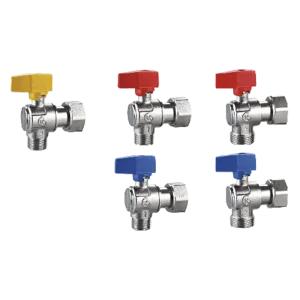
Engineered to balance cold and hot inlet/outlet boiler streams, utilizing a spherical spool design to reduce friction and flow resistance.
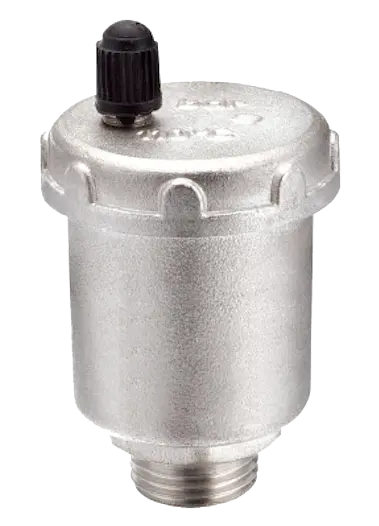
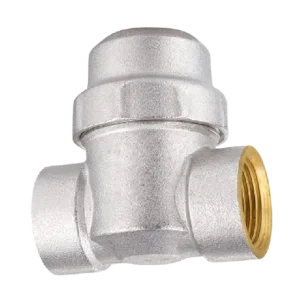
Automatically expels entrained air in system heat exchangers and manifolds, preventing air locks and maintaining uniform thermal output.
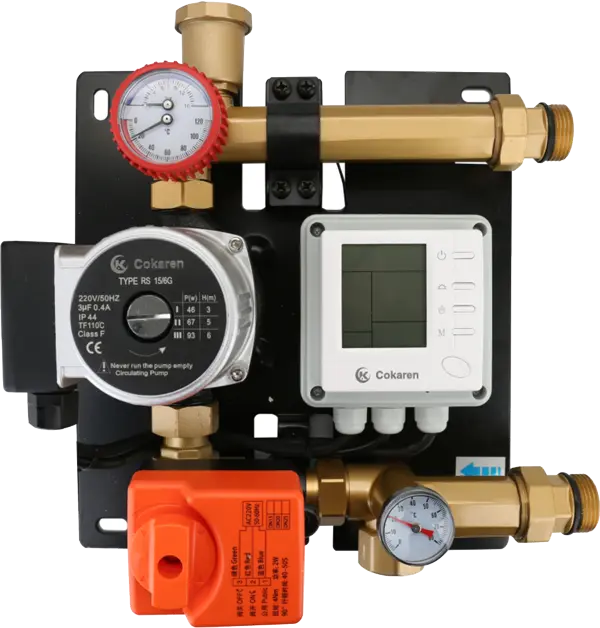
Maintains optimal loop temperatures by blending bypass and supply water, protecting plastic heating loops from thermal shock.
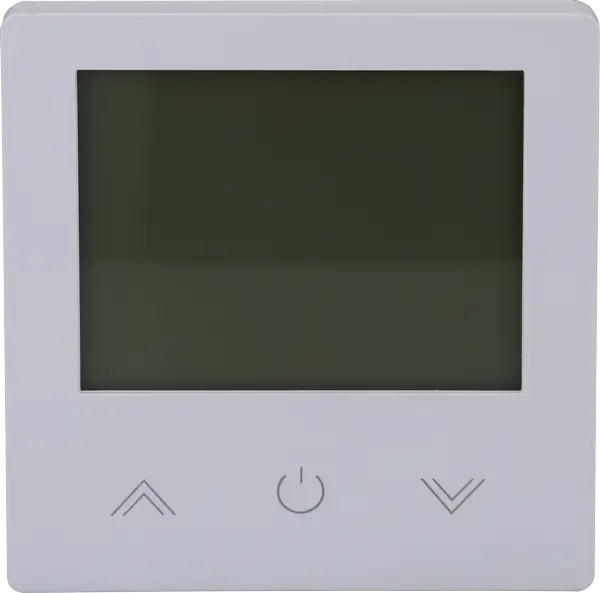
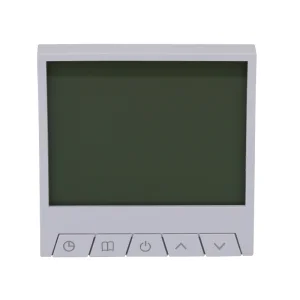
A smart control unit that communicates with zone valves and manifolds, providing precise regulation of indoor temperatures.
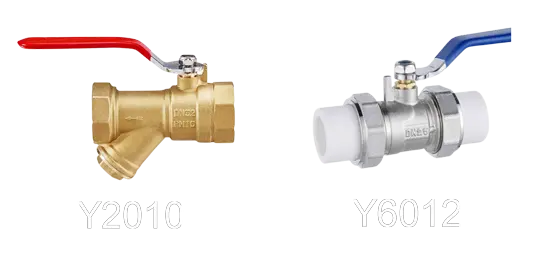
Integrated filtration and shut-off valve assemblies designed to clean circuit fluid while monitoring zone pressure and inlet temperature.
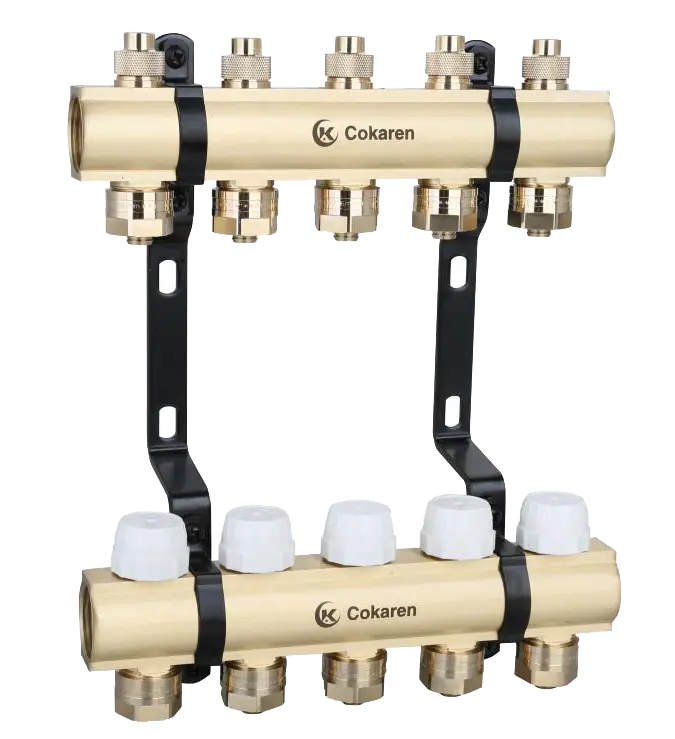
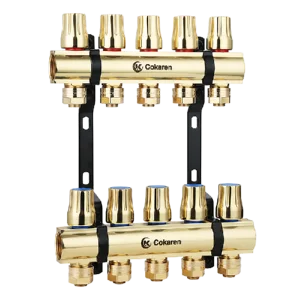
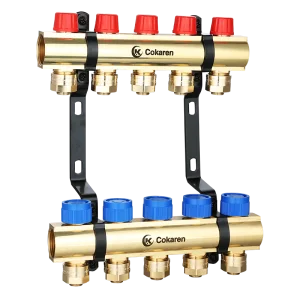
Distributes central flow to individual underfloor hydronic heating zones, offering balance adjustability across all loops.
As a forward-looking manufacturer, Yongda continuously updates its manufacturing processes and product designs. Our technical roadmap focuses on smart control integration, materials safety, and production automation.
Complete transition of North American product lines to lead-free brass formulations. Expanding testing capabilities for international approvals including NSF, CE, and WRAS.
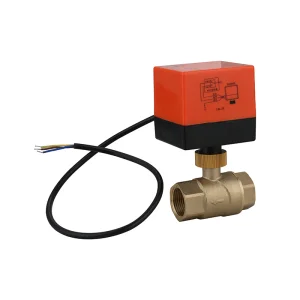
Developing low-torque motorized ball valves integrated with direct digital actuators. This allows configuration through BMS protocols (Modbus/BACnet) for smart building applications.
Deploying specialized CNC equipment and automated assembly cells within our 80,000 sqm usable facility to enhance dimensional consistency and reduce production lead times.
Advancing our ISO 14001:2015 environmental standards by optimizing hot forging energy consumption and implementing closed-loop scrap brass recycling systems.
Yongda's growth is driven by our core operational values:
Operational quality and occupational safety are structured around recognized international standards: