 Yongda
Yongda
Yongda
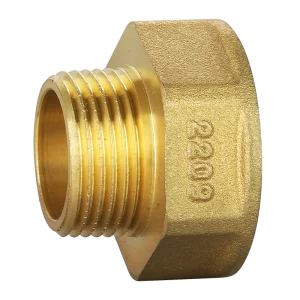
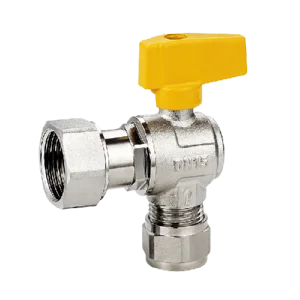
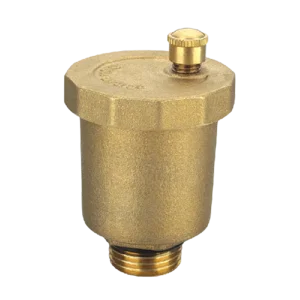
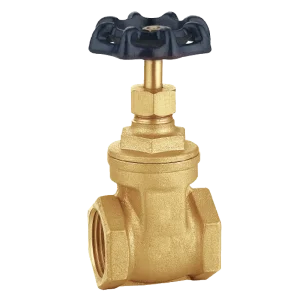
British Standard Pipe (BSP) thread connection is the cornerstone standard governing fluid management pipelines across Europe, the Commonwealth, and Asian industrial markets. Standardized under BS 21 and equivalent ISO 7 / ISO 228 standards, the BSP thread system is engineered on a 55-degree Whitworth thread profile, ensuring unmatched sealing capacity under substantial mechanical and thermal stresses.
Unlike the American NPT standard which relies on a 60-degree thread angle, BSP valves feature rounded crests and roots. This profile minimizes stress concentration zones in the brass body, thereby mitigating potential hairline structural fractures caused by system pressure pulses or water hammer events.
To implement a zero-leakage pipeline design, engineers must distinguish between BSPT (British Standard Pipe Tapered), which establishes a physical pressure-tight joint via thread-on-thread interference, and BSPP (British Standard Pipe Parallel), which utilizes mechanical thread engagement to compress a dedicated elastomeric sealing washer or O-ring.

| Specification parameter | BSPP (Parallel Thread - ISO 228) | BSPT (Tapered Thread - ISO 7) | NPT (American National Tapered) |
|---|---|---|---|
| Thread Profile Angle | 55° Whitworth System | 55° Whitworth System | 60° Sellers System |
| Sealing Methodology | Fitted flat seal / Soft elastomeric O-ring | Thread deformation plus sealing compound | Metal-to-metal interference fit |
| Mechanical Joint Strength | High stability under dynamic stress | Highly reliable for directional orientation | Moderate, susceptible to over-tightening |
| Primary Application Areas | Underfloor Manifolds, Thermostatic Radiators | Boiler connection fittings, Gas distribution lines | North American fluid systems |
As dynamic energy efficiency criteria and low-lead regulatory regimes expand worldwide, standard industrial fluid systems are shifting toward smart, highly integrated controls. Sourcing strategies are prioritizing factories capable of executing advanced automated brass forging.
Strict regional compliance guidelines (such as the NSF/ANSI 61 and Safe Drinking Water Act in North America, and European EN 12164/12165 brass standards) require manufacturers to transition to dezincification-resistant (DZR) brass alloys and specialized zero-lead or low-lead formulations like CW617N, C37700, and eco-brass.
Modern distribution schemes rely on decentralized balancing. Integrated valve assemblies, balancing manifolds, and smart thermostatic actuators regulate water flow across variable building loads. This direct integration of mechanical valves with electronics forms the basis of next-generation commercial heating systems.
Global procurement teams are shifting away from multiple component suppliers toward single-source industrial solution providers. Companies like Yuhuan Yongda Fluid Control Co., Ltd. offer end-to-end capabilities, combining brass casting, hot forge pressing, high-precision CNC machining, and automated pressure testing under a unified management process.
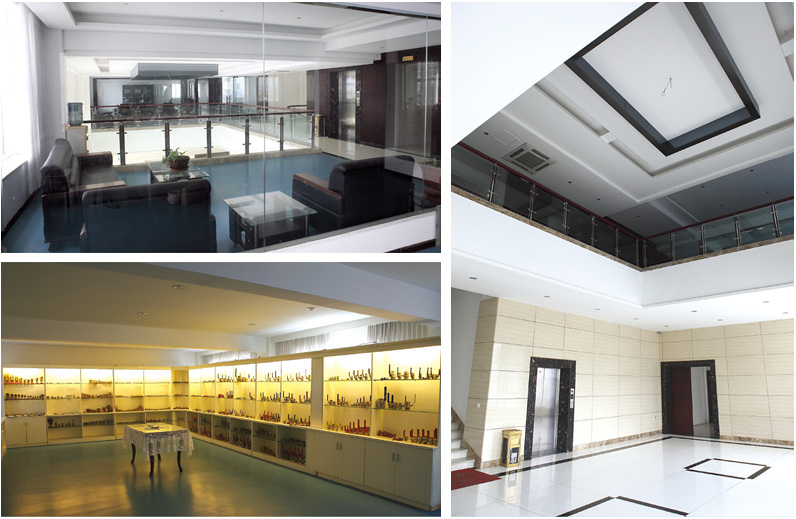
Founded in 1996 in Yuhuan, Zhejiang—widely recognized as the "China Valve Capital"—Yuhuan Yongda Fluid Control Co., Ltd. (formerly Yuhuan Yongda Plumbing Co., Ltd.) has grown into a leading industrial designer, developer, and manufacturer of premium plumbing valves, brass fittings, and commercial HVAC systems.
Spanning an expansive factory footprint exceeding 45,000 square meters (with an actual usable production and warehousing area of 80,000 square meters), Yongda operates over 600 sets of advanced manufacturing and testing equipment. This fleet includes more than 80 automated, high-precision rotary transfer machines, allowing us to supply tailored OEM and ODM solutions to clients in over 20 countries across North America, Europe, and Asia.
Through our premium brand Cokaren, we align with our core commitment: "Keep Flowing, Keep Warming." Our strategic mission is simple—deliver highly engineered, defect-free fluid control components that improve energy distribution, system reliability, and home comfort.
Our engineered energy distribution systems isolate, regulate, and direct media safely and efficiently. Each assembly is pressure-tested under our strict QA policy: "Fine Work, No Leakage."

Serves as the primary line of defense in domestic water sanitation, filtering up to 98% of sediment and scale impurities in incoming pipelines.
Technical Parameters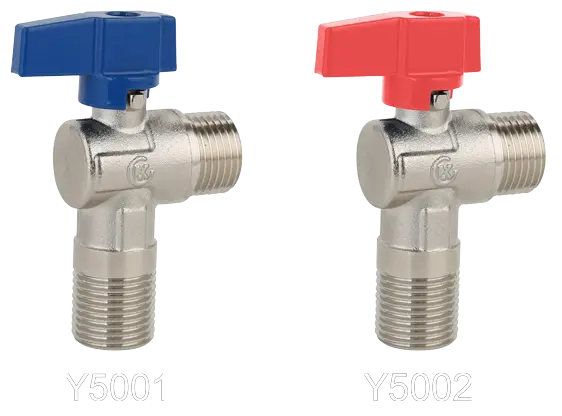
Features a forged brass body with a spherical spool configuration to regulate hot and cold water intake loops on central boiler units.
Technical Parameters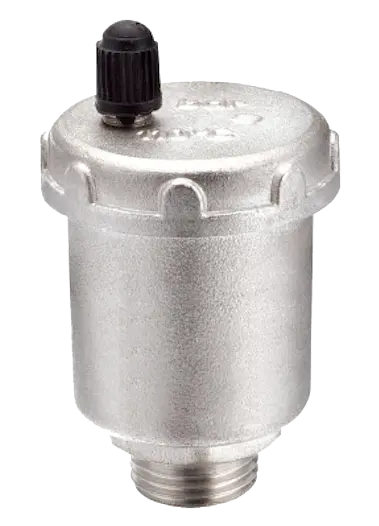
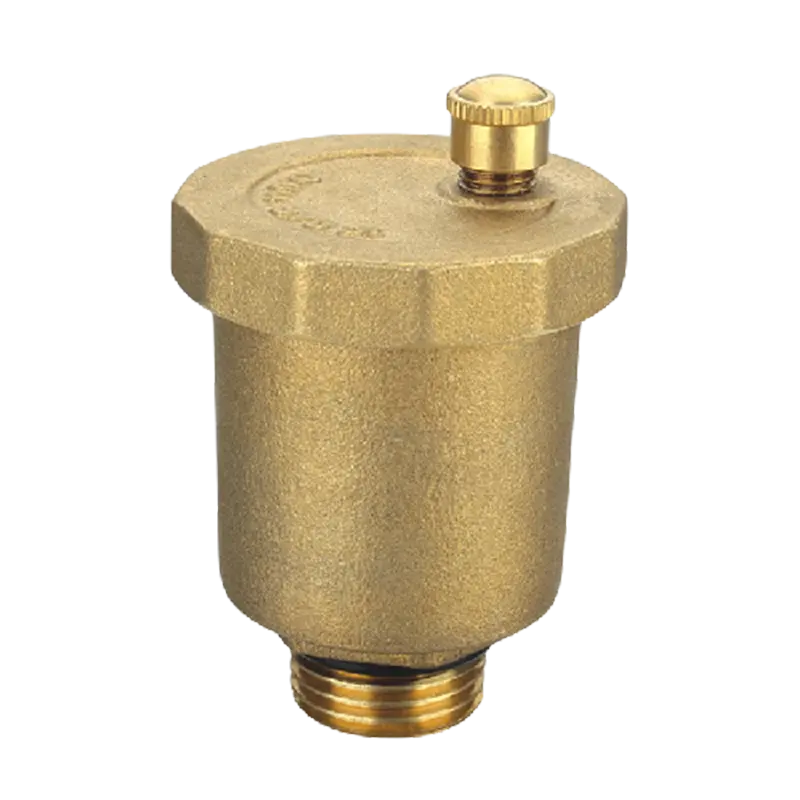
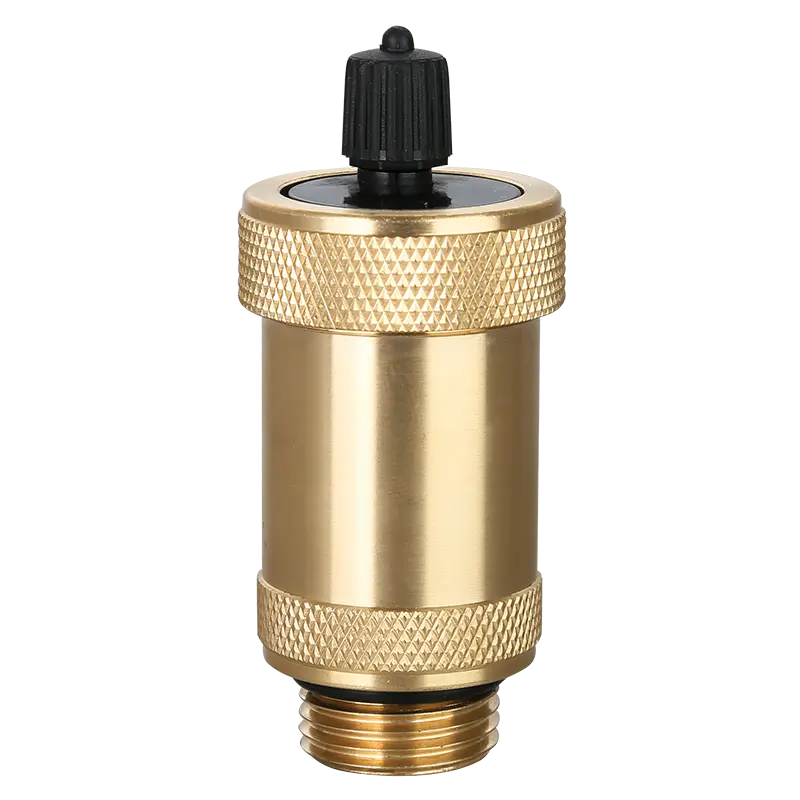
Automates the discharge of entrained air bubbles in heat pump water systems, preventing cavitation and maintaining pump head pressure.
Technical Parameters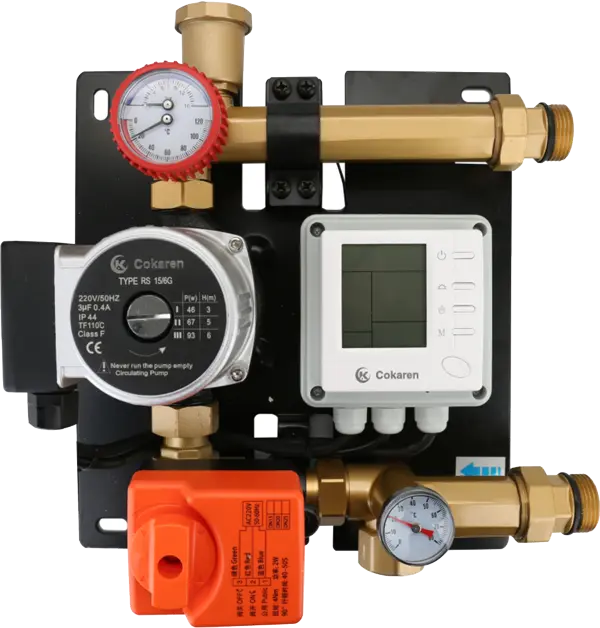
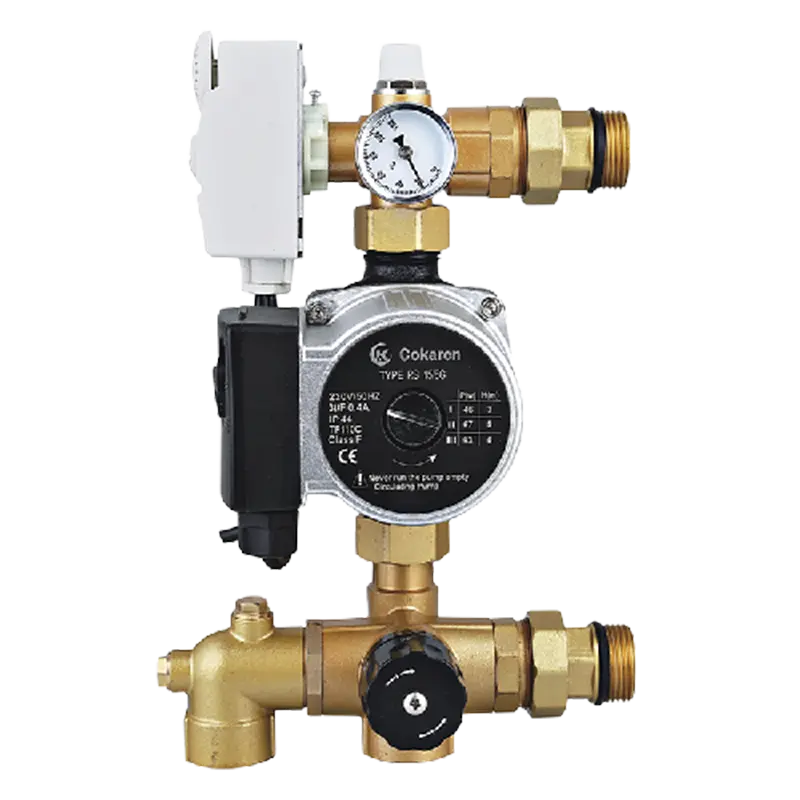
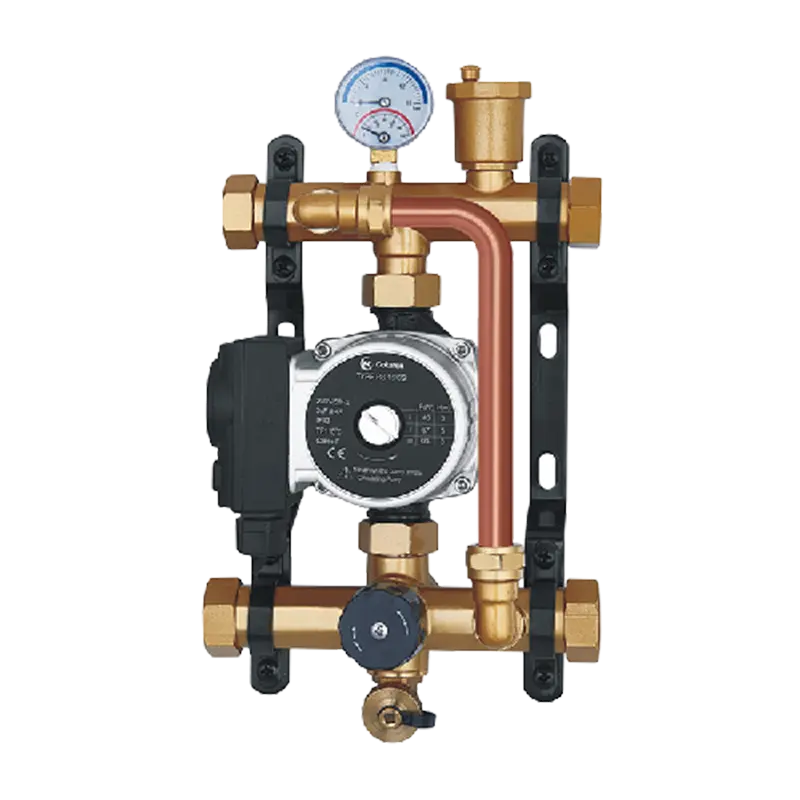
Proportionately mixes hot supply water with cooler return water, stabilizing downstream temperatures to protect residential underfloor pipe networks.
Technical Parameters
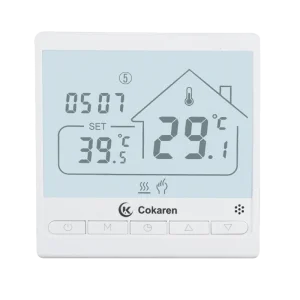
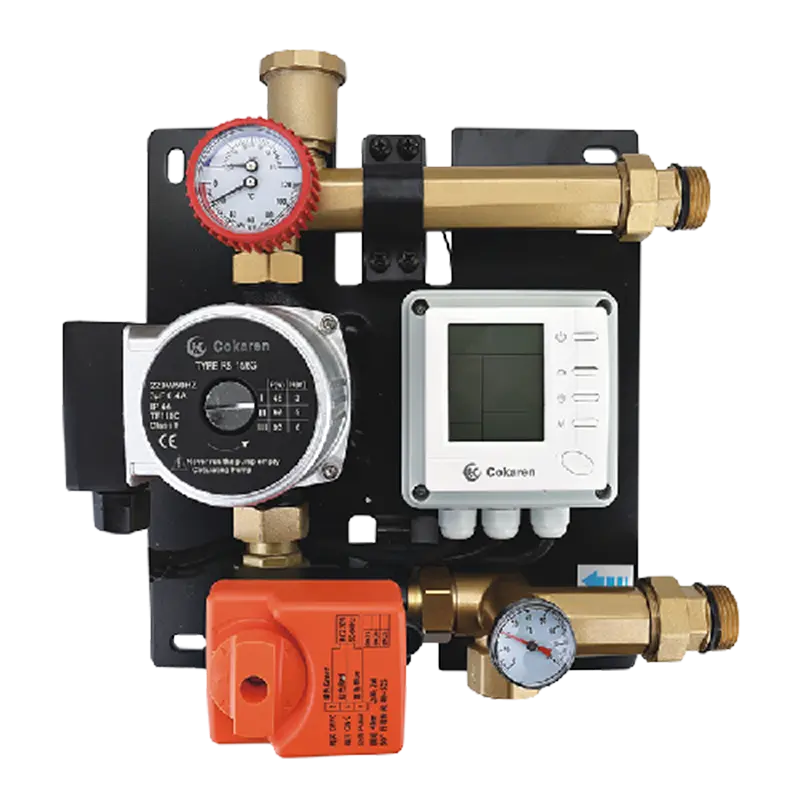
Coordinates system operation by sending signals to manifold actuators, enabling precise temperature control across multiple heating zones.
Technical Parameters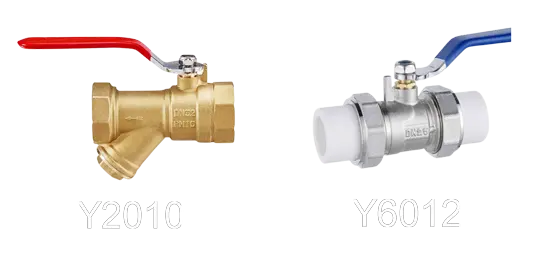
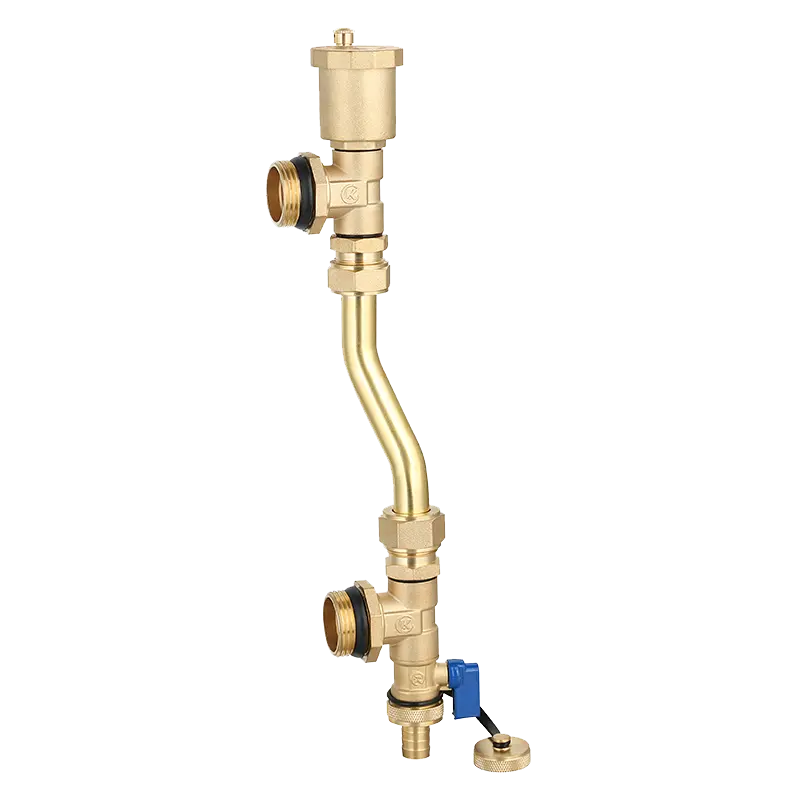
A multi-functional manifold valve assembly designed to strain debris, vent air, check flow direction, and monitor local system temperature.
Technical Parameters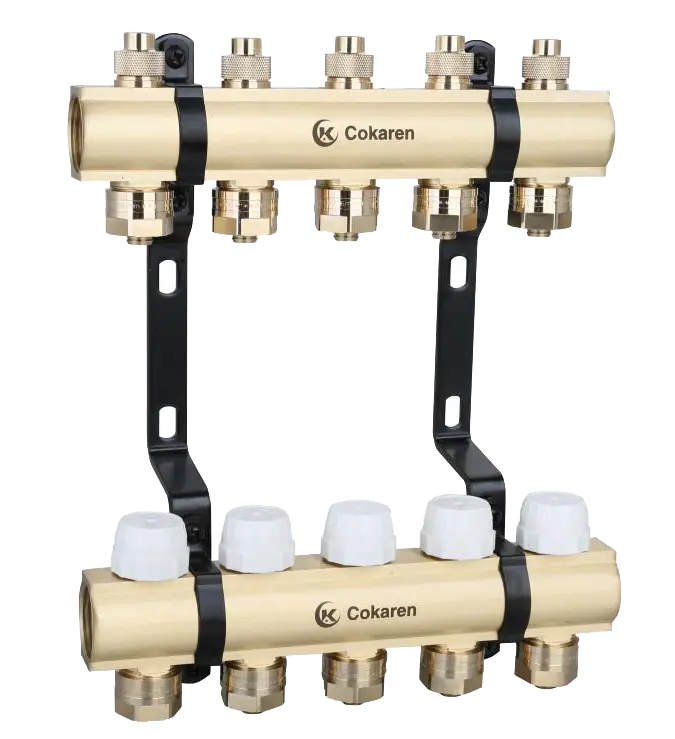
A premium brass distribution manifold that splits and balances main flow lines into individual loops for balanced underfloor hydronic systems.
Technical Parameters
Our system integrates filtration, air separation, manifolds, and smart temperature regulation into a cohesive, high-efficiency system.
Industrial installations require absolute reliability. Yongda holds three core ISO system certifications: ISO 9001:2015 for Quality Management, ISO 14001:2015 for Environmental Management, and ISO 45001:2018 for Occupational Health and Safety.
Our quality control program applies strict inspection protocols at every stage of production:

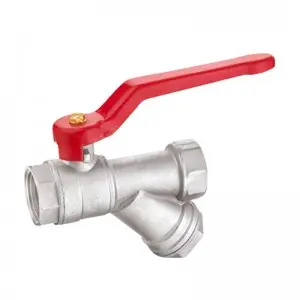
Combines isolating shutoff capability with a built-in stainless steel mesh basket to filter out pipeline particulates.
View Specifications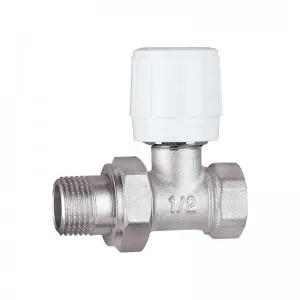
Enables manual fluid balancing across hydronic loops, featuring high-precision positioning threads.
View Specifications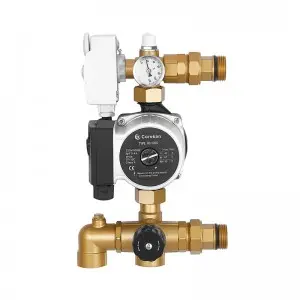
Stabilizes underfloor temperatures by mixing cooler return water with high-temp supply lines.
View Specifications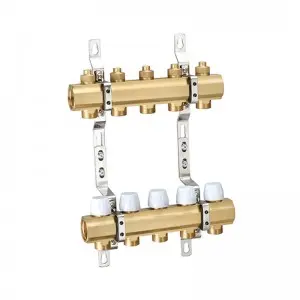
Premium forged manifold designed to distribute flow across radiant heating loops.
View Specifications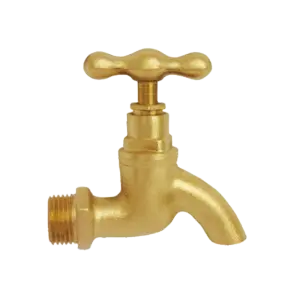
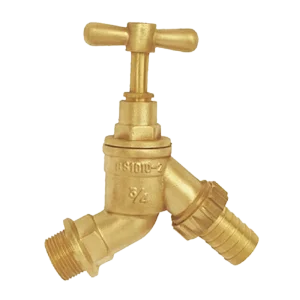
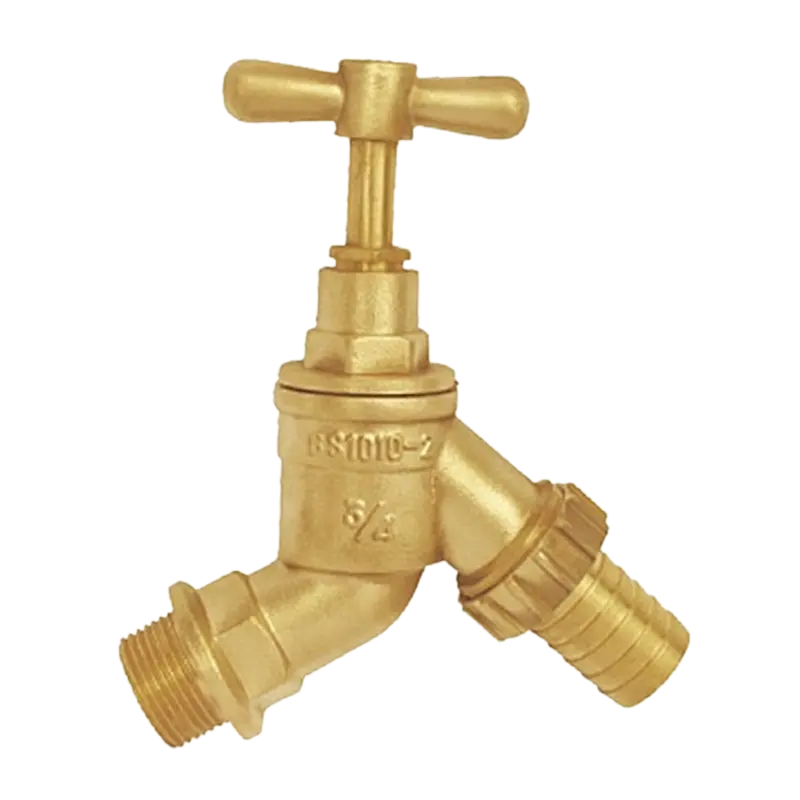
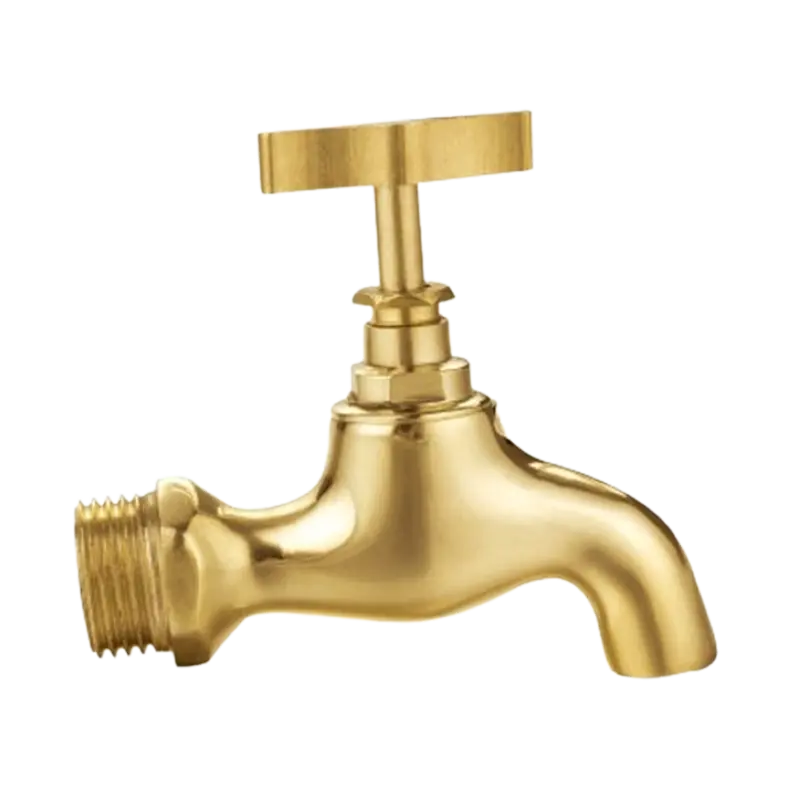
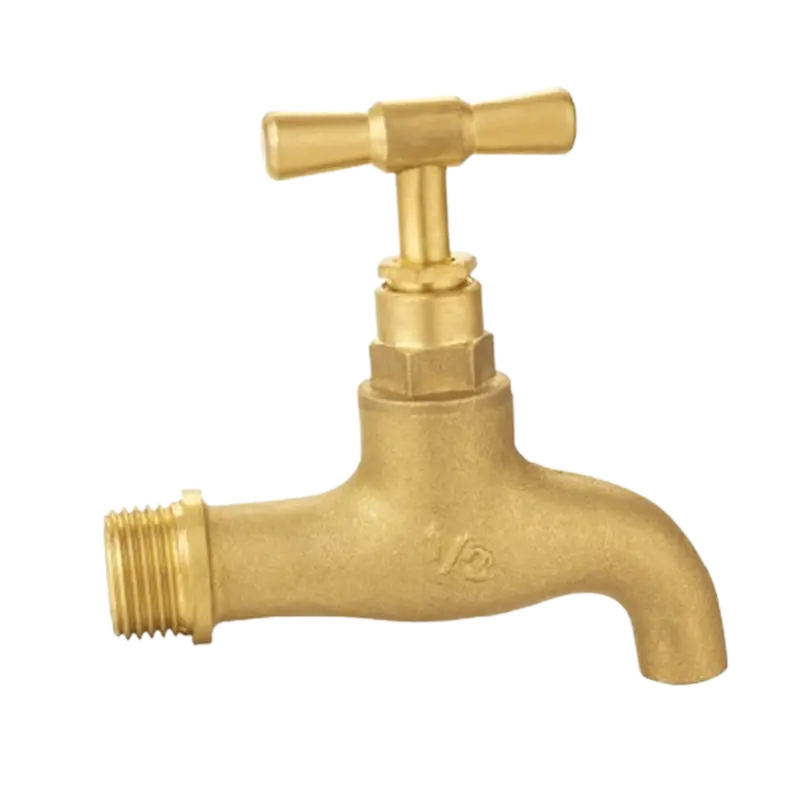
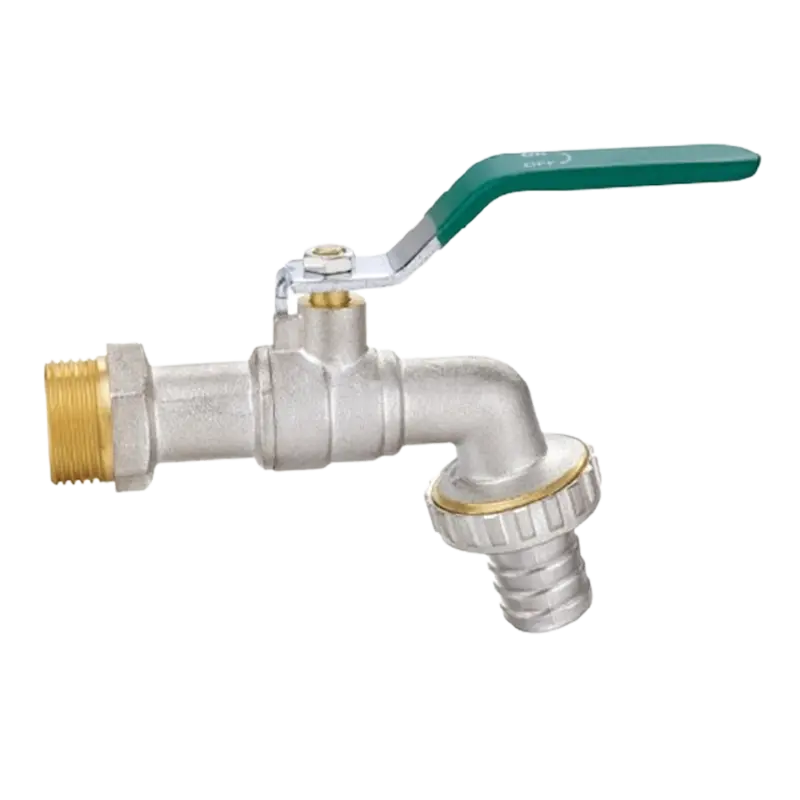
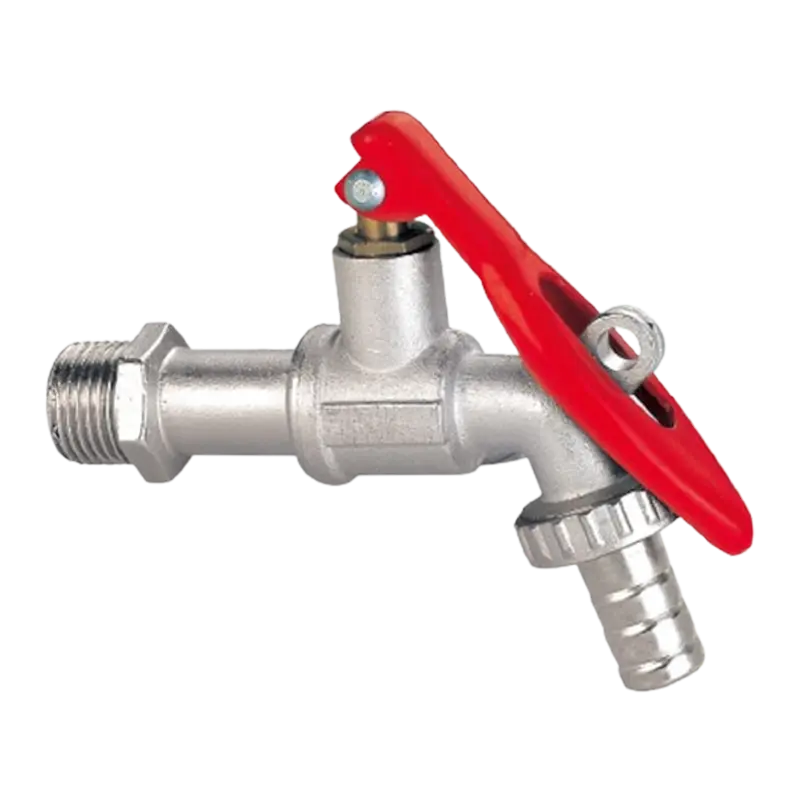
Weather-resistant outdoor brass tap featuring a reinforced nozzle and BSP threaded inlet.
View Specifications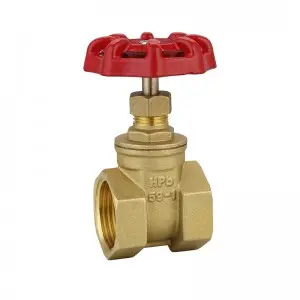
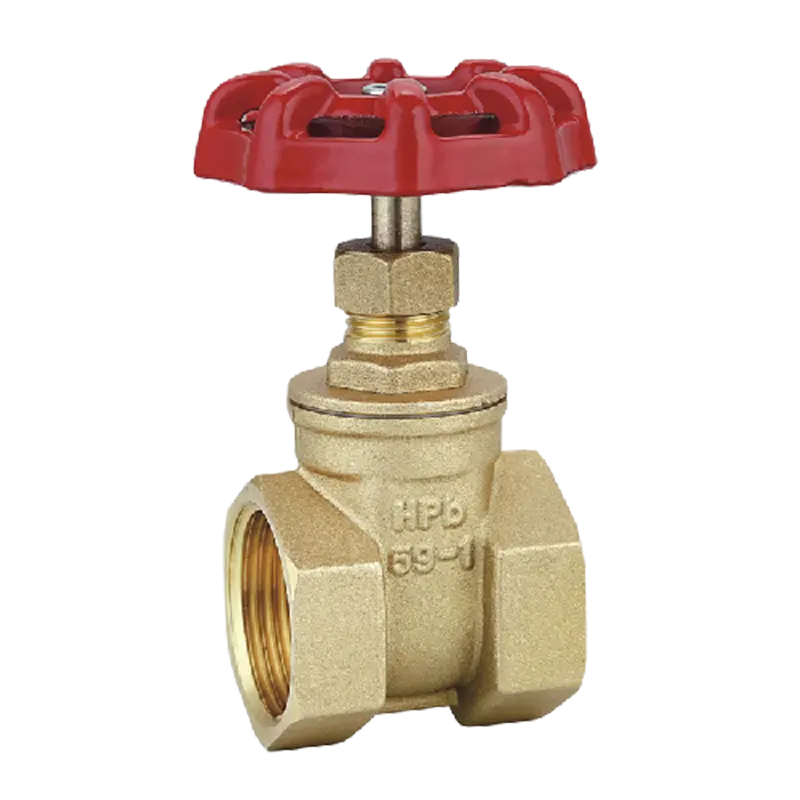
Designed for low pressure-drop fluid isolation, featuring a machined wedge and parallel female BSP threads.
View Specifications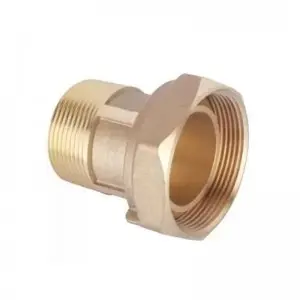
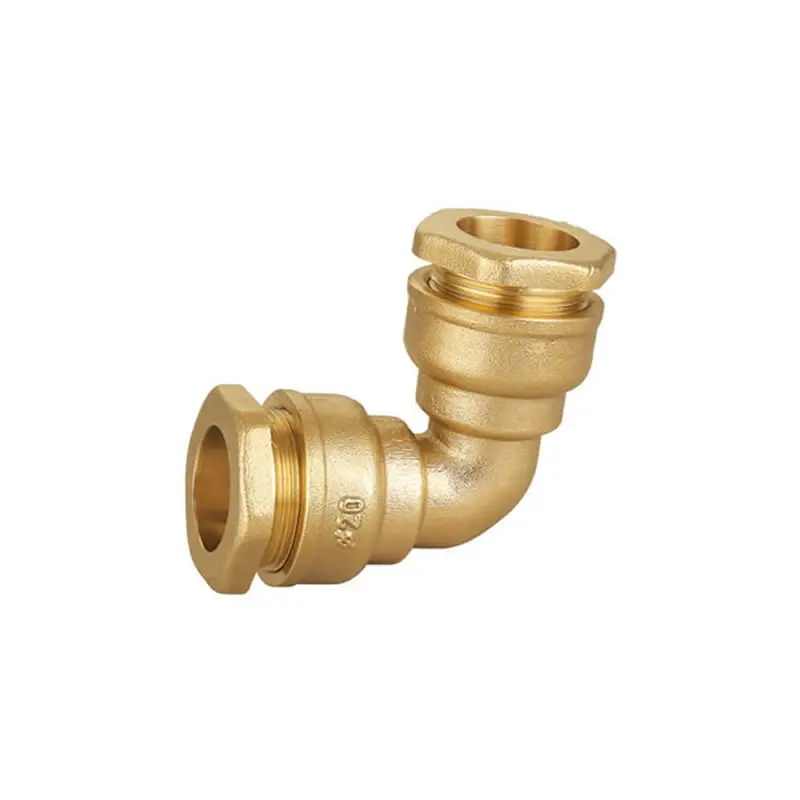
Forged connection unions with BSP swivels, providing stable alignments for municipal meters.
View Specifications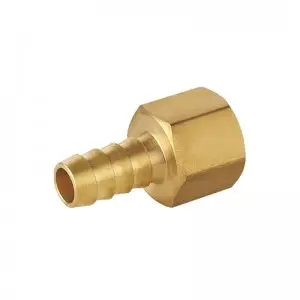
Precision barbed connections designed to provide a secure, leak-free grip on flexible tubing systems.
View SpecificationsOur engineers answer common technical questions about thread compatibility, installation, and alloy selection for BSP valve installations.
Generally, no. Mating a parallel BSPP male thread with a tapered BSPT female thread can result in insufficient thread engagement. Since the sealing mechanisms differ (BSPP relies on a gasket, while BSPT relies on thread interference), mixing the two styles compromises seal integrity and increases the risk of leakage under pressure or thermal cycling.
For heating and HVAC systems, European CW617N or CW614N standard brass is widely preferred for its excellent hot forging properties and mechanical strength. For potable drinking water installations, we use low-lead brass alloys (such as C37700 or DZR brass) to comply with international limits on heavy metals.
Entrained air in a closed-loop hydronic system can block heat transfer, cause pump cavitation, and accelerate internal pipe corrosion. An automatic air vent valve uses an internal float mechanism. When air accumulates in the valve chamber, the float drops, opening a seal to release the air. Once water re-enters the chamber, the float rises to seal the valve and prevent leakage.
When thermostatic valves close across different zones in a building, the system's differential pressure rises. A bypass valve vents excess pressure back into the return line. This stabilizes pressure across the remaining open zones, reduces flow noise, and protects the circulation pump from operating against a closed head.