 Yongda
Yongda
Yongda
Direct links to our verified components engineered for system compatibility and zero leakage.
A technical analysis of backflow prevention mechanisms, material tolerances, and structural design configurations required for complex municipal and industrial pipe systems.
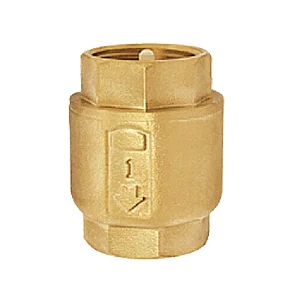
Determining the precise cracking pressure—the minimum pressure required to open the check valve and allow flow—is critical. Our brass fuel check valves are designed with high-grade, corrosion-resistant internal springs, assuring rapid and reliable sealing when downstream pressure approaches equalization.
We leverage industrial-grade HPb59-1 brass, DZR (Dezincification Resistant) alloys, and specialized Lead-free brass formulations. This guarantees physical integrity against volatile compounds in petroleum fuel lines, biodiesel operations, and thermal floor heating setups.
Utilizing high-performance elastomer seals, including Viton (FKM) for chemical resistance and high-temperature tolerance, or specialized NBR for standard petroleum operations. This prevents zero-pressure seepage and maintains full forward flow control.
In power generators, marine engines, and pipeline delivery systems, fuel must run in a unidirectional stream. Sudden drop-offs in engine manifold pressure or reverse thermal expansion in fuel distribution loops can cause catastrophic backflow. A properly calibrated Fuel Check Valve functions as the mechanical gatekeeper, immediately seating shut the moment back pressure exceeds inline drive pressure. This prevents fuel lines from running dry, eliminates air locks in starter manifolds, and isolates backflow-sensitive measurement meters.
Yuhuan Yongda Fluid Control Co., Ltd. (formerly Yuhuan Yongda Plumbing Co., Ltd.) was founded in 1996, and is strategically situated in the "China valve capital" – Yuhuan, Zhejiang Province. As a premier fluid control pioneer, the enterprise focuses on integrated product design, rigorous metallurgical research, advanced development, and international manufacturing distribution.
Our core portfolio spans three primary product lines: brass valves, heavy-duty pipe fittings, and HVAC manifolds/accessories. Our systems target high-end global infrastructure needs, prioritizing environmental safety, compliance, and material engineering.
Driven by our newly launched quality brand, Cokaren, we commit to the guiding brand promise: "Keep flowing, keep warming". Our design team creates products with refined aesthetics and enhanced operational life, delivering comprehensive water control and heating solutions for comfortable modern environments.

Cokaren operates as a highly dynamic enterprise, striving for consistent technical growth to lead the industry as a world-class fluid brand. Through advanced CNC automation, vertical supply chain integration, and deep chemical testing capabilities, we provide global OEM/ODM buyers with custom plumbing components that withstand extreme pressure conditions.
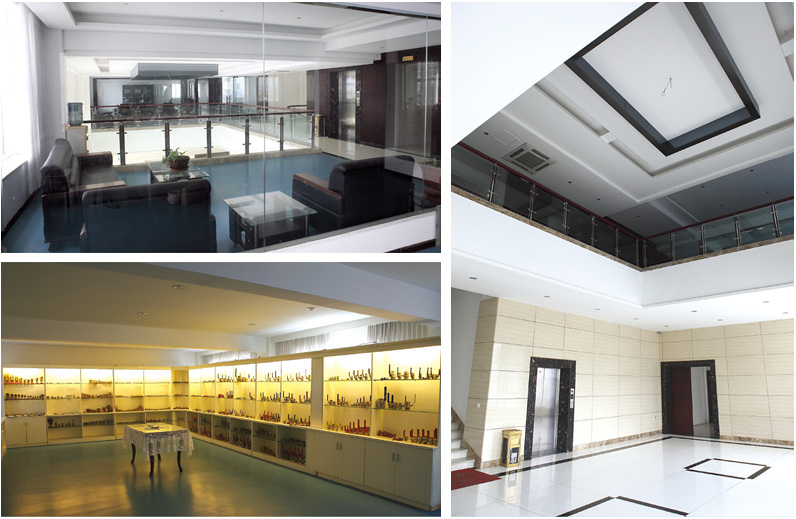
Unlocking the industrial clusters of Yuhuan to deliver unmatched quality-to-cost ratios and compliance assurances for global supply networks.
Yuhuan represents the absolute pinnacle of China's plumbing, brass forging, and precision valve manufacturing infrastructure. By maintaining relationships within this immediate localized ecosystem, Yongda utilizes instant raw material access, specialized electroplating processing, heat-treatment providers, and toolmaker shops.
This cluster model significantly minimizes transport overhead and design cycles, allowing us to pivot from prototype development to full bulk container shipping with speed that competitors in isolated industrial zones cannot replicate.
Global sourcing managers require strict supply consistency, risk diversification, and total regulatory clearance. We understand the specific material requirements for different jurisdictions, including low-lead brass requirements (NSF/ANSI 61 and 372) for the United States, and CE directives for the European Economic Area.
Yongda maintains robust trace-verification records, from spectrometer readings of the raw brass rod to final pressure test logs, protecting import firms against quality claims and cargo rejections.
| Performance Parameter | Standard Brass Configuration | Low-Lead / DZR Configuration | High-Pressure Custom Design |
|---|---|---|---|
| Alloy Grades | HPb59-1, HPb57-3 | CW617N, CW602N (DZR), C37700 | Custom Forged Bronze / Red Brass |
| Cracking Pressure Range | 0.02 bar to 0.05 bar | 0.01 bar to 0.1 bar (custom springs) | Up to 0.5 bar for heavy line isolation |
| Nominal Working Pressure | PN16 (232 PSI) | PN25 (362 PSI) | PN40 (580 PSI) |
| Fluid Compatibility | Potable Water, HVAC Glycol, Diesel | Municipal Drinking Water, Corrosive Fuel | Heavy Oils, Biodiesels, Chemical Media |
| Operating Temperature | -10°C to 110°C (with NBR seals) | -20°C to 150°C (with Viton/FKM seals) | -30°C to 180°C (Extreme duty options) |
Yongda Fluid Control designs complete flow architectures where individual valves operate in harmony with smart manifolds, filtering nodes, and thermostats.

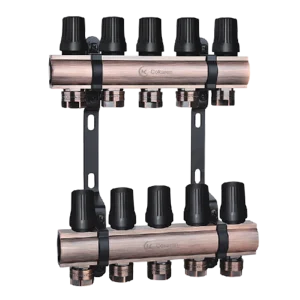
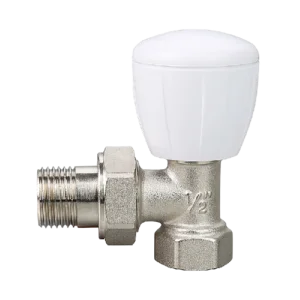
Modern commercial structures demand energy-efficient hydronic distribution systems. Our products, like the Y1001 Manifold and the Y2010/Y6012 HVAC Valves, work systematically to maintain balanced flow rates across zones.
Incorporating components like the Y5020 Mixing Shunt ensures that hot boiler water merges safely with system return water, maintaining precise room temperatures while saving energy. Our Y9070 Venting Valve operates at high points of the loop to purge air and prevent vapor locks, preserving the integrity of the circulation pumps.
Our operations strictly adhere to triple-certification health and management protocols, ensuring that both local and international operations conform to modern environmental and workforce mandates:
Review the design profiles of our specialty solutions built for performance and system safety.

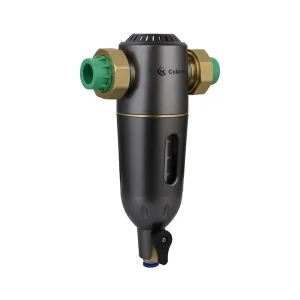
The first line of defense in domestic water sanitation, designed to filter out 98% of sediment, rust, and particulate impurities to protect downstream check valves and high-end manifolds.
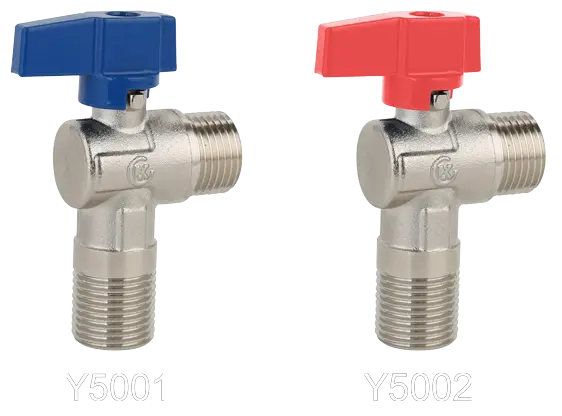
Engineered to manage the cold water inflow and hot water output of residential and commercial boilers. Features a spherical brass spool for smooth, low-torque operation.
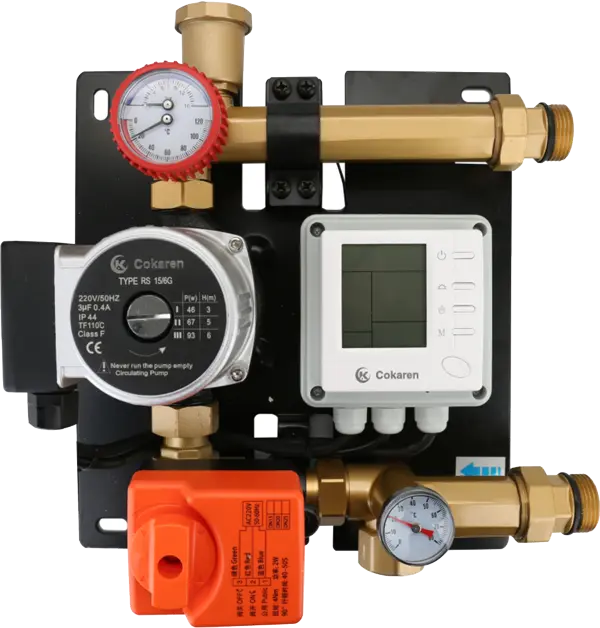
Blends supply and return loops in closed-loop hydronic networks, maintaining stable temperatures to protect sensitive pipes from thermal shock.
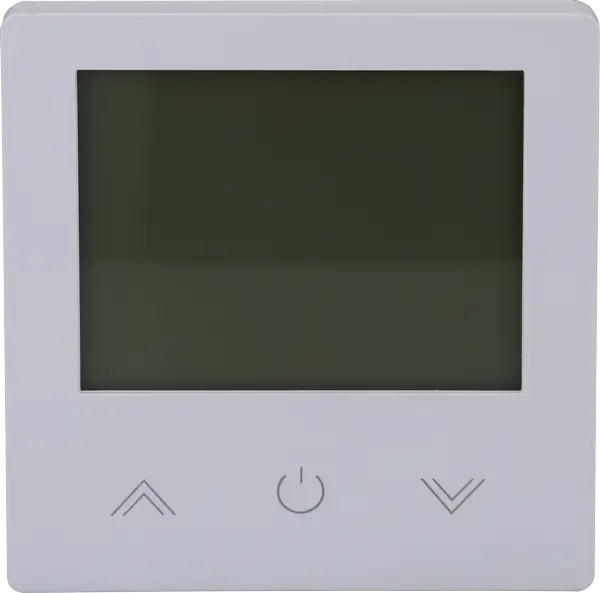
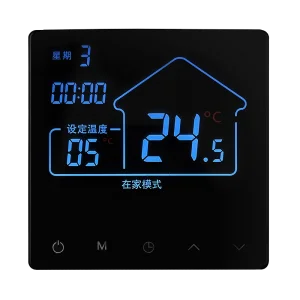
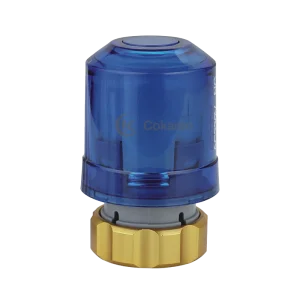
Integrates directly with underfloor radiant circuits, reading environmental zones to dynamically adjust thermal actuator outputs.
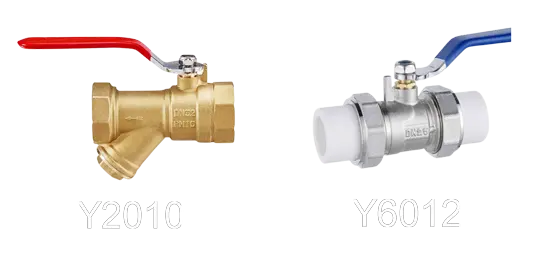
A multi-functional terminal unit designed to filter media, vent entrained air, monitor temperature pressure drops, and control manifold flow.
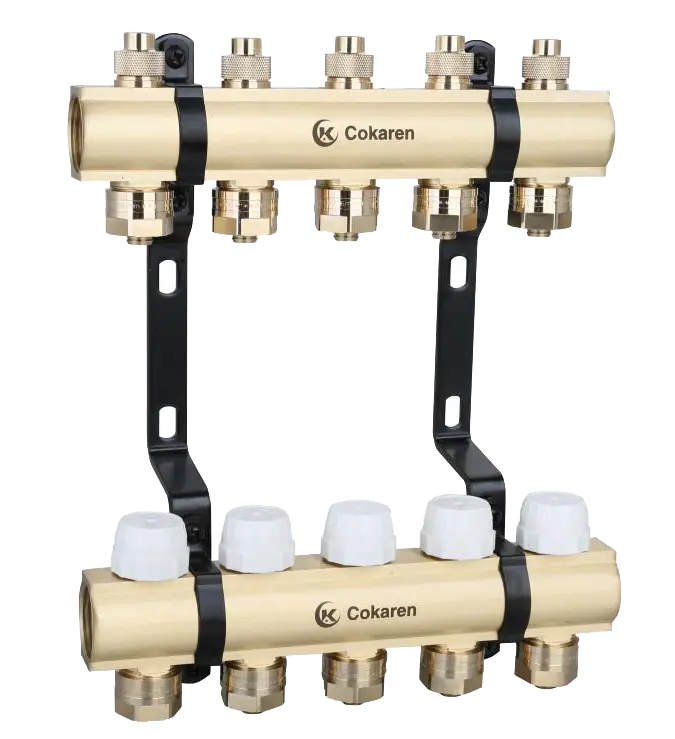
Distributes hydronic flow to various zones, balancing room-by-room heating needs when coupled with automatic actuators.
Decarbonization, smart control integration, and lead-free regulatory changes are shaping the future of global fluid control technology.
To meet RoHS requirements and low-lead standards, manufacturers are shifting production lines to dezincification-resistant (DZR) and bismuth-fortified lead-free alloys. These materials resist selective zinc leaching in water treatment processes and keep potable water lines safe.
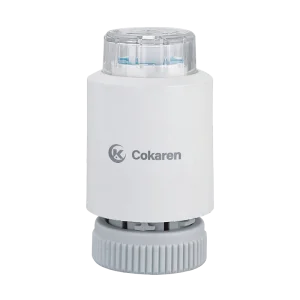
Smart buildings require manifolds and mixing valves with dynamic actuators. Mechanical thermostats are giving way to digital actuators linked to central building management systems, optimizing energy usage based on real-time demands.
With high-rise HVAC and critical fuel systems demanding 15+ year operational lifespans, 100% pneumatic testing of cast bodies is becoming standard practice. Visual manual checks are replaced by automated helium leak-detection arrays.
Essential technical answers for procurement directors, pipeline layout designers, and HVAC engineers.
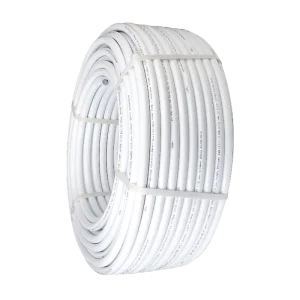
Complete your project specifications with our certified HVAC manifolds and composite plumbing lines.