 Yongda
Yongda
Yongda
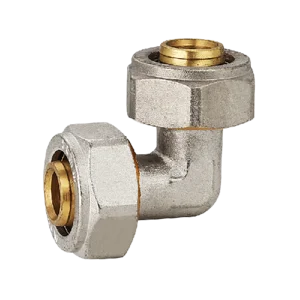
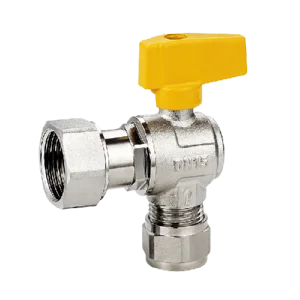
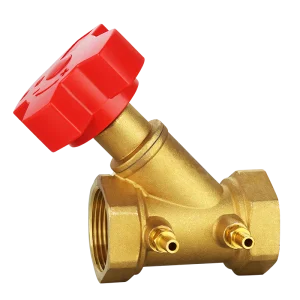
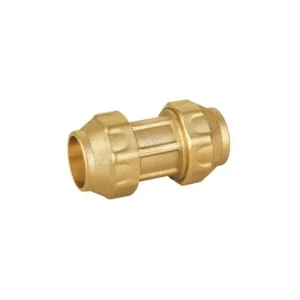
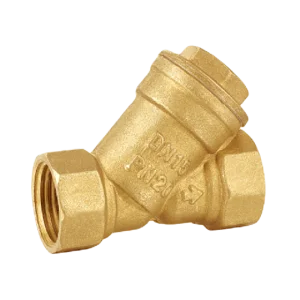
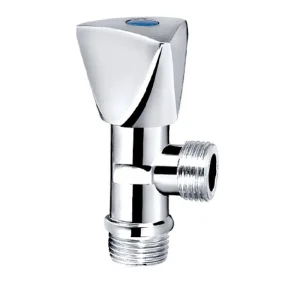
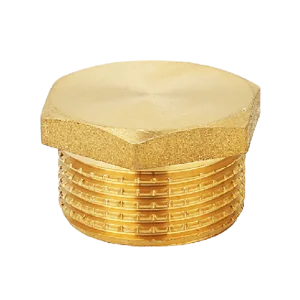
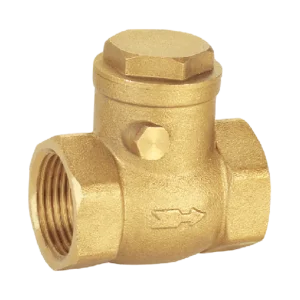
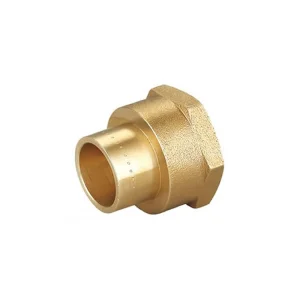
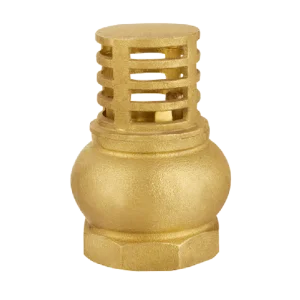
Examine our certified brass valve components, designed to work in synergy with industrial hose pressure reducers to maintain stable flow dynamics.
Within modern hydraulic infrastructure, managing excess pressure is critical to system longevity and operational safety. A Hose Pressure Reducer is not merely an accessory; it is a vital flow-control device engineered to reduce elevated inlet pressures down to a safe, constant downstream limit. Across global commercial and industrial sectors, uncontrolled pressure spikes cause catastrophic pipe bursts, premature seal erosion, and fluid loss, costing enterprises millions annually in capital replacement and operational downtime.
In high-flow municipal zones, agricultural operations, and distribution networks, supply lines are frequently subjected to fluctuating hydrostatic pressure. A pressure reducer mitigates these fluctuations, ensuring downstream machinery, hoses, and sprinkler systems work under optimal design specifications. The physics behind dynamic flow regulation depends on the balance of mechanical spring tension against downstream pressure feedback, allowing the valve diaphragm or piston to adjust dynamically to fluid velocity variations.

Understanding the mechanics of pressure drop ratios and fluid velocity thresholds is paramount to selecting the appropriate pressure reducer for your industrial hose infrastructure.
Engineered for high-pressure installations. The piston-driven system offers superior mechanical durability and handles aggressive pressure ratios without structural fatigue. Ideal for municipal piping and chemical hose systems.
Our custom internal spring design counterbalances spikes in milliseconds, preventing the water hammer effect from propagating through downstream piping assemblies.
Utilizing certified CW617N and lead-free copper-alloys to prevent dezincification (DZR), ensuring standard-compliant performance in municipal, residential, and agricultural hose outlets.
| Technical Parameter | Piston Reducer Type (Industrial) | Diaphragm Reducer Type (Residential) | Direct-Acting Hose Reducer |
|---|---|---|---|
| Nominal Pressure | PN25 / 362 PSI | PN16 / 232 PSI | PN10 / 145 PSI |
| Body Material | Forged Brass CW617N / DZR | Standard Forged Brass | HPb59-1 Eco-Brass |
| Temperature Range | -20°C to 120°C | -10°C to 90°C | 0°C to 65°C |
| Inlet/Outlet Media | Steam, High-Viscosity Liquids, Water | Drinking Water, Glycol-water mixes | Municipal Potable Water |
| Adjustment Precision | ±2.5% deviation | ±5.0% deviation | ±10.0% deviation |
From freezing sub-zero agricultural zones in Northern Europe to high-temperature desalination washdowns in the Middle East, our pressure reducers adapt to extreme microclimates.
In extensive drip-irrigation networks, gravity feed or high-yield booster pumps generate uneven pressure profiles along slope elevations. Installing our hose pressure regulators at localized pipe manifolds maintains a constant pressure profile of 1.5 to 2.5 bar, protecting sensitive thin-wall drip tubes from rupturing and ensuring uniform nutrient dispersal.
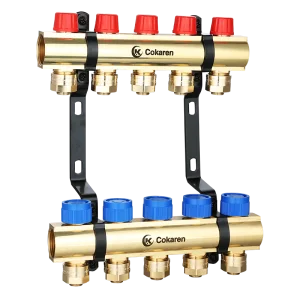
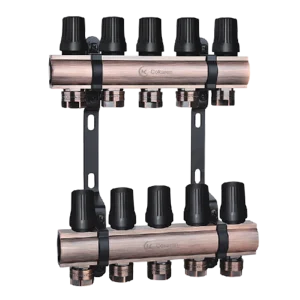
Within underfloor heating networks and hydronic loops managed by our Y1001 Manifolds and boiler configurations, maintaining correct fluid pressure protects circulation pumps from cavitation. Local pressure regulating stations prevent pressure differentials from causing fluid noise or thermal distribution imbalances across zoning loops.
High-pressure washing equipment used in commercial food processing facilities requires strict pressure management. Our inline brass hose pressure reducers safely step down high-velocity supply lines to worker-safe levels while minimizing mechanical stress on hose fittings and coupling accessories.
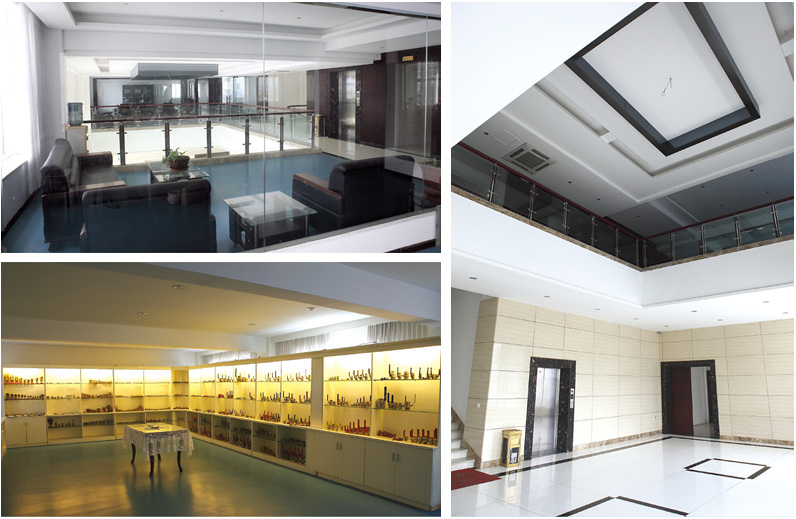
Based in Yuhuan, Zhejiang—widely recognized as the "Valves Capital of China"—Yuhuan Yongda Fluid Control Co., Ltd. (formerly Yuhuan Yongda Plumbing Co., Ltd.) leverages a mature, vertically integrated industrial cluster. Our factory spans a physical footprint of over 45,000 square meters, with total actual usable space reaching 80,000 square meters.
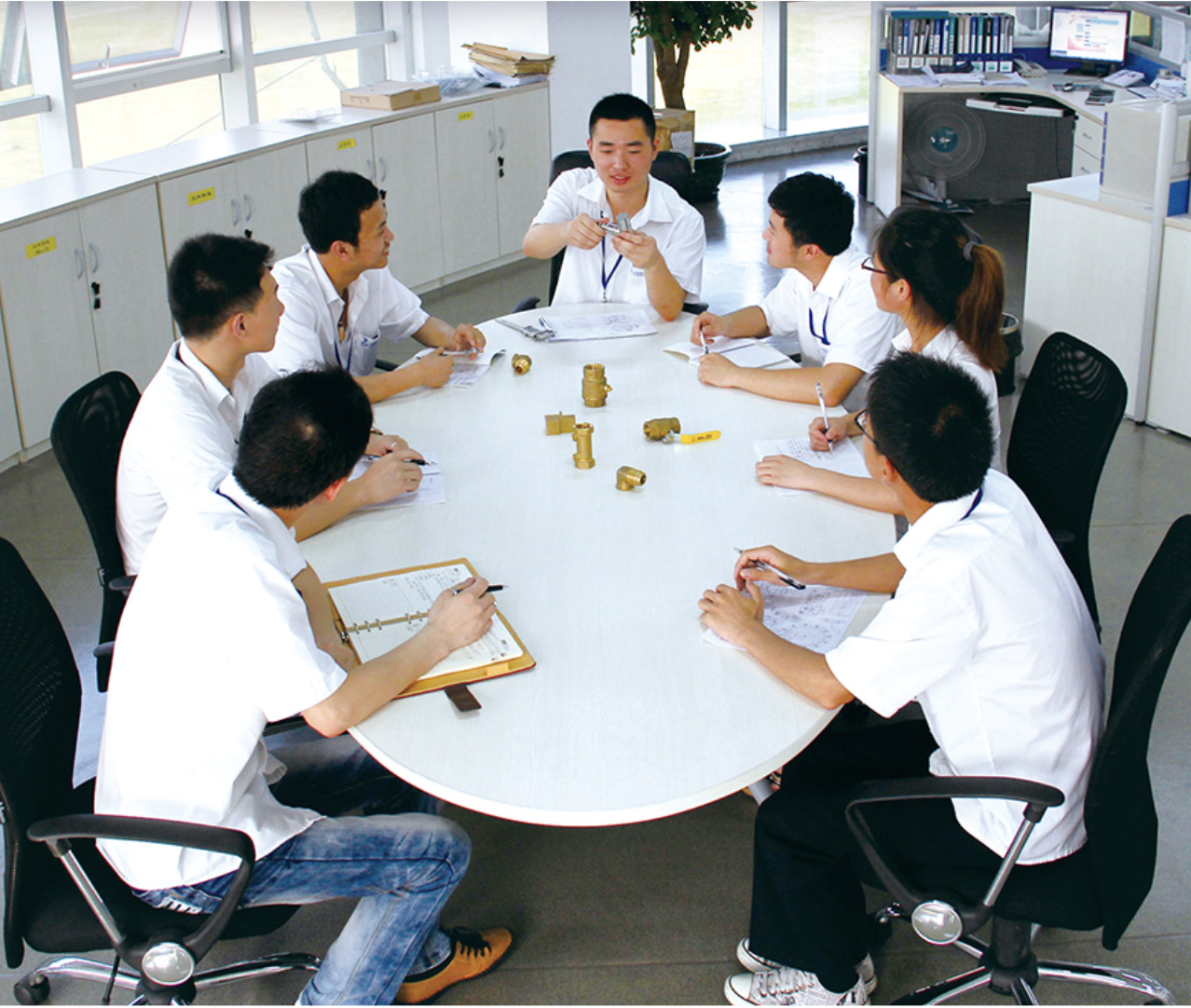
With an arsenal of more than 600 sets of advanced manufacturing and inspection apparatuses, including over 80 specialized CNC machine centers, we maintain complete control over the fabrication cycle. From billet casting and precision forging to multi-axis machining, automated assembly, and hydrodynamic testing, every phase is optimized. This concentration of technology enables us to compress lead times by up to 35% compared to western manufacturers, offering superior volume flexibility without compromising structural or chemical integrity.
To serve high-end international residential and commercial demands, we introduced Cokaren, our premium brand dedicated to refined product aesthetics, tighter tolerances, and superior ergonomics. Our brand promise is built around the synergy of stability and warmth: optimizing domestic heat networks and water delivery to maximize system safety and indoor comfort.
By blending innovative industrial design with premium alloys, Cokaren products are built to meet the most demanding requirements of B2B procurement partners in North America, Western Europe, and APAC regions.
Reliability in high-risk municipal and industrial settings requires rigorous alignment with global quality assurance bodies.
Our operations are fully certified under the ISO 9001:2015 Quality Management System, ISO 14001:2015 Environmental Management Standard, and ISO 45001:2018 Occupational Health and Safety Guideline, ensuring safe, ecological, and repeatable manufacturing processes.
Our pressure management systems and thermal regulation units are fully CE-marked, confirming compliance with all relevant European health, safety, and environmental protection directives.
Following our core policy of "Fine work, no leakage," every production batch undergoes pneumatic and hydrostatic test cycles up to 1.5 times the maximum rated pressure before packaging.

As fluid engineering trends toward smart building automation and digital tracking, we are preparing the next generation of fluid components.
Engineering lead-free variants that exceed the strictest US NSF/ANSI 61 drinking water criteria, combining mechanical workability with optimized corrosion resistance in brass matrices.
Integrating pressure sensor modules directly into the body of the regulator, providing wireless real-time system performance telemetry to centralized BMS (Building Management Systems).
Developing temperature and pressure self-adjusting valves that respond to automated thermal loads, eliminating manual intervention in dynamic heating and cooling distribution systems.
Technical solutions and sourcing answers compiled by our fluid engineering team.
Discover more high-precision fittings, manifolds, and balancing systems designed to optimize fluid pressure networks.