 Yongda
Yongda
Yongda
Explore our premium collection of export-grade mechanical valves, brass fittings, and dynamic fluid control elements. Every unit is engineered for low lead exposure, high corrosion resistance, and stable pressure characteristics under fluctuating media loads.
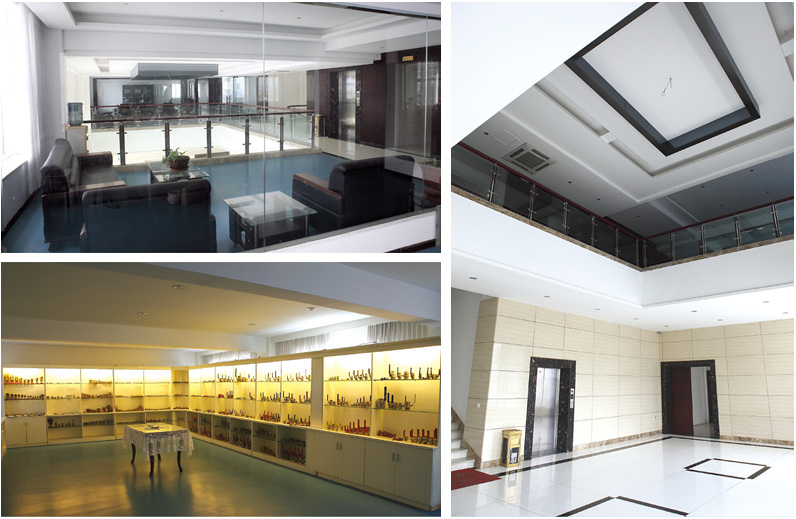
Yuhuan Yongda Fluid Control Co., Ltd. (formerly Yuhuan Yongda Plumbing Co., Ltd.) is located in the heart of "China's Valve Capital" — Yuhuan, Zhejiang Province. Established in 1996, we have consolidated our design, metallurgical testing, custom forging, and assembly lines under one integrated infrastructure footprint.
We specialize in middle-to-high-grade brass valves, hydronic manifolds, and HVAC distribution components designed for strict environmental standards. Under our global brand Cokaren, we maintain a steadfast commitment: "Keep flowing, keep warming". Our design philosophy pairs technical simplicity with refined components, guaranteeing robust pressure and flow dynamics inside modern residential and commercial heating setups.

Global environmental regulatory updates (such as NSF/ANSI 372 in North America and REACH/RoHS in the European Union) have accelerated the transition to lead-free brass. Modern pressure regulator valves must utilize alloys like bismuth-brass or silicon-brass, ensuring domestic water supply systems are completely free of heavy metals while maintaining machinability and corrosion resistance.
Traditional static pressure systems are evolving into smart dynamic balancing nodes. Integration of sensor-driven actuators with pressure relief mechanisms enables variable flow regulation. Modern hydronic manifolds must handle dynamic differential bypass situations to balance zone distribution and protect central heating pumps from excess head load.
When high fluid pressures drop rapidly within a valve chamber, cavitation bubbles form, leading to premature erosion of the seat and spindle. Advanced regulator designs implement multi-stage pressure reductions, special contour pistons, and integrated anti-siphon check valves to maintain fluid stability, control noise, and guarantee a long operational lifespan.
In modern industrial sourcing, purchasing managers look beyond simple per-unit costs. The real metrics that matter include the Mean Time Between Failures (MTBF), dimensional tolerances of internal threads, and the ease of performing in-line maintenance. A reliable supplier must offer robust material traceability, providing third-party verification of copper content, zinc dezincification resistance (DZR), and tensile strength certificates. By optimizing flow geometries, high-quality pressure regulating units minimize turbulence and pressure drop variations across residential plumbing networks.
Managing fluid dynamics within home and commercial HVAC networks demands integrated component coordination. Below is our unified structural layout, detailing how air discharge units, manifolds, and bypass systems interface to form a resilient thermal loop.


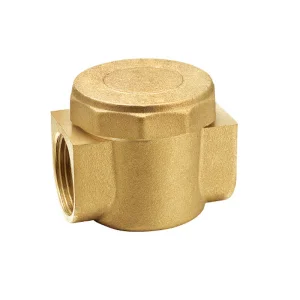
The first line of defense in domestic water sanitation, can filter 98% of impurities in the pipeline.
Technical Parameters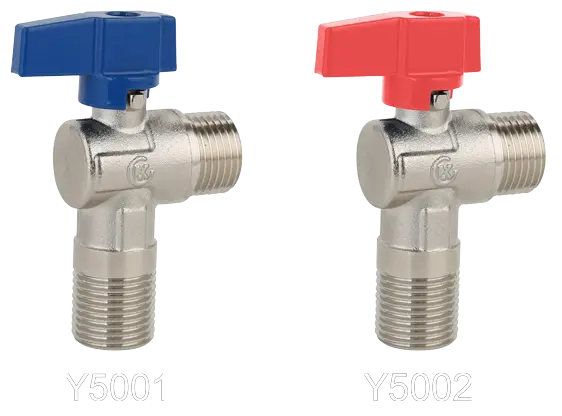
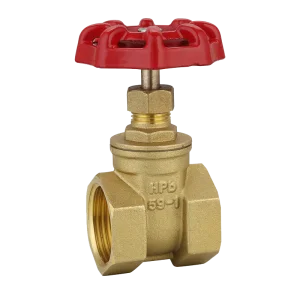
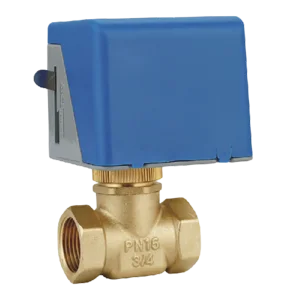
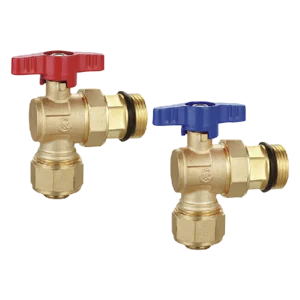
Used to control the inflow and outflow of cold water and hot water in the boiler, with Spherical spool.
Technical Parameters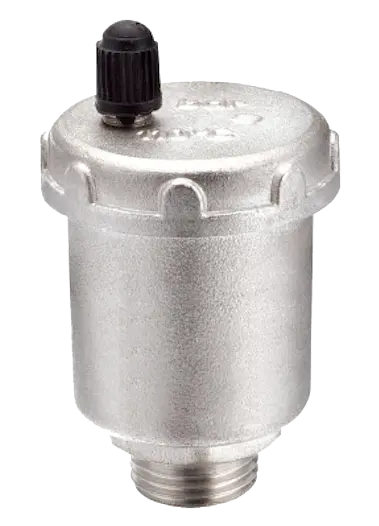
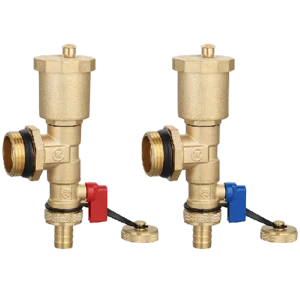
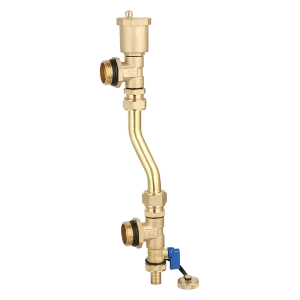
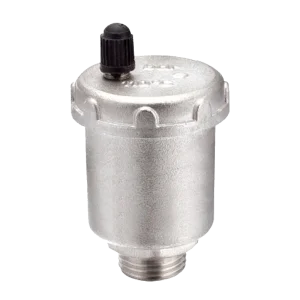
Used to discharge excess air in the air source water heater to ensure stable operation of the equipment.
Technical Parameters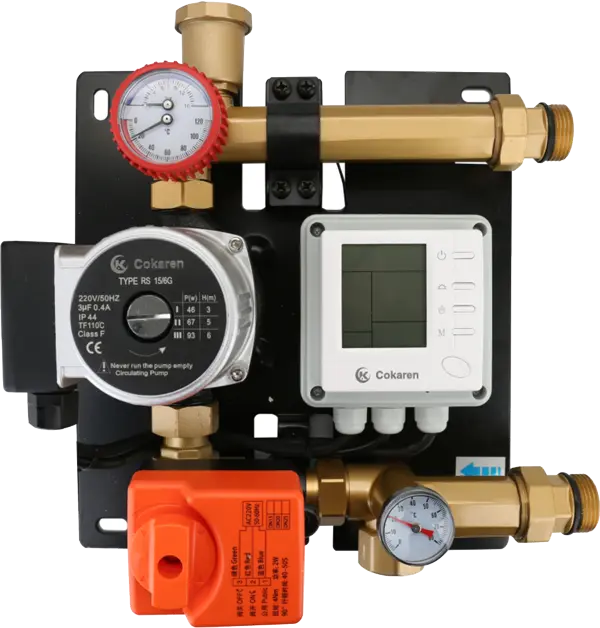
Used to mix cold and hot water in pipes, stabilizing temperature, protect pipeline.
Technical Parameters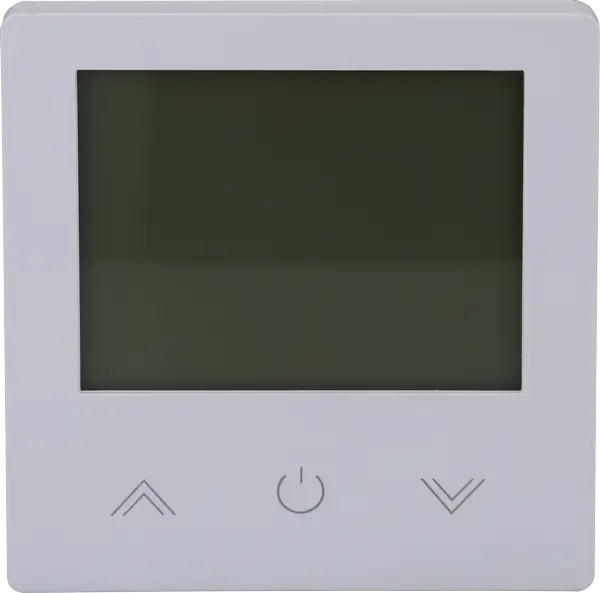
Combine all the equipment to adjust the room temperature.
Technical Parameters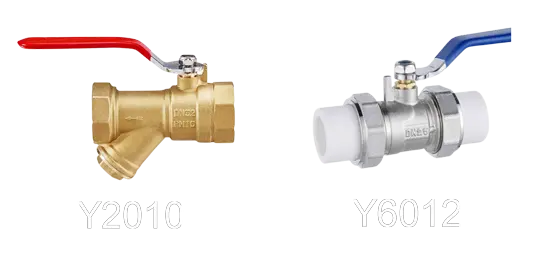
Used to filter and discharge impurities in the pipeline, control the switch of the back-end manifold, measure temperature and water pressure.
Technical ParametersDifferent environments present unique pressure, temperature, and media challenges. Our engineering team designs custom fluid control systems that ensure smooth operation across various building infrastructures.
Underfloor heating setups rely on precise manifold temperature and pressure balancing to prevent uneven room heating and pipe stress. Utilizing differential pressure bypass regulators along with manual or automatic air vent valves maintains system pressure differences within strict limits, preventing velocity-induced noise and valve chatter in the circuits.
Fluctuating municipal supply pressures can stress internal pipe connections, faucets, and appliances. Our pressure reducing valves (PRVs) lower incoming municipal pressures to a safe, constant operating level (typically 3.0 to 4.0 bar). This reduces water waste, mitigates water hammer, and extends the service life of connected boilers and hot water tanks.
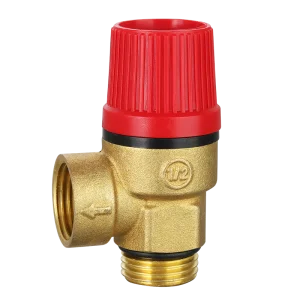
High-capacity commercial boilers operate near thermal and mechanical limits. To prevent dangerous over-pressure events, automatic air discharge units and pressure relief valves must trigger instantly at set thresholds. Our valves use heat-resistant seals and robust internal springs to ensure consistent performance through thousands of relief cycles.
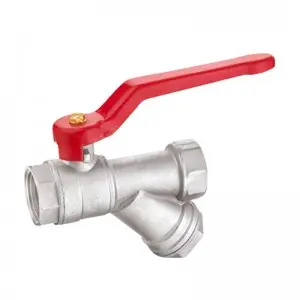
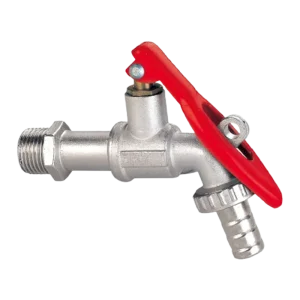
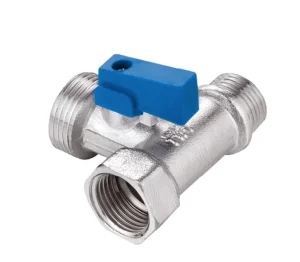
Features an integrated mesh filter, combining flow shut-off and particulate isolation in a single brass body to save space.
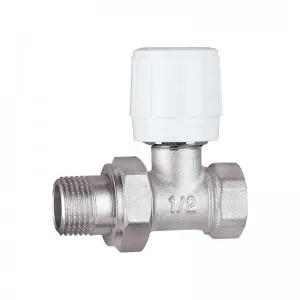
Designed for hydronic radiator loops, enabling precise manually-adjusted fluid temperature setting.
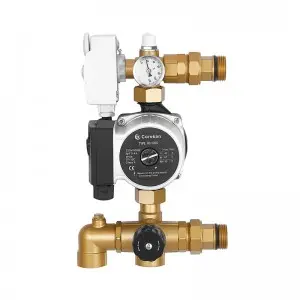
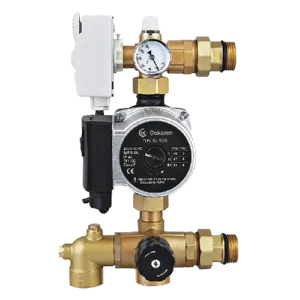
Blends return fluid with high-temperature supply fluid to maintain target operating temperatures in floor heating systems.
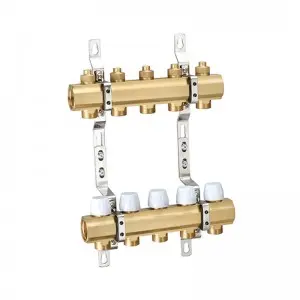
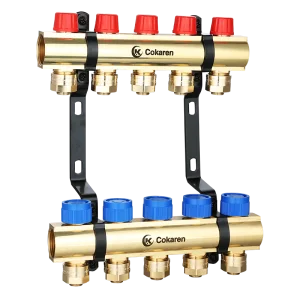
Distributes water flow to individual zone heating loops, featuring precision flowmeters and manual isolation valves.
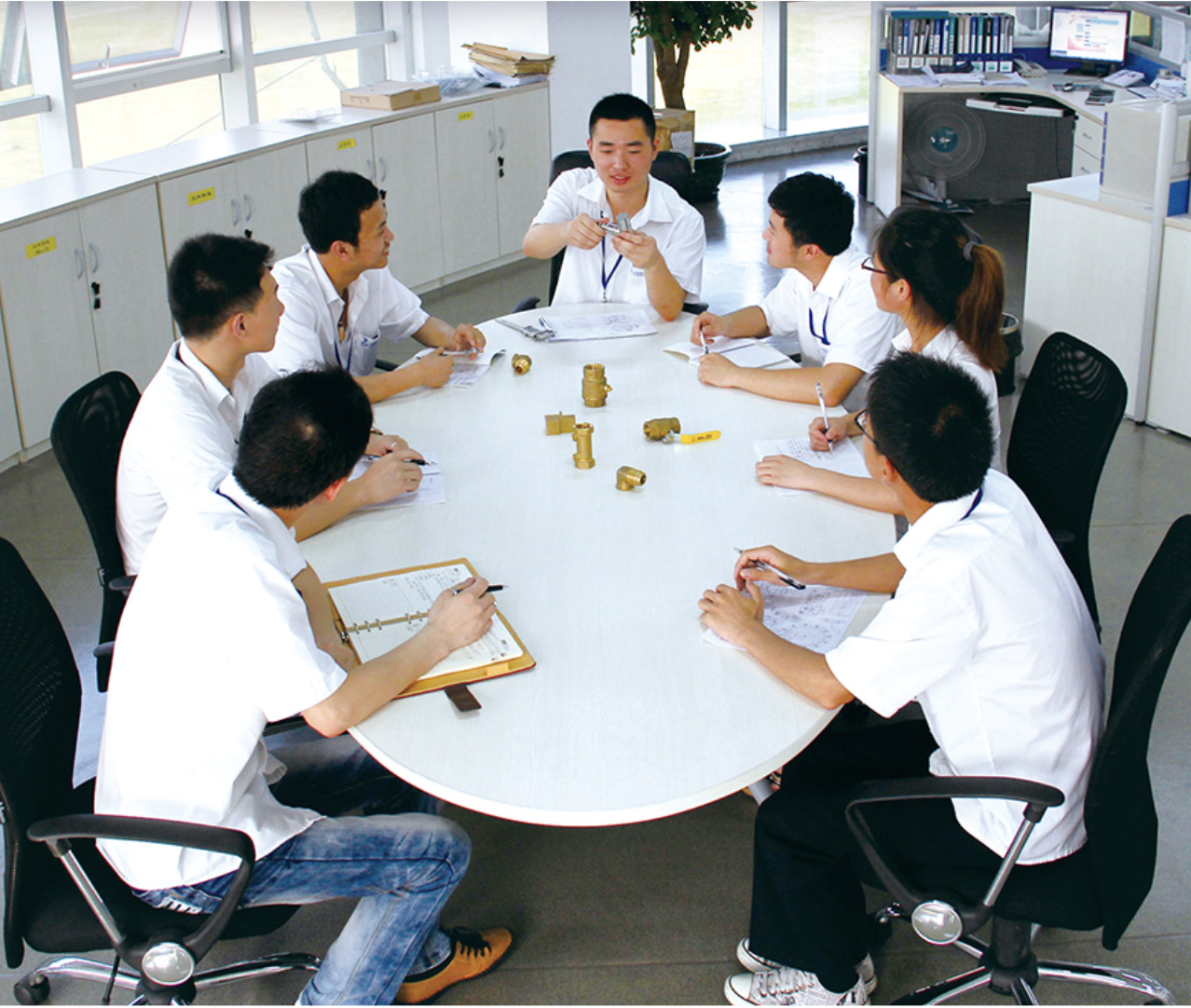

Our quality pledge is straightforward: "Fine work, no leakage". Every pressure regulator valve is subjected to hydrostatic and pneumatic tests to ensure structural integrity at 1.5 times the maximum rated pressure. This rigorous approach prevents leakage in both high-pressure distribution pipelines and low-pressure heating systems.
To support global supply chains, our factory maintains active management system certifications:
Our company's mission focus balances manufacturing growth with worker safety and welfare. We strive to improve employee wellness, aligning personal happiness with our goal of becoming a trusted global partner in fluid control.
As global infrastructure becomes smarter and more energy-efficient, our engineering team is developing next-generation fluid control products:
Piston-type pressure regulators offer compact footprints and excellent mechanical strength, making them ideal for high-pressure industrial lines. Diaphragm-type regulators provide higher sensitivity to small pressure changes, making them the preferred choice for residential water mains and hydronic manifolds where precise downstream control is required.
Water hammer occurs when fluid in motion is forced to stop suddenly (e.g., when a fast-closing solenoid shutoff triggers). The kinetic energy creates shockwaves that can damage fittings and joints. Installing a pressure reducing valve controls baseline water velocity and pressure, absorbing shockwaves and minimizing pressure spikes.
In variable-volume hydronic systems, zone valves close as heating zones reach their target temperatures. This increases system pressure inside the manifold. A differential bypass valve detects this pressure difference and redirects excess flow back to the return line, protecting the circulator pump from overload and noise.
Standard brass can lose zinc in corrosive or high-temperature water, leaving a porous, weakened copper structure prone to leaks. DZR brass is specially alloyed to resist this leaching process, ensuring long-term durability in municipal water and heating loops.
For potable water systems in North America, look for NSF/ANSI 61 (drinking water system components) and NSF/ANSI 372 (lead-free compliance). Heating and boiler components should comply with ASME code requirements.
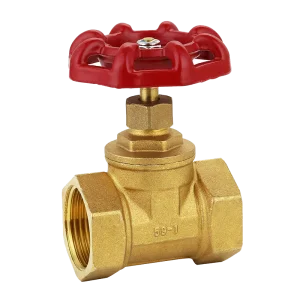
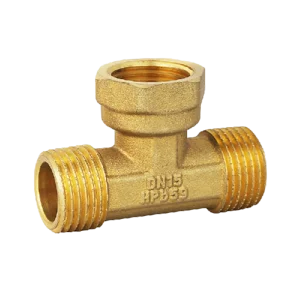
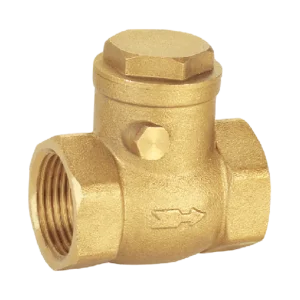
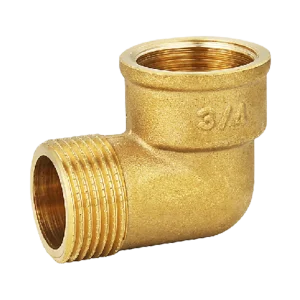
Discover our high-precision brass components, check valves, mixing systems, and plumbing fittings. These products provide reliable connectivity and control for modern fluid systems.