 Yongda
Yongda
Yongda
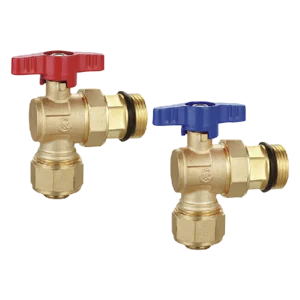
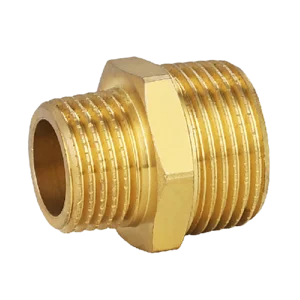
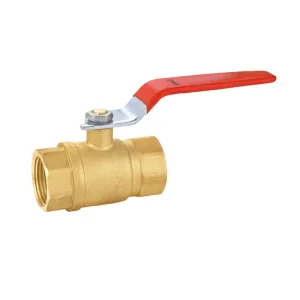
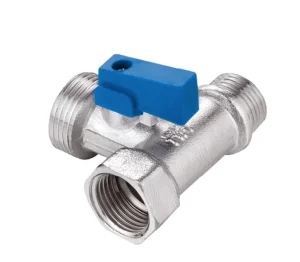
Explore our elite range of CNC-machined brass elements, structural manifolds, and dynamic fluid modulation devices engineered by Yuhuan Yongda.
Yuhuan Yongda Fluid Control Co., Ltd. (formerly Yuhuan Yongda Plumbing Co., Ltd.) was founded in 1996 and is strategically located in Yuhuan, Zhejiang—widely recognized as the "China Valve Capital." As a pioneer in professional plumbing valve solutions, we excel in the integrated path of product design, advanced R&D, smart manufacturing, and global sales.
Our product architecture spans three primary divisions: brass valves, plumbing fittings, and specialized HVAC configurations. Positioned at the medium and high-end tiers, our systems focus on structural longevity and environmental compliance, earning long-term trust across North American and European mechanical engineering markets.
Equipped with a newly consolidated brand, Cokaren, we are committed to manufacturing systems with refined mechanics and aesthetic elegance, strictly delivering on our operational promise: "Keep flowing, keep warming." We seek to drive comfortable climates inside properties globally through stable, pressure-controlled water distributions.

Psi pressure regulators (specifically direct-acting brass pressure reducing valves) function on a fundamental force-balance equation. The primary engineering goal is to maintain a constant, pre-adjusted downstream outlet pressure despite variable upstream inlet pressures or fluctuating flow rates. The physical equation governing a piston-driven regulator is:
Where the mechanical downward force of the adjustment spring is constantly offset by the upward hydraulic force of the outlet pressure acting upon the wetted area of the piston or diaphragm. By adjusting the tension bolt on top of the valve housing, operators modify the set-point pressure within exact operating margins.
In high-pressure HVAC and potable water applications, the choice of materials dictates structural integrity. Yongda employs forged brass alloys (specifically CW617N and low-lead DZR alloys) that pass rigorous stress-corrosion testing. Ordinary brass is vulnerable to dezincification in aggressive water environments, leading to mechanical failure of the valve plug. Our forging process modifies the crystalline structure of the alloy, stabilizing the copper-zinc phase boundaries to ensure zero leakage.
Selecting the correct Psi Pressure Regulator requires calculating the exact system Flow Coefficient (Cv). Over-sizing a regulator causes "hunting," where the valve continuously cycles open and shut, causing pressure spikes and acoustic noise. Conversely, under-sizing leads to excessive pressure drop and localized cavitation. Cavitation occurs when static pressure drops below the vapor pressure of the medium, creating vapor bubbles that collapse violently and erode the internal brass components. Our design integrates hydraulic dampening chambers to control turbulence and extend the operating life cycle.
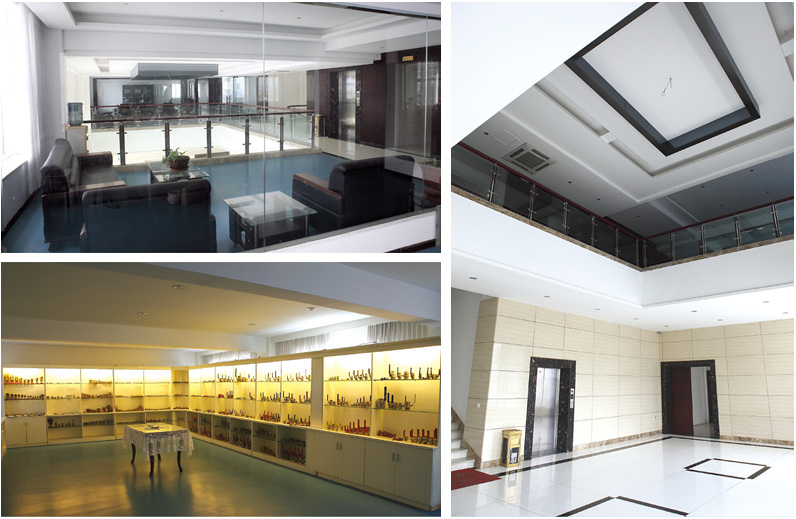
Operating from a facility spanning 45,000 square meters (with an actual usable floor area reaching 80,000 square meters), our plant represents the cutting edge of domestic manufacturing. In contrast to smaller workshops, our facility contains over 600 sets of advanced production and testing apparatus, including 80+ specialized CNC machining units.
Through raw material tracking, forging temperature monitors, and automated dimensional checks, we eliminate human error during the critical initial phases. Machined components are then routed to high-precision CNC centers where threads, seal seats, and internal chambers are finished to tolerances within single microns.
Our commitment to the "Fine work, no leakage" quality policy means that 100% of our pressure regulators undergo pneumatic and hydrostatic testing before packaging. This rigorous testing minimizes standard deviation across massive production batches, providing global partners with consistent quality.
Our pressure regulators operate as critical components within larger mechanical systems. Below is how our primary systems align to form a complete energy management solution.
Serving as the primary line of defense in residential and commercial plumbing systems. It filters out 98% of sediment and physical debris, protecting downstream regulator seals and valves from wear.
Engineered to mix cold and hot fluid flows, keeping operating temperatures stable. It limits rapid thermal expansion cycles that can cause pressure variance inside hydronic loop systems.
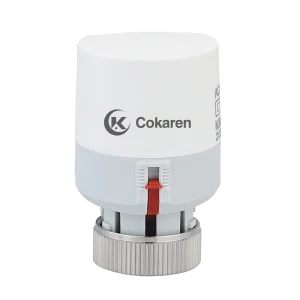
Distributes managed water volumes across multiple heating loops. When combined with our electro-thermal actuators, it provides balanced flow distribution and precise temperature zoning.
Integrating boiler valves (like our Y5001/Y5002 series), auto exhaust valves (such as Y9070), and central manifolds under a common pressure regulator setup stabilizes domestic hydronic systems. This configuration reduces energy consumption, eliminates pipe knock, and prevents over-pressure failures in water heaters.
We serve a global clientele with varying standards. Our manufacturing processes conform to international certifications to ensure seamless compliance:
| Target Region | Required Standards | Yongda System Compliance | Key Testing Parameters |
|---|---|---|---|
| European Union | EN 1567, CE Certification, ISO 9001-2015 | Fully Certified (Angle and Safety valves) | Burst Pressure > 25 Bar, Acoustic Class I compliance |
| North America | ASSE 1003, NSF/ANSI 61, Lead-Free Brass | Certified Lead-Free CW511L Forging Alloys | Dezincification resistance depth < 200μm, third-party lead test |
| Global Industrial | ISO 14001-2015, ISO 45001-2018 | Certified Occupational & Environmental Systems | Fatigue pressure cycling of 100,000 dynamic cycles |
As smart building management systems (BMS) continue to evolve, the mechanical regulator is transitioning into a digital node. Our R&D division is focused on integrating IoT pressure transducers directly into the brass bodies of our regulators. This allows real-time pressure diagnostics to be transmitted back to remote monitoring hubs, signaling potential seal wear or upstream pump issues before physical failure occurs.
Pricing structure for high-quality psi pressure regulators is determined by material grade, CNC machining density, custom configurations, and batch volumes. For industrial sourcing departments, understanding these variables ensures clear forecasting and cost control.
| Nominal Diameter (DN) | Pressure Class (PN) | Standard Connection Thread | Material Spec Option | Estimated Base FOB Price Range (USD) |
|---|---|---|---|---|
| DN15 (1/2") | PN16 / PN25 | ISO 228 (G Parallel) / NPT | HPb59-1 Forged Brass / DZR | $4.50 - $7.50 / Piece |
| DN20 (3/4") | PN16 / PN25 | ISO 228 (G Parallel) / NPT | HPb59-1 Forged Brass / DZR | $6.80 - $11.20 / Piece |
| DN25 (1") | PN16 / PN25 | ISO 228 (G Parallel) / NPT | Low-Lead Brass / CW617N | $10.50 - $16.50 / Piece |
| DN32 (1-1/4") | PN16 | ISO 228 (G Parallel) / NPT | CW617N Premium Brass | $18.00 - $28.00 / Piece |
Note: The prices listed above represent standard industrial ranges. Real-time rates depend on copper market movements on the London Metal Exchange (LME). Custom requirements—such as integrated pressure gauges, specialty EPDM seals for chemical resistance, or custom packaging—will affect final pricing. Volume discounts are available for container-load shipments.
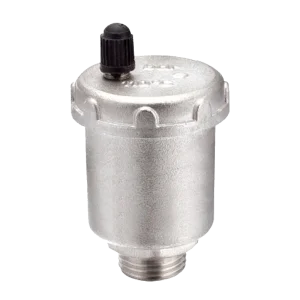
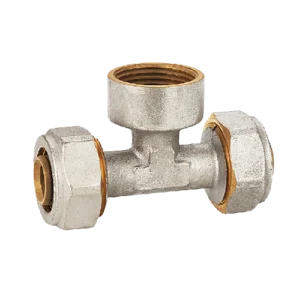
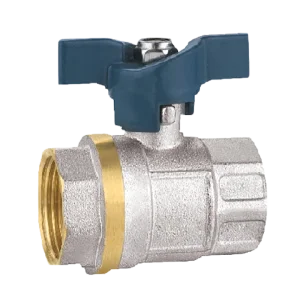
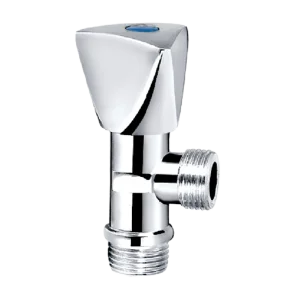
Select from our certified range of air venting valves, plumbing connections, and manifold components designed to keep distribution lines stable.
Get answers to common technical queries about installing, adjusting, and maintaining psi pressure regulators.
Hunting is marked by rapid pressure fluctuations downstream and a chattering sound from the valve body. This typically indicates an oversized regulator. Sizing should be based on minimum and maximum flow parameters (Cv) rather than the physical size of the pipeline.
For best performance, install the regulator horizontally with the spring chamber pointing straight down. Installing a Y-pattern sediment filter upstream is highly recommended to protect the valve seats from debris damage.
Yes, our Cokaren OEM program provides custom pressure configuration, specialized thread standards (NPT, BSPP, BSPT), custom laser engraving, and branded packaging to meet the needs of global distributors.
Lead-free brass alloys require specialized tool geometries and slower machining speeds to achieve high precision. At Yongda, our 80+ specialized CNC machine tools ensure lead-free bodies are machined to the same tight tolerances as standard brass.
Our manufacturing processes are certified to ISO9001:2015 (Quality), ISO14001:2015 (Environment), and ISO45001:2018 (Occupational Health and Safety), ensuring we meet international standards.
Every single regulator undergoes high-pressure seal testing and low-pressure leakage validation before leaving the factory. Our "Fine work, no leakage" policy means we do not use statistical sampling for pressure testing; every piece is verified.