 Yongda
Yongda
Yongda
A comprehensive analysis of design methodologies, material evolution, and supply-chain criteria for professional engineering buyers.
In modern industrial process engineering, the selection of fluid control elements holds profound implications for reliability, safety, and operational lifecycle cost. Among these critical elements, the swing check valve (often referred to as a swing valve or non-return valve) acts as an essential safeguards against reverse flow. Unlike motorized or complex pneumatic control mechanisms, the swing check valve operates on simple fluid dynamics: the force of forward flow lifts the internal disc, and gravitational pull combined with flow reversal automatically seats the disc to seal the conduit. Achieving zero-leakage, minimum pressure drop, and resistance to cavitation under high-frequency operational cycles demands strict control over metallurgy, machining tolerances, and seal engineering.
As a leading exporter and manufacturer originating from the heart of the "China Valve Capital," Yuhuan Yongda Fluid Control Co., Ltd. has developed specialized manufacturing pathways designed to address these complex operating parameters. By deploying state-of-the-art horizontal machining centers and forging equipment, our company crafts fluid solutions that balance cost efficiency with world-class engineering tolerances, fulfilling the strict demands of international procurement groups in North America, Western Europe, and Southeast Asia.
Utilizing high-grade lead-free DZR (Dezincification Resistant) brass and bronze formulations to prevent chemical deterioration in corrosive water environments.
Engineered with close tolerances on critical seating faces, preventing backflow even in ultra-low differential pressure scenarios.
Conforming to ISO 9001, CE directives, and ASTM requirements to ensure seamless integration into international infrastructure projects.
Established in 1996 and operating in Yuhuan, Zhejiang Province—the widely recognized "China Valve Capital"—Yuhuan Yongda Fluid Control Co., Ltd. (formerly Yuhuan Yongda Plumbing Co., Ltd.) has evolved from a local components fabricator into a premier global designer, developer, and manufacturer of brass valves, fittings, and HVAC system elements.
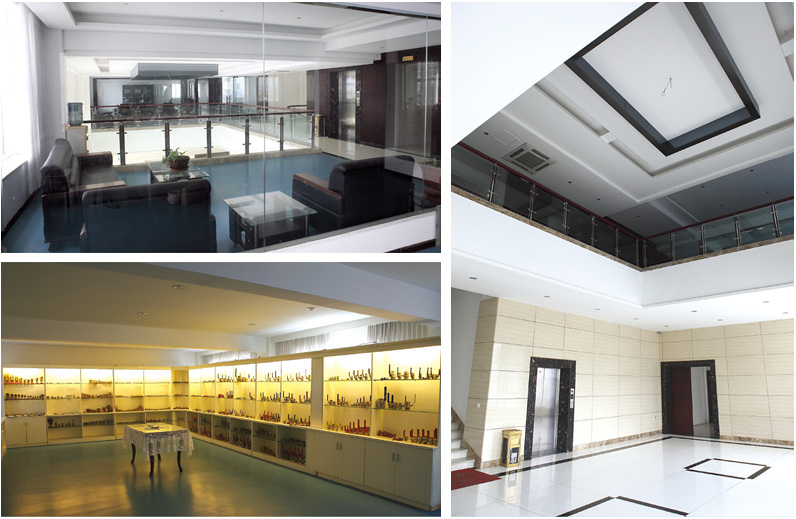
Spanning a modern production footprint of 45,000 square meters (with actual usable facility area reaching over 80,000 square meters), our plant hosts an extensive collection of specialized equipment. Our machinery inventory exceeds 600 sets of advanced manufacturing and testing devices, including 80+ dedicated custom machine tools designed to handle highly demanding geometric tolerances.
Through our newly established brand, Cokaren, we commit to the foundational principle of "keep flowing, keep warming". This brand delivers high-end water system accessories that bring comfort and reliability to residential, commercial, and industrial facilities globally. Today, Yuhuan Yongda exports premium products to over 20 countries, earning long-term relationships with distribution and engineering partners in highly regulated North American and European markets.

How market trends, structural innovation, and advanced materials shape the future of swing check valves.
Due to strengthening environmental legislation worldwide, including the Safe Drinking Water Act (SDWA) in the USA and European REACH/RoHS regulations, the valve industry is migrating towards low-lead and completely lead-free alloys. Swing valves manufactured from standard brass are increasingly replaced by premium silicon-bronze or bismuth-brass alloys. These materials resist dezincification (DZR properties) in aggressive soft water conditions, preventing premature structural failure.
Modern design processes integrate Computational Fluid Dynamics (CFD) to analyze turbulence, flow velocity vectors, and pressure drop gradients. Our engineering team refines the internal geometry of the swing disc and chamber to minimize fluid resistance, reducing energy costs for system pumps. Optimized pathways also mitigate water hammer effects by controlling the deceleration and landing speed of the disc.
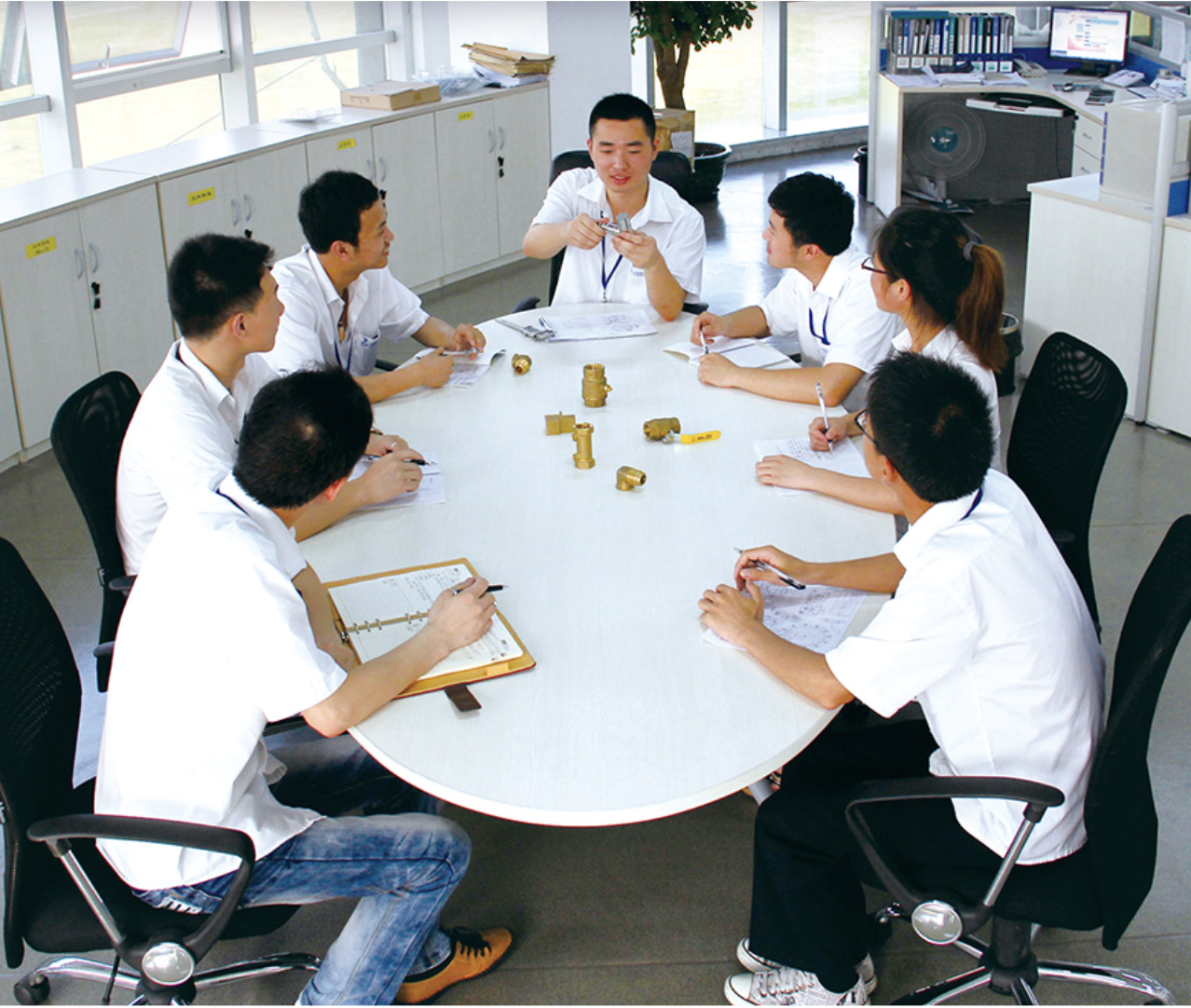
Choosing between resilient (EPDM, NBR, FKM) and metal-to-metal seating is a key design decision. Resilient seating provides bubble-tight shutoff at lower working pressures, making it ideal for domestic plumbing and municipal water distribution. Metal-to-metal seats, while tolerating higher temperatures and abrasive particulates, are preferred in heavy steam, oil, or high-temperature HVAC applications where elastomers would degrade.
Industries are shifting toward predictive maintenance and IoT architectures. Future swing check valve designs are integrating non-invasive acoustic or electromagnetic sensors. These sensors detect disk position, flutter frequency, and seat erosion in real-time, warning operators of failure risks before backflow events can happen.
Essential criteria for EPC contractors and industrial distributors source swing valves internationally.
Reliable valve sourcing requires verifying chemical compositions via optical emission spectrometry (OES). Check valves must match specifications for copper, zinc, lead, and tin content to ensure they provide DZR performance and meet sanitary standards.
All check valves must pass pressure testing, including shell tightness and seat leakage checks under EN 12266-1 or API 598 standards. Testing with both air and water confirms the structural integrity of forged components.
Major infrastructure projects require valid certifications, such as ISO 9001:2015, ISO 14001:2015, ISO 45001:2018, CE, and WRAS approvals. Having these standards in place helps speed up customs clearance and regulatory approval.
At Yuhuan Yongda, our quality policy is "Fine work, no leakage." Our production process relies on automated machining lines to ensure consistent results. Our test benches check structural integrity under high pressure, ensuring every valve shipped operates reliably under real-world conditions.
We work closely with global logistics and procurement teams, offering custom packaging, clean room assembly options, and complete documentation packages. These include material test reports (MTR) according to EN 10204 3.1, giving buyers clear tracing data for their components.

How swing check valves and custom manifolds manage flow across complex engineering systems.
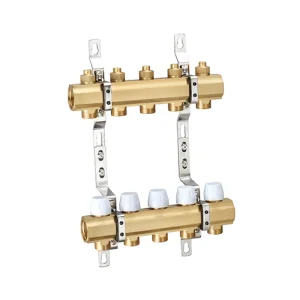
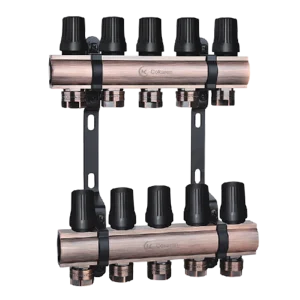
In hydronic floor heating and central boilers, keeping flow moving in a single direction prevents cold bypass water from lowering temperatures. Our custom manifolds and check valves help optimize heat distribution, ensuring stable flow across residential and commercial zones.
Backflow prevention is key to keeping drinking water systems clean. Our lead-free brass check valves act as backflow preventers, stopping dirty water from flowing back into main water lines during supply pressure drops.
Water treatment plants use check valves to protect pumps from sudden backward surges. Properly sized swing check valves minimize turbulence and pressure drop, helping pumping systems run more efficiently.
Operating under strict, verified international management systems to guarantee quality consistency.

Ensuring standardized manufacturing, traceability, and continuous quality improvement throughout the product lifecycle.
Guiding resource efficiency, waste management, and sustainable production processes across our manufacturing facilities.

Securing safe working conditions and protecting employee health across all forging, machining, and assembly lines.
Detailed technical answers addressing common questions from flow control engineers and supply chain managers.
Swing check valves use a hinged disc that swings open or closed with fluid flow. They work well in low-velocity systems because they have low fluid resistance and a high flow coefficient (Cv). Lift check valves rely on a spring-loaded piston that moves vertically. They respond faster to flow changes and reduce water hammer, but they cause a higher pressure drop across the valve.
Swing check valves are designed for horizontal lines. They can be installed vertically, but only for upward flow where gravity helps close the disc when flow stops. Installing them in downward flow systems is not recommended, as the disc will not close properly, leading to backflow.
Water hammer happens when a check valve closes slowly after fluid flow reverses. The backward flow slams the disc shut, creating a high-pressure shock wave that can damage pipes. Using spring-loaded check valves, choosing the right valve size for flow velocity, or installing water hammer arrestors helps prevent these shock waves.
Standard brass can lose its zinc content in water with high chloride levels or soft carbon dioxide content, a process called dezincification. This weakens the metal and causes leaks. DZR brass is formulated to resist this type of corrosion, ensuring municipal water systems and heating lines remain durable over time.
Our quality system uses automated machining and forged blanks to prevent porosity. We test every valve under pressure using air and water check tables to confirm a tight seal. This ensures all components perform reliably in the field.