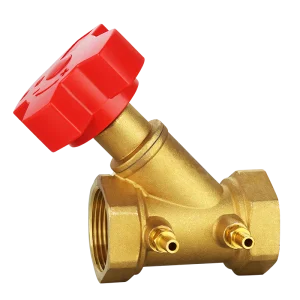
 Yongda
Yongda
Yongda
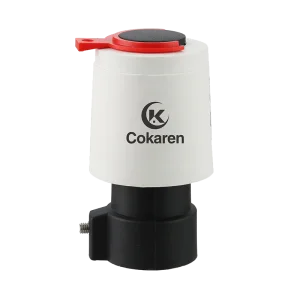
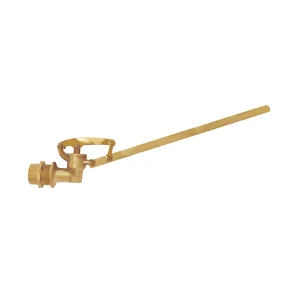
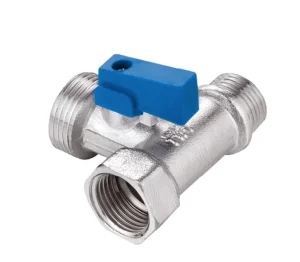
A deep dive into structural design, metallurgic purity, and thermodynamic efficiency in hydronic loops.
In modern industrial and residential infrastructure, liquid distribution systems act as the primary circulatory system of buildings. Within these configurations, threaded valves regulate pressure, direct flow, and manage thermal distributions. As global demand pushes toward lead-free municipal water regulations and strict HVAC efficiency targets, the selection of the correct threaded valve manufacturer is a key structural decision for commercial mechanical systems.
Yuhuan Yongda Fluid Control Co., Ltd. (historically known as Yuhuan Yongda Plumbing Co., Ltd.) has positioned itself as an industry leader in manufacturing high-performance brass threaded valves, distribution manifolds, and custom heating, ventilation, and air conditioning (HVAC) accessories. Since our establishment in 1996, our engineering teams have integrated metallurgic advancements and automated toolpaths to deliver fluid control hardware that meets global regulatory frameworks and operates reliably under continuous pressure and thermal cycling.
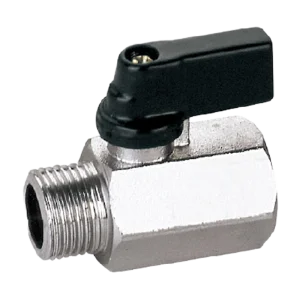
Modern thread profiles—including NPT (National Pipe Taper) for North American piping networks and BSP (British Standard Pipe) for European installations—must be cut to precise tolerances to minimize thread deformation and eliminate potential leak paths. By employing specialized CNC machining centers and dedicated automated lathes, Yongda maintains precise dimensional accuracy across all production batches, from 1/4-inch mini ball valves up to heavy-duty multi-port brass manifolds.
Cast brass products are prone to micro-porosities and shrinkage voids that compromise structural integrity, leading to high-pressure failures. Yongda utilizes a hot-forging process. The brass billet is heated below its melting point and shaped using high-tonnage friction presses. This process refines the alloy's crystalline grain structure, increases its tensile strength, and guarantees a bubble-tight body.
For applications involving high chloride concentrations or soft municipal water, dezincification-resistant (DZR) brass alloys are utilized to prevent zinc leaching. This ensures the structural integrity of the copper-rich matrix, extending the operational life of the valves in aggressive municipal plumbing environments.

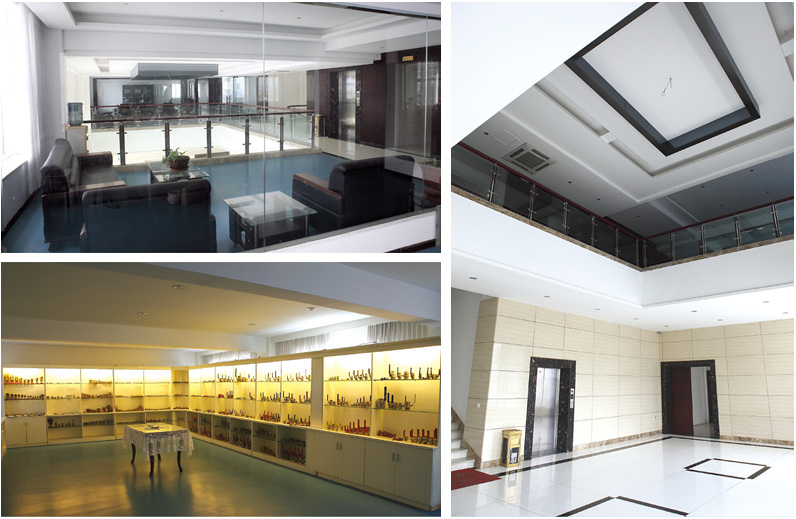
Yuhuan, located in Zhejiang Province, is widely recognized as the premier manufacturing hub for brass valves and plumbing fittings. This concentrated industrial cluster provides unique logistical and operational advantages for international buyers:
Operating from our 45,000-square-meter facility with an effective usable space of 80,000 square meters, Yuhuan Yongda leverages this regional ecosystem. Supported by over 600 sets of advanced manufacturing and testing equipment—including 80 specialized custom machine tools—we manage the entire production process from initial alloy formulation and extrusion through forging, machining, polishing, and final performance testing.
Cokaren represents our commitment to refined engineering, aesthetic appeal, and dependable customer service in residential and commercial climate systems.
Providing customized OEM/ODM fluid solutions, technical support, and transparent shipping coordination to simplify sourcing for purchasing directors worldwide.
"Fine work, no leakage." Our quality assurance program combines automatic visual sorting, high-pressure air testing, and dynamic hydro-testing to guarantee field performance.
Using advanced design and flow simulation software to analyze turbulence, reduce pressure drop coefficients, and optimize heat transfer efficiency in distribution blocks.
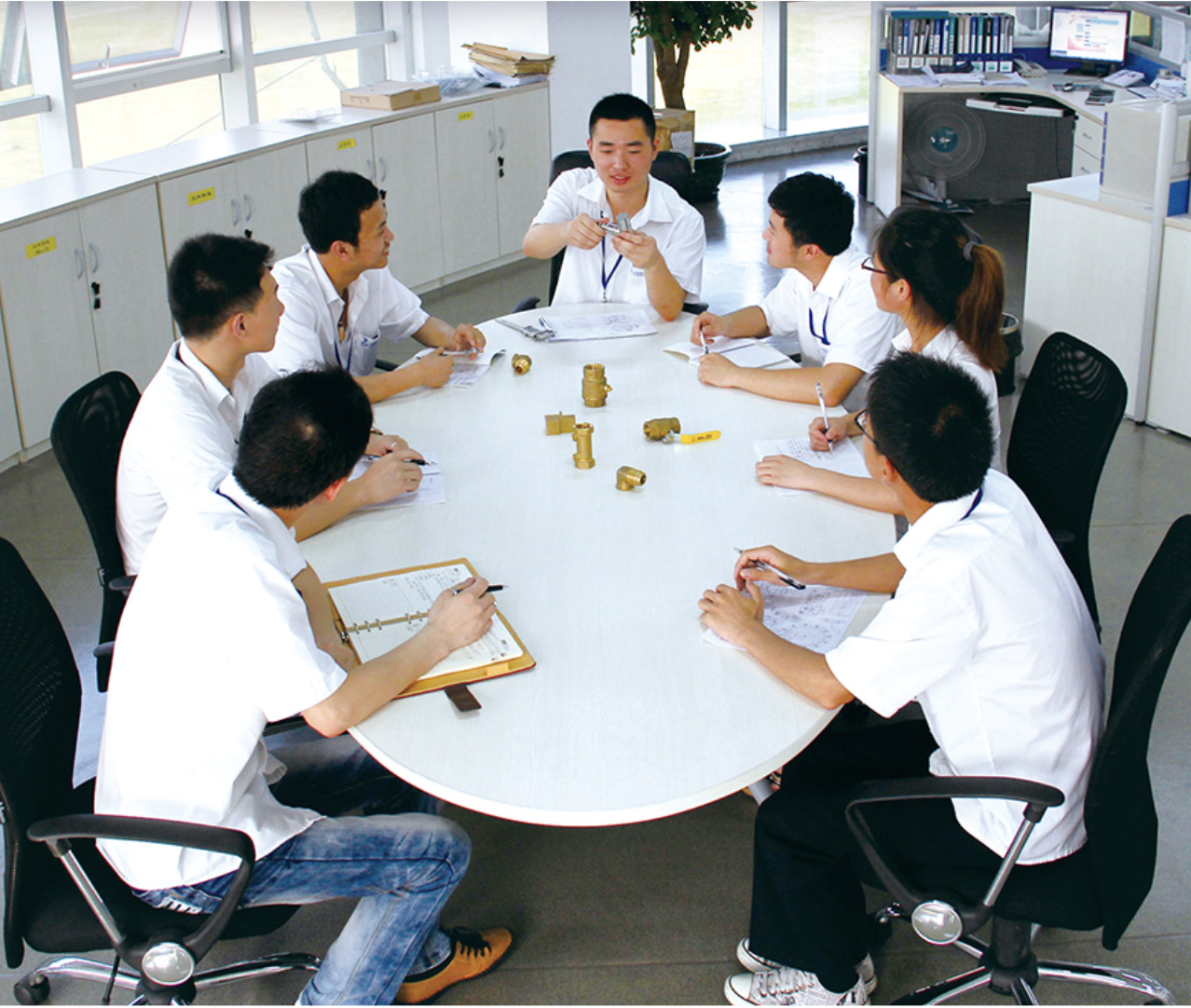
Yongda's quality control systems are certified under global standards, providing reliable support for large-scale construction specifications:
Additionally, our CE-certified product ranges satisfy European Union plumbing safety requirements, while our North American configurations comply with low-lead drinking water standards.
A comprehensive system of brass manifolds, mixing units, safety vents, and control devices engineered to optimize residential and commercial HVAC networks.

Modern hydronic heating systems require precise flow regulation and consistent pressure balancing across all distribution loops to maintain comfortable indoor temperatures and reduce energy consumption. Our product range is designed to function as an integrated ecosystem, from the point of heat generation to the terminal emission loops:

Filters up to 98% of pipeline particulates, protecting domestic water networks.
Pre-Filtration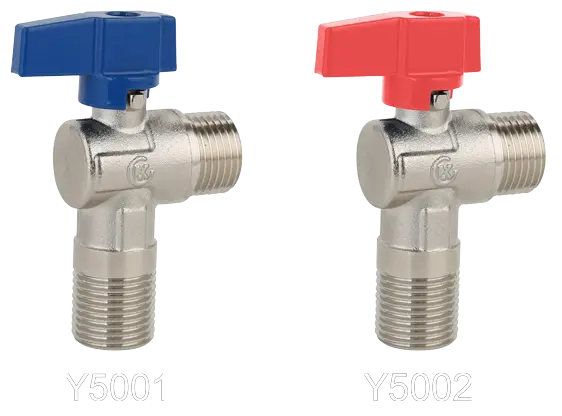
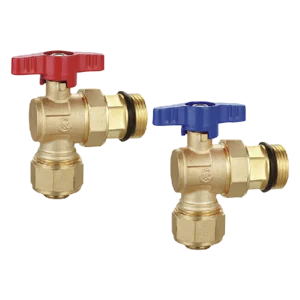
Manages cold and hot water inlets in boiler loops with a durable spherical spool.
Boiler Access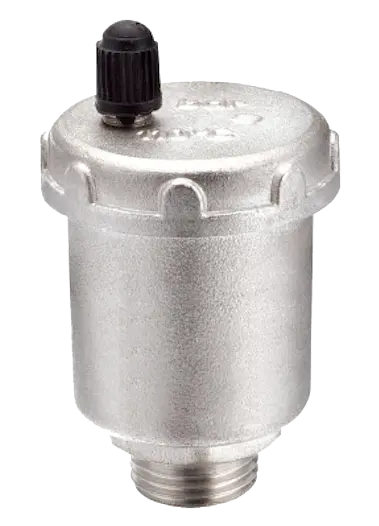
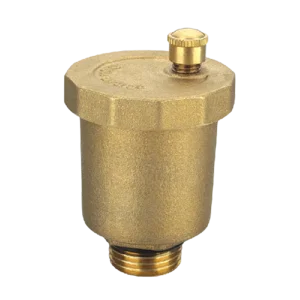
Discharges excess air from heat pumps to ensure stable loop pressures.
Automatic Vent
Blends supply and return water to stabilize underfloor heating temperatures.
Thermostatic Shunt
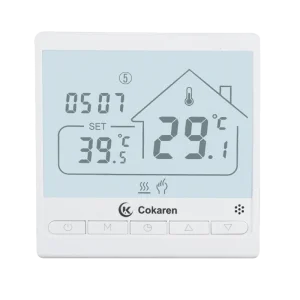
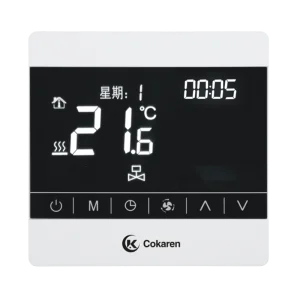
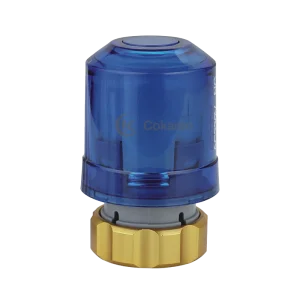
Coordinates HVAC components to regulate zoning temperatures.
Electronic Control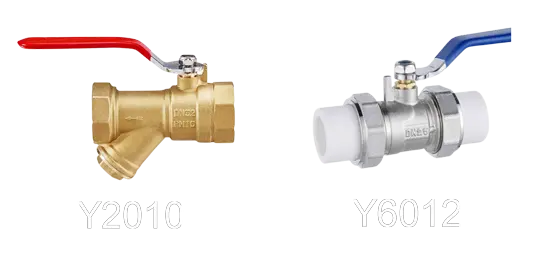
Filters particulates, vents air, and provides local temperature and pressure monitoring.
HVAC Multi-Function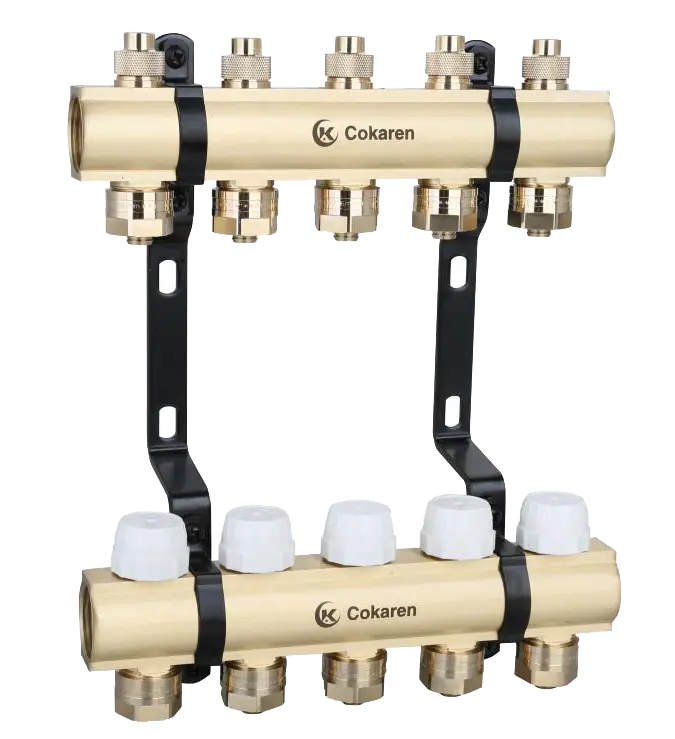
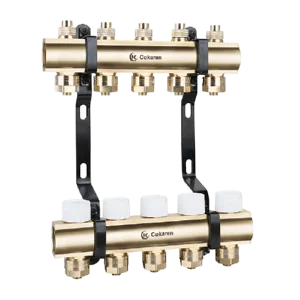
Distributes flow across multiple zoning loops with precise balancing controls.
Flow Manifold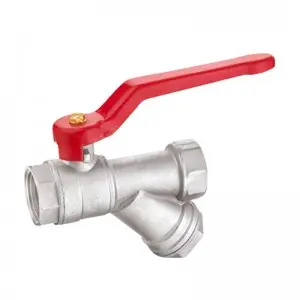
Integrates shut-off capability and micro-strainer filtration within a single valve body.
Dual FunctionExplore Cokaren's solutions, from heavy-duty gate valves to precision temperature control assemblies.
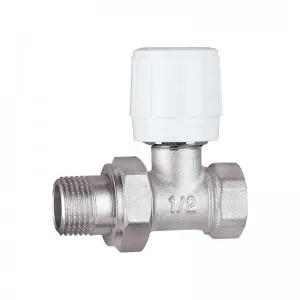
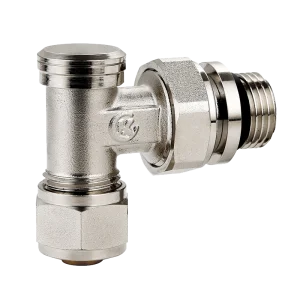
Ensures manual control over local radiational zones.
Radiator Control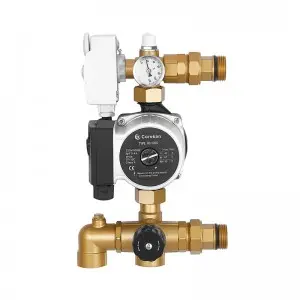
Designed to maintain consistent temperatures in primary hydronic distribution manifolds.
Mixing Block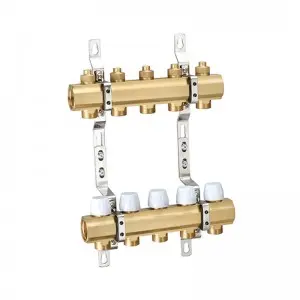
Enables clean, parallel loop configurations for underfloor plumbing.
Sub-Distribution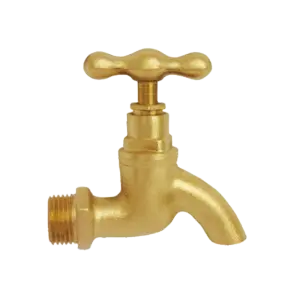
Corrosion-resistant hose outlet designed for high-cycle outdoor operation.
Outdoors Tap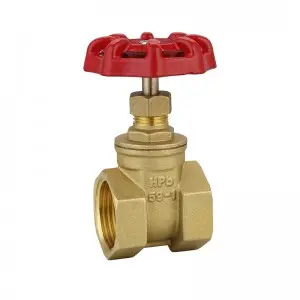
Straight-through design minimizes flow resistance and local pressure drop.
Full Flow Gate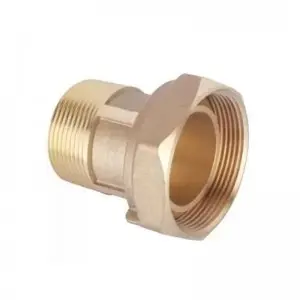
High-precision coupling adapters for residential municipal water meters.
Connectors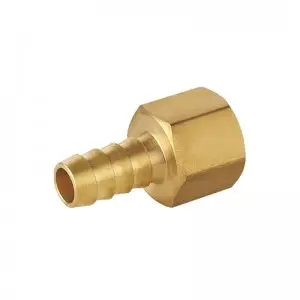
Machined to match North American standard hose specifications.
Hose Barb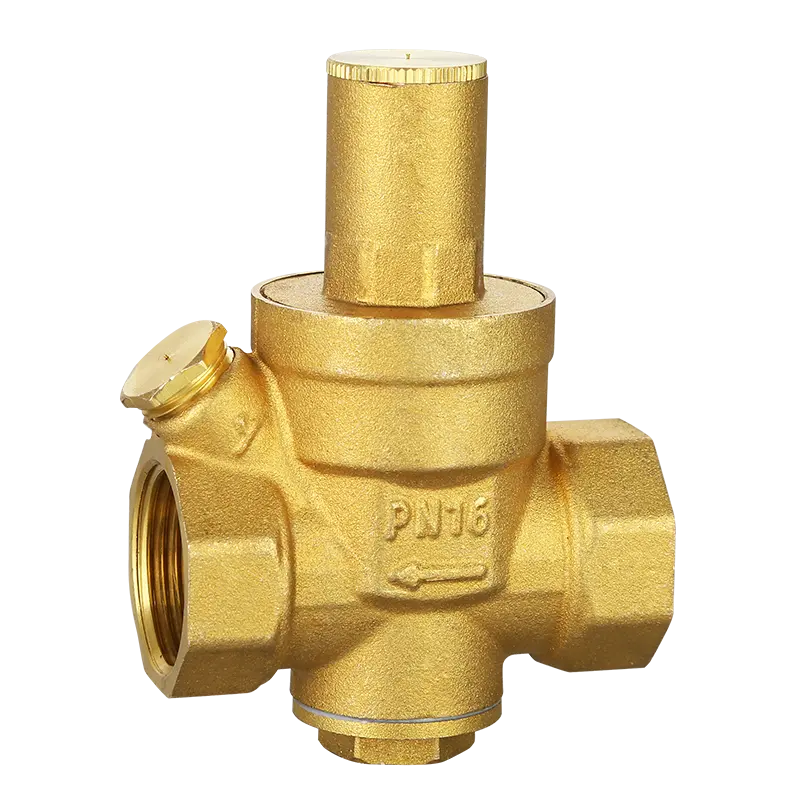
Provides flow diversion and downstream pressure regulation in a compact design.
Pressure ControlUnderstanding the pricing structures, material specifications, and quality controls that define commercial-grade threaded valves.
For international sourcing directors, procurement managers, and mechanical engineering teams, securing reliable supply chains for brass fluid control products requires balancing technical requirements, compliance standards, and cost efficiency. The total cost of ownership (TCO) for plumbing valves includes both the initial purchase price and downstream risks like leak failures, chemical leaching, and thread deformation.
In international sourcing, the unit cost of brass components is closely tied to the London Metal Exchange (LME) copper indexes. However, manufacturing quality, mechanical precision, and testing processes are what prevent field failures. Yongda's quality control program ensures that every valve undergoes high-pressure air and pneumatic seal testing before packaging, virtually eliminating the risk of field leakage.
| Valve Type | Material Class | Thread Standard | Max Pressure (PN) | Key Application |
|---|---|---|---|---|
| Ball Valves with Filter | CW617N / Lead-Free Brass | ISO 228-1 (BSP) / NPT | PN25 / PN40 | Inlet water filtration and shut-off in HVAC loops |
| Manifold Assemblies | HPb58-3 / HPb59-1 Brass | G Thread (Parallel BSP) | PN10 / PN16 | Underfloor radiant zone distribution networks |
| Mixing Shunts | CW614N Brass / DZR | ISO 228-1 | PN16 | Secondary loop temperature regulation |
| Automatic Air Vents | HPb57-3 Nickel Plated | ISO 228-1 | PN10 | Air elimination in solar loops and boiler systems |
Expert answers addressing metallurgic specifications, thread certifications, and quality control systems.
We primary use CW617N brass for European markets and low-lead/no-lead copper alloys (such as C46500) for North American potable water applications. These alloys are formulated to keep lead migration levels well within the strict limits defined by NSF/ANSI 372. This ensures compliance with regional environmental standards without compromising the machinability or hot-forging characteristics of the brass.
BSPP (British Standard Pipe Parallel) threads require an O-ring or gasket seal, while BSPT (Tapered) and NPT (National Pipe Taper) threads achieve their seal through metal-on-metal interference along the thread flanks. We use automated CNC thread-cutting systems and verify tolerances with hard-gauges and optical comparator systems. This ensures reliable thread engagement and minimizes assembly torque requirements during field installation.
In areas with aggressive water chemistry (high chlorides, low pH, or high oxygen levels), standard brass can lose zinc, leaving a porous, structurally weak copper skeleton. DZR brass incorporates trace alloying elements (like arsenic or antimony) and undergoes specialized heat treatment to prevent this corrosion. This ensures long-term structural integrity and prevents body pinhole leaks.
Following our "Fine work, no leakage" quality policy, 100% of our valve assemblies undergo pneumatic leak testing. The valves are pressurized with air while submerged in a testing fluid, which allows us to detect even minor seals or casting porosity leaks. For heavy-duty manifolds and high-pressure components, we also perform hydraulic pressure testing up to 1.5 times the nominal rating (e.g., PN24 for a PN16 design).
Integrating a stainless steel mesh strainer into the ball valve body eliminates the need for a separate Y-strainer. This compact design reduces the number of physical connections, saving space and lowering potential leak risks. It also simplifies routine maintenance: the upstream ball valve can be closed to isolate the system, allowing the filter basket to be cleaned with minimal fluid loss.
Entrapped air in hydronic systems creates air locks that block water flow, leading to uneven heat distribution and increased pump wear. It also accelerates internal corrosion. Our automatic air vents use a precision float mechanism to release air pockets continuously without allowing water to escape, helping to maintain optimal heat transfer efficiency and reducing system pump load.
Our manufacturing facilities are certified to ISO 9001:2015 for quality management, ISO 14001:2015 for environmental compliance, and ISO 45001:2018 for workplace safety. Our product lines carry CE certification for the European market and meet RoHS compliance requirements for material safety.
Yes. Our facility has over 80 specialized custom machine tools and a dedicated tooling division. We can work from step/dwg files or physical samples to design forging dies, program CNC toolpaths, and fabricate custom components. We also offer private-label branding, customized packaging, and specific alloy formulations to match client requirements.
Standard catalog items usually ship within 30 to 45 days after order confirmation and deposit receipt. For custom OEM designs requiring new forging dies or custom molds, the initial tooling phase adds 15 to 20 days. Production timelines are confirmed at the time of quotation, based on current foundry schedules and raw material availability.
Since brass is primarily composed of copper (57% to 61%) and zinc, raw material costs represent a significant portion of the final product price. We monitor copper futures on the LME and SHFE daily. For large orders, we offer structured material hedging programs, allowing buyers to lock in brass alloy pricing based on current market rates and mitigate risk during extended production runs.