 Yongda
Yongda
Yongda
In modern heavy-duty industrial systems, the mechanics of fluid control dictate the efficiency, safety, and lifespan of entire infrastructural projects. Among these mechanism paradigms, the Trunnion Ball Valve stands as a pinnacle of high-pressure engineering. Unlike floating ball valves, where the seat-to-ball seal relies entirely on upstream line pressure pushing the ball into the downstream seat, the trunnion-mounted configuration anchors the ball mechanically at the top and bottom. This structural design mitigates load stresses, distributes pressure evenly, and yields minimal operating torque even at elevated differential pressure levels.
Dual-support mechanics keep the spherical plug securely centered, preventing displacement under severe surge loads and optimizing seat integrity.
By shifting axial forces to heavy-duty bearing blocks, the actuator requirement is reduced, resulting in notable cost-savings on pneumatic and motorized accessories.
Advanced polymeric and metal-to-metal seating configurations deliver bidirectional absolute isolation, keeping critical networks operational.
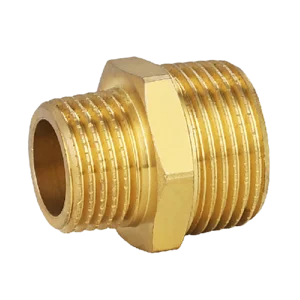
From subsea exploration corridors to municipal HVAC and energy supply matrices, the choice of valve technology directly defines the structural risk posture. As environmental parameters shift toward decarbonization and reduced fugitive emissions, manufacturers must advance metallurgical casting processes and internal precision control components. Industrial supply structures are moving towards specialized integrations where components like brass reduction nipples, mixing shunts, venting valves, and smart thermostats operate in concert to optimize thermal and volumetric dynamics.
Established in 1996, Yuhuan Yongda Fluid Control Co., Ltd. (formerly Yuhuan Yongda Plumbing Co., Ltd.) has evolved alongside China's rapid industrialization to become an international supplier of high-grade brass valves, advanced plumbing fittings, and integrated HVAC system solutions. Situated inside Yuhuan, Zhejiang—widely recognized as the "Valve Capital of China"—Yongda has built a production foundation that blends technical design, precision metallurgy, and strict quality control.
The company's core focus targets the mid-to-high-grade market sectors where environmental safety, lead-free compliance, and mechanical reliability are primary operational benchmarks. Operating across North America, Europe, and neighboring global hubs, Yongda delivers engineered valves and plumbing connections designed to perform under demanding conditions.
To align with modern high-performance demands, the company introduced its premium sub-brand, Cokaren. Anchored by the brand promise "Keep Flowing, Keep Warming", Cokaren concentrates on developing premium components for complex hydronic, solar thermal, and utility distribution grids.

B2B engineering procurement departments must balance strict reliability demands with cost-effective sourcing strategies. When evaluating suppliers for high-pressure installations or residential fluid networks, the risk of component failure carries significant financial consequences. Under Google’s Search Quality Rater Guidelines, search engines prioritize content that demonstrates clear E-E-A-T (Experience, Expertise, Authoritativeness, Trustworthiness). In the industrial valve sector, this translates to visible quality certifications, documented metallurgical trace capabilities, and real-world testing data.
Yongda Fluid Control backs its manufacturing procedures with comprehensive international compliance standardizations. This verified structural matrix is essential for meeting strict commercial and municipal contract requirements:
This systematic compliance translates directly to product performance. When sourcing critical control valves—whether large trunnion-mounted units for regional piping or mixing shunt valves for localized underfloor heating circuits—our certification portfolio provides the reassurance engineering compliance managers require.
The global logistics landscape has faced notable volatility over recent years, prompting international buyers to evaluate supply partners based on manufacturing resilience and adaptability. China's manufacturing sector is transitioning from traditional assembly models to **Factory 4.0** automation.
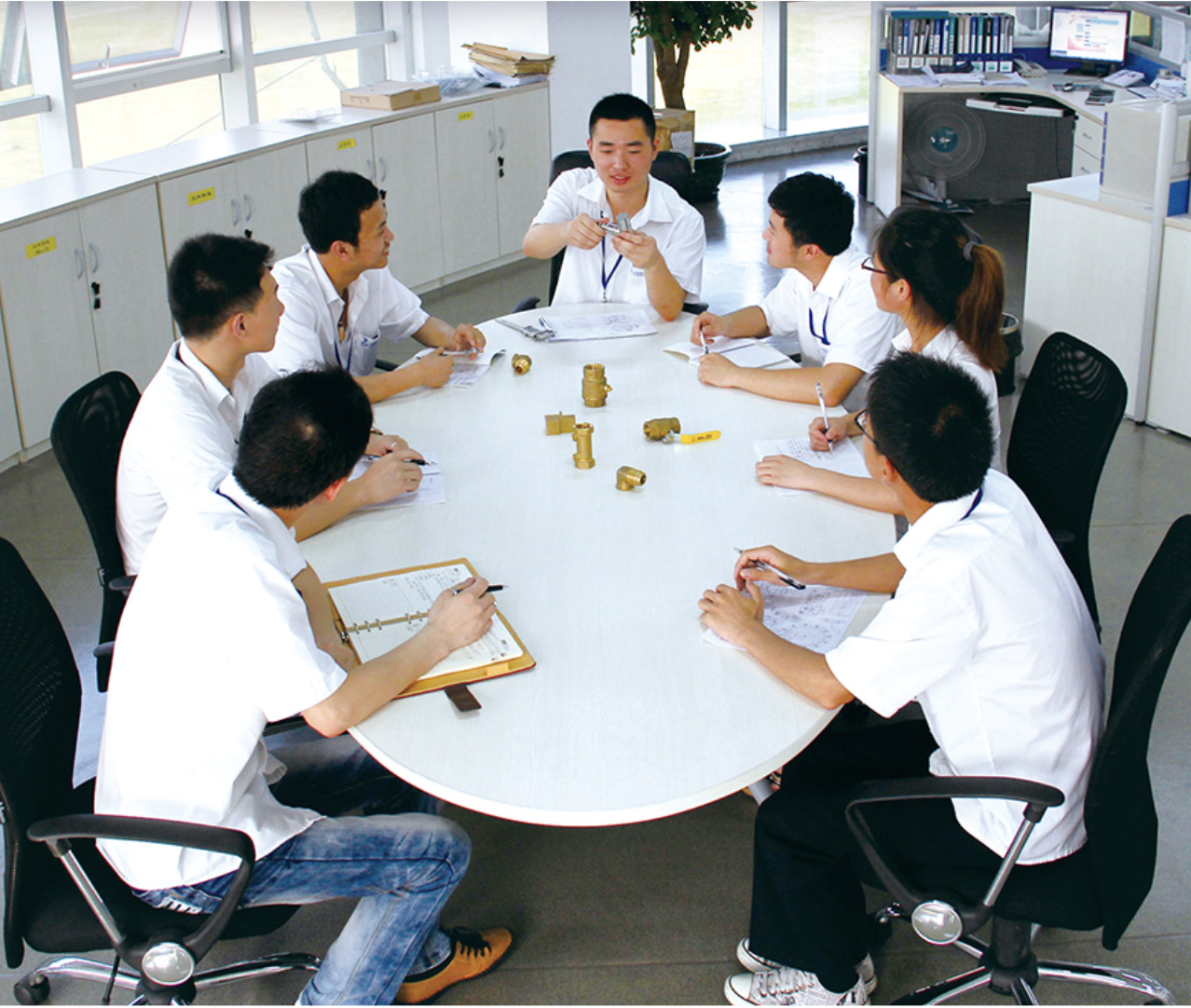
At Yuhuan Yongda Fluid Control Co., Ltd., this technological transition is visible across our production lines. Our manufacturing facility spans over 45,000 square meters, with an operational footprint of 80,000 square meters. The plant runs more than 600 sets of advanced production and testing machinery, including 80+ specialized machine tools designed to handle complex milling, forging, and boring profiles.
This automated equipment capability enables the factory to meet diverse custom design requirements while keeping production output consistent. This robust tooling capability enables Yongda to export components to over 20 countries, ensuring product performance and reliability for clients worldwide.
Our operating philosophy is defined by our core quality policy: "Fine work, no leakage". Every valve and fitting undergoes multi-stage hydraulic and pneumatic pressure testing to ensure bubble-tight isolation and structural integrity before dispatch. By integrating automated testing directly into the production flow, Yongda reduces the human error variable and maintains a high level of reliability for critical HVAC and industrial installations.
In modern infrastructure projects, localized components must operate reliably as part of a larger energy distribution network. Modern district heating, domestic hot water distribution, and hydronic HVAC installations depend on a range of valves and control units to regulate flow rate, temperature, and pressure.
Protecting system components begins at the inlet. Implementing advanced filters helps remove line sediment, rust, and particulate matter, preventing wear on downstream valve seats, seals, and heat exchangers.

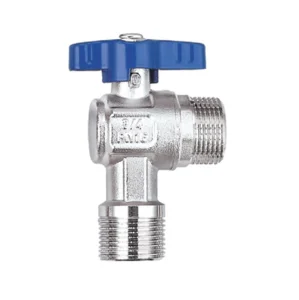
Boiler and heat generator connections require robust, reliable valves. Precision spherical spool mechanisms enable rapid shut-off and system servicing under extreme thermal cycles.
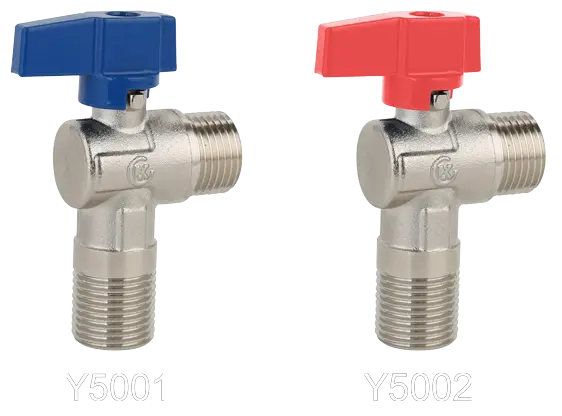
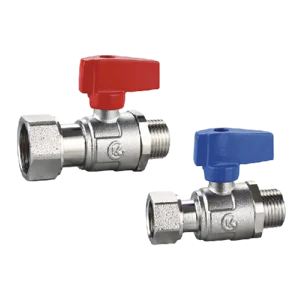
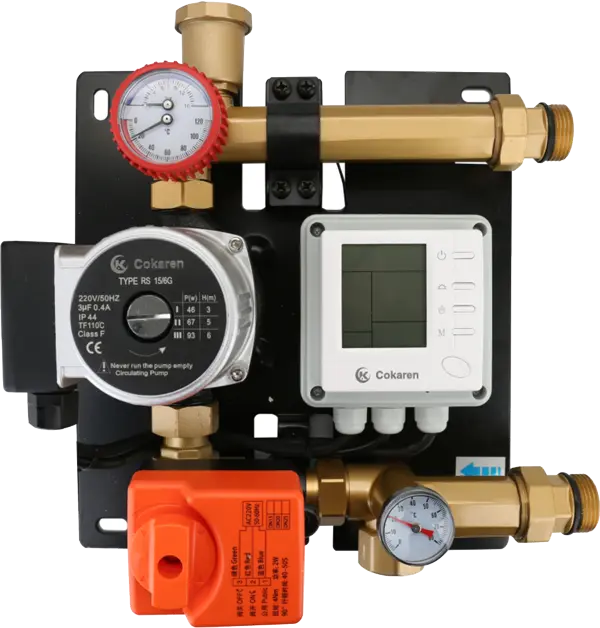
Fluctuating inlet pressures require responsive balancing. Utilizing mixing shunts helps stabilize loop temperatures and prevent thermal shock, keeping heating manifolds balanced.
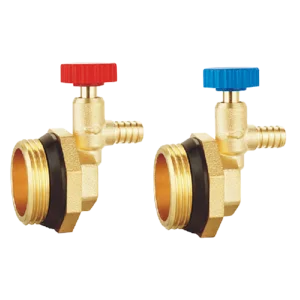
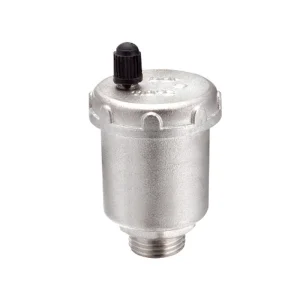
Trapped air is a leading cause of corrosion, cavitation, and system noise in hydronic loop setups. Automatic air release units and venting systems protect equipment by expelling pocketed air while preventing fluid loss.
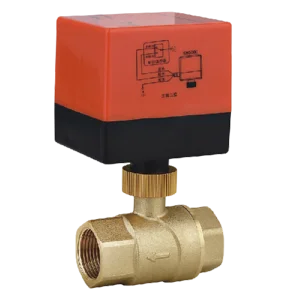
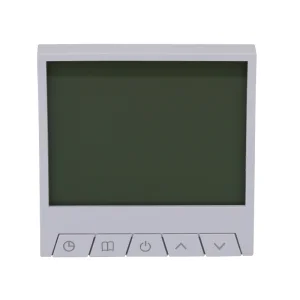
Integrating smart thermostats with motorized actuators enables zoning control in municipal and high-end residential projects. This integrated design approach helps projects meet strict European and North American energy efficiency directives.