 Yongda
Yongda
Yongda
Premium brass valves, actuators, and piping accessories engineered for performance under high-pressure & thermal stress conditions.
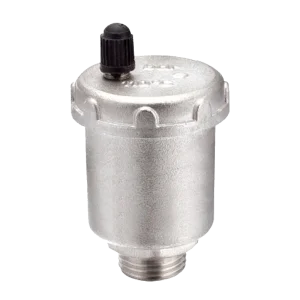
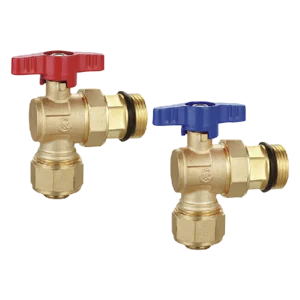
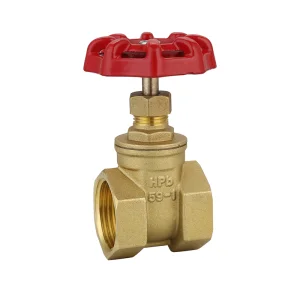
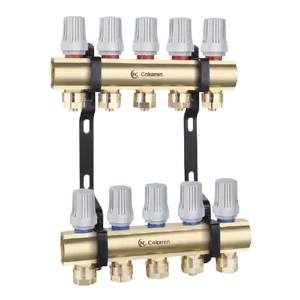
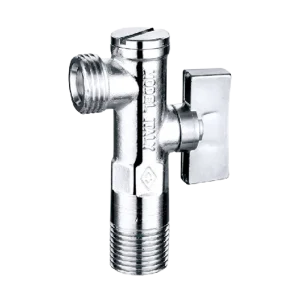
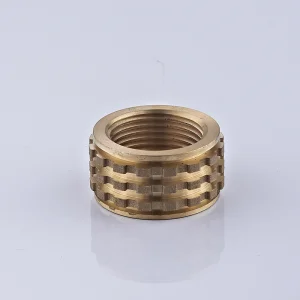
B2B Market Insights & Information Gain: In modern fluid networks, the choice between T-Port and L-Port 3-way valves is critical for dynamic mixing and diverting. A T-Port Ball Valve allows connection of all three ports, permitting a variety of mixing configurations as well as straight-through flow paths, making it highly versatile for hydronic HVAC layouts, domestic heat distribution, and process manufacturing. Finding a certified ODM manufacturer ensures component compliance with global lead-free standards, custom Kv flow coefficient profiles, and strict dimensional tolerances.
Unlike standard inline shutoff valves, the T-Pattern three-way ball valve manages multi-directional fluid circuits. With a 90-degree actuator rotate, it acts as a mixer (combining flows from two inputs into one common outlet) or as a diverter (routing a single source stream into one of two output channels). This capability is highly sought after by HVAC system designers and heat pump integration engineers.
B2B procurement agents prioritize structural integrity over raw initial cost metrics. Choosing high-strength forged brass configurations avoids microscopic blowholes and porosity that plague low-cost sand-cast counterparts. Forged options offer superior burst pressure margins under sudden pressure shocks (water hammer) in heating lines.

The transition toward smart city infrastructure and net-zero thermal systems is driving demand for advanced multi-way flow control components. In Europe, the mandate for high-efficiency underfloor heating manifolds and central heat exchanger blocks has positioned 3-way brass ball valves as vital components. In North America, regulatory standards like NSF/ANSI 61 and NSF/ANSI 372 require lead-free alloys for potable domestic water systems. Manufacturers must offer CW617N, C37700, or ECO-brass alternatives to meet environmental regulations.
| Specification Feature | Standard Parameter Grade | Engineering Benefit |
|---|---|---|
| Body Alloy Metallurgy | CW617N / HPb59-1 / Lead-Free DZR | Dezincification resistant, compliant with EU and US potable water directives. |
| Nominal Pressure Rating | PN16 / PN25 / PN40 | Ensures reliable operation in high-rise buildings and complex hydraulic circuits. |
| Sealing Material Matrix | PTFE (Polytetrafluoroethylene) + EPDM O-Rings | Zero bubble-tight leakage, high resilience to chemical additives, low wear. |
| Operating Fluid Temp Range | -20°C to 120°C (Glycol mixtures up to 50%) | Capable of managing sub-zero chilled cooling systems and hot hydronic loops. |
| Actuator Connection Style | ISO 5211 Direct Mounting Pad (Optional) / Custom Threaded | Enables motor integration with minimal torque transmission loss. |
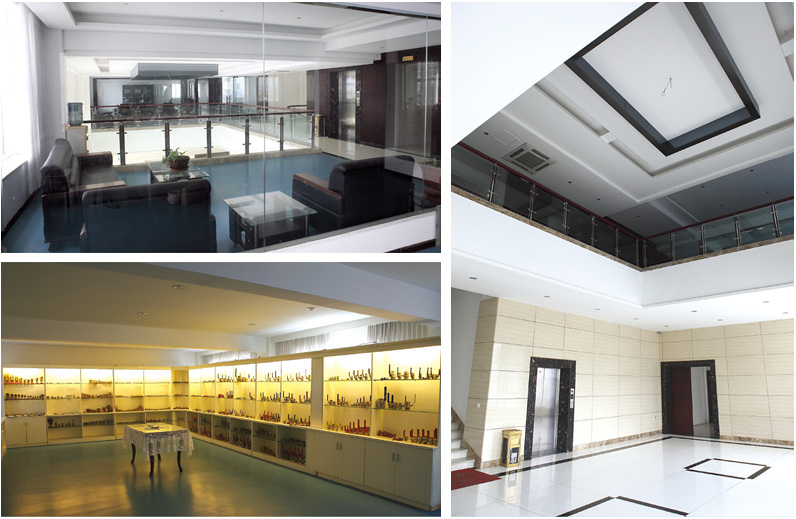
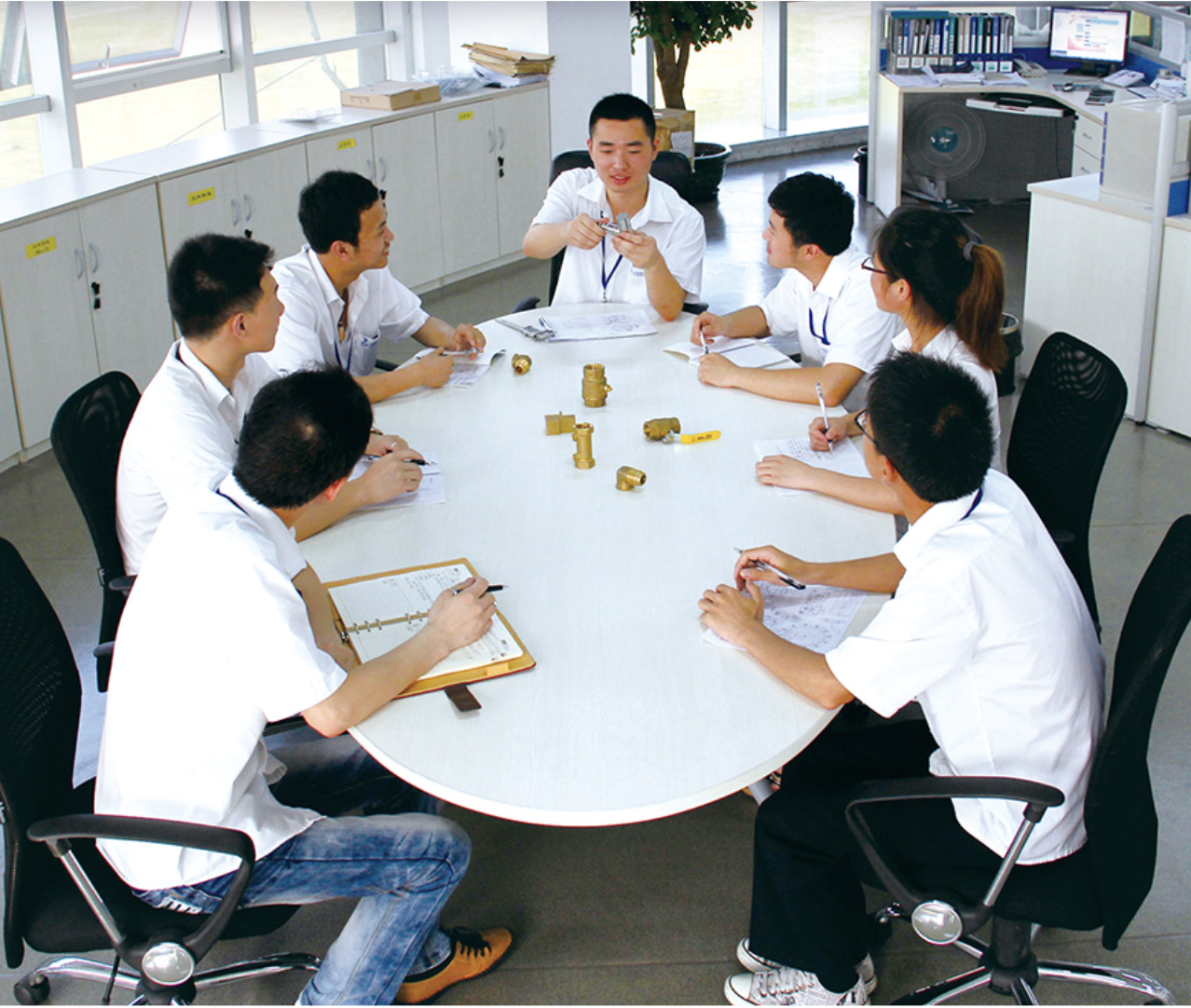
Founded in 1996 and situated in the valve manufacturing hub of Zhejiang—Yuhuan—Yuhuan Yongda Fluid Control Co., Ltd. (formerly Yuhuan Yongda Plumbing Co., Ltd.) has grown into an industry-leading player. With over two decades of technical expertise, our facility specializes in precision design, development, and manufacturing of premium brass valves, HVAC manifolds, and high-performance plumbing fittings.
Positioned as a mid-to-high-end manufacturer, the company operates across a vast manufacturing footprint spanning 45,000 square meters, with an actual usable floor area of 80,000 square meters. Backed by 600+ sets of advanced production and testing apparatus, including 80+ dedicated automated machining centers, we serve major clients in North America and Western Europe, exporting products to over 20 countries.
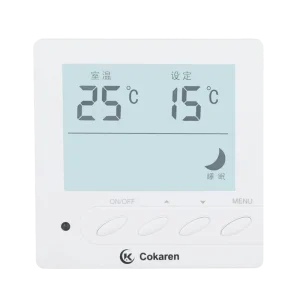
Cokaren Brand Promise: "Keep flowing, keep warming." As our premium product brand, Cokaren delivers high-performance components designed to bring stability, comfort, and efficiency to residential and commercial water heating infrastructures.
High-efficiency HVAC layouts depend on multiple interconnected safety and flow balancing components. Explore our production capabilities across the system line:


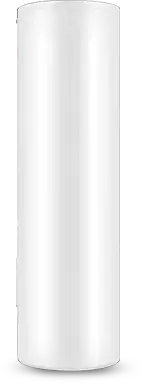
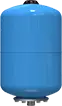
We believe in high manufacturing quality. Leakage of media in closed loop heating or drinking water networks is not just a maintenance issue—it degrades efficiency, damages flooring, and ruins system pressurization. That is why Yuhuan Yongda enforces a zero-leakage policy. Our production lines feature 100% pneumatic sealing testing under pressurized water benches, testing each valve at 1.5 times its rated pressure prior to packaging.
Yuhuan Yongda operates under a certified quality management structure. We comply with:
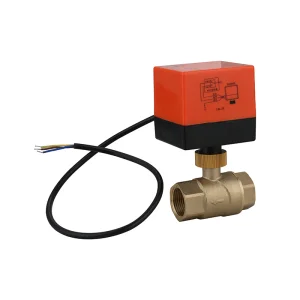
As the IoT landscape transforms industrial pipe networks, simple manual three-way valves are evolving. The Yuhuan Yongda engineering team is developing integrated motorized T-port ball assemblies. By matching low-friction valve geometries with smart thermo-electric actuators, we enable remote valve modulation based on real-time sensor feedback. These developments help minimize energy consumption in heating circuits by optimizing pump cycles and water volume ratios.
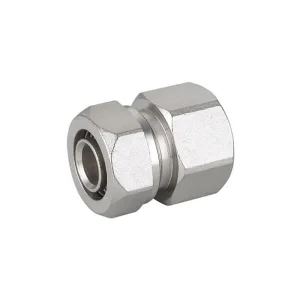
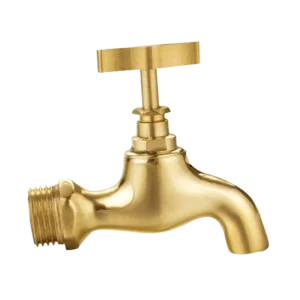
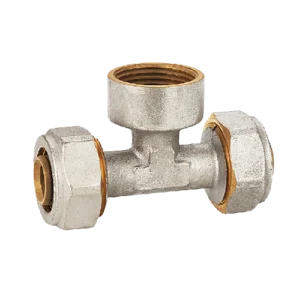
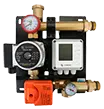
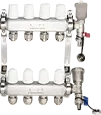
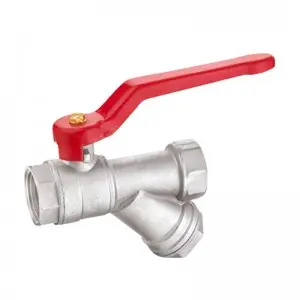
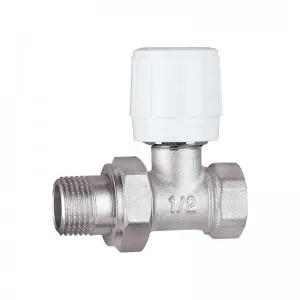
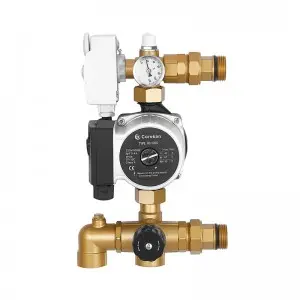
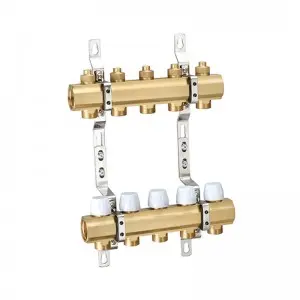
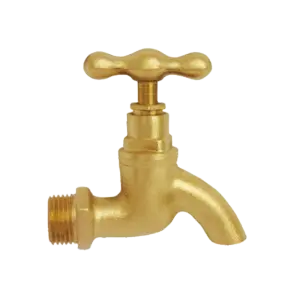
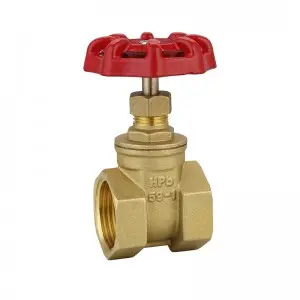
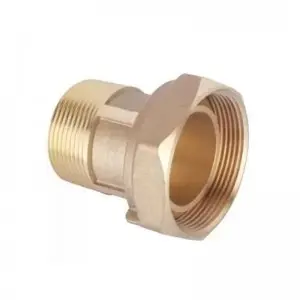
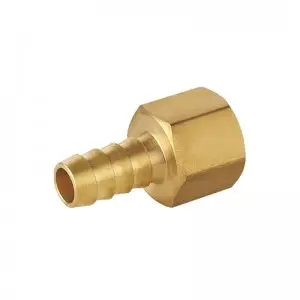
Below is the selection of specialized valves, shunts, and manifolds from our production workshop:
Essential technical and commercial questions answered by our engineering and logistics departments.
The main difference lies in the configuration of the internal fluid channel. An L-port ball can connect the center port to either of the side ports (directional diversion), but cannot connect all three ports at once. A T-port ball allows fluid to pass straight through, connect all three ports simultaneously, or switch between ports. T-ports are used in systems that require mixing or blending cycles, whereas L-ports are typically used for diversion.
We manufacture our lead-free plumbing line utilizing advanced DZR (Dezincification Resistant) lead-free brass alloys, keeping lead content well below the mandatory 0.25% threshold specified by NSF/ANSI 372. These raw materials undergo third-party chemical analysis, and spectrographic verification is conducted for each batch of castings.
For custom OEM/ODM requests, our engineering department provides 3D CAD models and simulated flow profiles within 5-7 working days. Once the engineering drawings are approved, physical prototypes are created using precision tooling or rapid alloy CNC machining within 20 to 30 days, followed by full hydraulic testing verification.
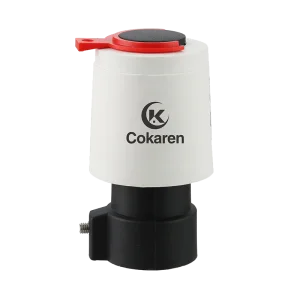
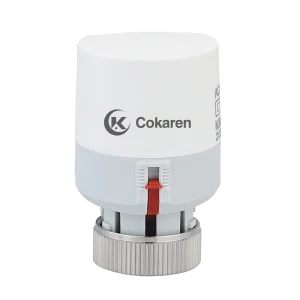
Yes, our temperature-controlled manifolds and mixing shunts are standard M30x1.5 thread interface compatible, which is the most widely adopted format across major European actuator manufacturers. This allows seamless field installation of external actuators without retrofitting.
Our catalog features specialized hydronic elements designed for temperature control, air venting, and differential pressure bypass operations.
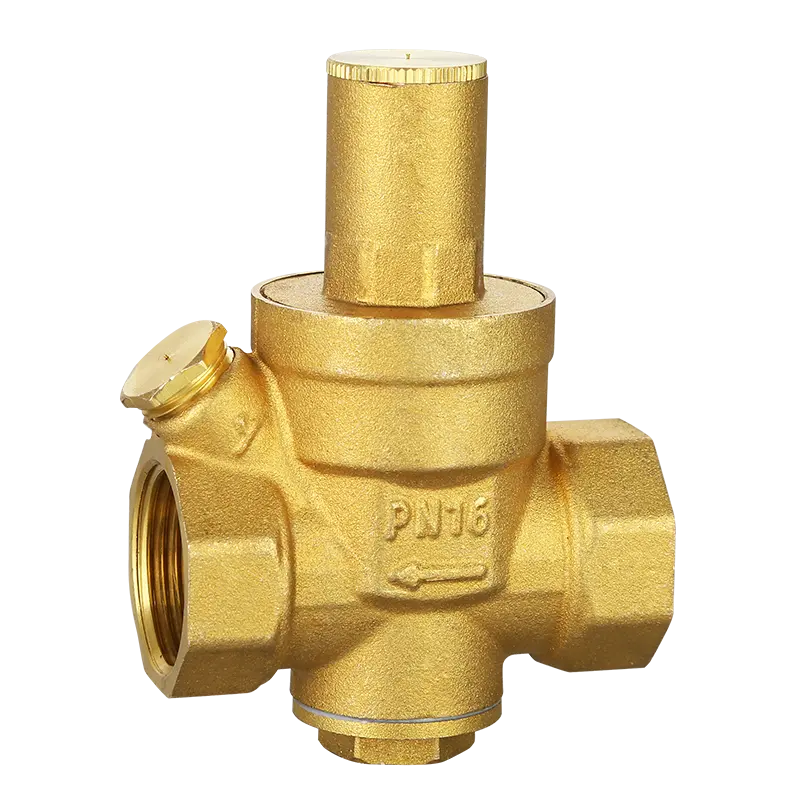
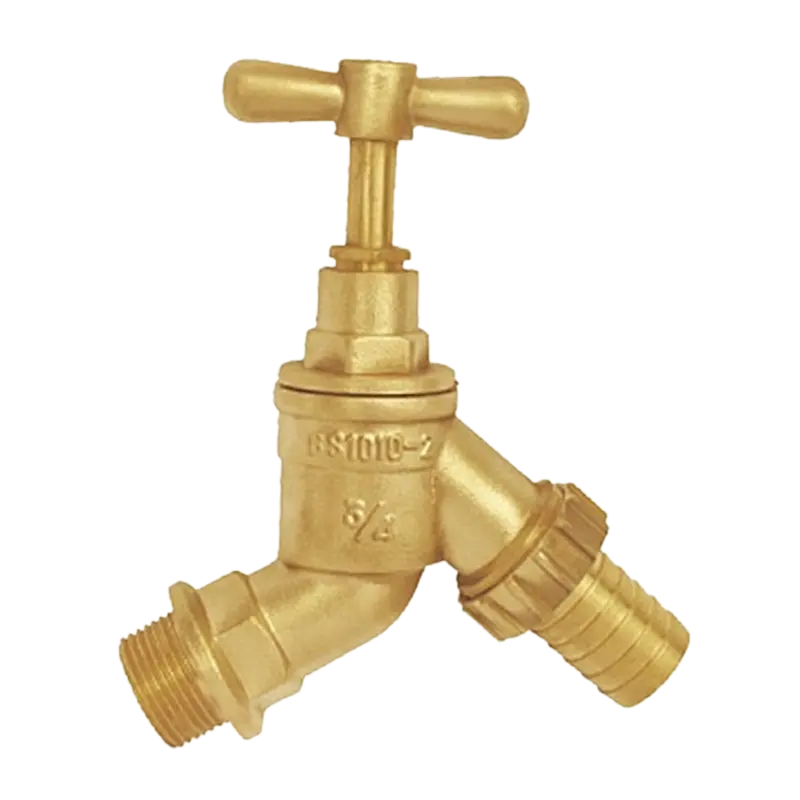
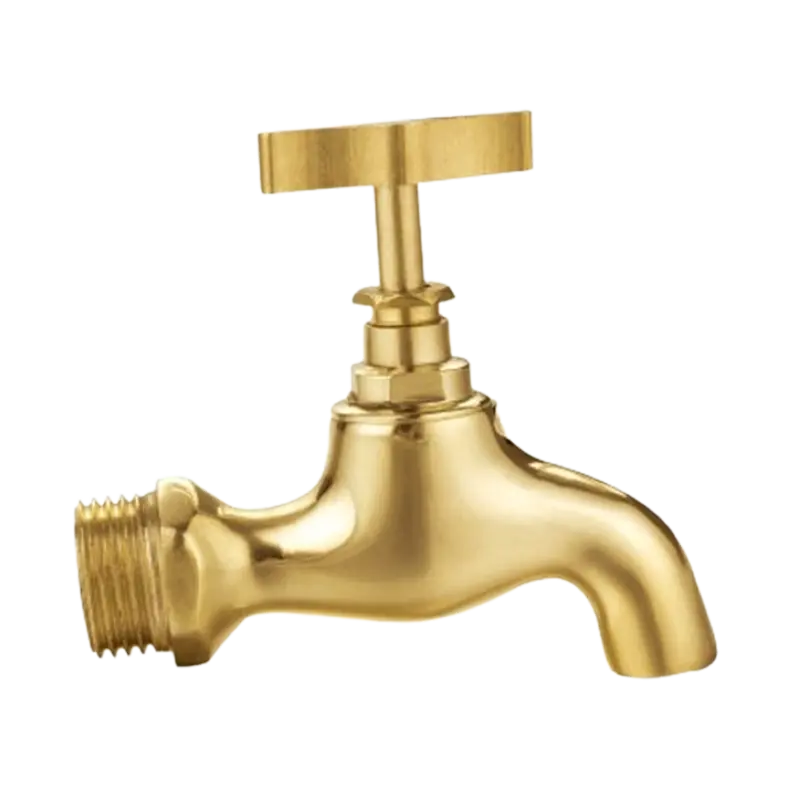
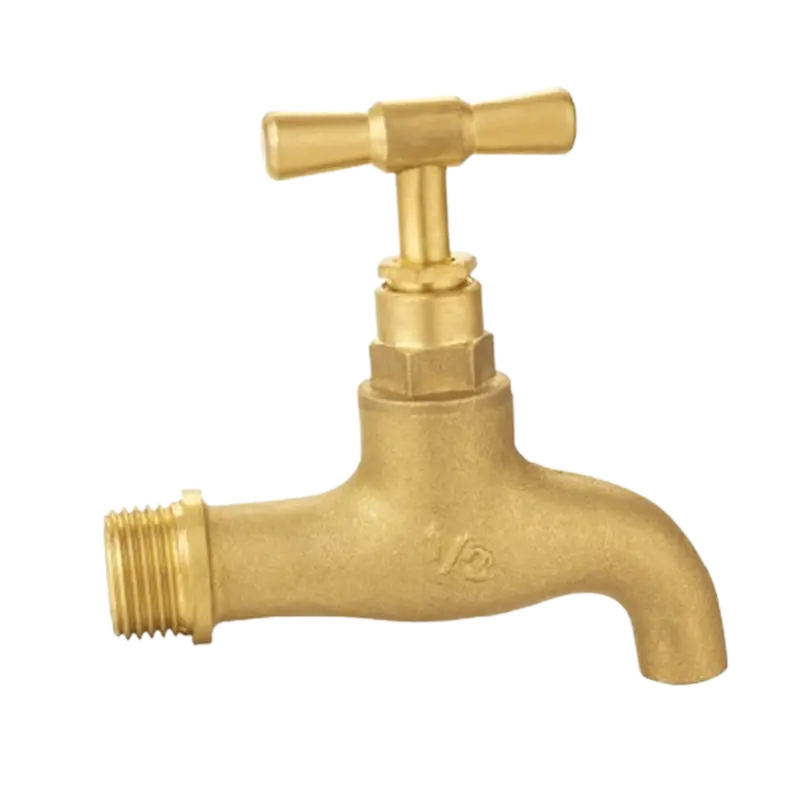
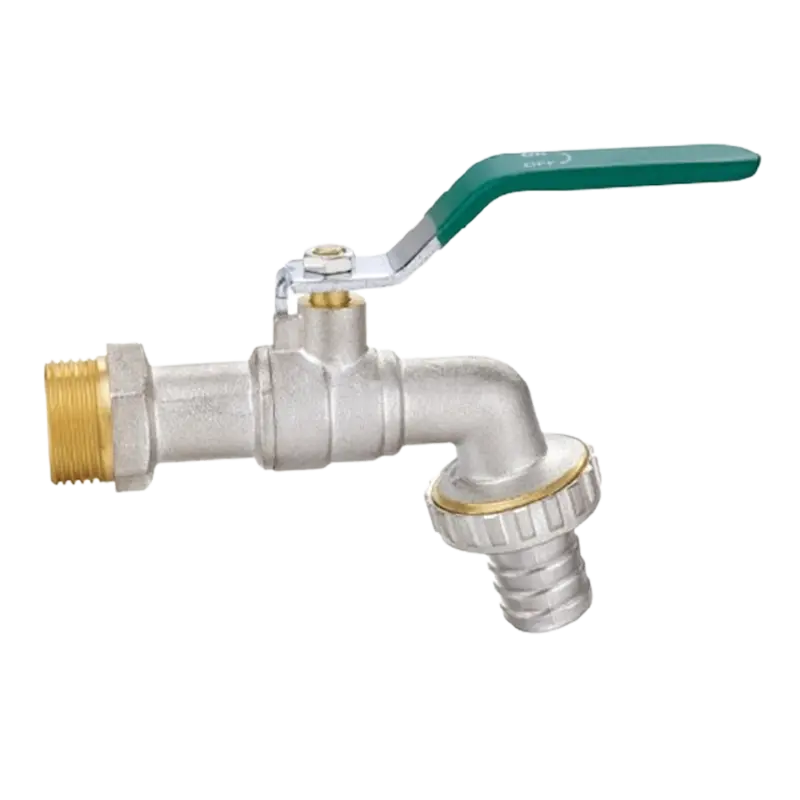
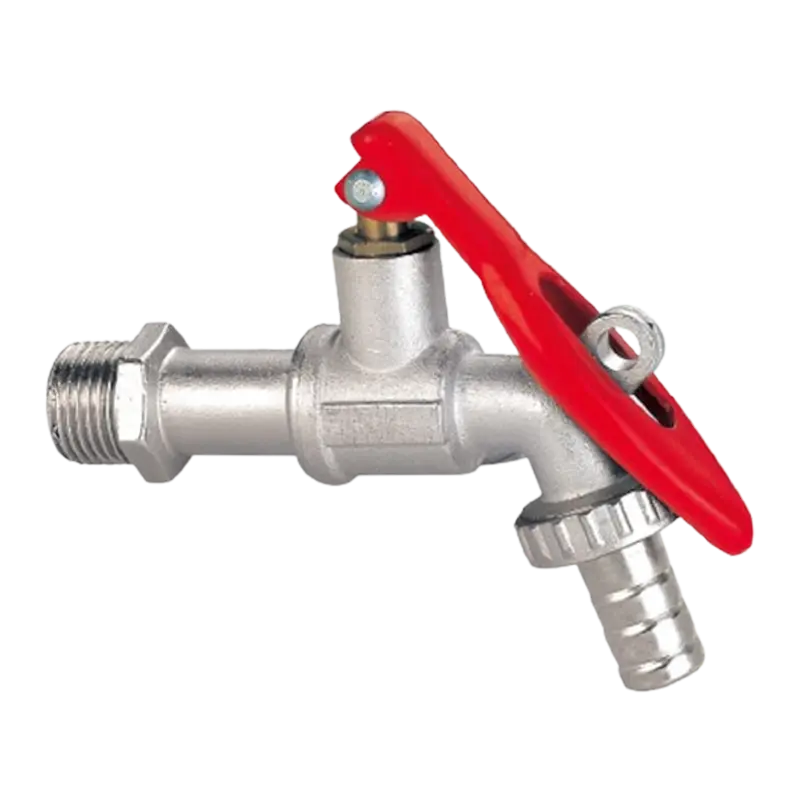
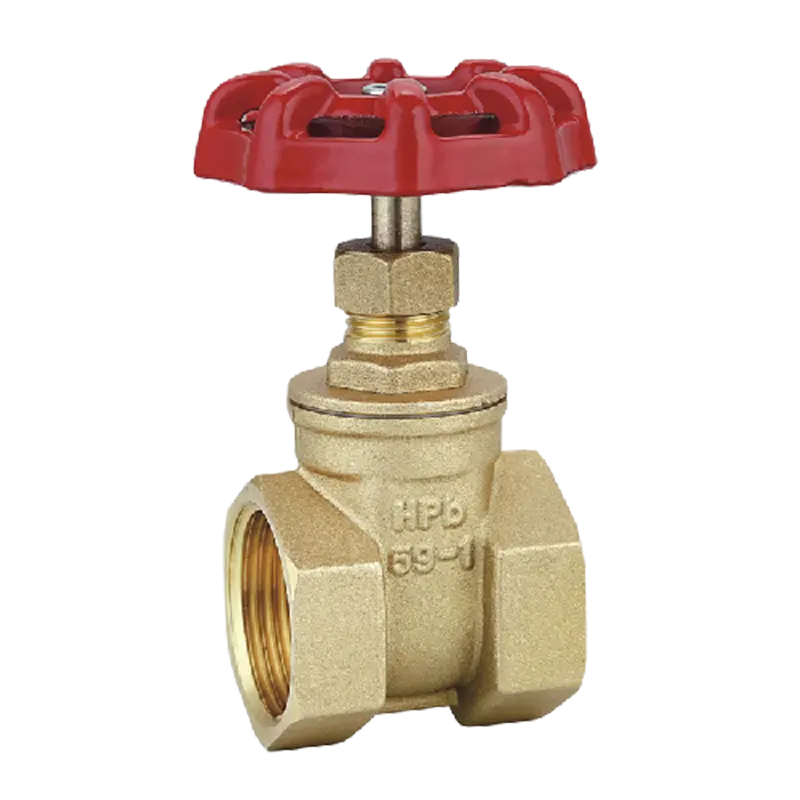
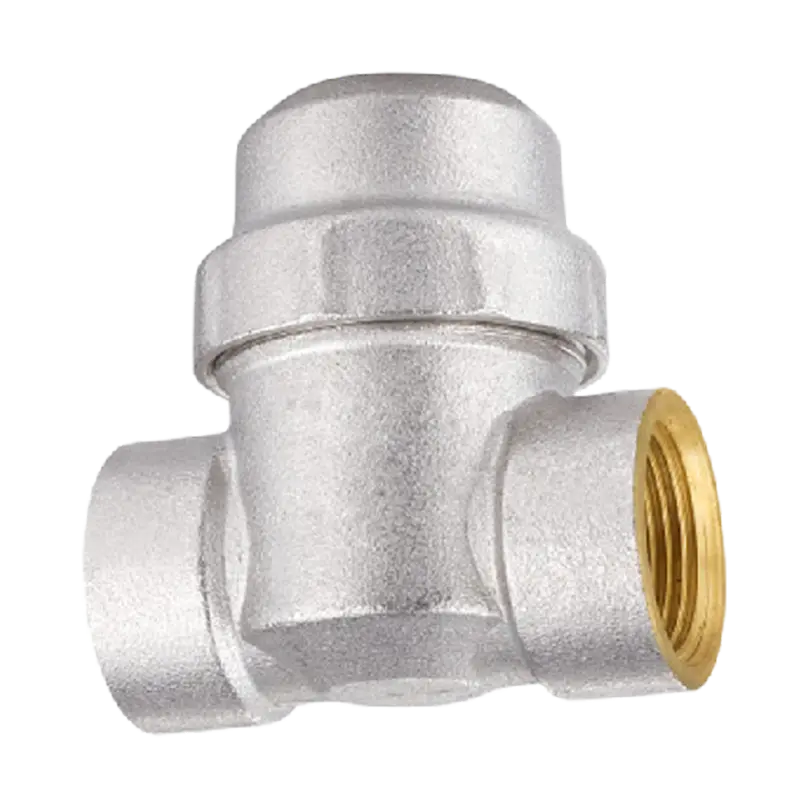
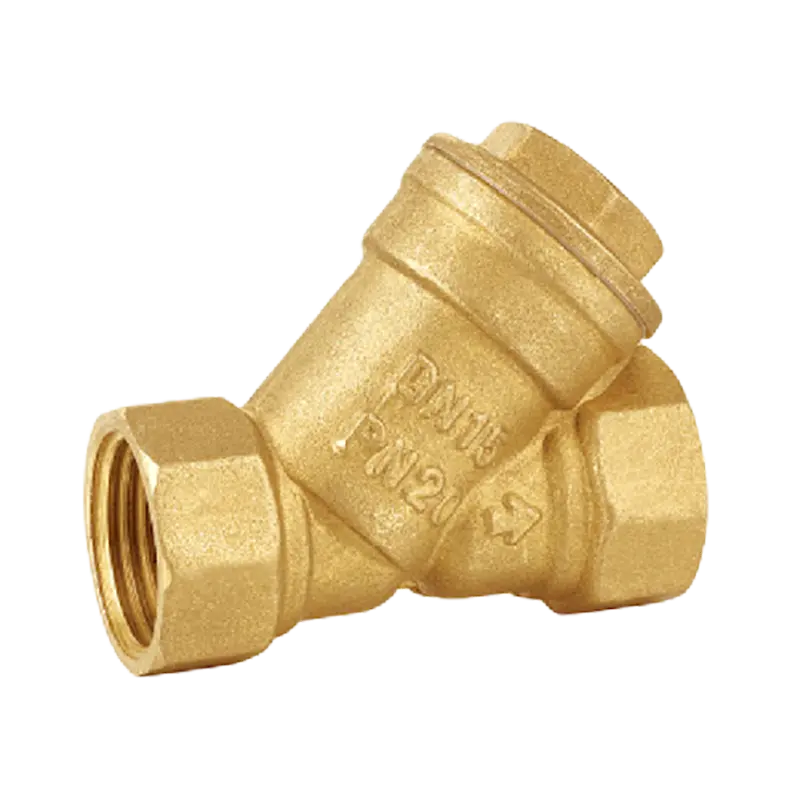
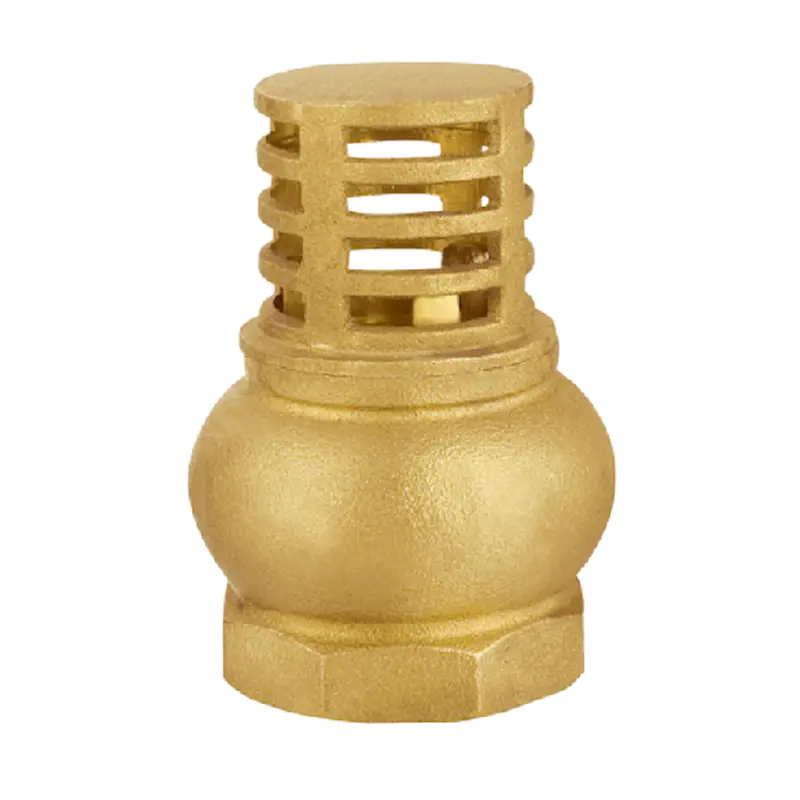
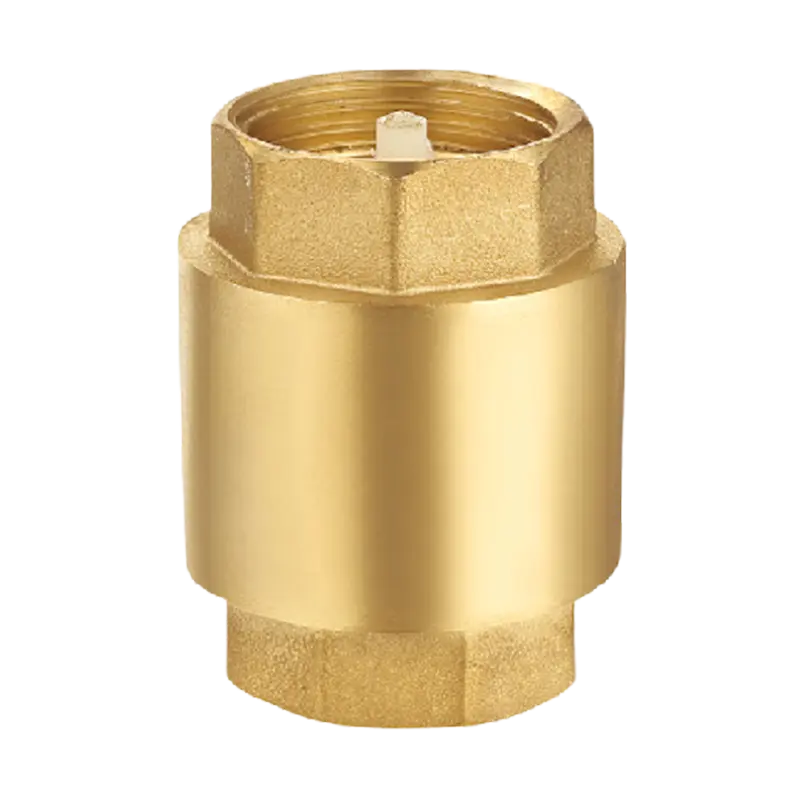
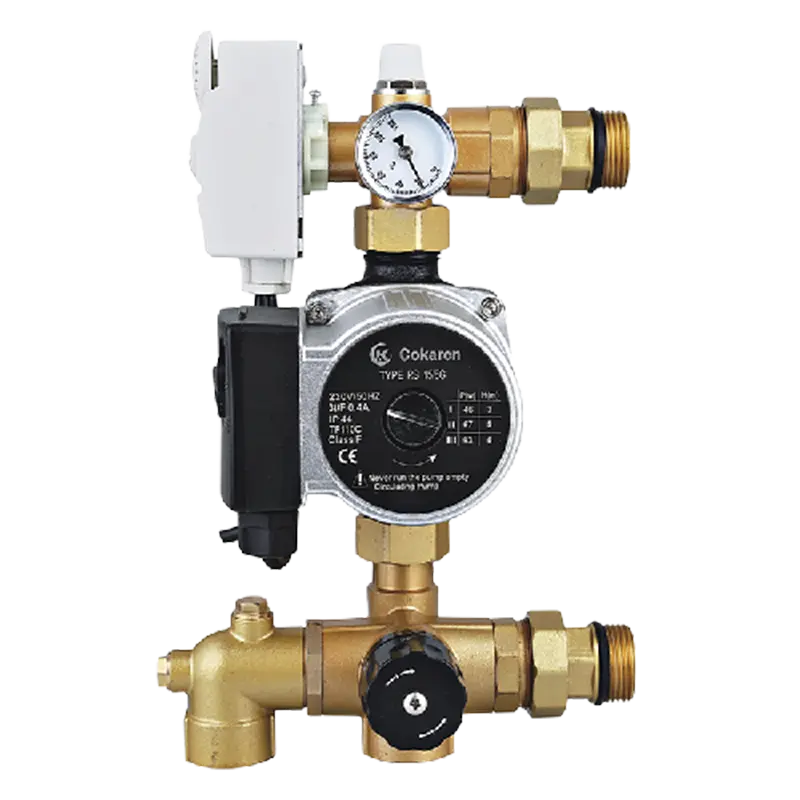
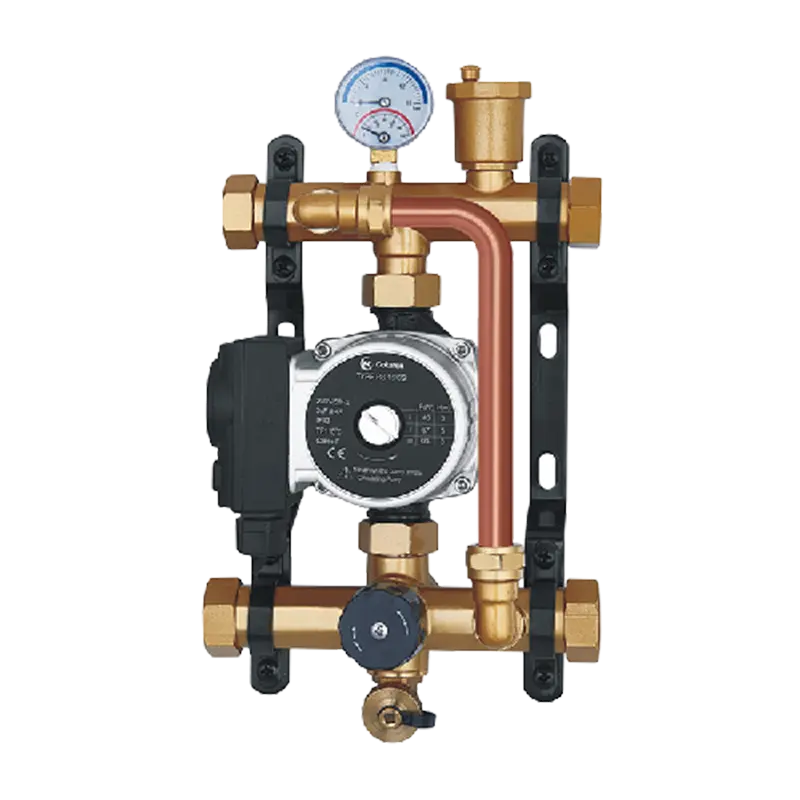
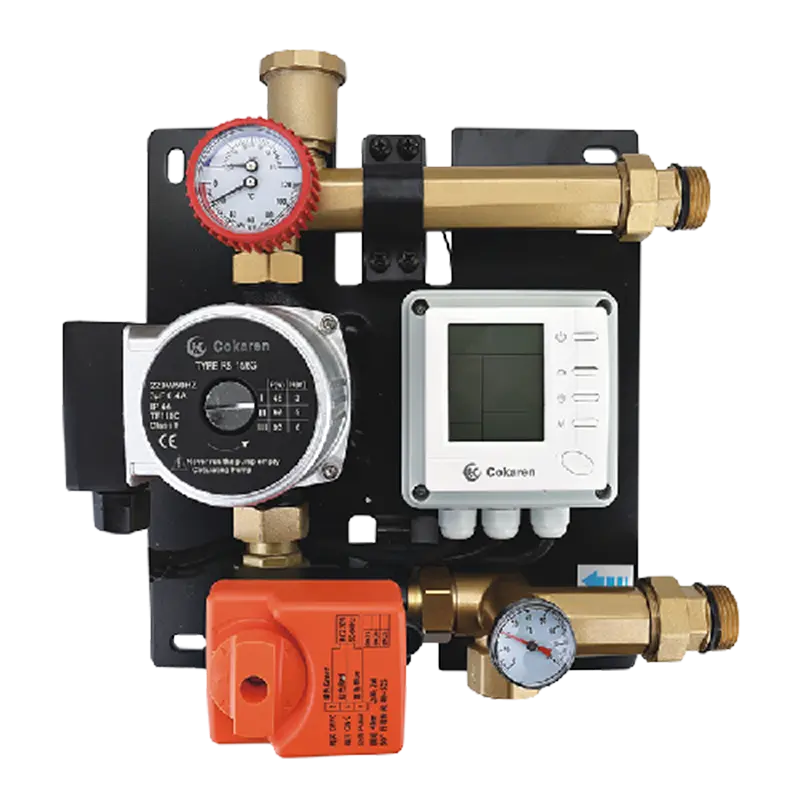
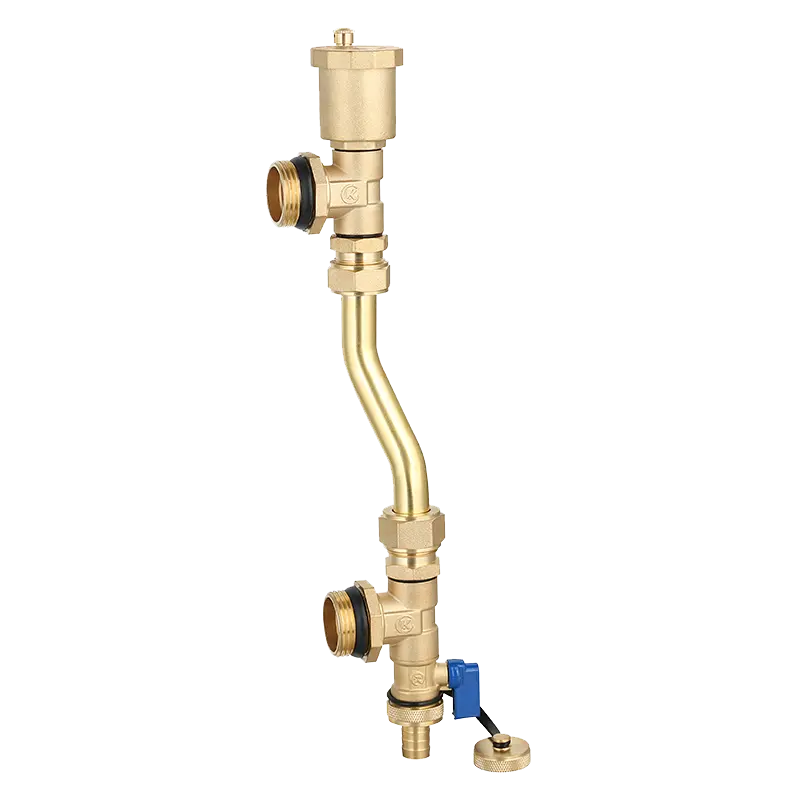
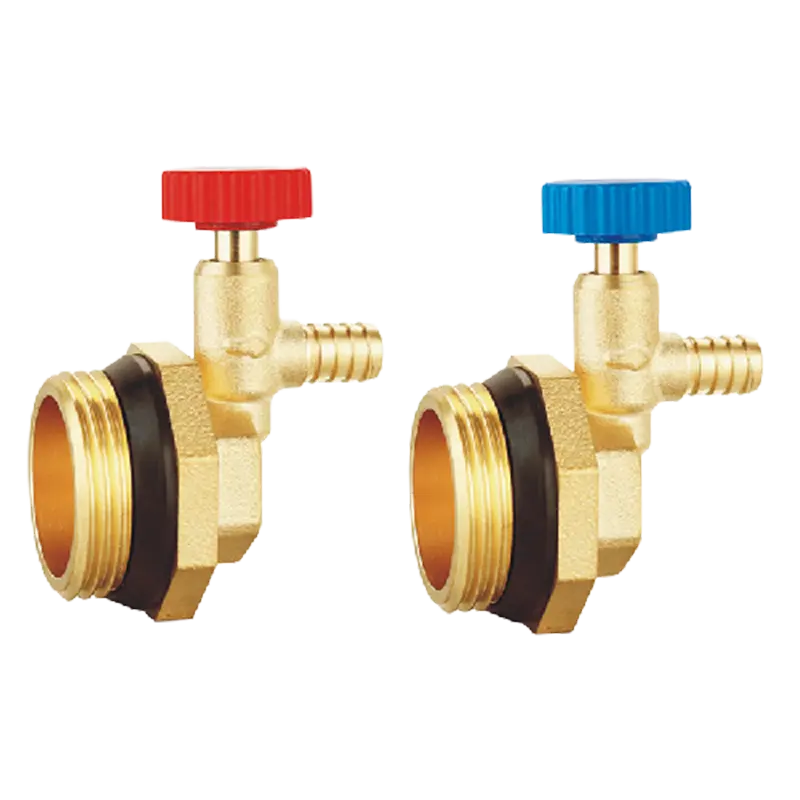
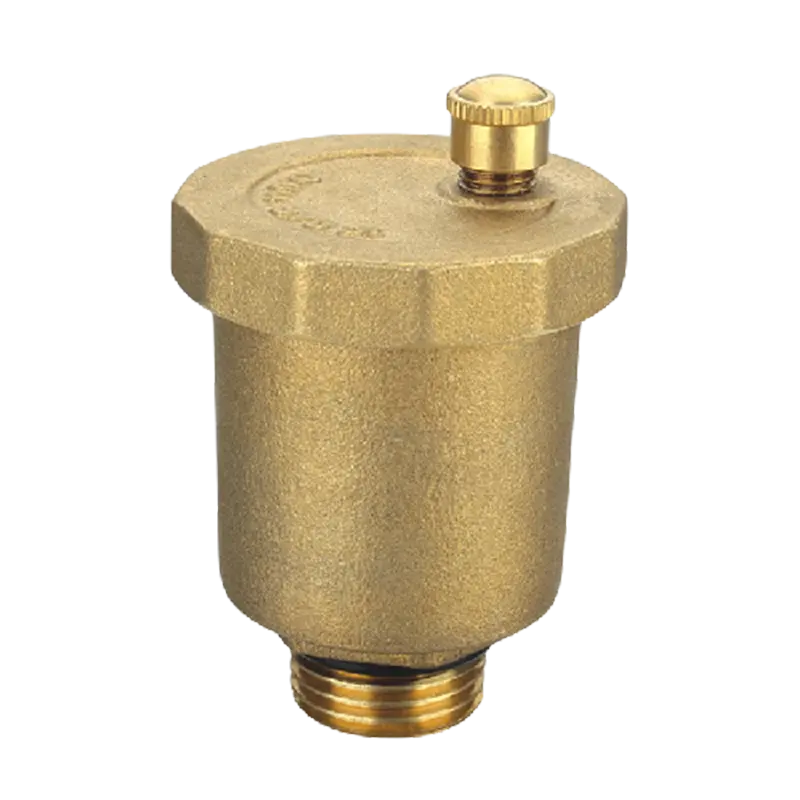
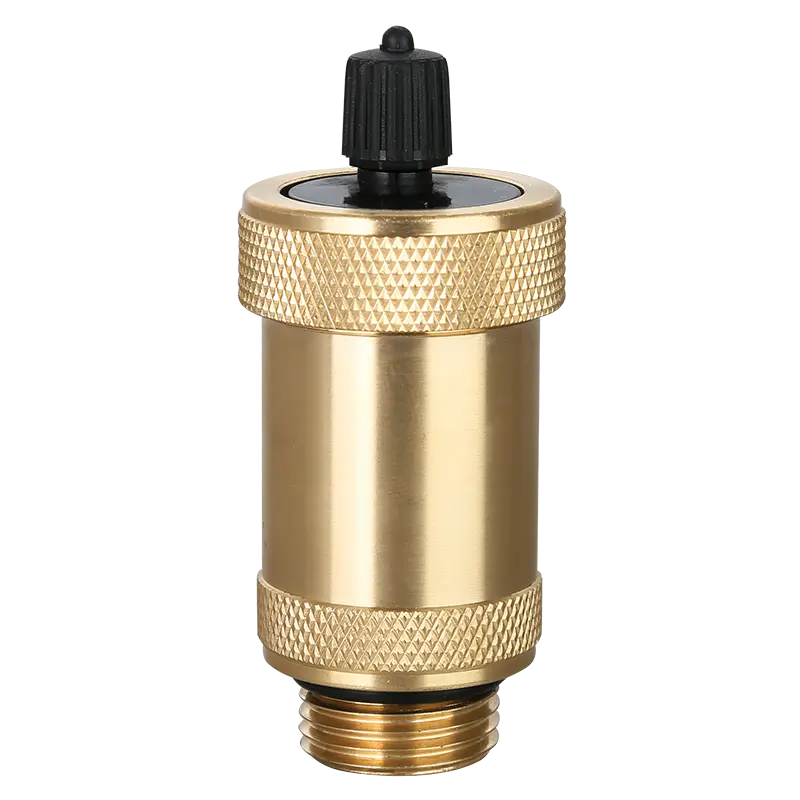
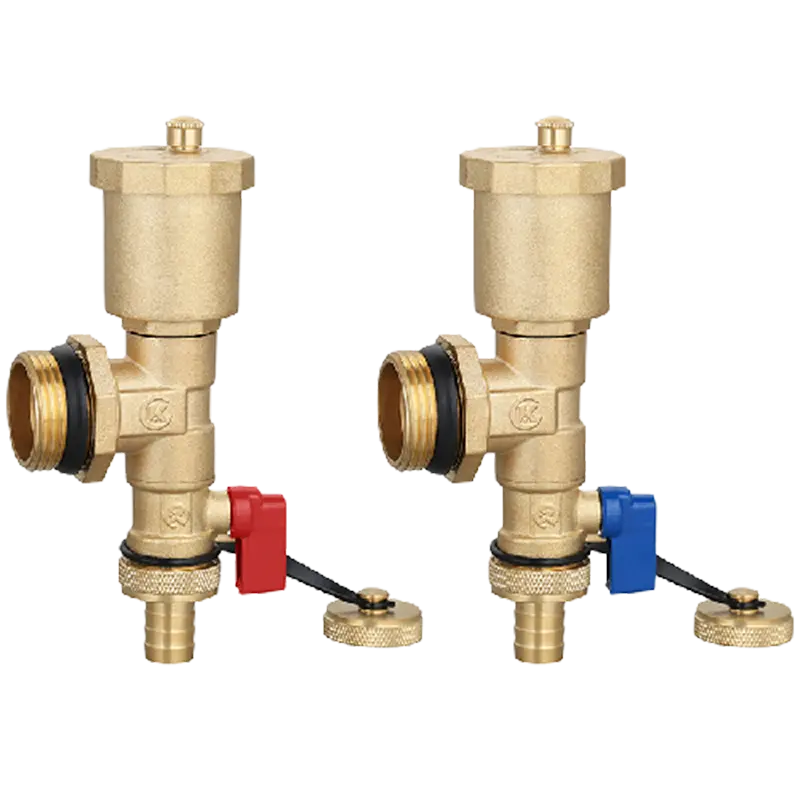
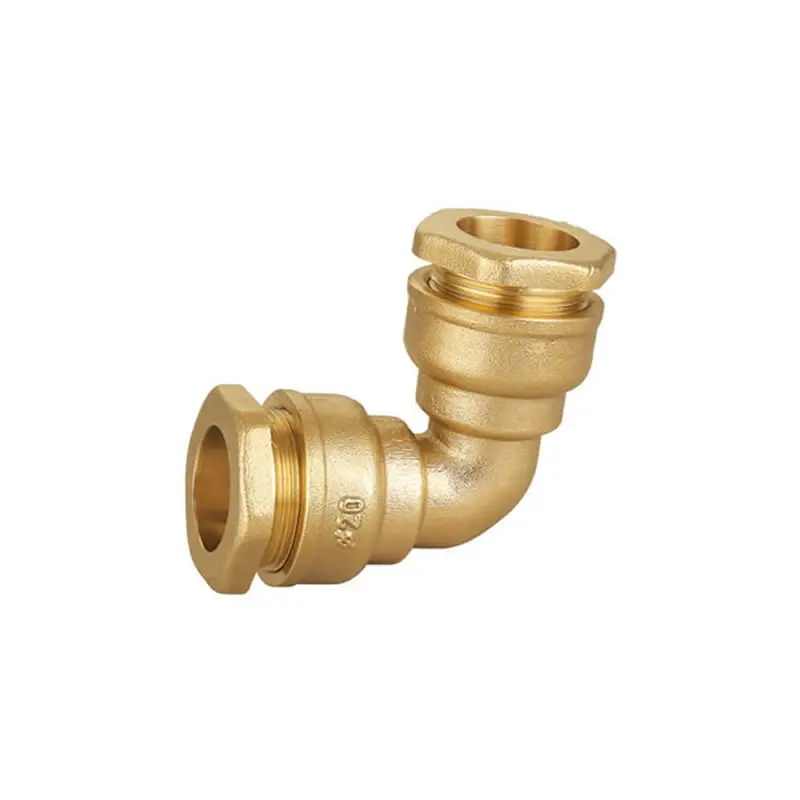
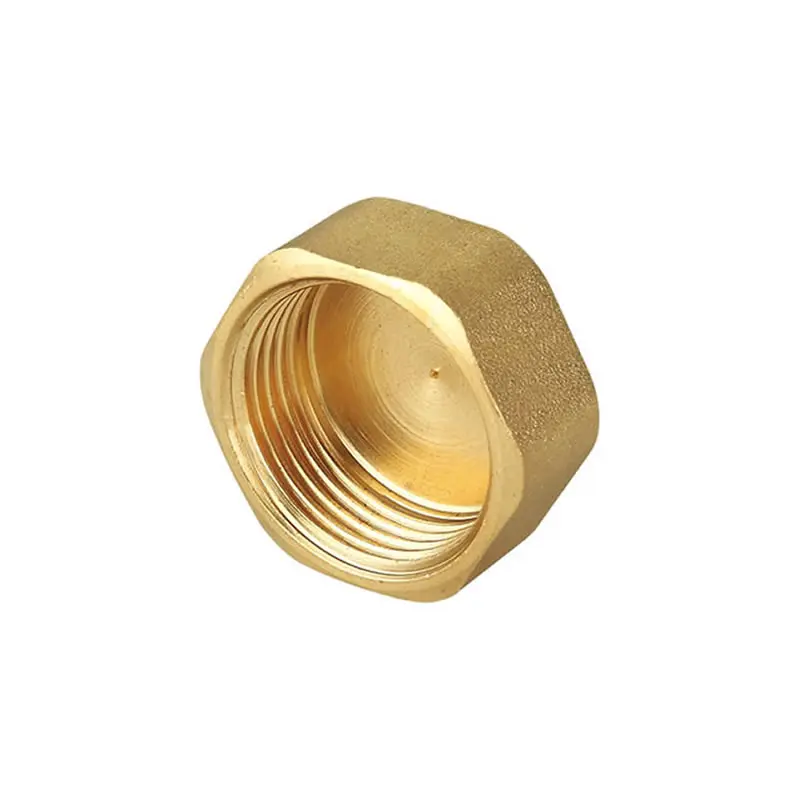
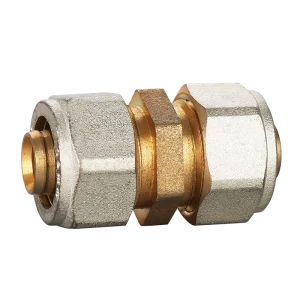
Browse our collection of temperature regulation units, actuator systems, and high-tolerance brass plumbing adapters.