 Yongda
Yongda
Yongda
Within global fluid dynamics and thermal distribution networks, the demand for precise regulation and isolation systems has never been more critical. Heavy industrial, commercial, and HVAC networks require valves capable of withstanding strict thermal cycles, high mechanical pressures, and corrosion challenges. This white paper analyzes the state of ODM Crane Gate Valve manufacturing and custom solutions designed to address these complex requirements.
As standard products often fail to meet the performance criteria of specific commercial networks, custom Original Design Manufacturer (ODM) partners provide the engineering insight, metallurgic purity, and compliance systems required to ensure long-term mechanical reliability. From high-integrity alloy specifications to smart thermostat integration, modern flow control systems are transforming global energy and water distribution infrastructures.

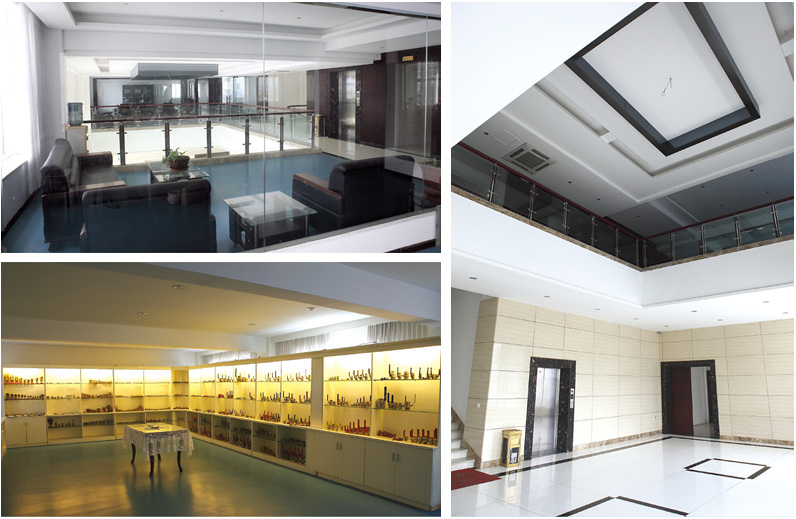
Founded in 1996 and located in the "China valve capital" – Yuhuan, Zhejiang, Yuhuan Yongda Fluid Control Co., Ltd. (formerly Yuhuan Yongda Plumbing Co., Ltd.) has grown into an industry-leading manufacturer. We specialize in product design, raw material development, production, and international sales. Our portfolio is categorized into brass valves, specialized pipe fittings, and high-performance HVAC systems.
Positioned as a mid-to-high-grade manufacturer, the company focuses on lead-free designs, dezincification-resistant (DZR) metallurgy, and energy-conserving thermal control systems. These solutions meet the regulatory standards of North America, Europe, and other advanced industrial markets. To support these systems, our dedicated brand Cokaren embodies the promise: "keep flowing, keep warming"—bringing comfortable, reliable, and sustainable HVAC solutions to homes and businesses globally.
Our operation is built on four core values: Struggle, Enterprising, Pragmatic, and Innovative. By prioritizing customer requirements and centering processes on robust quality control, our quality management system enforces a strict "fine work, no leakage" policy. This commitment aims to support both corporate capabilities and employee welfare, aligning organizational growth with personal success.
Our commitment to sustainability and safety is backed by international management standards. Yongda has earned certifications under ISO9001-2015 for Quality Management, ISO14001-2015 for Environmental Systems, and ISO45001-2018 for Occupational Health and Safety. These frameworks govern every stage of production, from initial design review to mechanical load testing, ensuring reliable operations and supply chain security.
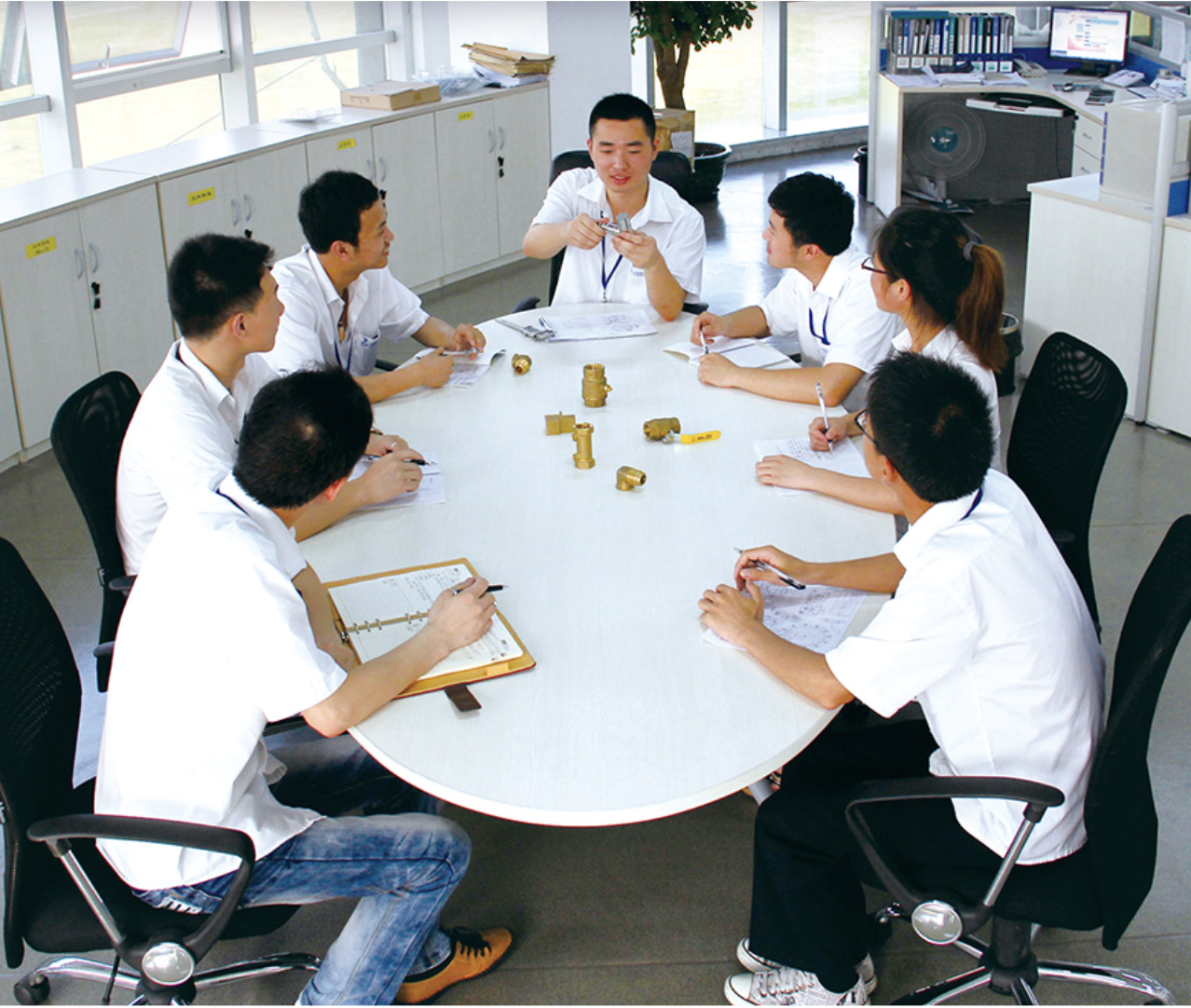
Global demand is driving transitions toward lead-free alloys like Eco-Brass and dezincification-resistant (DZR) materials. Standard brasses degrade under aggressive chlorinated water chemistry; modern architectures mitigate de-alloying failures through trace element control, ensuring reliable installation across commercial settings.
Commercial building envelopes require optimized fluid structures to lower system pump loads. Modern gate designs aim for low flow restriction (low Cv resistance indices), helping operators reduce pumping costs and lower overall energy use.
Modern networks are shifting from purely manual operations toward smart flow controls. Integrated actuators, pressure bypass sensors, and programmable water distribution manifolds allow facility operators to adjust and control parameters remotely.
Integrating high-performance control systems, mechanical filtration, and balance valves to improve thermal distribution efficiency and protect pipelines.

Monitors baseline flow limits, balancing fluid circulation throughout commercial distribution systems.

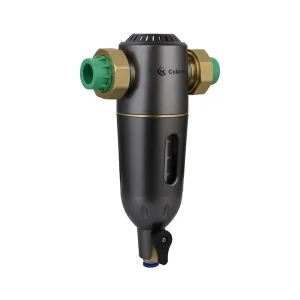
Serves as the primary defense in domestic sanitation, filtering up to 98% of physical impurities in the pipeline.
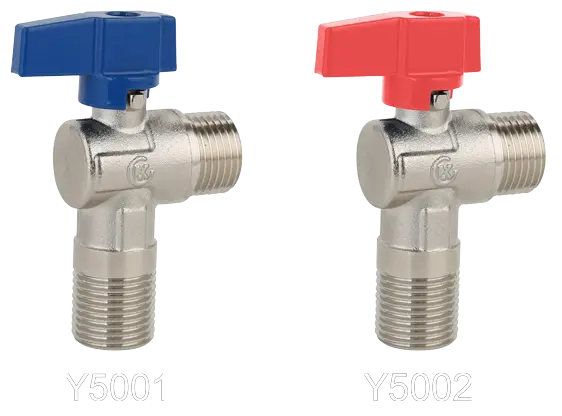
Controls hot and cold inlet/outlet flows using a high-precision spherical spool design.
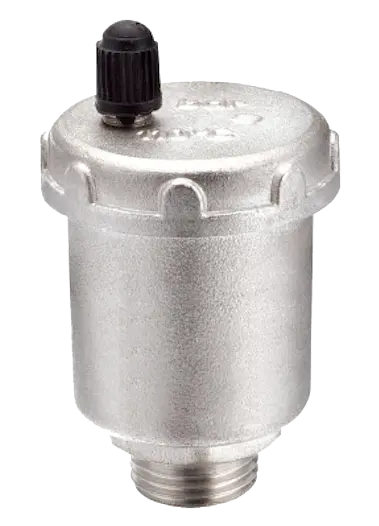
Discharges excess air pockets to maintain system pressures and prevent pump cavitation.
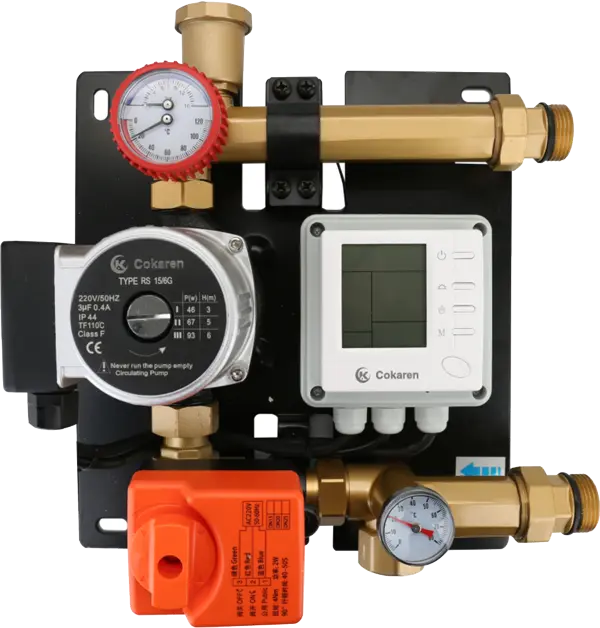
Stabilizes temperatures by mixing hot and cold flows, protecting downstream installations.
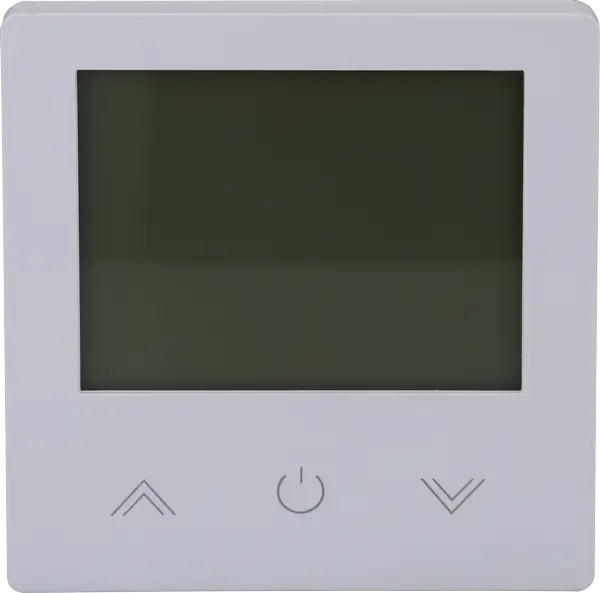
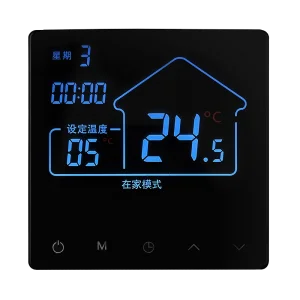
Enables integrated climate management, adjusting space heating based on environmental feedback.
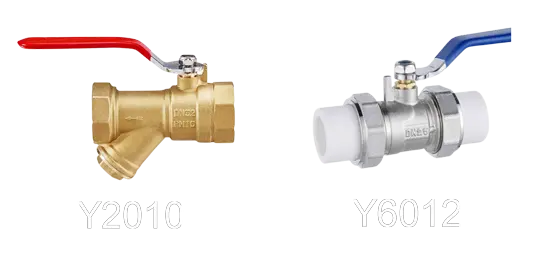
Combines isolation, mechanical filtration, and temp/pressure measurements in one compact manifold assembly.
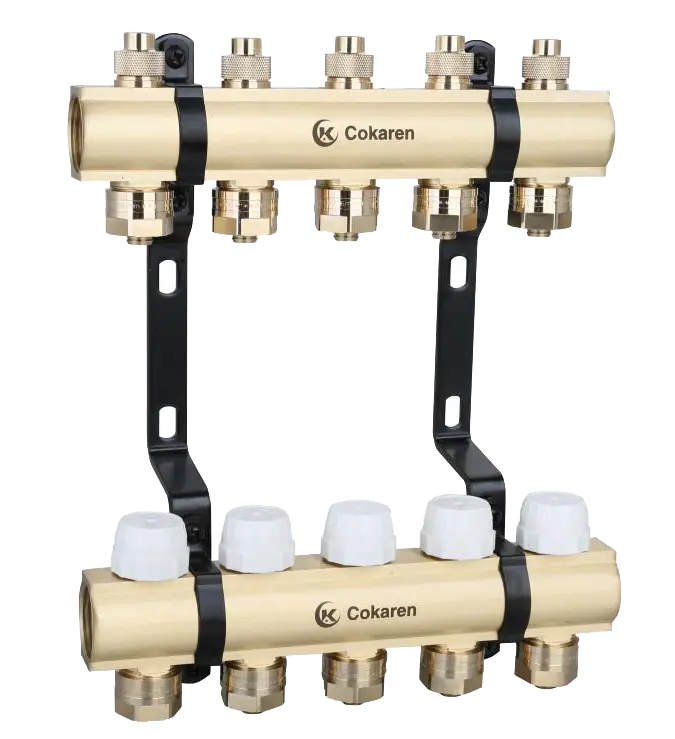
Distributes flow pathways across hydronic zones while maintaining target pressure levels.
Yongda's integrated designs help prevent pressure drops, scaling, and thermal loss across standard commercial heating systems.
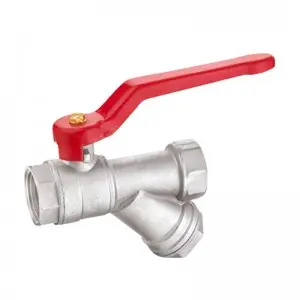
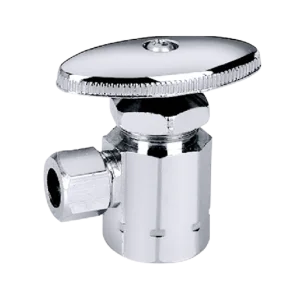
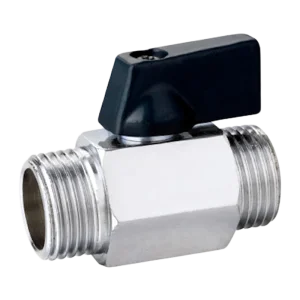
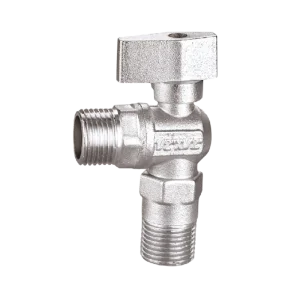
Combines reliable 1/4-turn shutoff with an integrated mesh screen. This design protects sensitive control devices from debris damage without requiring separate inline fittings.
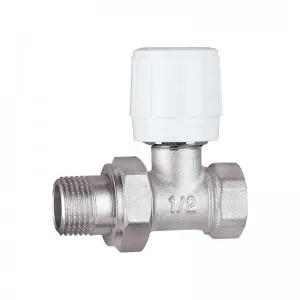
Allows manual calibration of hydronic radiator loops. Ergonomic handles enable proportional manual adjustment to stabilize room temperatures.
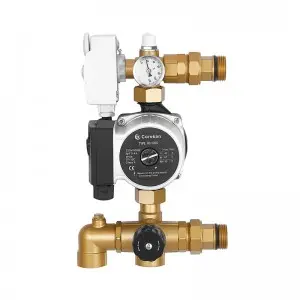
Protects underfloor installations by mixing returning fluid with incoming hot boiler water. Prevents excessive temperatures from cracking concrete slabs.
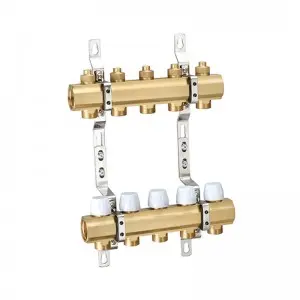
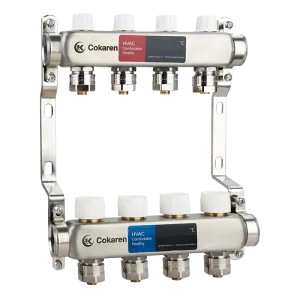
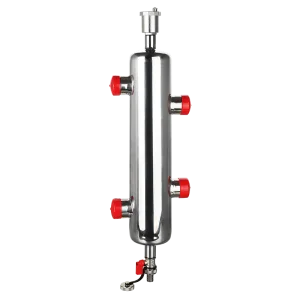
Made from heavy-gauge brass or stainless steel, this manifold balances hydronic flows across multiple target zones, supporting stable heating distribution.
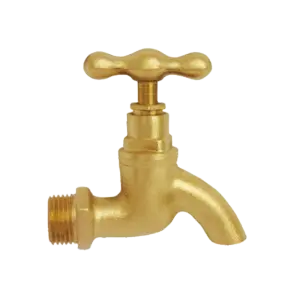
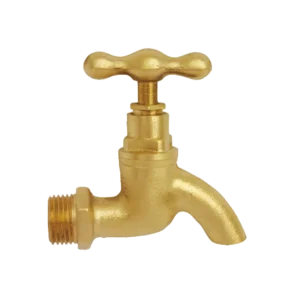
Provides durable external control under freezing conditions. Features refined styling, heavy cast brass construction, and leak-proof gaskets.
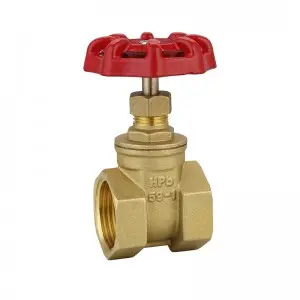
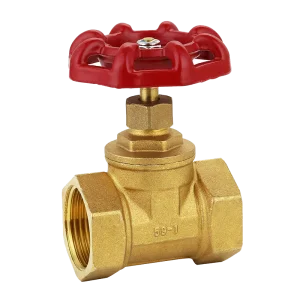
Designed for full-port fluid control, this heavy-duty valve features a solid wedge disc and sturdy threads, ensuring reliable operation with minimal pressure loss.
Industrial projects require tailored solutions. Yongda's technical departments use advanced CAD systems, FEA stress modeling, and mold-flow simulators to translate performance needs into certified products.
Our ODM development workflow includes:

Operational safety is non-negotiable when dealing with high-pressure fluid networks. Under our "fine work, no leakage" policy, Yongda runs each batch through rigorous testing protocols. Our facilities feature advanced testing equipment to verify mechanical, thermal, and chemical performance.
Valves are subjected to pressures exceeding nominal ratings to verify casting density and ensure zero shell wall deformation, conforming to EN 12266-1 standards.
Low-pressure air tests are applied to seats and seals under water, identifying even micro-level leakage to ensure secure, bubble-tight shutoffs.
Using optical emission spectrometers, we verify alloy ratios prior to forging, confirming exact lead, copper, and zinc concentrations for lead-free compliance.
Gate valves are designed for isolation, providing full-port flow with minimal pressure drop (Cv) when open. Globe valves are intended for flow throttling and regulation, introducing higher pressure drops due to their internal flow path. Using a gate valve for throttling can cause wedge vibration, noise, and seat wear.
Standard brass alloys can lose zinc when exposed to aggressive water, leaving a porous, mechanically weak copper structure that leads to leaks. DZR brass is formulated with inhibitors that prevent this process, ensuring long-term reliability in high-salinity and chlorinated water systems.
We source certified low-lead and lead-free ingots and process them on dedicated machining lines. Our spectrometry testing confirms lead levels remain below the 0.25% weighted average required by NSF/ANSI 372 and European drinking water directives.
Our operations are certified under ISO 9001:2015 for quality control, ISO 14001:2015 for environmental management, and ISO 45001:2018 for safety compliance. Specific product lines also carry CE certification for European distribution.
The standard timeline includes design and CAD review (1-2 weeks), mold tooling and prototyping (3-4 weeks), and physical and hydrostatic testing (2 weeks). Production cycles typically run 30 to 45 days, depending on batch volume.
Entrained air in hydronic systems can cause noise, reduce heat transfer, and accelerate interior piping corrosion. Automatic venting valves release these pockets during system operation, maintaining correct thermal transfer rates.