 Yongda
Yongda
Yongda
In modern industrial, commercial, and residential municipal water systems, cross-connection control is paramount. A dual check valve acts as the vanguard of sanitation, preventing back-siphonage and backpressure backflow that could otherwise introduce contaminants into potable water supplies. For global engineering projects, original equipment manufacturing (OEM) and original design manufacturing (ODM) partnerships are essential to deliver bespoke, certified, and high-performance fluid control units. This comprehensive report details the design methodologies, regulatory frameworks, technological roadmaps, and custom ODM pipelines that drive modern fluid control networks.
Our research shows that integrating dual check assemblies at meter boxes and point-of-use service connections minimizes downstream vulnerabilities. By offering customized mechanical tolerances, dual-spring configurations, and corrosion-resistant alloys, certified manufacturers enable global distributors to address specific regional codes with extreme precision and speed. The shift toward lead-free materials, such as DZR (Dezincification Resistant) brass and high-density composite polymers, underpins the future of sustainable water infrastructure.
Utilizes dual independently acting check valves to secure water lines against pressure drops, eliminating municipal cross-contamination hazards.
Features corrosion-resistant materials including forged brass, lead-free alloys, and durable food-grade synthetic polymers.
Engineered to satisfy major international standards such as ASSE 1024, CSA B64.6, and EN 1717 for mechanical integrity and safety.
Rapid urbanization, paired with aging public utility infrastructures across North America, Europe, and the Asia-Pacific region, has prompted regulatory bodies to tighten enforcement of backflow preventer installations. The global market demand for custom check valves and integrated manifold systems has experienced robust growth. Municipalities are shifting from simple single check devices to dual check architectures, mandating redundant protection mechanisms.
This evolving regulatory landscape has placed significant demand on manufacturing flexibility. Companies are no longer searching for generic off-the-shelf valves; instead, they seek dedicated partners who offer ODM capabilities to match specific physical dimensions, hydraulic profiles, and thread metrics (such as NPT, BSP, or compression ends). These requirements demand an advanced engineering foundation and specialized manufacturing tools capable of sustaining rigorous testing procedures.
| Market Segment | Primary Regulation | Required Dual Check Standard | Preferred Material Composition |
|---|---|---|---|
| North American Residential | IPC, UPC, NSF/ANSI 61 & 372 | ASSE 1024 / CSA B64.6 | Lead-Free Brass, DZR Alloys |
| European Domestic & Commercial | EN 1717 Protection Category 2 & 3 | BS EN 13959 Class CA | Eco-Brass, Nickel-Plated Alloys |
| Asia-Pacific Water Networks | AS/NZS 3500 series | AS 2845.1 / AS 2845.2 | DR Brass, Stainless Steel 316 |
Yuhuan Yongda Fluid Control Co., Ltd. (formerly Yuhuan Yongda Plumbing Co., Ltd.) was established in 1996 and is strategically located in Yuhuan, Zhejiang—widely recognized as the "Valves Capital of China." As a premier plumbing and fluid control valve enterprise, we specialize in the comprehensive lifecycle of product design, advanced engineering, state-of-the-art manufacturing, and global sales.
Our core product lines are divided into three main categories: brass valves, plumbing fittings, and HVAC distribution components. Positioned in the middle and high-grade sectors, our products focus heavily on environmental protection, meeting the strict standards favored by consumers in North America, Europe, and other advanced global markets.
Spanning a factory site area of more than 45,000 square meters—with actual usable industrial space reaching 80,000 square meters—our modern facility houses over 600 sets of advanced production and quality testing equipment, including more than 80 sets of special machine tools. This formidable infrastructure allows us to adapt swiftly to the diverse specifications of global buyers and support distribution networks in more than 20 countries.

Cokaren is our dynamic premium brand dedicated to high-performance, aesthetically refined water system accessories. Cokaren’s core brand promise, "keep flowing, keep warming", represents our commitment to providing safe, warm, and comfortable living environments through reliable fluid control accessories.
Guided by this vision, Cokaren is pursuing strategic expansion to become a world-class fluid security brand, prioritizing zero-leakage construction, optimized thermal efficiency, and smart home integration.
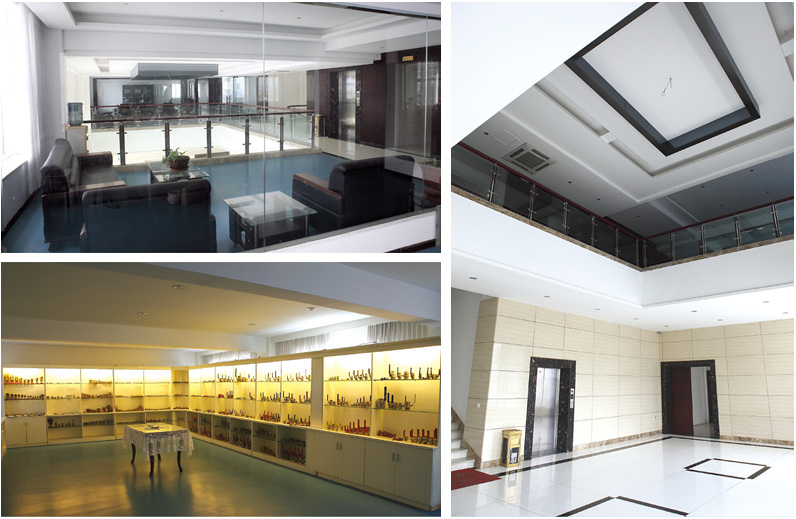

Quality and safety form the foundation of our engineering philosophy. We maintain rigorous compliance across our entire production lifecycle. The company has secured key international management certifications:
By strictly monitoring metallurgical chemistry, mechanical stress, dimensional tolerances, and sealing performance, we ensure that every batch of dual check valves and manifolds shipped to North America and Europe meets local regulatory demands.
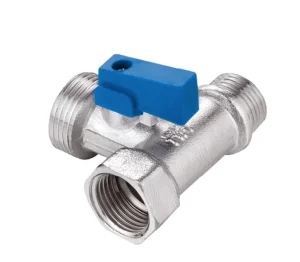
Our energy distribution systems ensure thermal regulation and water safety. We manufacture components that operate in unison to control, filter, and balance fluid dynamics across residential and commercial properties.

The first line of defense in domestic water sanitation, designed to filter out 98% of physical impurities in pipelines.
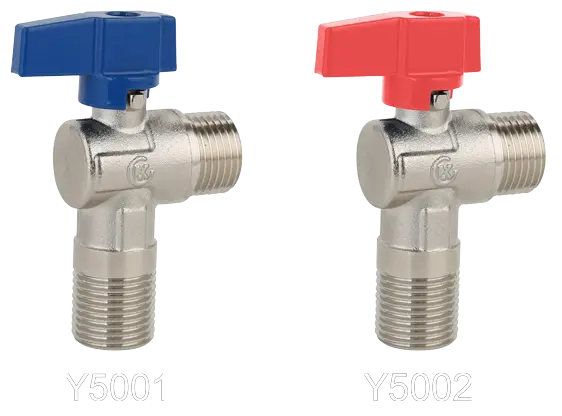
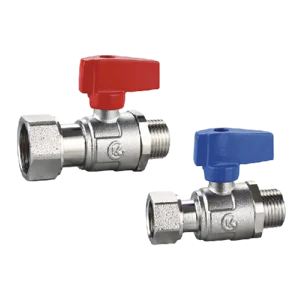
Controls the inflow and outflow of cold and hot water in boilers, utilizing a high-precision spherical spool design.
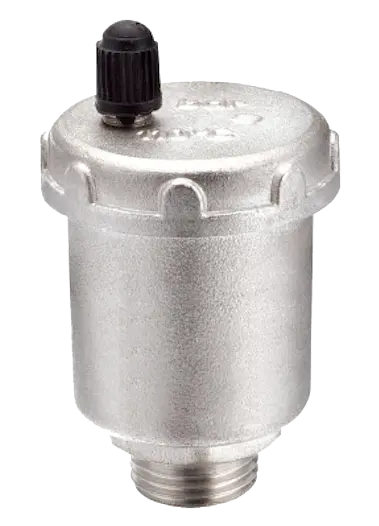
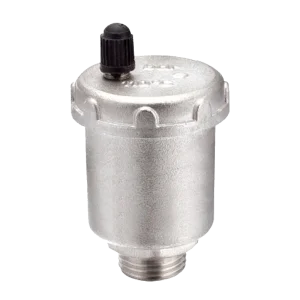
Discharges excess air in air-source water heaters to maintain stable system pressures and prevent dry firing.
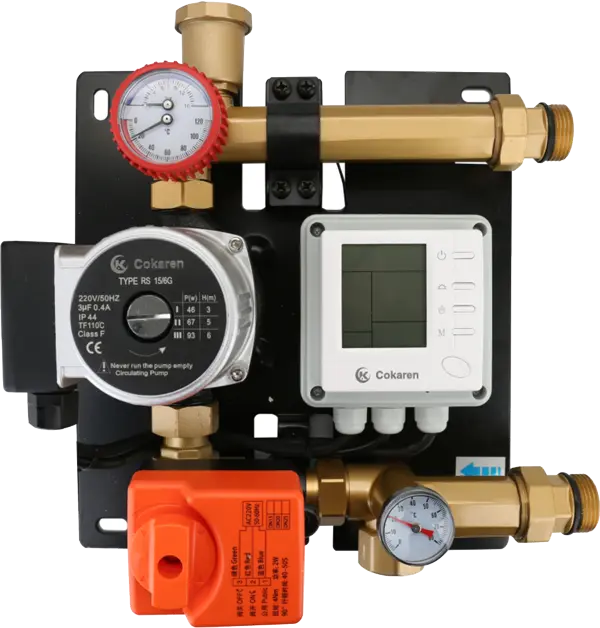
Combines hot and cold water streams to stabilize outlet temperatures, preventing scalding and protecting pipes.
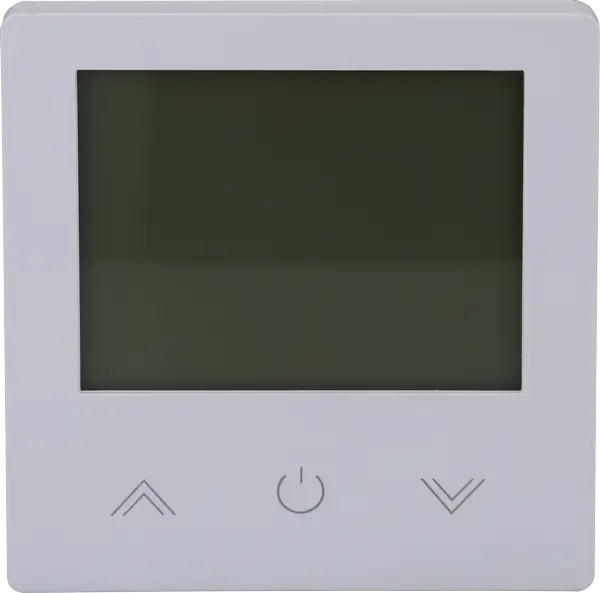
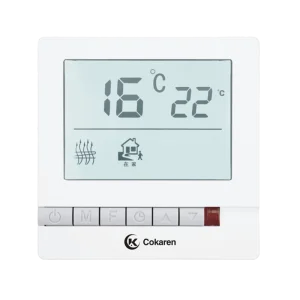
Integrates HVAC components to automatically adjust room temperatures and maximize energy conservation.
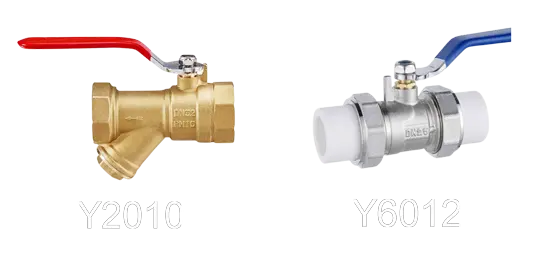
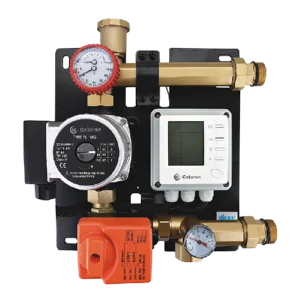
Filters impurities, regulates back-end manifold switches, and monitors water temperature and system pressure.
Modern fluid distribution requires specialized valves tailored to regional water chemistry and local plumbing codes. For example, municipal systems in North America require dual check valves to meet lead-free requirements under NSF/ANSI 372. This standard limits the lead content on wetted surfaces to a maximum weighted average of 0.25%. Conversely, in Europe, compliance with BS EN 13959 requires verification of specific acoustic behavior, fluid velocity, and pressure drops.
Installed immediately downstream of the residential water meter, these valves prevent backward flow of domestic water back into public distribution lines in the event of a sudden drop in main line pressure.
Prevents the chemical inhibitors and conditioned water contained within hydronic heating loops from migrating back into potable municipal systems during thermal fluctuations.
Isolates secondary processing lines, cleaning equipment, and washdown stations from main drinking water infrastructure, ensuring absolute process separation.
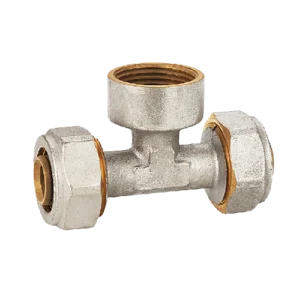
Our engineering team works closely with overseas distributors to design and manufacture check valves and manifold units that match local piping standards. Whether your application requires custom compression fittings for PE tubing, NPT female thread connections, or tailored solder joints, our design division adapts body profiles to simplify installation and reduce on-site labor requirements.
As building automation and smart cities gain momentum, the plumbing and HVAC sectors must adapt. We are developing the next generation of fluid control solutions that combine mechanical reliability with digital connectivity. Our technology roadmap focuses on three main developmental fronts:
Integrating micro-pressure sensors and IoT communication modules within manifolds and check valve assemblies to monitor pressure differentials and alert facility managers of potential backflow events.
Pioneering bismuth-based and silicon-alloyed lead-free brass formulations that maintain standard tensile strength and machineability while exceeding global environmental health safety mandates.
Utilizing advanced Computational Fluid Dynamics (CFD) modeling to redesign spring-loaded disc geometries, reducing pressure drops by up to 15% compared to older check valve patterns.