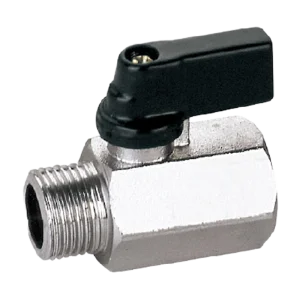
Yongda Yongda

ODM Dual Check Valve Manufacturers & Exporters

Precision-Engineered Backflow Prevention Systems & Fluid Control Technology for Global Distributors, HVAC Engineers, and Water Utility Infrastructure.

Industry Whitepaper: The Strategic Importance of Dual Check Valves

Advancements in Backflow Prevention Technology, Environmental Regulations, and Global Sourcing Standards.

Evolution & Trends

Emerging Trends in Global Dual Check Valve Engineering

Dual check valves are crucial mechanical backflow preventers, utilizing two independently operating spring-loaded check valves to isolate systems and prevent reverse flow. As global water grids face heightened pollution risks, regulatory bodies are tightening codes to mandate dual check valves in commercial, residential, and HVAC systems.

Key market trends driving technological progress include:

  • Lead-Free Brass Alloy Compliance: Stringent laws like NSF/ANSI 61 and Safe Drinking Water Acts in North America and Europe require transition to lead-free brass (e.g., C46500, CW724R) to eliminate heavy metal contamination.
  • Optimized Hydrodynamic Geometries: Internal chambers are designed via Computational Fluid Dynamics (CFD) to reduce pressure drop across the valve while maintaining reliable resealing capabilities.
  • Advanced Polymer Integration: Using high-temperature engineering polymers such as PPSU and premium EPDM/NBR seal compounds ensures structural integrity and chemical resistance across thermal ranges.
Dual Check Valve Design and Testing Profile
Procurement Analysis

Global Procurement Requirements for Industrial Buyers

Procuring valves for large-scale plumbing, district heating, or utility projects requires rigorous validation of manufacturers. Global OEM/ODM buyers prioritize partner transparency, quality systems, and supply stability:
  • Strict Mechanical Testing: Sourcing managers require documentation for cycle testing (exceeding 100,000 operations), burst pressure tests, and low-pressure seal integrity (bubble-tight sealing at less than 0.5 psi backpressure).
  • Regulatory Certifications: Exporters must present verified certifications such as ASSE 1024, CSA B64.6, EN 1717, and CE markings for compliance with various municipal building codes.
  • Scalability and Lead Times: Factories must showcase vertical production capacity—from hot forging and precision CNC machining to automated assembly and computerized pressure decay testing.
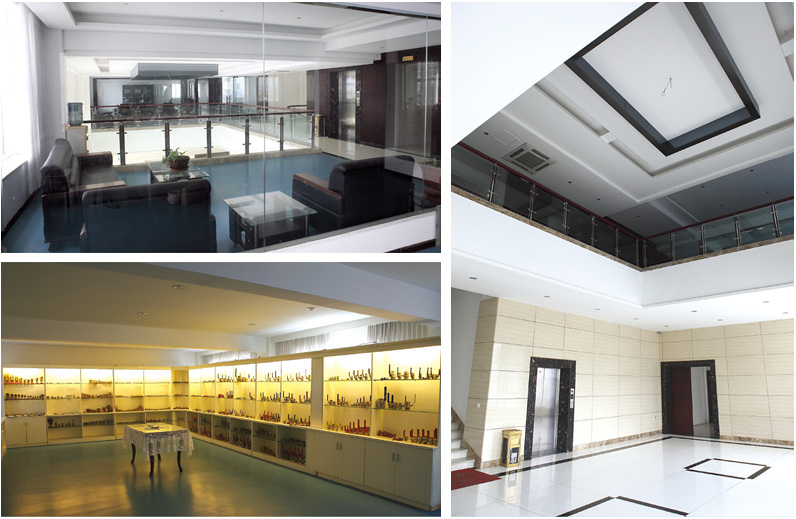
Advanced Valve Manufacturing Facility
1996
Founded In
45,000+
Factory Area (sq.m.)
600+
Advanced Machinery Sets
20+
Exported Countries

Company Overview & Manufacturing Heritage

Yuhuan Yongda Fluid Control Co., Ltd. (formerly Yuhuan Yongda Plumbing Co., Ltd.) is a key hub for global fluid distribution components.

Pioneering Valve capital - Yuhuan, Zhejiang

Founded in 1996, Yuhuan Yongda Fluid Control Co., Ltd. has established itself as an industry leader in designing and manufacturing brass valves, fittings, and HVAC products. Strategically headquartered in Yuhuan, China's valve capital, we bridge the gap between advanced Chinese production efficiency and rigorous Western quality standards.

With a sprawling factory footprint of over 45,000 square meters (actual usable space reaching 80,000 square meters) and a dedicated workforce, the factory is equipped to handle complex OEM/ODM projects from concept drafting to finished container dispatch.

Our product lineup is positioned for the mid-to-high-end segment, prioritizing eco-friendly lead-free brass constructions, making them preferred choices in North American and European plumbing networks.
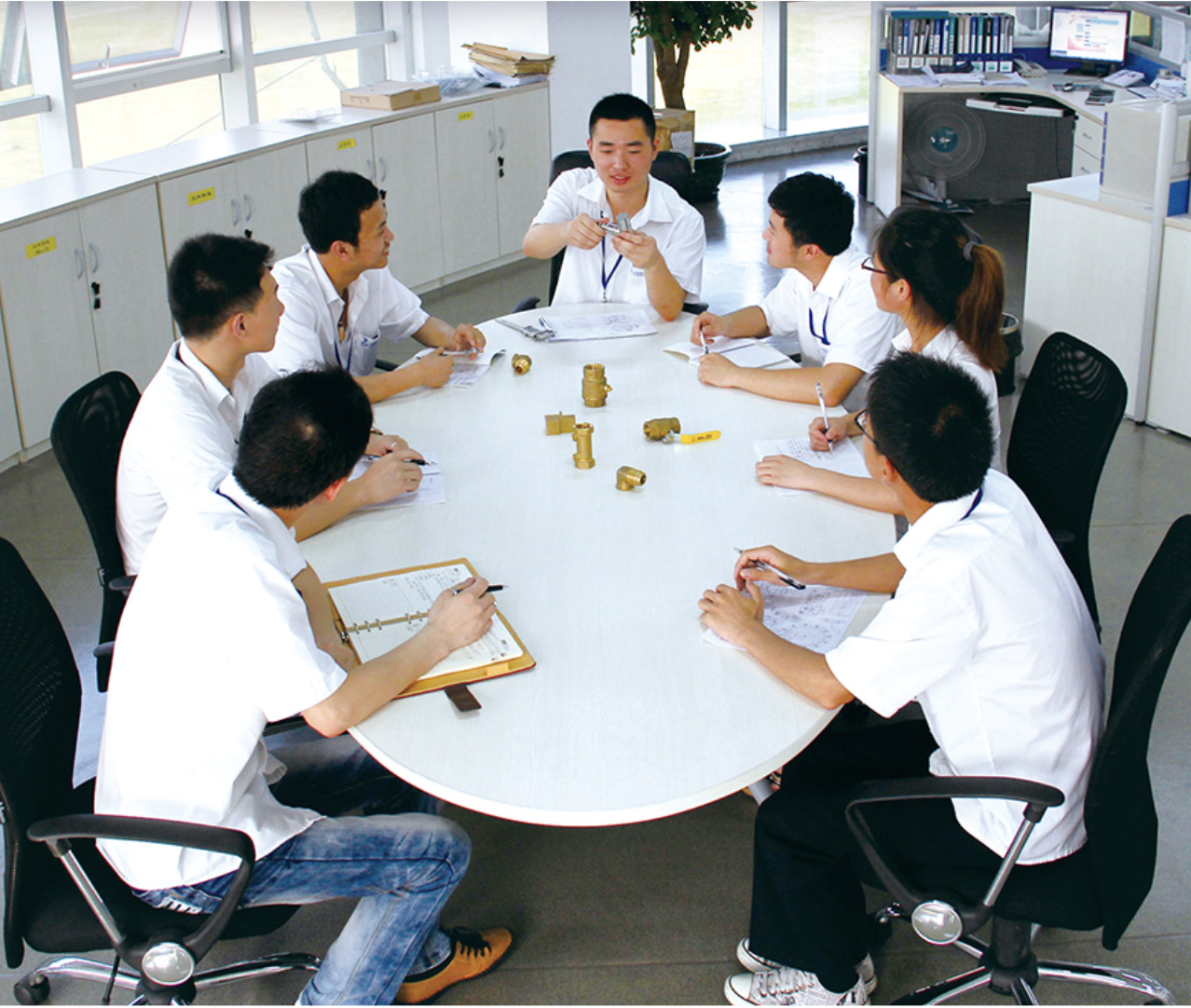
Corporate Manufacturing Facility

The Cokaren Brand Promise

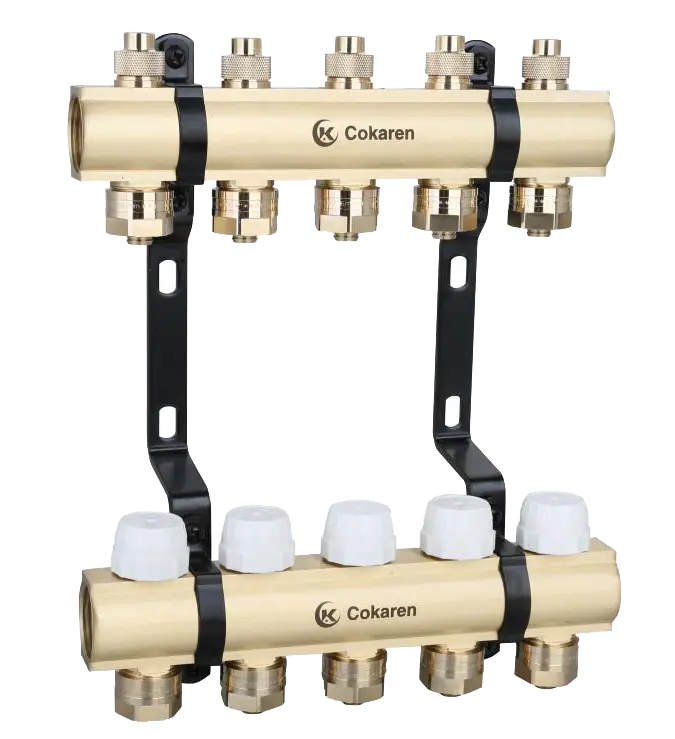
Cokaren, our premium brand, focuses on delivering fluid control products with refined aesthetics and high quality. Operating under the brand promise "keep flowing, keep warming", Cokaren produces water system accessories designed to optimize efficiency in modern homes and commercial spaces.

Cokaren integrates smart IoT heating solutions and modern energy-distribution manifolds to lead the brand's path to becoming a world-class standard in HVAC and residential plumbing engineering.

Quality Control Inspection of Valves

Custom OEM/ODM Engineering & Technical Capacities

How our advanced manufacturing and quality assurance frameworks support precision engineering requests.

⚙️

Precision Hot Forging

Utilizing multi-ton friction presses and induction heating systems, we forge high-density brass bodies free from porosity, micro-cracking, or structural weak points, providing high burst-resistance.

🧪

Metallurgical Laboratory

Equipped with optical emission spectrometers, we test each batch of raw materials to verify compliance with North American Lead-Free (<0.25% Pb wet surface) and European DZR brass specifications.

📈

100% Pressure Decay Test

Instead of manual water tank dunking, our automated test benches use differential pressure decay sensors to check seal integrity, detecting leaks down to 0.1 sccm (standard cubic centimeters per minute).

Technological Roadmap & Future Developments

Our strategic roadmap aligns with developments in smart buildings, IoT water management, and sustainable manufacturing.

2024 - 2025
Eco-Material Engineering & Next-Gen DZR Brass Alloys
Expanding lead-free brass formulations to match the European Drinking Water Directive (DWD) requirements, incorporating bismuth and silicon replacements to preserve structural machinability.
2025 - 2026
IoT-Enabled Check Valves & Smart Flow Diagnostic Integration
Co-developing diagnostic check valves with integrated sensors to monitor internal spring tension, flow direction, and pressure drops, notifying BMS networks of maintenance needs before backflow issues arise.
2027 & Beyond
Zero-Carbon Hydronic Control Manufacturing Facilities
Upgrading casting, extrusion, and forging plants to incorporate high-efficiency electric induction heaters and solar-assisted grids, targeting a 40% reduction in production carbon footprints.

Frequently Asked Questions (FAQ)

Answers to critical questions on mechanical specifications, material selections, and regulatory standards.

What is the mechanical difference between a single check valve and a dual check valve?
A single check valve uses one internal barrier (such as a disc, ball, or swing flapper) to prevent backflow. If debris becomes lodged in the seal, it will leak. A dual check valve utilizes two independently operating, spring-loaded check valves in series. If one valve fails or is blocked, the second check valve serves as a backup to prevent backflow. This design is required for connections containing potential cross-contamination hazards.
Which standards must an ODM Dual Check Valve comply with for North American and European markets?
In North America, dual check valves for domestic water supply lines must comply with ASSE 1024 / CSA B64.6 standards and use materials certified under NSF/ANSI 61 and NSF 372 (lead-free compliance). In Europe, they must meet the requirements of EN 1717 (specifically Type EC backflow preventers) and use materials approved by WRAS (UK), ACS (France), or DVGW (Germany).
Why is lead-free brass critical for commercial valve manufacturing?
Standard brass contains lead to improve machining processes. However, lead can leach into drinking water over time. Modern plumbing codes mandate that any component in contact with potable water must have a weighted average lead content of less than 0.25%. Utilizing alloys such as C46500 or lead-free bismuth brass ensures health compliance and helps prevent legal liabilities.
What are the common causes of check valve failure, and how does Yongda address them?
The two most common failure modes are spring fatigue and seal degradation due to scale buildup or chemical exposure. Yongda uses stainless steel springs (SUS302 or SUS316) designed for millions of cycles without losing tension. Additionally, our seals are made from high-grade, peroxide-cured EPDM or FKM elastomers, which resist mineral scale buildup and thermal degradation.
What custom ODM services are available for special industrial designs?
Our ODM service covers custom thread profiles (NPT, BSPT, G-threads), body design adjustments to fit compact enclosures, specialized spring cracking pressures (from 0.5 psi up to 5 psi), and custom laser-marking or branding. We also offer specialized packaging options for direct assembly line integration.
How does a dual check valve contribute to energy efficiency in hydronic heating systems?
By preventing backflow, dual check valves maintain design thermal zoning and prevent unwanted thermal convection. This ensures hot water does not bleed back into cold zones during system off-cycles, reducing boiler energy loss and improving system control.