 Yongda
Yongda
Yongda
Advanced valves and brass components tested under high-pressure gas and thermal distribution parameters.
A trusted manufacturing partner delivering high-performance fluid control mechanisms across global markets.
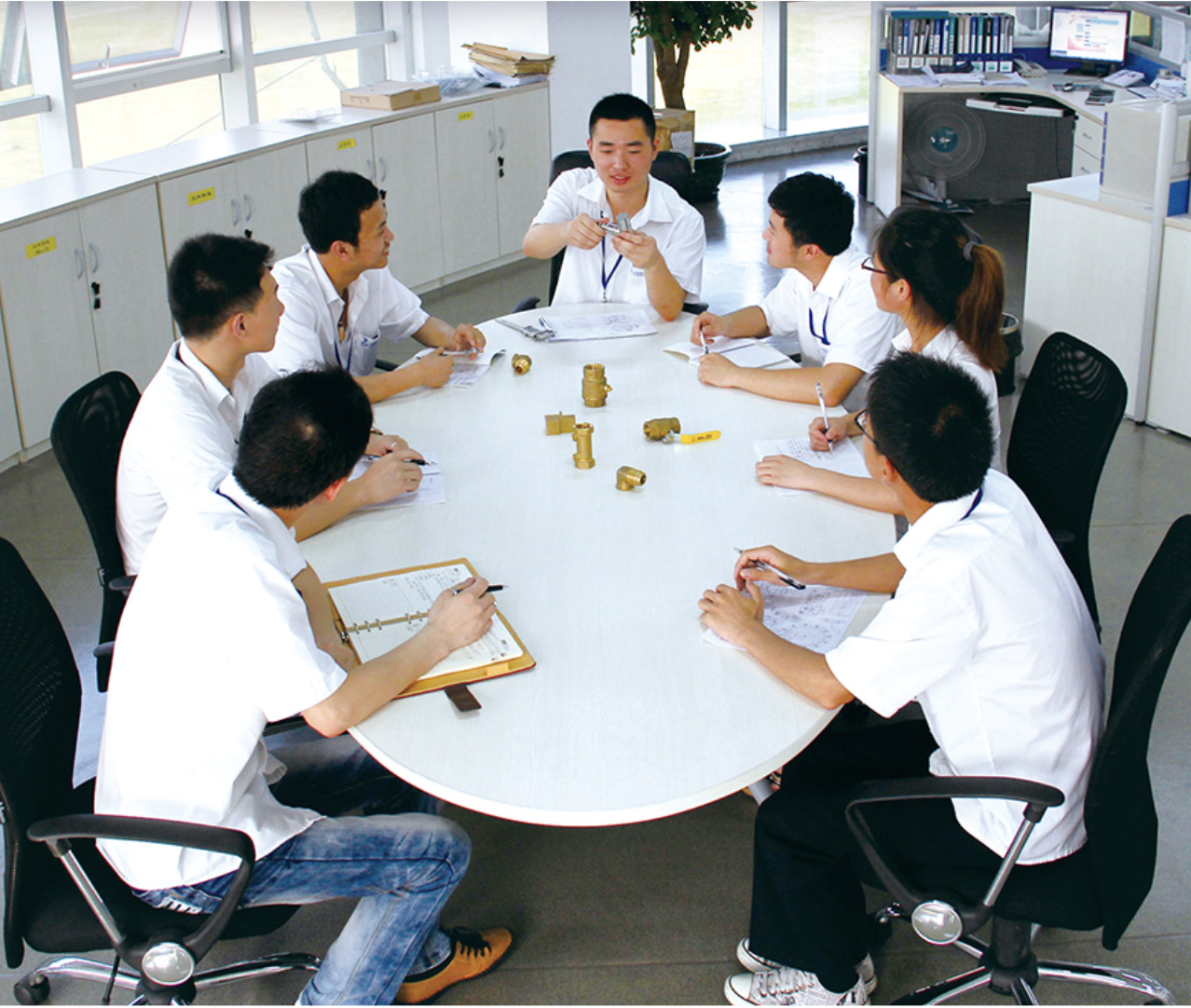
Founded in 1996, Yuhuan Yongda Fluid Control Co., Ltd. (formerly known as Yuhuan Yongda Plumbing Co., Ltd.) has positioned itself as an industry leader in the "China Valve Capital" — Yuhuan, Zhejiang. The company integrates high-level product design, advanced engineering development, large-scale production, and global commercial sales into a single specialized entity. Over the last 27 years, we have optimized our supply chains to offer exceptional solutions in three distinct areas: brass valves, industrial pipe fittings, and integrated HVAC products.
Yongda occupies a sprawling facility spanning over 45,000 square meters, with an actual usable construction area exceeding 80,000 square meters. The plant operates more than 600 sets of advanced manufacturing and testing equipment, including 80 sets of high-precision specialized CNC machine tools. This infrastructure allows us to adapt to customized specifications, resulting in long-term export relationships in over 20 countries.

In the global supply chain for gas distribution systems, China’s industrial clusters—particularly in Yuhuan, Zhejiang—provide unprecedented strategic advantages for global B2B buyers. The geographical integration of raw material processing, automated forging, precision CNC machining, and quality assurance laboratories allows factories like Yuhuan Yongda to execute complex ODM orders efficiently.
We source premium brass alloys (including CW617N, CW614N, and lead-free varieties) to construct our gate valves. Utilizing high-tonnage hot forging machines instead of sand casting eliminates internal porosity, gas pockets, and structural weaknesses that could compromise safety under pressure. Furthermore, local manufacturing ecosystems lower logistical overhead, enabling us to deliver certified gas gate valves at highly competitive price points.
The global fluid control industry is experiencing two macro-environmental transitions: the integration of smart systems and the switch to hydrogen-blend gases. Gate valves utilized for municipal gas lines must now support higher sealing performance due to the smaller atomic size of hydrogen. Our engineering team is focusing on developing hydrogen-ready valve seals that prevent leakage and degradation over extended service lives.
Additionally, the adoption of IoT sensors and automated electric actuators allows operators to monitor municipal flow rates, pressure differentials, and system integrity in real-time. By manufacturing components compatible with smart actuators, Yongda helps utility firms build reliable, digitized municipal networks.
| Parameters | Standard Specifications | Yongda ODM Customizations |
|---|---|---|
| Alloy Grade | CW617N, CW614N, HPb59-1, C37700 | Low-lead / DZR (Dezincification Resistant) Brass |
| Pressure Rating | PN10, PN16, PN25 (MOP 5) | Up to PN40 for specialized industrial pipelines |
| Thread Standard | ISO 228 (BSP), ANSI B1.20.1 (NPT) | Custom NPT/BSP thread depths with ISO verification |
| Sealing Element | NBR, EPDM, Viton (FKM) | Double Viton O-rings for high-temperature gas applications |
| Standards Compliance | EN 331, BS 5154, ASTM F1807 | Fully certified custom ODM matching target markets |
Explore our system diagrams and proprietary fluid control configurations engineered for reliable heating and gas delivery.


The first line of defense in domestic water sanitation, designed to filter up to 98% of particulate impurities in distribution pipelines.
Learn More System Details →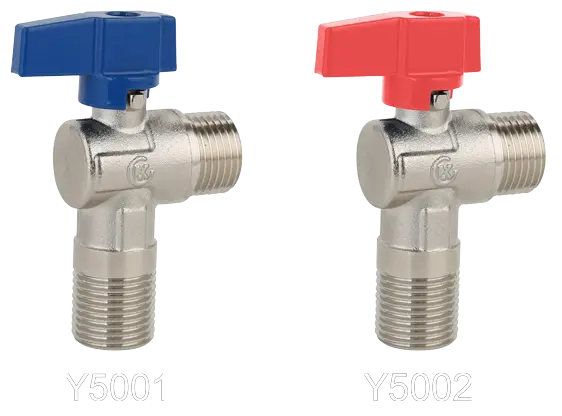
Controls the inflow and outflow of cold and hot water in boiler systems, featuring a high-durability spherical spool.
Learn More System Details →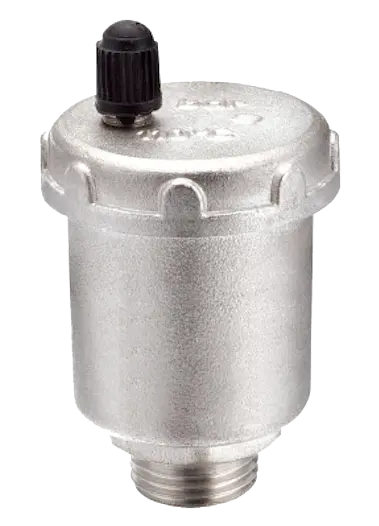
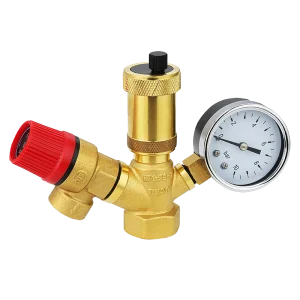
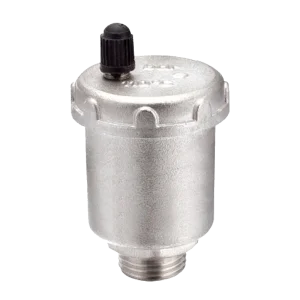
Discharges trapped air from heat pumps and water systems to prevent cavitation and maintain structural system pressure.
Learn More System Details →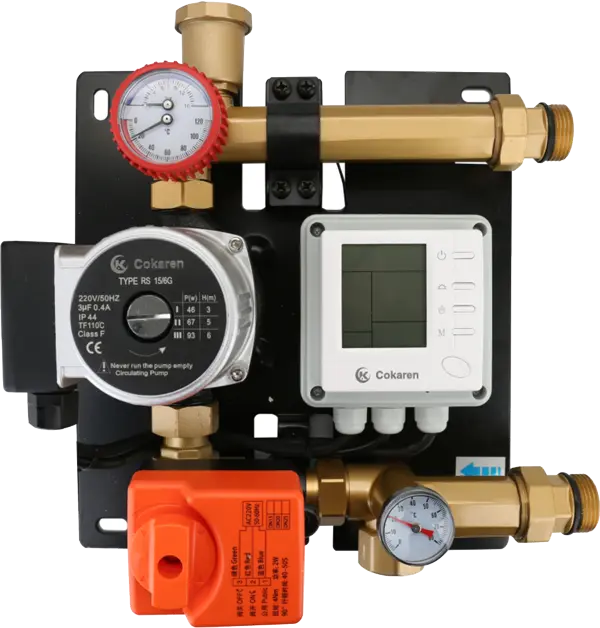
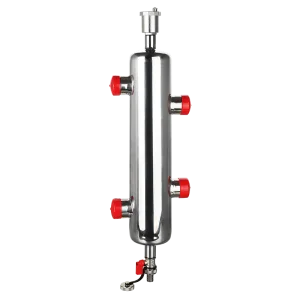
Combines cold and hot return water in hydronic lines, stabilizing delivery temperatures and protecting pipelines from thermal stress.
Learn More System Details →
Coordinates system operation to regulate room temperatures via digital feedback loops.
Learn More System Details →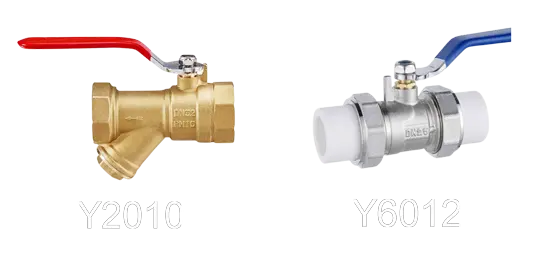
Filters debris, controls manifold switches, and measures localized pressure and temperature within floor heating configurations.
Learn More System Details →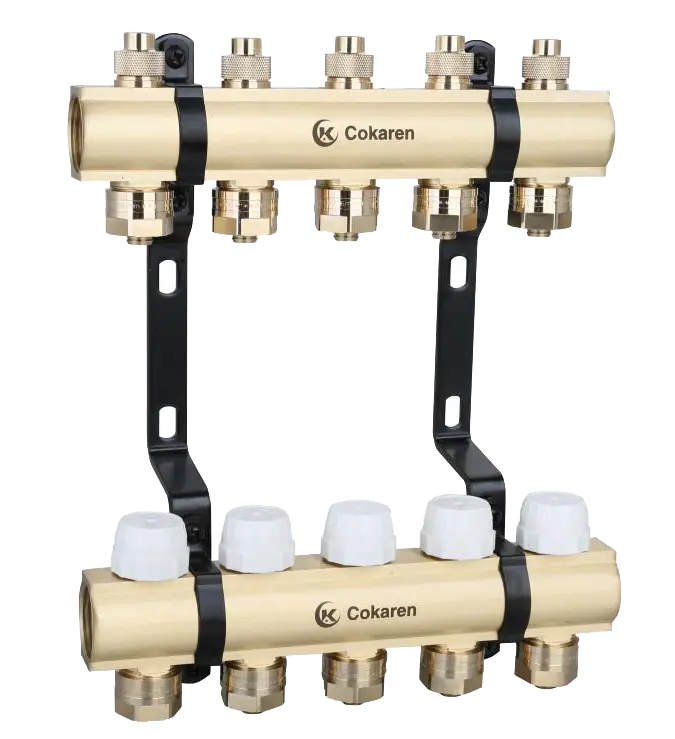
Distributes flow to multiple heating zones, integrating balancing valves to ensure uniform thermal distribution.
Learn More System Details →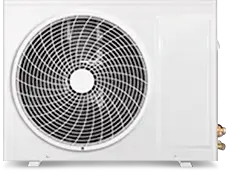
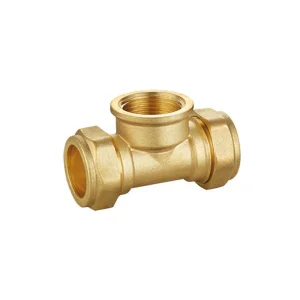
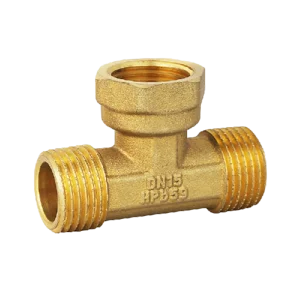
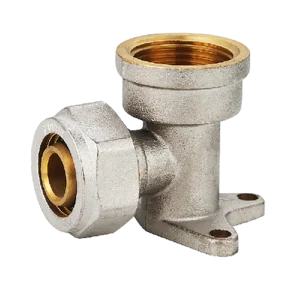
Essential connection accessories engineered to interface with brass gate valves and manifold end units.
Learn More System Details →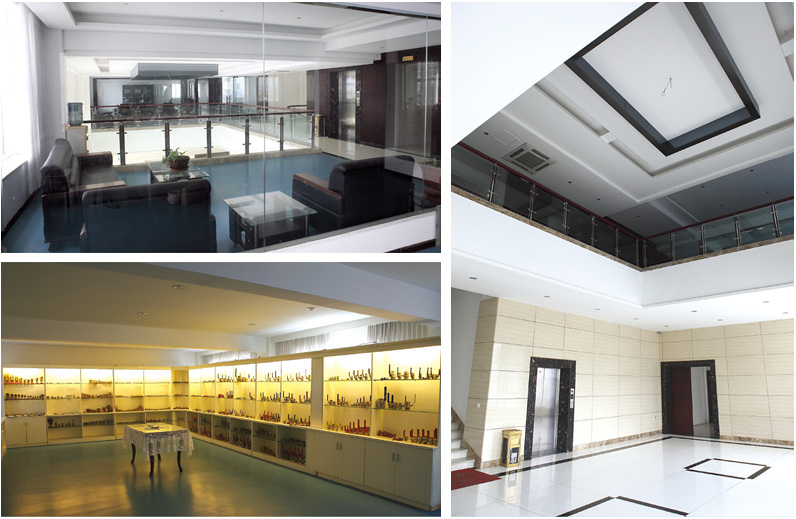
Cokaren, Yongda's premium brand, develops refined and durable fluid control products. Guided by the core promise to "keep flowing, keep warming," Cokaren produces water and gas distribution accessories that improve safety and comfort in residential and commercial spaces.
Backed by Yongda's production infrastructure, Cokaren implements a growth strategy to deliver premium engineering, zero-defect quality, and prompt customer service on a global scale.
Gas supply systems require distinct valve configurations depending on regional standards and environmental conditions:
B2B procurement teams evaluating ODM partners must verify quality protocols. Yongda maintains consistent standards through several key steps:
100% Pressure Testing: Every gas gate valve undergoes dual pressure tests (pneumatic and hydrostatic) to ensure a bubble-tight seal under varying conditions. The factory has a target leak rate of 0% for all delivered batches.
Traceability of Raw Materials: We perform spectrographic analysis on each incoming batch of brass scrap and billets to verify alloy integrity before production. This ensures consistent mechanical properties and compliance with lead-free regulations.
Advanced Production and Tooling: Our factory operates automated CNC machining centers with precise tolerances, guaranteeing consistent thread dimensions and concentricity across high-volume production runs.
Yongda aligns its manufacturing practices with a clear corporate philosophy: Struggle, Enterprising, Pragmatic, and Innovative. Our foundational quality policy, "Fine work, no leakage," informs every stage of our production process, from design to final inspection.
By investing in employee welfare, skill development, and clean manufacturing technologies, we seek alignment between company growth, environmental sustainability, and personal happiness.
High-demand valve configurations built for residential gas piping, HVAC distribution networks, and commercial heating systems.
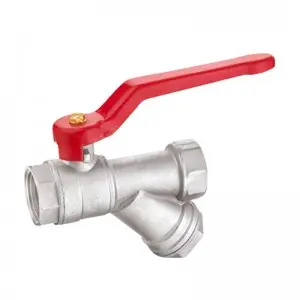
Combines reliable shutoff capabilities with an integrated mesh filter to remove particulates, protecting downstream meters and regulators.
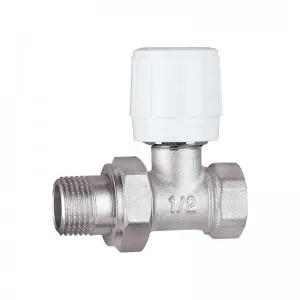
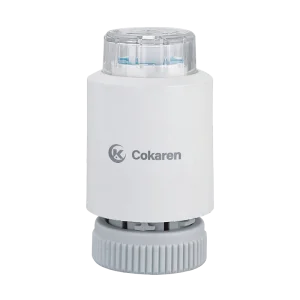
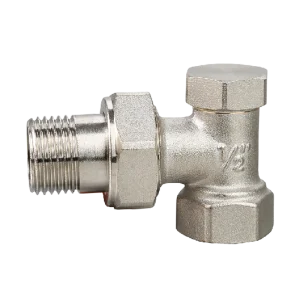
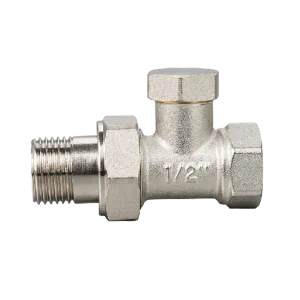
Designed for heating systems, allowing manual or automated regulation of flow rates to maintain consistent room temperatures.
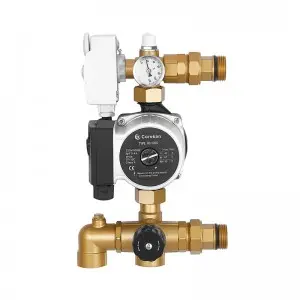
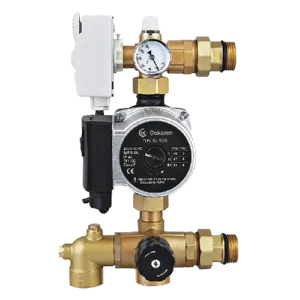
Regulates water temperature in underfloor heating systems by mixing hot feed water with cooler return water.
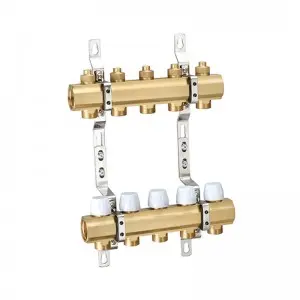
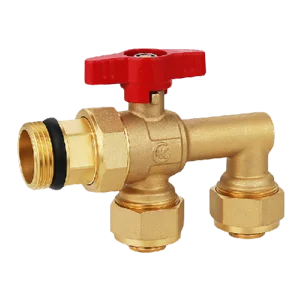
Distributes flow to multiple heating zones, incorporating individual balancing valves for uniform pressure.
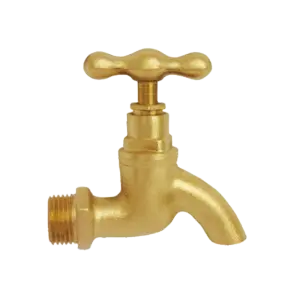
A durable brass outdoor tap featuring heavy-duty construction and anti-corrosive finishes for long-term exterior use.
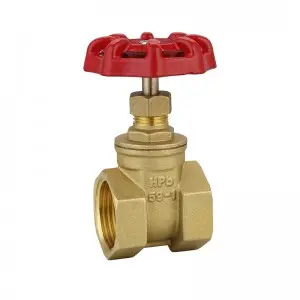
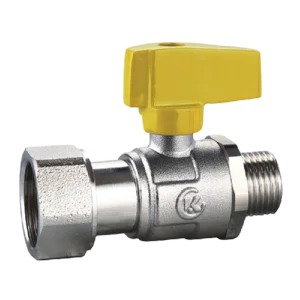
Features a straight-through flow design that minimizes pressure drop, ideal for isolation applications in gas and water lines.
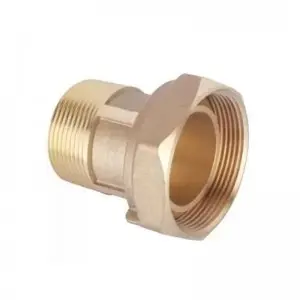
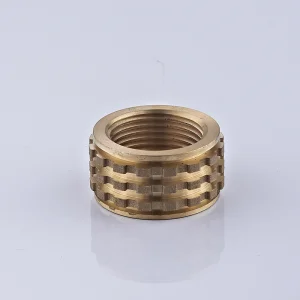
Precision-threaded brass connection tubes designed to interface with municipal water meters, preventing installation stress.
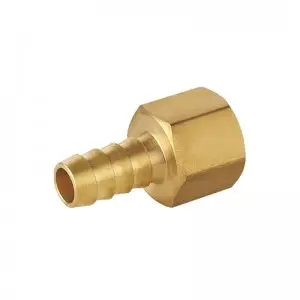
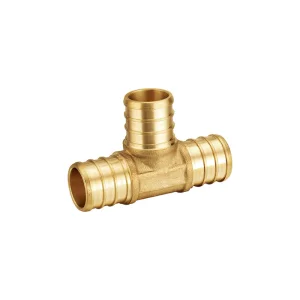
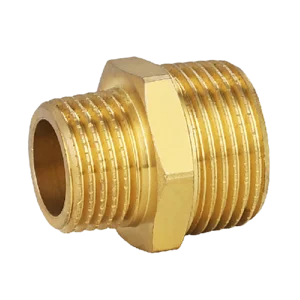
Manufactured to standard US specifications, providing secure connections for flexible tubing in industrial and residential systems.
Professional engineering answers on design, materials, and international standards compliance.
Forging subjects brass to high pressure, aligning its grain structure and increasing density. This process eliminates internal voids, gas pockets, and micro-porosity, which are common in sand casting and can lead to minor leaks under gas pressure. Forged brass also offers higher tensile strength, helping valves withstand the mechanical stress of installation and piping expansion.
Natural gas and LPG carry hydrocarbons that can degrade standard rubber seals. Nitrile Butadiene Rubber (NBR) offers good resistance to gas and petroleum products at standard temperatures. For high-temperature or critical applications, Viton (FKM) is preferred due to its chemical resistance, low gas permeability, and performance across a broad temperature range.
Ball valves use a rotating sphere to provide quick, quarter-turn shutoff, making them popular for residential services. Gate valves use a linear wedge mechanism to open or close, offering a straight-through flow path with minimal pressure drop when fully open. Because they open and close slowly, gate valves also reduce the risk of water hammer in liquid lines.
We use specialized low-lead and lead-free brass alloys, such as bismuth- or silicon-alloyed brass, which meet NSF/ANSI 61 and Safe Drinking Water Act standards. We analyze raw materials using optical emission spectrometers before forging, ensuring that lead content remains within allowable limits for potable water and environmental safety.
Gas valves must undergo pneumatic testing using air or nitrogen to check for leakage at both low and high pressures. They are also subjected to shell strength tests, torque testing to verify ease of operation, and temperature cycling to ensure the seals function reliably in cold and hot environments. Certified valves must meet international standards such as EN 331, CSA, or UL.
Manifolds use differential pressure bypass valves to maintain stable flow rates. When zone actuators close, pressure in the manifold increases. The bypass valve detects this difference and opens, returning excess water to the boiler loop. This helps protect the circulation pump, reduces noise in the system, and balances heat distribution.
A selection of certified brass fittings, control actuators, and plumbing accessories from our Yuhuan factory.