 Yongda
Yongda
Yongda
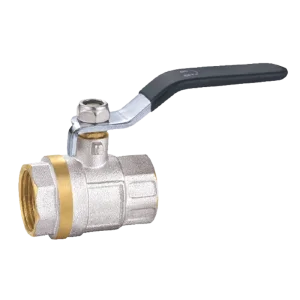
In modern industrial and commercial infrastructure design, safety is not merely a feature; it is an absolute requirement. In security-sensitive operations where unauthorized fluid control could trigger environmental hazards, mechanical destruction, or legal liabilities, the locking ball valve represents the primary line of defense. As a specialized engineering device, it allows systems to be locked in the closed, open, or partially throttled positions using key lock systems or padlocks. This function is vital for locking out systems during standard maintenance procedures, ensuring that maintenance engineers do not work on live fluid loops.
Through our dedicated Original Design Manufacturer (ODM) and OEM capabilities, we provide tailored locking ball valve mechanisms that balance robust physical containment with exact specifications. From lead-free chemical-compliant alloys to custom-designed locking tabs that suit modern Lockout-Tagout (LOTO) protocols, our service addresses the detailed challenges faced by global industrial procurement networks.
"According to OSHA standard 29 CFR 1910.147, control of hazardous energy requires secondary mechanical locking on liquid and gas valves. Non-compliant fluid distribution loops account for a significant percentage of process-related maintenance hazards."
Across North America, Europe, and developed markets in Asia-Pacific, the requirement for lockable valve mechanisms has grown substantially due to strict environmental mandates and worker safety regulations. Traditional ball valves rely on friction or visual orientation, leaving operations vulnerable to human error or malicious interference. In public water grids, commercial multi-unit residential structures, and HVAC installations, lockable valves prevent tampering, unauthorized tapping, and accidental bypasses.
Furthermore, material composition restrictions (such as California Prop 65, NSF/ANSI 61, and European Union DZR standardizations) demand that valves use optimized alloys. Material purity directly influences the tensile strength of the valve and its resistance to stress-corrosion cracking (SCC) under high pressure. Consequently, B2B buyers must partner with manufacturers that can produce customizable alloys tailored to regional compliance frameworks.
Our manufacturing plant, Yuhuan Yongda Fluid Control Co., Ltd. (founded in 1996), is located in Yuhuan, Zhejiang—widely recognized as the "China Valve Capital." This geographical cluster provides access to an established and highly specialized supply chain ecosystem. From raw material smelting and precision rod extrusion to high-tonnage hot forging, automated surface treatment, and precision CNC machining, every element of the value chain is optimized locally.
This localized efficiency enables us to respond quickly to ODM/OEM requests. Our facility features more than 600 sets of advanced manufacturing and inspection equipment, including 80+ dedicated special-purpose machine tools. By reducing transit times for internal tooling development, we can move new lockable valve designs from concept models to physical, pilot-tested samples faster than most western competitors.
Our premium brand, Cokaren, operates under a clear focus: "Keep flowing, keep warming". Cokaren focuses on designing products with refined aesthetics and enhanced mechanical safety profiles, delivering dependable water system accessories that integrate seamlessly into high-performance smart homes and commercial buildings.

A high-performance energy distribution system demands synchronized system components working together. We manufacture specialized integration devices that complement our central valve product lines, protecting system integrity from boiler feed lines to radiant distribution networks.


Acts as the primary line of filtration in domestic water sanitation, removing up to 98% of particulate impurities in the pipeline.
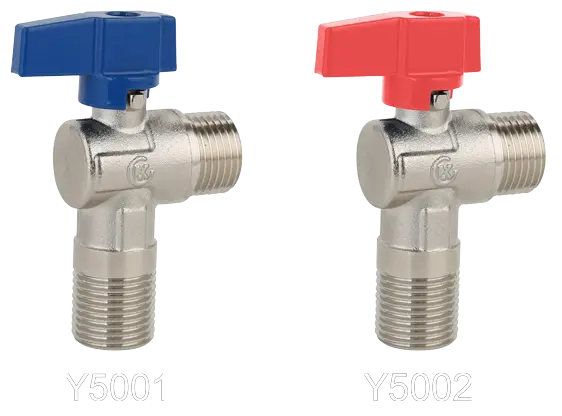
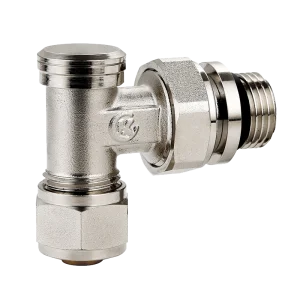
Designed to control boiler cold and hot water loops, utilizing a spherical spool for smooth cycling.
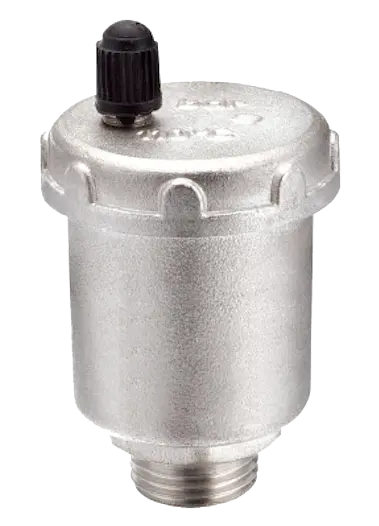
Automatically discharges trapped air from hydronic and heat pump systems to prevent cavitation and lockups.
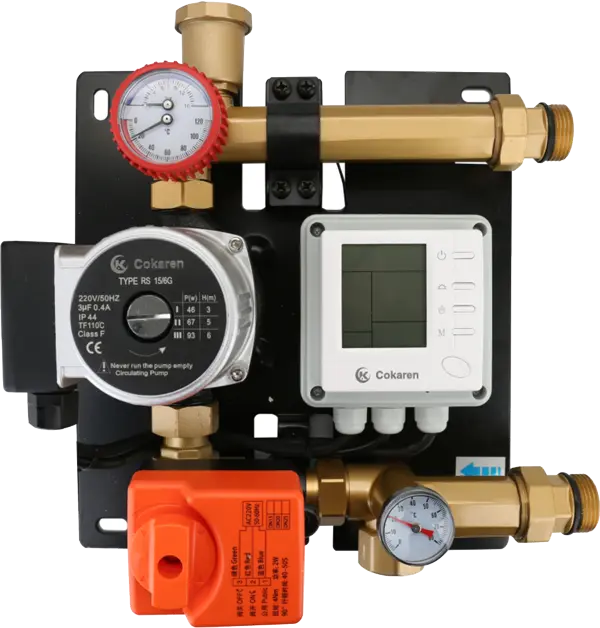
Proportionally blends hot supply water with cool return flow to stabilize loop temperatures and protect plastic piping systems.
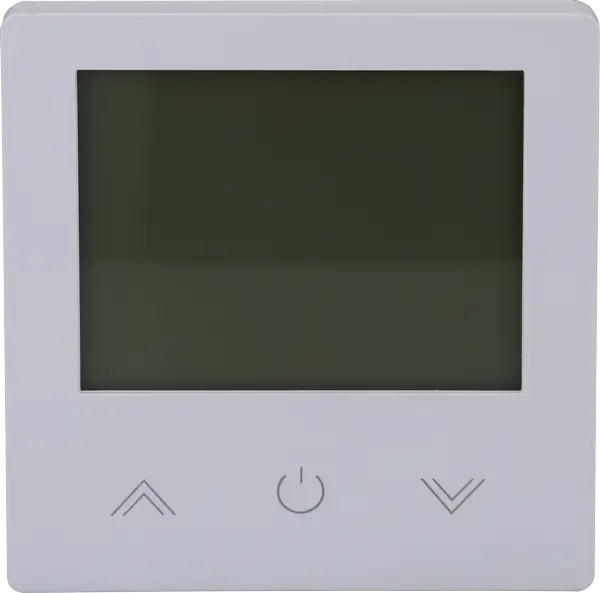
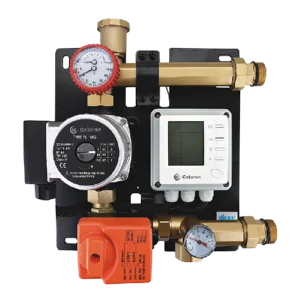
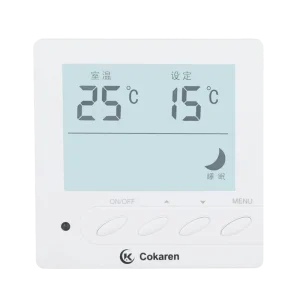
Intelligently coordinates multi-room underfloor zone controllers, optimizing boiler run cycles.
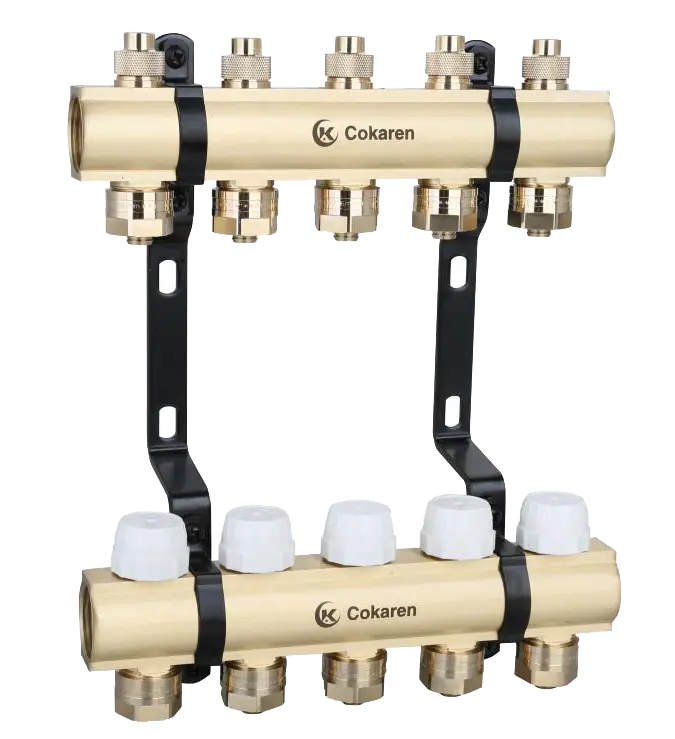
Directs water flow to various zones while offering independent flow regulation and differential balancing.
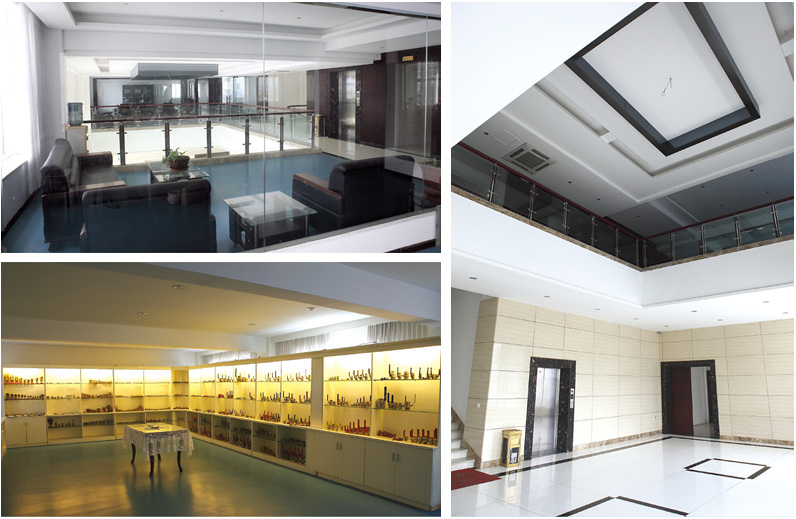
We believe that high-quality production is confirmed by verifiable mechanical performance. Yongda operates in compliance with several key industry standard certifications:
The global fluid control market is moving toward smart building integration and strict environmental requirements. Lead-free compliance (reducing lead levels in brass to below 0.25%) is becoming standard practice. At the same time, commercial facilities are requesting valves equipped with integrated sensors. In these setups, locking valves protect critical loops, while mechanical switches detect unauthorized attempts to change valve positions, sending alerts directly to security control rooms.
Restricts unauthorized usage in public parks, main distribution bypass lines, and construction environments, ensuring utility operations remain secure.
Provides clear, tamper-proof visual confirmation of locked lines, preventing accidents during down-time maintenance on industrial process pipelines.
Prevents tenant tampering with balancing valves and primary service entry manifolds in multi-unit buildings and large retail spaces.
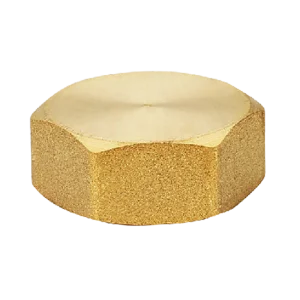
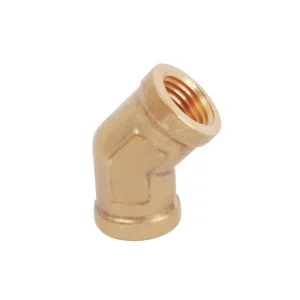
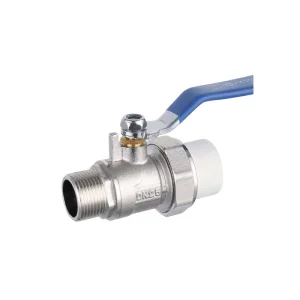
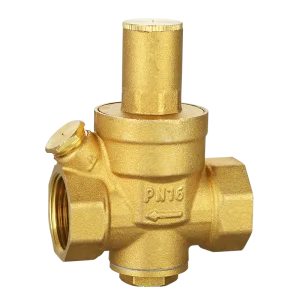
Standard ball valves use free-swinging handles that are easily turned, presenting safety risks in critical networks. Lockable valves feature integrated metal flanges, tabs, or removable keys that secure the valve handle to the main body, allowing the valve to be padlocked in position. This mechanism prevents tampering or accidental actuation during line maintenance.
Different markets have specific material requirements. For example, municipal drinking water applications in North America and Western Europe require lead-free brass (e.g., C46500 or CW724R) with less than 0.25% lead content. For environments prone to corrosion, dezincification-resistant (DZR) brass is specified to prevent mechanical failure of the locking components.
Operating out of the "China Valve Capital" provides access to a highly integrated industrial ecosystem. Tooling design, raw material supply, precision forging, CNC machining, plating, and certified testing laboratories are located in close proximity. This geographic concentration reduces logistical bottlenecks and optimizes overall production lead times.
Yes. Our ODM service designs and engineers custom locking plates to match specific padlock shackle clearances, multi-lock systems (hasps), and integrated electronic position indicator switches.