 Yongda
Yongda
Yongda
Discover our primary lineup of precision-engineered brass manifold connections, air vents, actuators, and pipeline connectors designed for reliable residential heating and municipal water systems.
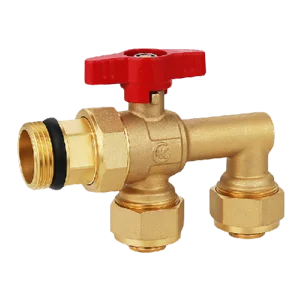
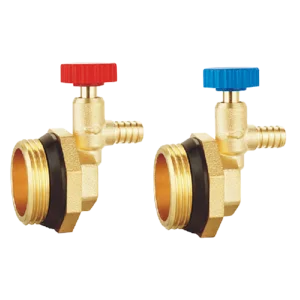
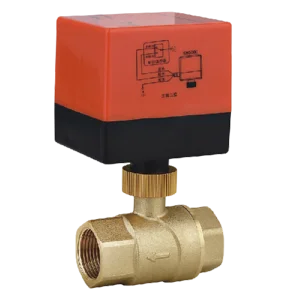
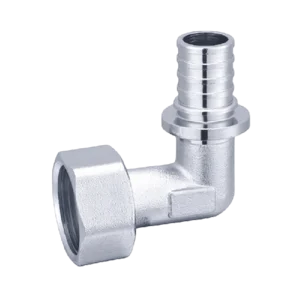
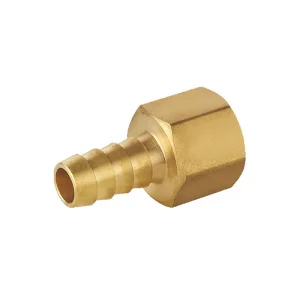
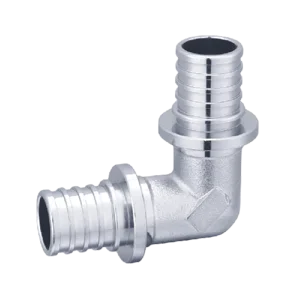
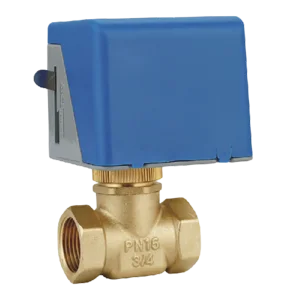
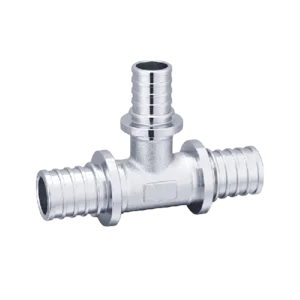
Within complex modern plumbing and industrial hydronic architectures, the selection of connection joints dictates the structural longevity, maintainability, and pressure thresholds of fluid control systems. Union valves represent a pinnacle configuration, allowing independent dismounting and service of sensitive regulation controls, such as actuators and heat meters, without disrupting adjacent structural pipework.
By implementing a triple-piece structure (consisting of two threaded tailpieces joined by a heavy-duty collar nut), union valves eliminate traditional installation stresses associated with rigid pipe rotational threads. In regions such as Western Europe and Northern America, strict building codes call for modular fluid control, accelerating the transition to high-precision forged brass unions. The inclusion of O-ring sealing surfaces (utilizing premium EPDM or fluorocarbon Viton gaskets) mitigates thread fatigue, yielding zero-leak performance metrics under continuous thermal cycles.

Engineered with DZR (Dezincification Resistant) Brass and premium copper alloys to prevent structural pitting in oxygen-rich sanitary warm water grids.
Facilitates rapid replacement and cleaning sequences without requiring extensive pipeline drainage or soldering processes.
Internal body geometries calculated using advanced finite element analysis (FEA) to reduce friction coefficients and turbulent flow wear.
Established over 25 years ago in the valve capital of China, Yongda continues to define precision engineering for global fluid systems.
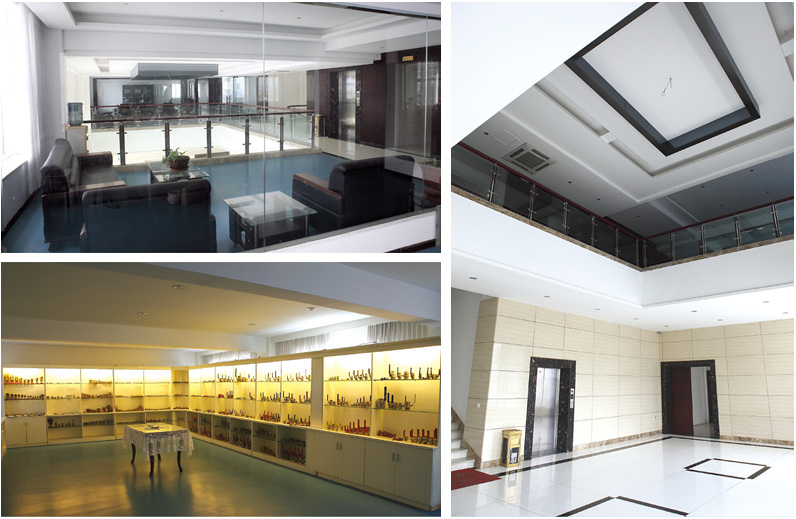
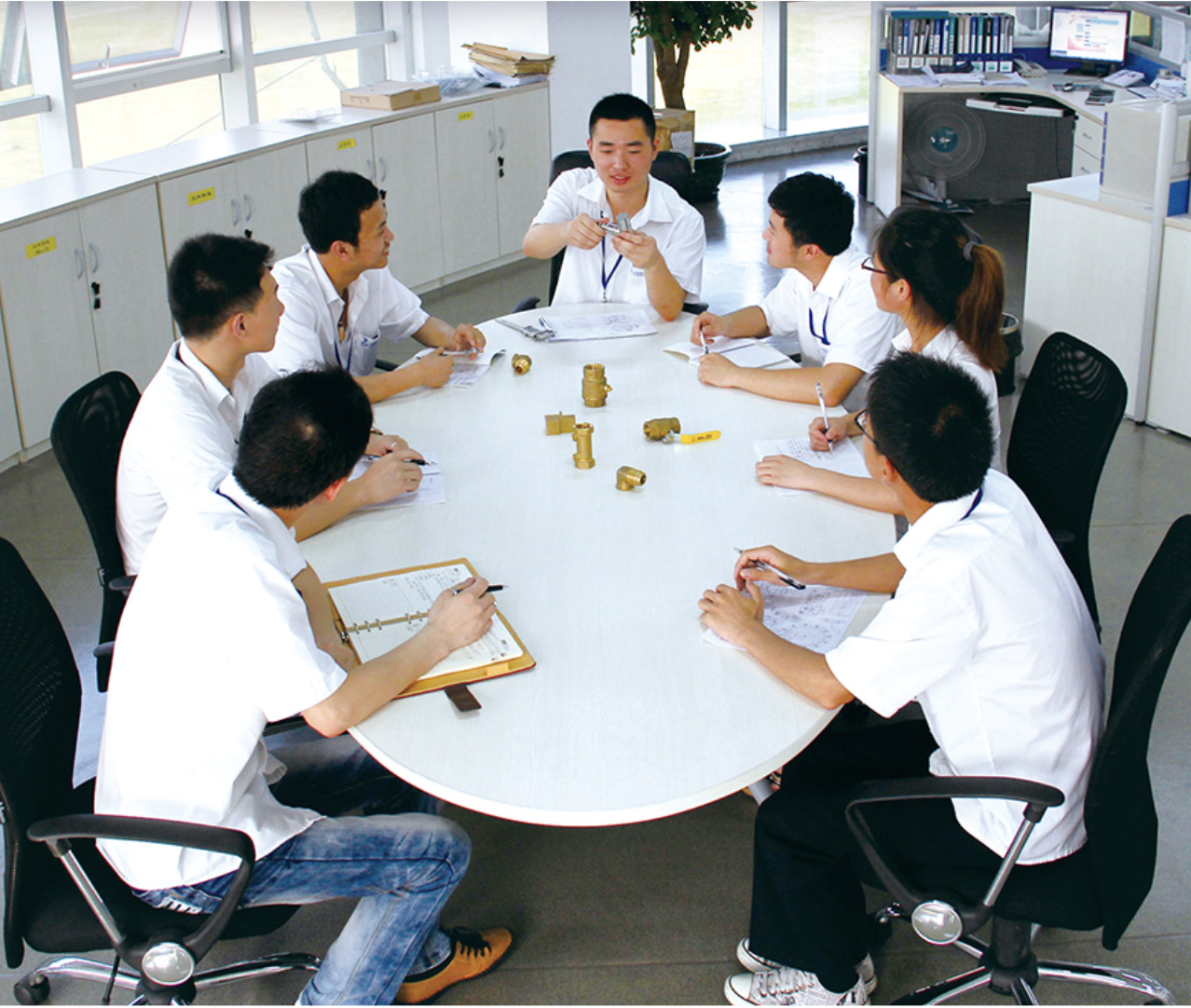
Yuhuan Yongda Fluid Control Co., Ltd. (formerly Yuhuan Yongda Plumbing Co., Ltd.) is located in the prominent industry hub of Yuhuan, Zhejiang. The enterprise has committed its technical scope to the comprehensive design, development, production, and worldwide sales of brass valves, fittings, and HVAC components. The factory layout spans an actual usable area of 80,000 square meters, supported by more than 600 sets of advanced machinery and testing devices, including 80 sets of specialized machine tools.
Our quality assurance program is validated by rigorous certifications: ISO9001-2015 (Quality Management), ISO14001-2015 (Environmental Management), and ISO45001-2018 (Occupational Health & Safety). Our products focus heavily on environmental sustainability and lead-free compliance, establishing a trusted footprint in North America, Europe, and neighboring fluid networks.
As the designated premium division of Yongda, the Cokaren brand was conceived to deliver sophisticated aesthetics, refined product design, and unrivaled reliability to high-end HVAC and sanitary warm water grids. The brand promise "keep flowing, keep warming" emphasizes a focus on thermal stability and robust pipeline protection. Cokaren continues to push engineering boundaries to establish itself as a recognized world-class fluid brand.
From water filtering at entry points to smart thermostatic zoning, our unified fluid solutions ensure optimal performance and long system life.

A complete depiction of our hydronic distribution layout, demonstrating how filtration units, motorized mixing valves, air vents, and smart manifolds collaborate to minimize thermal energy loss.

The first line of defense in domestic water sanitation, filtering 98% of line impurities.
Technical Specs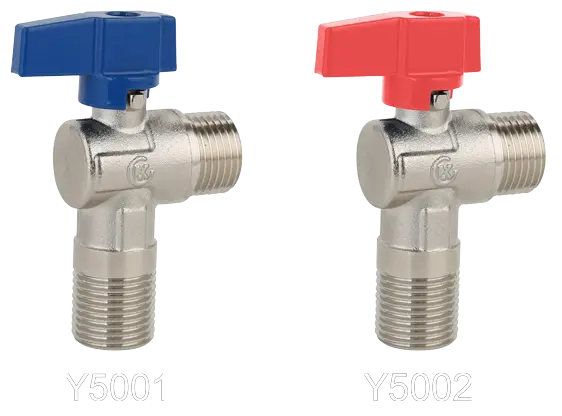
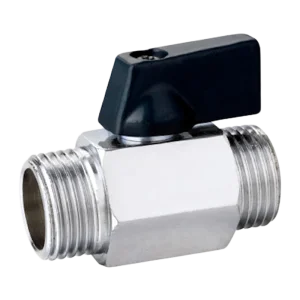
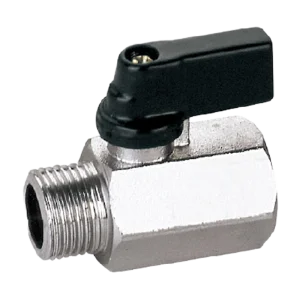
Controls hot/cold water cycles in central boilers using a low-friction spherical spool.
Technical Specs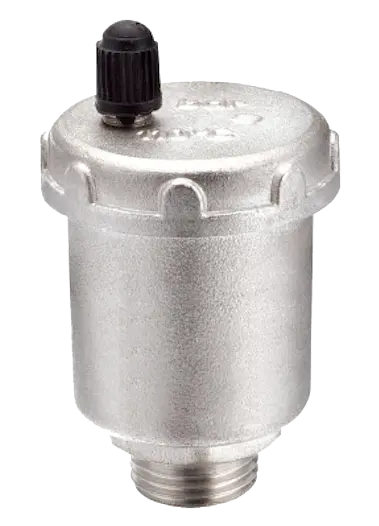
Ensures smooth pressure release and stable operation in heat pump loops.
Technical Specs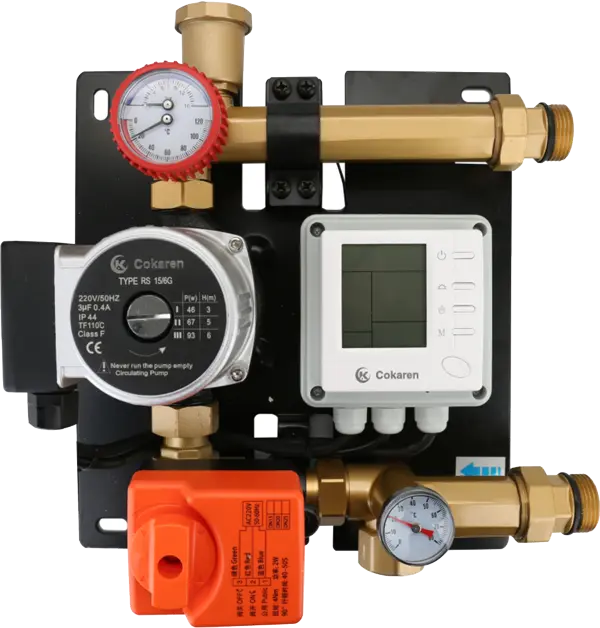
Stabilizes temperature fluctuations by combining fluid feeds to protect piping.
Technical Specs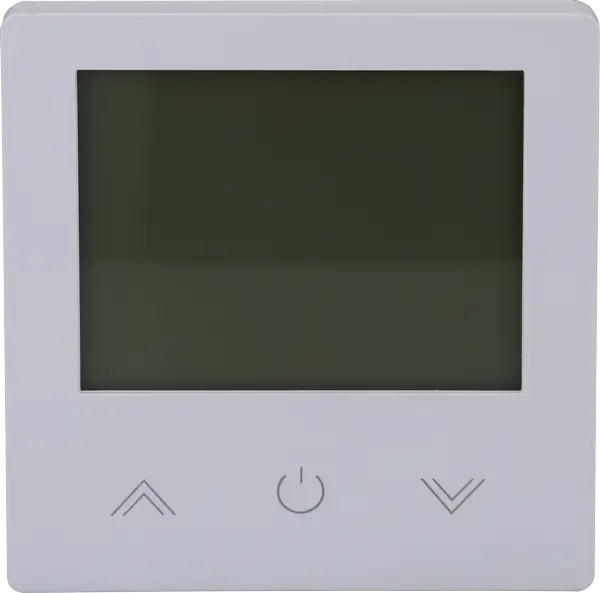
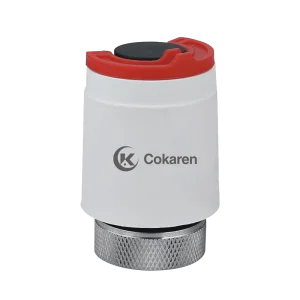
Integrates with central manifold systems to adjust regional temperatures dynamically.
Technical Specs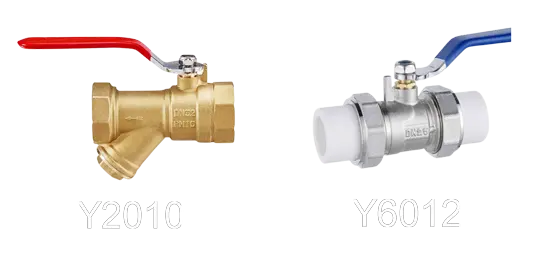
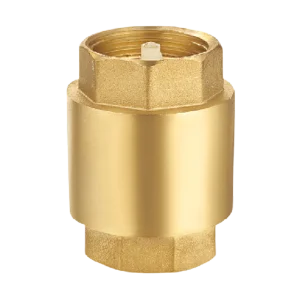
Monitors pressure differences and isolates circuits during maintenance cycles.
Technical Specs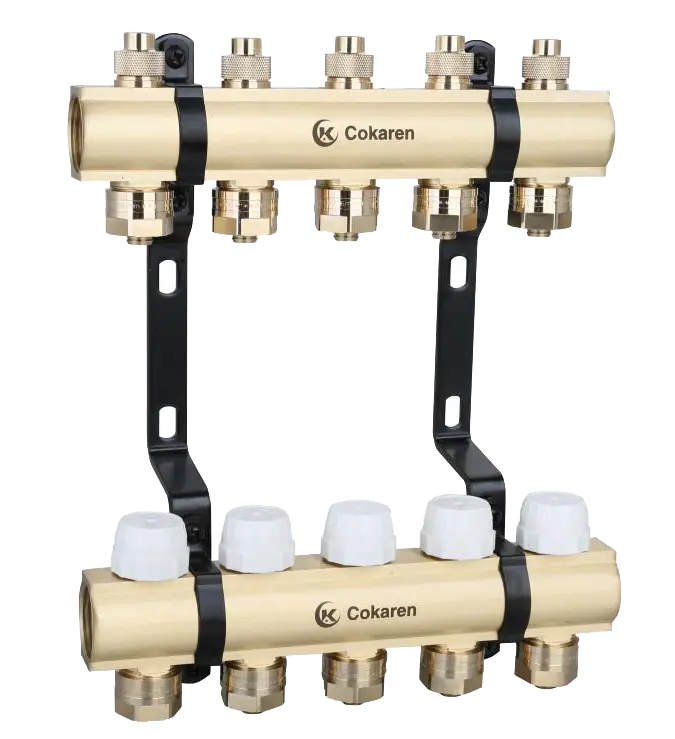
Manages water distribution across zones, integrating loop balance valves.
Technical Specs
Ensures leak-free performance and compliance with global standards.
Technical SpecsThe market for brass union valves is expanding beyond traditional residential plumbing into precision commercial applications, driven by automation, changes in material regulations, and system efficiency requirements.
Global regulatory bodies continue to tighten lead content limits in potable water systems. Meeting standards like NSF/ANSI 372 in North America and DIN EN ISO 6509 in Germany requires using advanced lead-free brass alloys. These materials must prevent zinc loss while maintaining the tensile strength needed for high-pressure installations.
Modern commercial buildings rely on smart underfloor heating and variable fan coil units. Using motorized union control valves allows systems to adjust flow rates automatically based on real-time feedback. This integration helps reduce heating pump energy consumption by up to 30% compared to static flow designs.
With rising job site labor costs in North America and Northern Europe, mechanical contractors are moving away from manual field assembly. Factory-tested, integrated manifold sets that include pre-calibrated air vents, balancing valves, and actuator connections help minimize on-site installation errors.
At Yuhuan Yongda, we stay ahead of industry standards by focusing on advanced metallurgy and precise manufacturing tolerances. Our development efforts target several key areas:
Understanding how raw material costs, machining accuracy, and testing protocols impact the final pricing of customized union valves.
When sourcing brass valves from Chinese suppliers, buyers often face varying price estimates. The final cost of an ODM valve is determined by several specific production choices:
Common technical questions regarding selection, material specifications, and global sourcing standards.
A standard ball valve requires rotating the valve body or the connecting pipe to install or remove the valve. This can be difficult in tight spaces or rigid piping systems. A union valve features an integrated three-piece union connection. By loosening the collar nut, the center valve body can be removed from the pipeline without disturbing the surrounding pipes. This simplifies maintenance and system modification.
We use specific copper alloys like CW617N, C37700, or lead-free brass formulations that keep lead content below 0.25% in contact with potable water. Spectrometer testing is conducted on every raw material batch to confirm composition limits before hot forging.
Our standard testing sequence includes: 1) Dimensional checks using precise calipers and thread gauges; 2) 100% pneumatic testing under water at 0.6–0.8 MPa to verify sealing; 3) Hydraulic pressure tests up to nominal ratings (PN10/PN16); and 4) Thermal cycle tests to confirm long-term seal reliability under hot water conditions.
MOQ requirements depend on the size of the valve and the extent of customization. Standard configurations typically require 3,000 units. For fully custom designs that need new forging molds, the tooling phase takes about 15–20 days, followed by 30–45 days for mass production and testing.
Explore our selection of check valves, thermal actuators, mini ball valves, and compression fittings designed to complete secure mechanical piping systems.