 Yongda
Yongda
Yongda
Explore our elite range of certified OEM/ODM valve architectures, thermal actuators, and pipeline integration devices.
Vent check valves represent a crucial sub-segment of industrial flow management, critical for preventing air locks, maintaining mechanical equilibrium, and ensuring fluid continuity. Across global industrial networks, the proliferation of smart heating districts, chemical distribution nodes, and automated HVAC operations has driven substantial demand for high-end vent check structures. In contrast to standard plumbing bypasses, industrial-grade vent check valves are engineered to dynamically evacuate trapped gases from high-pressure pipelines while guaranteeing 100% backflow isolation under rigorous hydraulic variations.
According to current market intelligence, the transition toward zero-carbon architectures has compelled manufacturing facilities to adopt strict sealing criteria. Standard vent valves have evolved into multi-functional modules capable of executing self-operating vacuum relief and thermodynamic ventilation. Leading engineering companies focus on structural optimization, minimizing pressure thresholds required to actuate relief seals while simultaneously boosting mechanical longevity under continuous cycling.

The manufacturing technology map of professional vent check valves centers on material integrity and structural endurance. Brass remains the preeminent material choice due to its high tensile strength, exceptional thermal conductivity, and superb machinability. As global regulatory bodies impose stringent compliance frameworks (e.g., NSF/ANSI 61 and lead-free standard requirements in North America, and EN 12165 standards in Europe), manufacturers must pivot to advanced low-lead and lead-free brass formulations such as CW617N, CW602N (Dezincification Resistant brass), or C37700.
Forging techniques under highly controlled temperatures ensure that the valve bodies achieve a dense, homogenous molecular structure completely free from microscopic gas pockets or porosity. This eliminates structural failure under extreme pressure fluctuations. Furthermore, advanced finishing methodologies, such as precision CNC thread tooling and electro-nickel plating, enhance corrosion resistance when operating under highly aerated or chemically treated water systems.
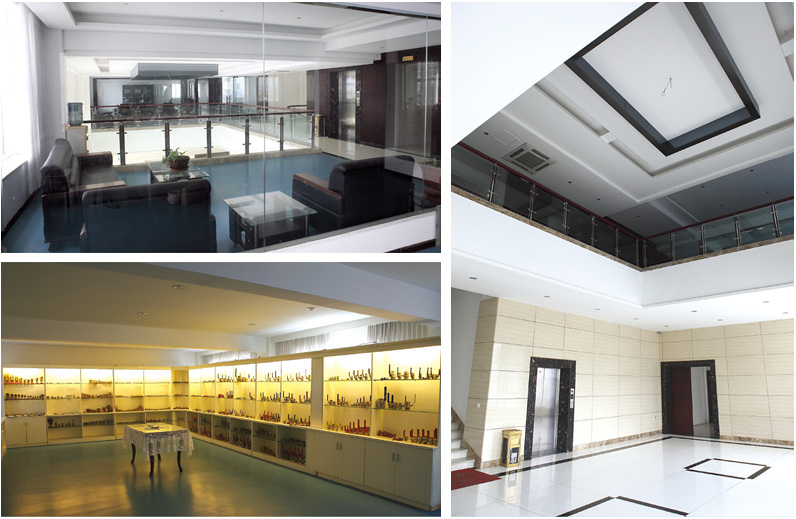
Yuhuan Yongda Fluid Control Co., Ltd. (formerly Yuhuan Yongda Plumbing Co., Ltd.) was founded in 1996 and is strategically located in Yuhuan, Zhejiang—widely recognized as the "China Valve Capital". As a premier, professional plumbing valve enterprise, we specialize in complete end-to-end product design, development, production, and international sales operations.
Our expansive product portfolio is categorized into three core lines: premium brass valves, specialized plumbing fittings, and high-performance HVAC systems. Positioned in the middle and high-grade market segments, we pride ourselves on delivering environmentally sound solutions that are favored across North America, Europe, and other leading global markets.
Our state-of-the-art production complex extends across a footprint of more than 45,000 square meters, with total actual usable space reaching 80,000 square meters. Empowered by over 600 sets of advanced manufacturing and testing devices—including 80+ dedicated special-purpose machine tools—we offer highly scalable OEM and ODM solutions that conform to the varying specifications of global engineering projects.
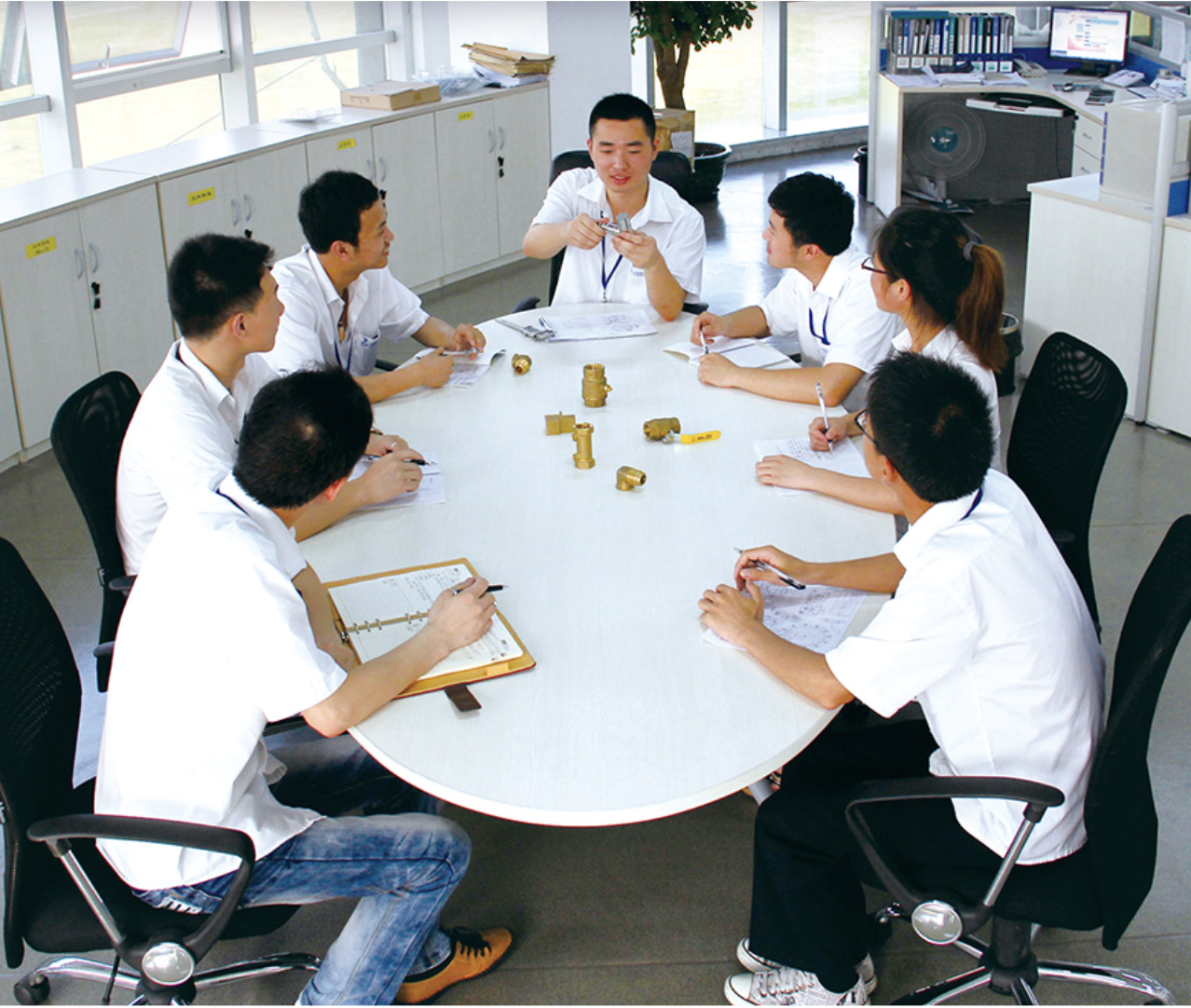

Cokaren, our premium brand division, focuses exclusively on refined product aesthetics, high structural integrity, and exceptional service architecture. The brand promise—"Keep Flowing, Keep Warming"—guides our goal of enhancing modern heating and domestic water networks.
Our operational framework is built on continuous innovation, premium quality, and client-first engineering. Driven by our quality policy, "Fine work, no leakage", Yuhuan Yongda has achieved ISO9001-2015 Quality Management System Certification, ISO14001-2015 Environmental Management System Certification, and ISO45001-2018 Occupational Health and Safety Management System Certification.
Systematic integration of balancing, filtration, thermal control, and automatic degassing components.

Comprehensive diagram mapping the balance, safety controls, and mechanical routing of thermal networks.

The primary line of defense in domestic plumbing networks, capturing up to 98% of physical particulates and suspended pipeline debris.
Explore Technical Specifications →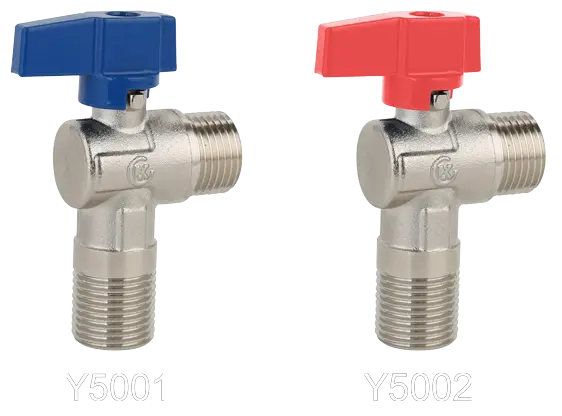
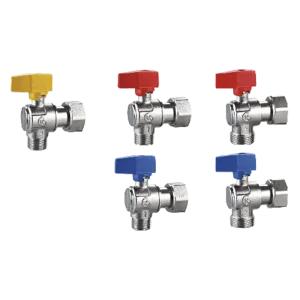
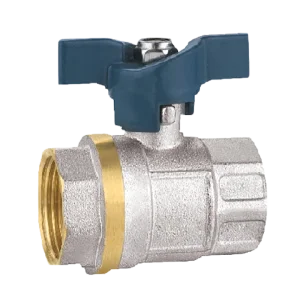
Engineered for hot and cold water isolation in centralized boilers, utilizing a high-precision spherical brass spool for minimal pressure drop.
Explore Technical Specifications →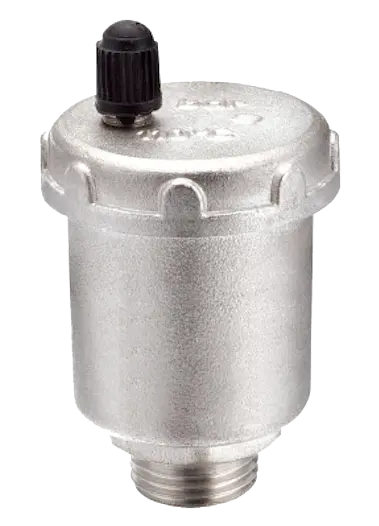
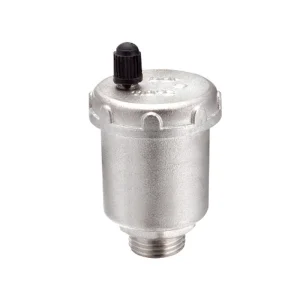
Specifically designed to continuously expel accumulated air pockets in heat pump water heaters, optimizing energy transfer.
Explore Technical Specifications →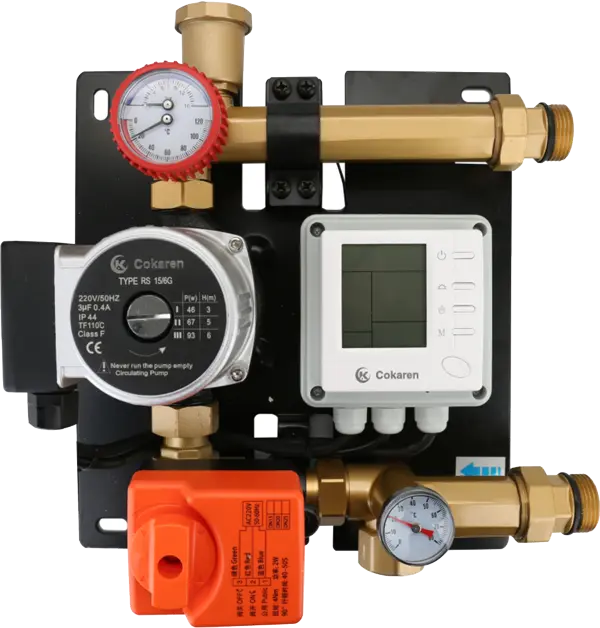
A smart thermal mixing valve designed to blend high-temperature boiler output with return fluid to prevent thermal shock in underfloor pipes.
Explore Technical Specifications →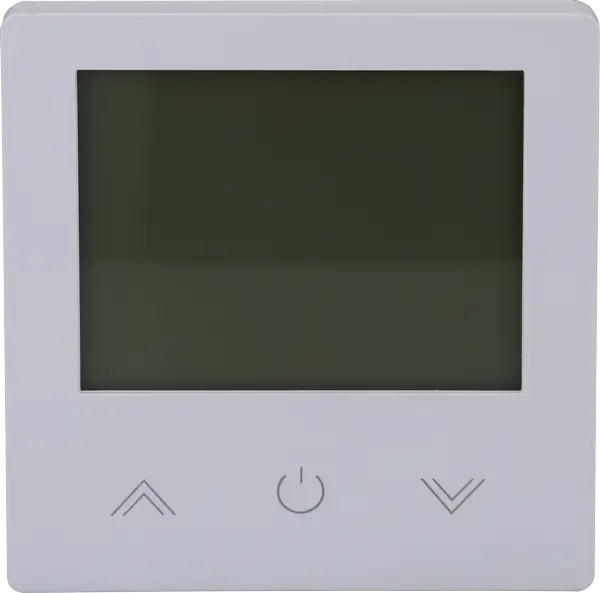
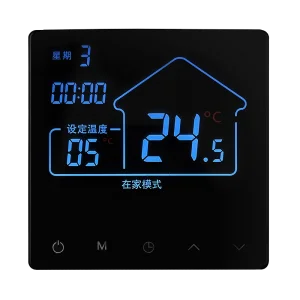
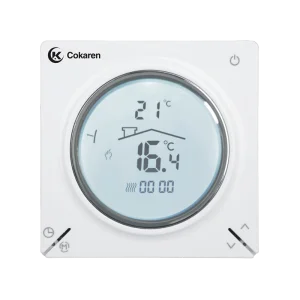
An intelligent, responsive environmental controller designed to sync heating manifolds and heat pump units for balanced climate control.
Explore Technical Specifications →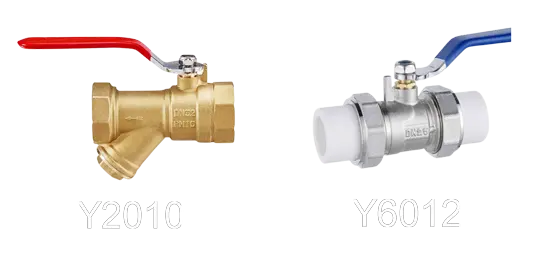
Multi-functional valves incorporating air release mechanisms, dynamic system filtration, and pressure/temperature gauges.
Explore Technical Specifications →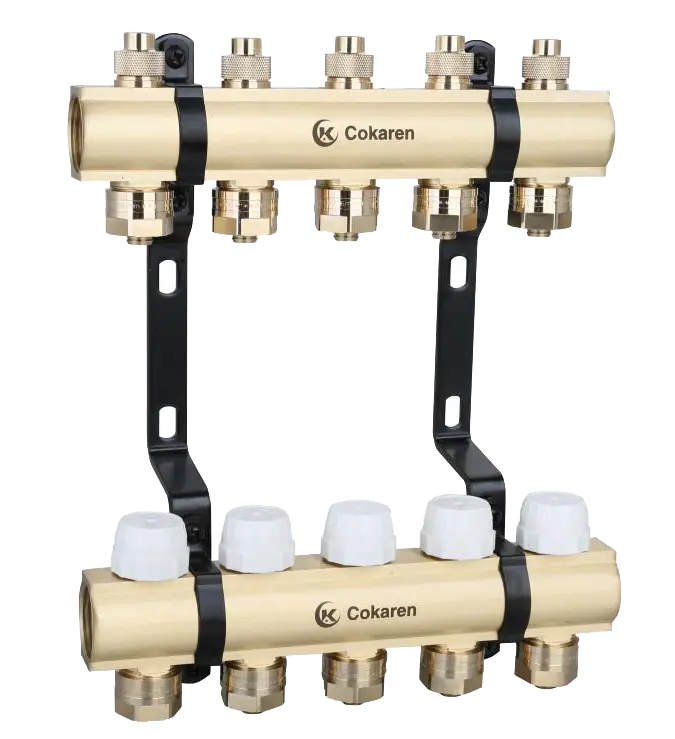
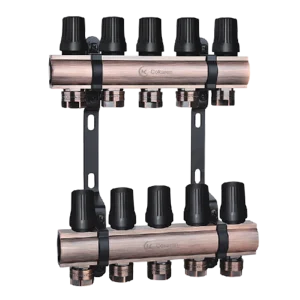
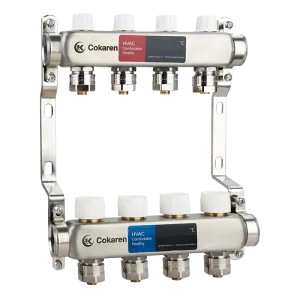
A heavy-duty forged brass manifold array that balances fluid distribution loops across individual heating zones.
Explore Technical Specifications →Understanding how advanced automation and metallurgy are driving the development of flow control technologies.
Traditional mechanical air vents rely on bulk floats that can become misaligned or clogged by sediment. The next generation of venting relies on micro-aperture hydrophobic membranes. These components allow air molecules to exit while creating an absolute liquid-tight seal, eliminating float mechanisms and lowering structural profile requirements.
Plumbing networks are rapidly adopting smart building automation technologies. Modern venting assemblies are being outfitted with integrated micro-sensors that measure discharge flow rate, chemical presence, and structural sealing cycles, feeding real-time maintenance diagnostics directly to control systems.
Anticipating even stricter environmental mandates worldwide, metallurgical development is focusing on silicon-brass and bismuth-brass formulations. These alloys provide excellent casting characteristics, stress corrosion resistance, and compliance with the most rigorous global water safety legislation.
Engineered to perform in demanding commercial, industrial, and residential applications around the globe.
High-capacity heating networks require continuous micro-bubble de-aeration to prevent cavitation in circulating pumps. The Y9070 venting series provides continuous air release at high pressures, preventing oxygenation and internal pipe corrosion.
Water columns in high-rise buildings generate high static pressures. In these systems, check valves must be rated for elevated pressures and include anti-water hammer dampening to protect pipe joints from rapid pressure spikes.
Fluctuating feed water quality demands robust mechanical venting that is highly resistant to mineral deposits. Our forged brass Y5020 and Y2010 series are designed to withstand scaling, maintaining an airtight seal over extended runtimes.
Technical advice and specification guidelines from our team of senior fluid control engineers.
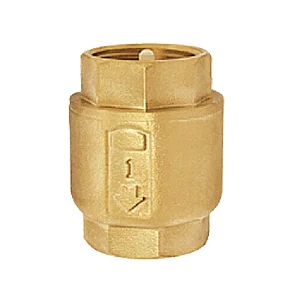
A vent check valve serves a dual purpose: it automatically releases accumulated air pockets that can cause air locks, decrease thermal efficiency, and damage pumps, while simultaneously checking reverse flow to prevent contaminated fluid or air from entering the clean system line.
Cracking pressure is the minimum upstream pressure required to open the valve disk and allow flow. For venting systems, a low cracking pressure is necessary to ensure air can escape under minimal head pressure, while maintaining a secure seal against downstream back-pressure.
Lead exposure poses serious health risks. Global potable water standards require less than 0.25% lead content on wetted surfaces. Complying with NSF/ANSI 61 and EN 12165 ensures your systems meet local safety regulations and protect public health.
Our 45,000+ sqm manufacturing facility, supported by 600 sets of advanced tooling, allows us to manage everything from custom design and alloy casting to high-precision CNC machining and performance validation testing under a single roof. This vertical integration ensures consistent quality and short lead times.
High-quality air vents utilize internal features like pin-guided floats and dirt-repelling dynamic seals. Regular maintenance, coupled with system filters (like our Y9021 series), minimizes mineral buildup on sealing surfaces and prevents leaks.
Engineered components designed for durable underfloor heating, plumbing networks, and fluid routing applications.