 Yongda
Yongda
Yongda
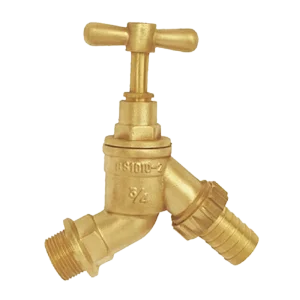
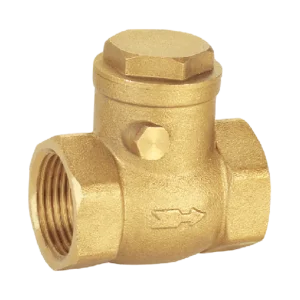
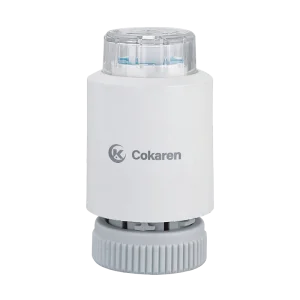
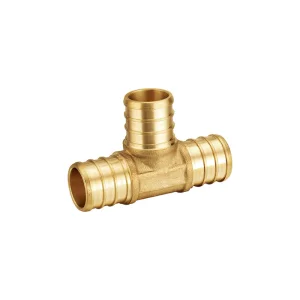
In modern fluid mechanics and municipal water supply infrastructure, maintaining systemic pressure equilibrium is paramount. Excessively high inlet pressures pose catastrophic structural risks to pipe networks, heat exchangers, boiler manifolds, and downstream appliances. This is where the engineering sophistication of Pressure Reducing Valves (PRVs) comes to the forefront. A PRV functions as a self-operating regulator that reduces a higher, fluctuating inlet pressure to a constant, pre-adjusted lower outlet pressure, irrespective of variations in inlet pressure or system demand.
Understanding the fundamental physics behind pressure regulation requires analyzing the balance of forces acting upon the internal diaphragm and piston mechanisms. Fluid passing through a PRV is throttled via a variable-area orifice. High-pressure upstream fluid is restricted, generating a deliberate pressure drop. The valve’s internal chamber continuously references the downstream pressure, comparing it against the physical force exerted by an adjustable steel spring.
For direct-acting pressure reducing valves, the downstream pressure acts directly underneath a flexible elastomer diaphragm, balancing the spring force on top. As demand fluctuations occur downstream, the valve disk modulates in a micro-second response to maintain the set point. Direct-acting models are praised for their compactness and durability in domestic and light commercial applications. Alternatively, in complex, high-volume municipal or HVAC loops, pilot-operated PRVs utilize a pilot control loop to amplify pressure feedback, permitting exceptional regulatory accuracy even during extreme peak flow states and preventing the standard "flow droop" commonly associated with spring-only mechanics.
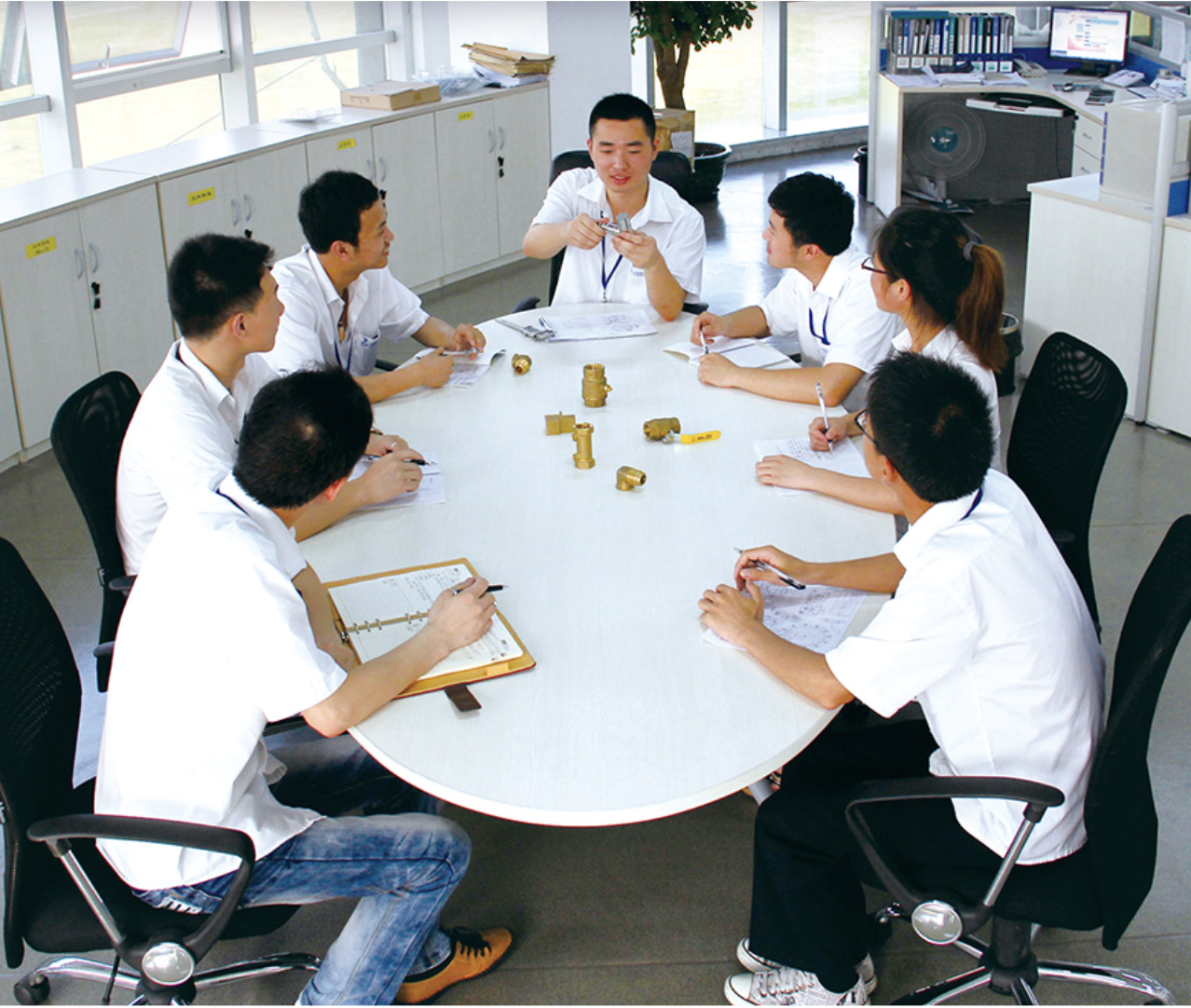
Yuhuan Yongda Fluid Control Co., Ltd. (formerly Yuhuan Yongda Plumbing Co., Ltd.) was founded in 1996, and is located in the recognized "China Valve Capital" – Yuhuan, Zhejiang. As an advanced and highly integrated plumbing valve enterprise, we focus closely on comprehensive product design, material development, testing, and worldwide distribution.
Our primary product categories are segmented into high-grade brass valves, engineering fittings, and complex HVAC distribution components. Our products are strategically positioned in the medium-to-high-end spectrum, highlighting our relentless focus on environmental protection, metallurgical purity, and mechanical durability. This focus has made our catalog highly sought after by tier-one distributors and global OEM procurement teams across North America and Europe.

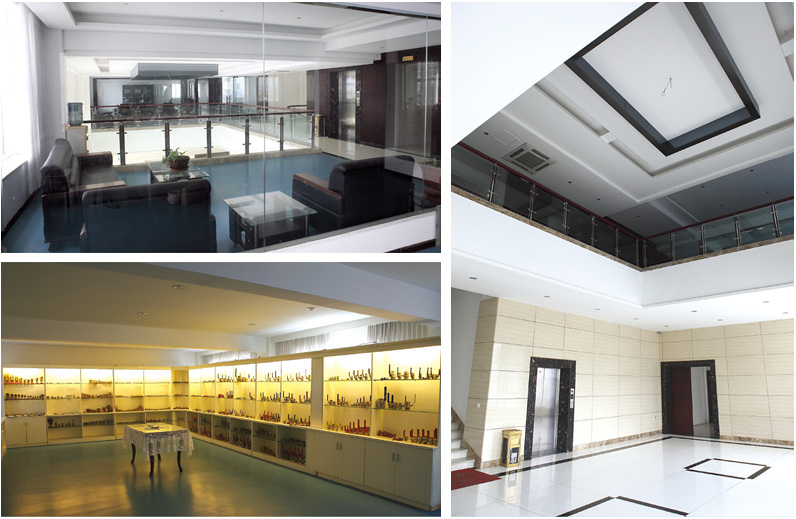
With a state-of-the-art facility covering a physical footprint of over 45,000 square meters, our actual usable workspace spans an impressive 80,000 square meters. The plant integrates more than 600 sets of advanced manufacturing and testing equipment, including 80+ specialized high-precision machine tools. This industrial force allows us to easily handle complex OEM custom production runs while ensuring our valve products are exported successfully to over 20 sovereign countries.
Cokaren, the premium brand by Yuhuan Yongda, targets refined aesthetic appeals combined with superior mechanical quality. Built on the brand promise of "Keep flowing, keep warming", Cokaren water system accessories and HVAC valves deliver peace-of-mind operation directly into modern homes.
We are defined by: Struggle, Enterprising, Pragmatic, and Innovative values. Our quality policy enforces: "Fine work, no leakage". We align sustainable enterprise growth with our employees' financial and personal welfare.
Ensuring environmental stewardship and workplace safety, the company is fully certified under ISO9001:2015 (Quality), ISO14001:2015 (Environment), and ISO45001:2018 (Occupational Health and Safety). We guarantee compliance at every step.


Optimizing structural fluid balance across heat exchangers and building networks to minimize pressure surges and mechanical fatigue.

Providing the first line of defense in domestic water sanitation, successfully capturing up to 98% of particulate impurities within the pipeline.
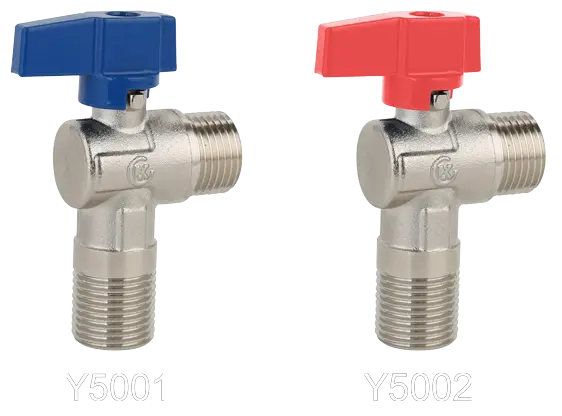
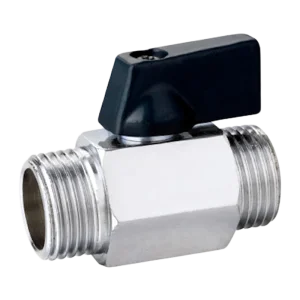
Engineered with a low-torque spherical spool to precisely regulate incoming cold and outgoing hot fluid loops within high-temperature boilers.
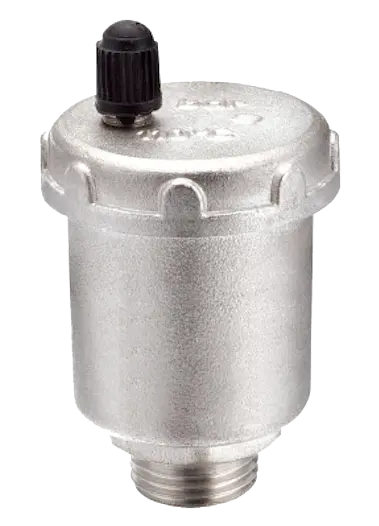
Designed for automatic displacement of trapped air inside heat pumps and source heaters, ensuring stable water flow and thermal efficiency.
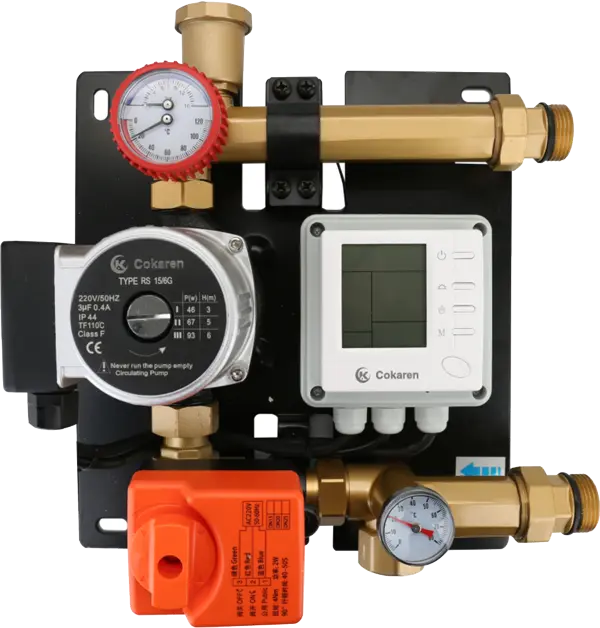
Integrates cold and hot water lines to stabilize temperatures, preventing thermal shock in plastic piping and copper installations.

A central command unit that links with actuator networks, modulating spatial temperatures to conserve energy by up to 22%.
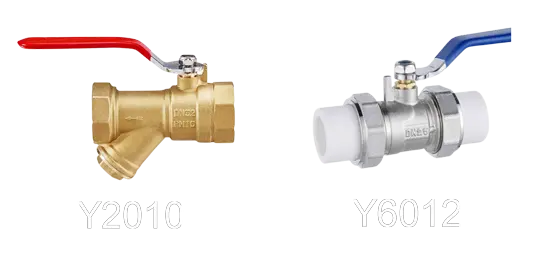
Combines dual-action filtration with a temperature-pressure sensor suite to safely manage downstream manifolds.
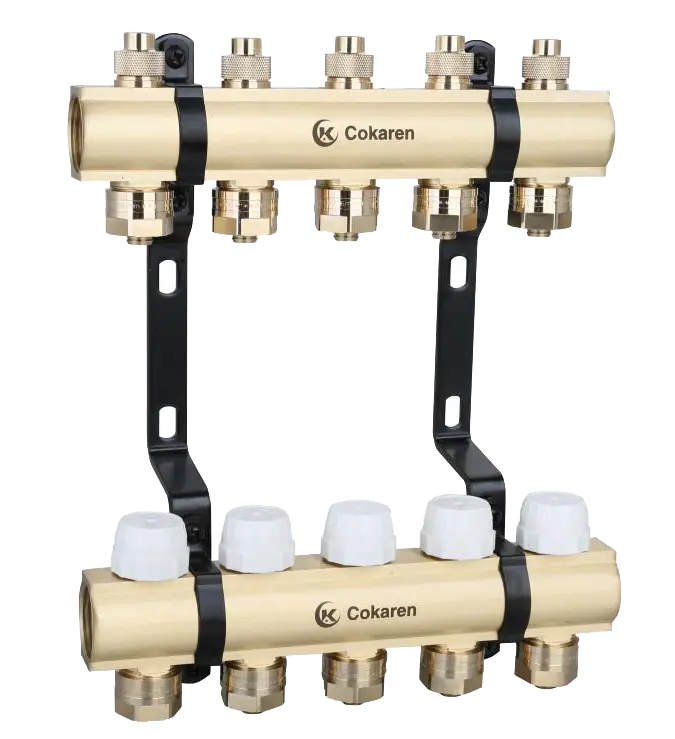
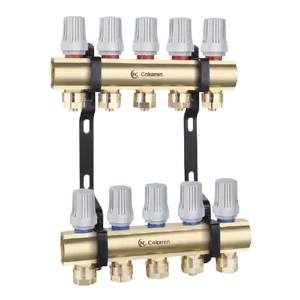
Distributes zone-specific volume flows, balancing pressure differences between independent underfloor heating circuits.
Industrial buyers look for eco-friendly alloy compositions like Lead-Free Brass (containing less than 0.25% lead in compliance with NSF/ANSI 372 and Title XIV of the Safe Drinking Water Act). Manufacturers must provide material chemical analysis sheets (mill test reports) for every cast.
Engineering departments require PRVs designed to prevent cavitation—a destructive phenomenon where low-pressure vapor bubbles collapse inside the valve. Advanced internal designs use low cavitation profiles to prolong sealing ring and seat life.
For global supply chain security, PRVs must offer multi-standard thread adapters (NPT, ISO 228-1 G thread, BSPP, or solder connections). Every single product batch must feature laser-etched heat numbers tracking back to raw ingot components.
Establishing your OEM pressure reducing valve supply chain in Yuhuan, Zhejiang—often dubbed the "China Valve Capital"—offers a strategic competitive advantage. Yuhuan features a concentrated ecosystem of specialized casting plants, forge shops, polishing centers, and electroplating services. This geographical proximity reduces material transportation times, speeds up development loops, and keeps logistics costs low.
Our facility capitalizes on these local resources by integrating advanced manufacturing technologies. Utilizing high-efficiency, fully automatic multi-spindle forging presses, we shape valve bodies with superior structural density. Forging eliminates the porosity defects common in sand-cast valves, yielding raw tensile strength that withstands burst pressures exceeding 40 Bar.
Furthermore, our on-site laboratory performs spectrophotometric analysis of raw brass, pressure cycle fatigue tests, and automatic leak detection. This guarantees that each valve satisfies the strict leak-free standards expected by domestic and commercial distribution partners globally.
In high-rise developments, hydrostatic pressure compounds with depth. Municipal mains entering lower stories require robust pressure reducing valves to drop inlet pressures from 10+ Bar to a safe 3–4 Bar. This protects faucet cartridges, flex hoses, and appliances from structural failure.
Central chiller and heating loops contain considerable static head pressure. Specialized hydronic PRVs are placed at riser takeoffs to balance pressures between zone loops, preventing valve seat wear and ensuring consistent thermal distribution.
Underfloor PEX-AL-PEX tubing operates optimally under lower, stable hydraulic pressures (typically 1.5 to 2.5 Bar). Interfacing a dedicated brass PRV directly at the mixing manifold assembly prevents thermal-elastic stress and micro-fissures in the tubing.
The global valve industry is experiencing a digital and material transformation. The primary trend is the development of "Smart PRVs", which incorporate IoT micro-sensors. These sensors continuously monitor inlet pressure, outlet pressure, and volume flow, transmitting the data to building automation systems via Modbus or BACnet. This allows facility operators to detect pipe leaks, pressure drops, and cavitation issues remotely, moving maintenance from a reactive model to a predictive one.
Material science is also adapting. Environmental regulations in the US (Safe Drinking Water Act) and the EU (REACH directives) are prompting a shift from leaded brass to bismuth-based or silicon-doped lead-free brasses. Designing these materials requires advanced tooling to manage their high hardness and different chip-breaking characteristics, while still ensuring reliable performance.