 Yongda
1. High-Performance Metallurgy & Chemical Specifications in Regulator Valves
In modern industrial and residential fluid control systems, the longevity of regulator valves relies heavily on the quality of their metallurgical components. Selecting the proper brass alloy is crucial for mitigating stress corrosion cracking (SCC), dezincification, and chemical corrosion in critical water infrastructure. In high-temperature HVAC applications, substandard alloys can cause structural failure and system leaks, resulting in costly property damage.
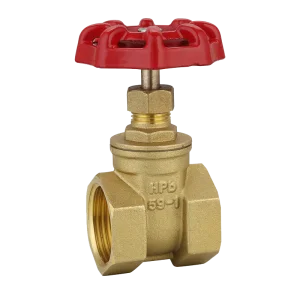
As a leading OEM regulator valves manufacturer, we primarily utilize premium forged brass alloys such as HPb59-1, CW617N, and C37700. CW617N brass conforms strictly to European standards (EN 12165) and contains roughly 58% copper, 2% lead (max), and approximately 40% zinc. This composition provides excellent hot forging behavior, mechanical strength, and corrosion resistance. In regions with strict lead regulations like North America and parts of Europe, we produce components using lead-free brass alloys (such as C46400 or C69300), keeping lead content below 0.25% to ensure compliance with the Safe Drinking Water Act (SDWA) and NSF/ANSI 61 certifications.
| Alloy Grade | Copper (%) | Lead (%) | Zinc (%) | Primary Application | Standards Compliance |
|---|---|---|---|---|---|
| CW617N | 57.0 - 59.0% | 1.6 - 2.5% | Balance | HVAC, Radiator Valves, Fitting Units | EN 12165 (Europe) |
| HPb59-1 | 57.0 - 60.0% | 0.8 - 1.9% | Balance | General Valves & Water Systems | GB/T 2040 (China) |
| C37700 | 58.0 - 61.0% | 1.5 - 2.5% | Balance | Plumbing Fittings, Manifolds | ASTM B124 (North America) |
| Lead-Free Brass | > 60.0% | < 0.25% | Balance | Potable Water, Domestic Drinking Systems | NSF/ANSI 61 / AB1953 |
Hot forging is executed at temperatures between 680°C and 750°C to refine the alloy's crystalline grain structure. This process eliminates porosity and increases tensile strength compared to sand casting, allowing our valves to handle operating pressures up to PN25 (2.5 MPa) and temperatures from -20°C to 120°C. By selecting high-quality raw materials, we prevent dezincification, ensuring our valves remain structurally sound even in regions with high concentrations of chlorides and carbon dioxide in the water supply.