 Yongda
Yongda
Yongda
Explore our first selection of high-grade brass valves, manifolds, and piping components built for international markets.
Steam systems present one of the most hostile environments in industrial fluid mechanics. Saturated and superheated steam applications operate under extreme thermal expansion, high velocity, and severe pressure differentials. In these conditions, standard valves fail due to wire-drawing, thermal binding, and erosion-corrosion of the sealing surfaces.
As global OEM steam gate valve manufacturers, we engineer solutions designed to counter these physical stresses. Through precise metallurgical selection (WCB, WC6, WC9, and high-purity brass alloys for sub-critical steam lines) and geometry optimization, our steam gate valves maintain zero-leakage seals over hundreds of thousands of cycles.
By utilizing a straight-through bore design, our gate valves minimize pressure drops ($\Delta P$), ensuring optimal thermodynamic efficiency throughout the energy distribution network.

Formerly known as Yuhuan Yongda Plumbing Co., Ltd., our organization was established in 1996 in Yuhuan, Zhejiang—widely recognized as the "China Valve Capital." As a premier plumbing and fluid control enterprise, we integrate design, thermodynamic research, manufacturing, and global sales under one roof.
Our core catalog spans three critical categories: brass valves, industrial/residential fittings, and HVAC distribution components. With a focus on sustainable materials and high-efficiency fluid routing, we supply premium and mid-to-high-grade systems to demanding clients across North America, Europe, and Asia.
Under our premium brand, Cokaren, we implement a brand promise of "keep flowing, keep warming"—striving to build dynamic, world-class thermal regulation hardware.
Decarbonization, Industry 4.0, and strict environmental regulations are reshaping global fluid control sourcing.
Industrial buyers require end-to-end material traceability (EN 10204 3.1 certification) and compliance with fugitive emission directives (ISO 15848-1). Modern procurement requires manufacturers to prove strict environmental stewardship and operational safety credentials.
Yongda utilizes vertical manufacturing integration. Equipped with over 80 sets of specialized CNC machine tools and 600 pieces of advanced testing apparatus, our production lines maintain strict dimensional accuracy down to $\pm$ 0.01mm, eliminating the risk of operational seat leakage.
Located in Yuhuan, we access a comprehensive raw material and component ecosystem. This clustering reduces lead times by 30%, mitigates logistics risks, and buffers bulk operations against raw material market volatility.
Quality assurance at Yongda goes beyond manual inspection. We operate under a certified management framework to ensure reliability and traceability:
Our quality policy is simple but absolute: "Fine work, no leakage." We strive to optimize production capabilities while improving employee welfare, aligning organizational growth with personal happiness.
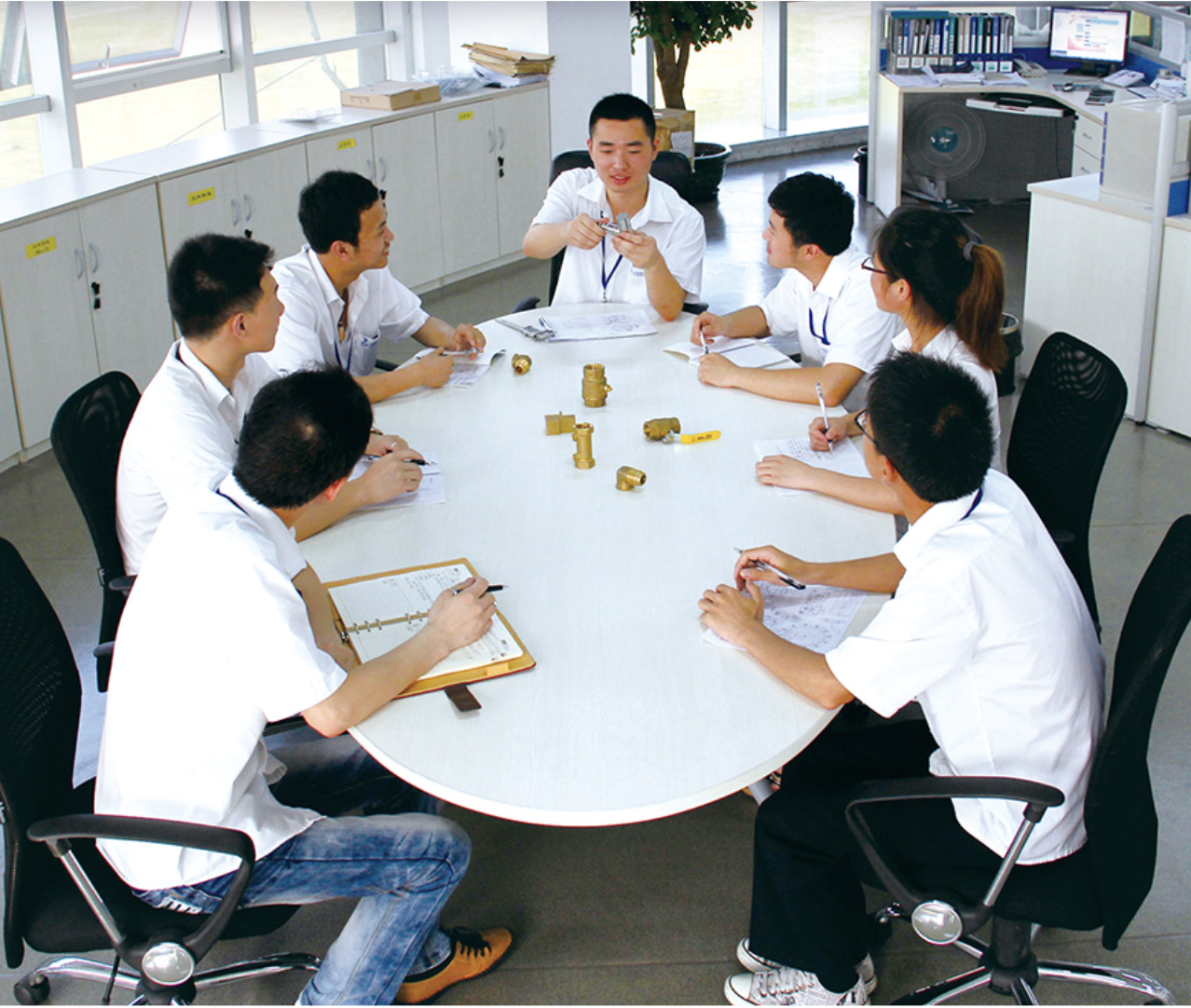

We put the customer first, basing our operations on premium-grade manufacturing. Every valve batch undergoes hydrostatic and pneumatic pressure testing to guarantee zero leaks. By optimizing the thermodynamic profiles of our industrial and domestic products, we provide high-performance solutions for heating and fluid control systems.
Discover how our specialized valves, manifolds, and filters coordinate to create high-efficiency HVAC and fluid networks.
Our thermodynamic distribution designs optimize fluid flow, filter out debris, and maintain precise zone temperatures.

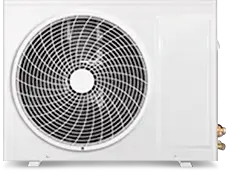




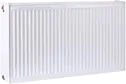
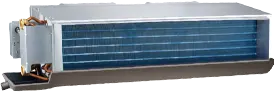


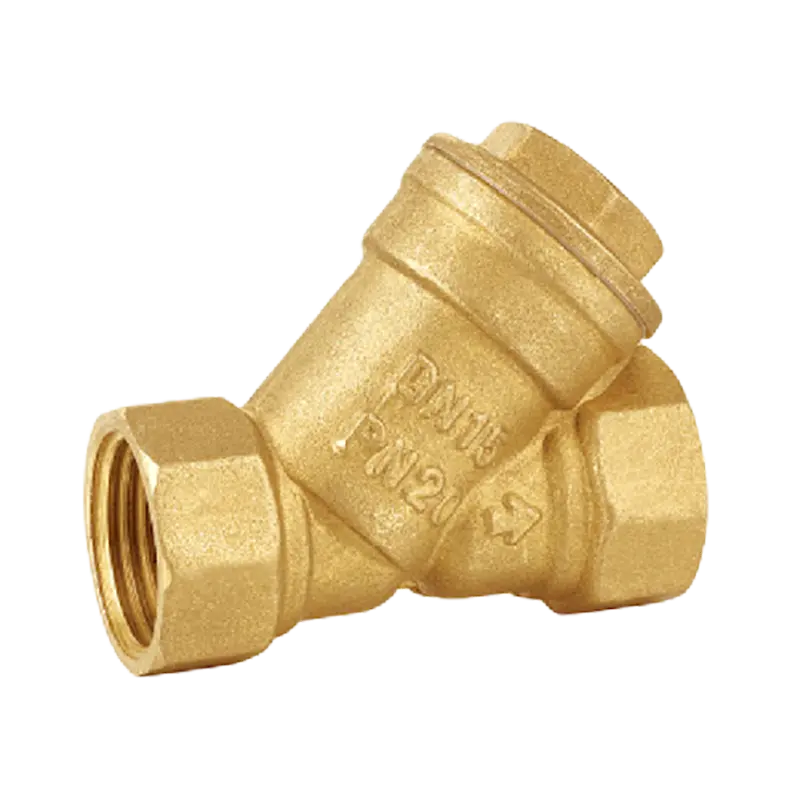
The first line of defense in domestic water sanitation, designed to filter out 98% of impurities in the pipeline to protect downstream control valves.
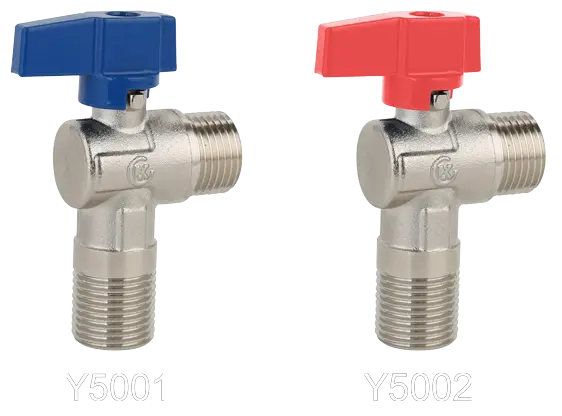
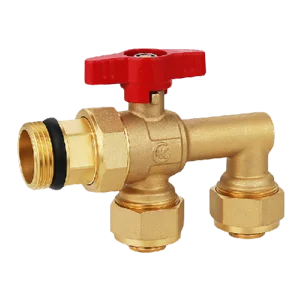
Controls hot and cold water cycles in boiler equipment. Utilizes a low-torque spherical spool for reliable isolation.
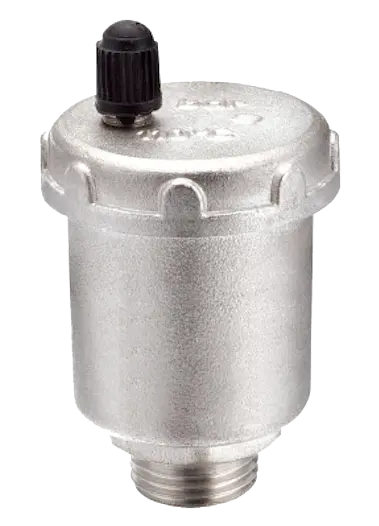
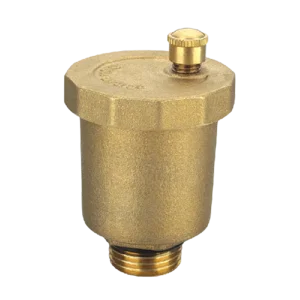
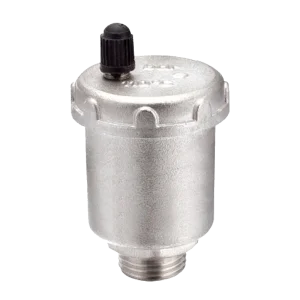
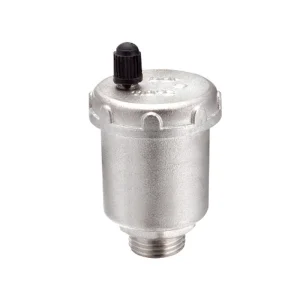
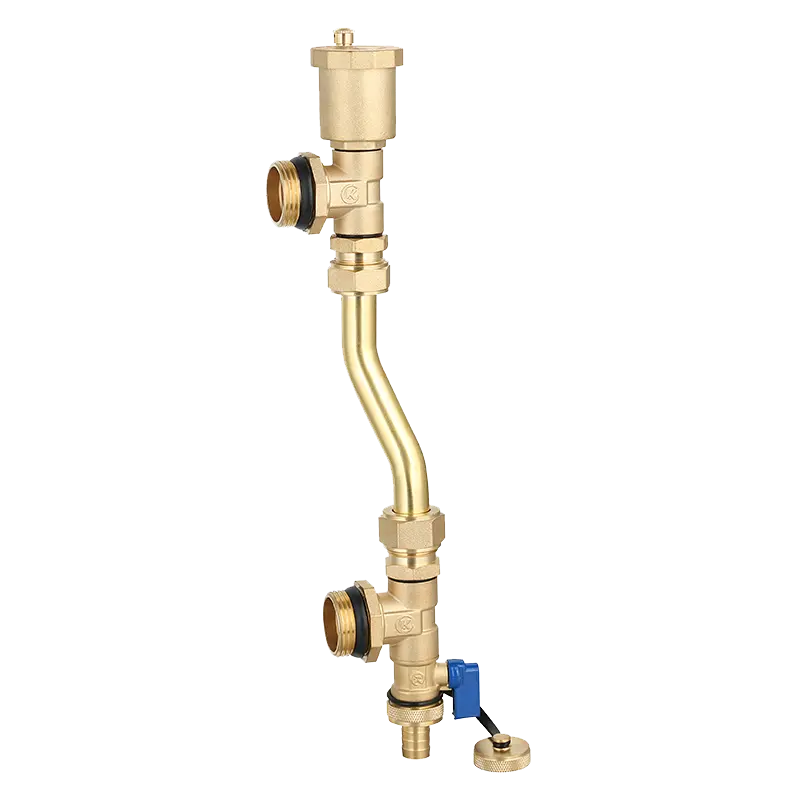
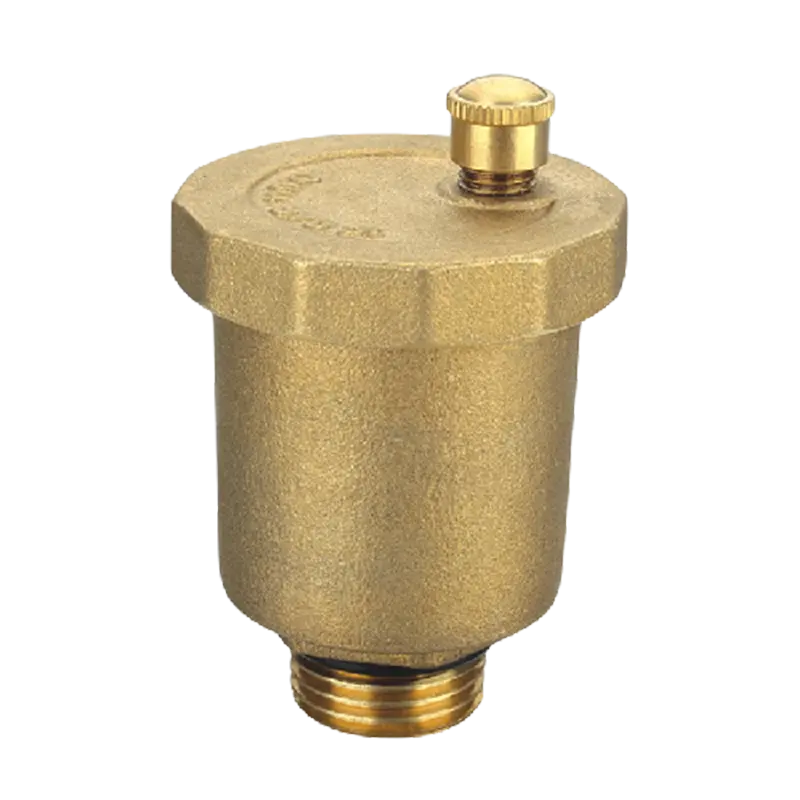
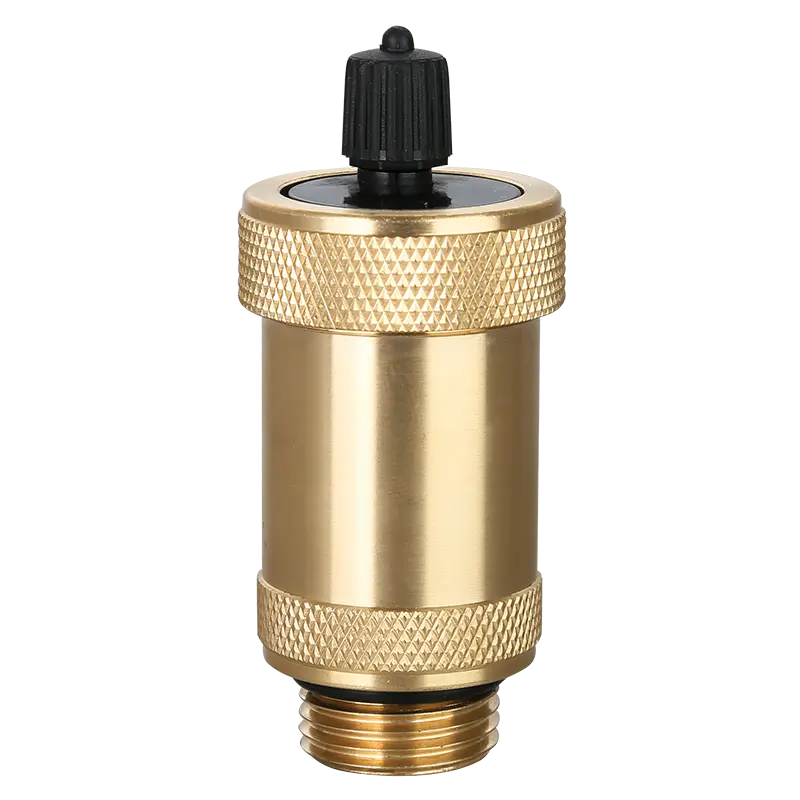
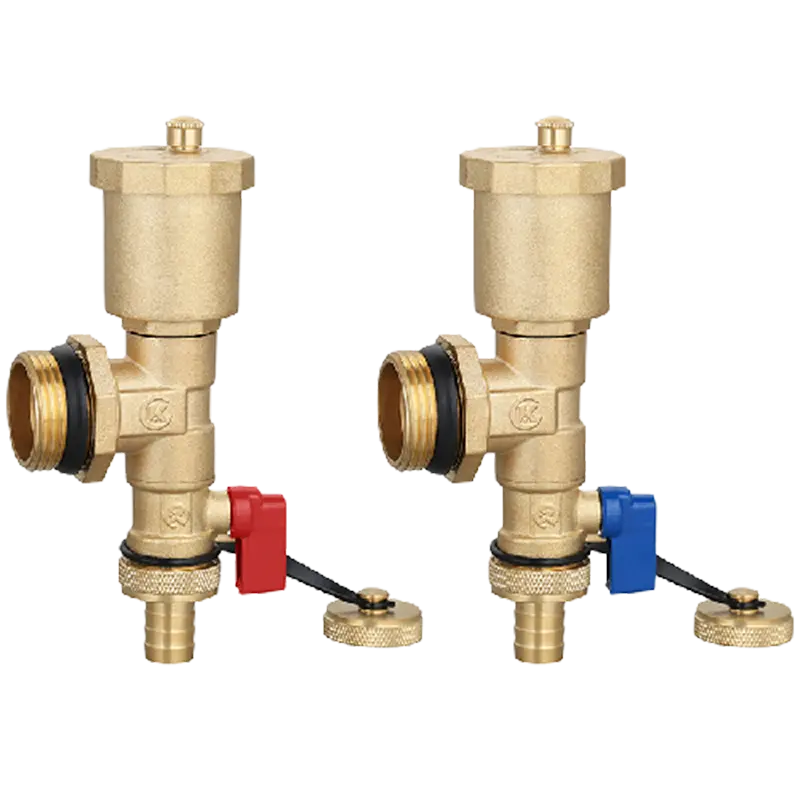
Designed to release accumulated air in heat pumps and water heating systems, preventing cavitation and air locks.
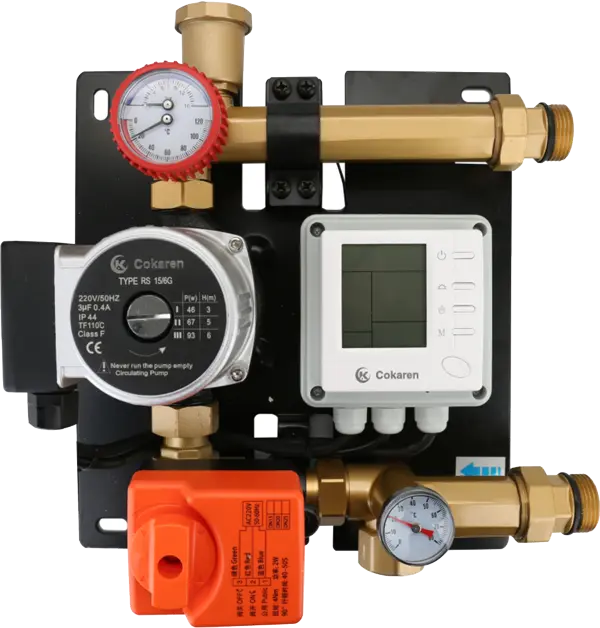
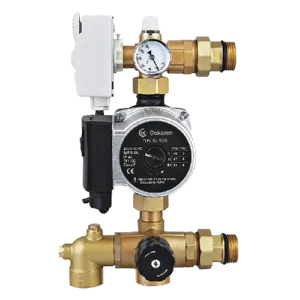
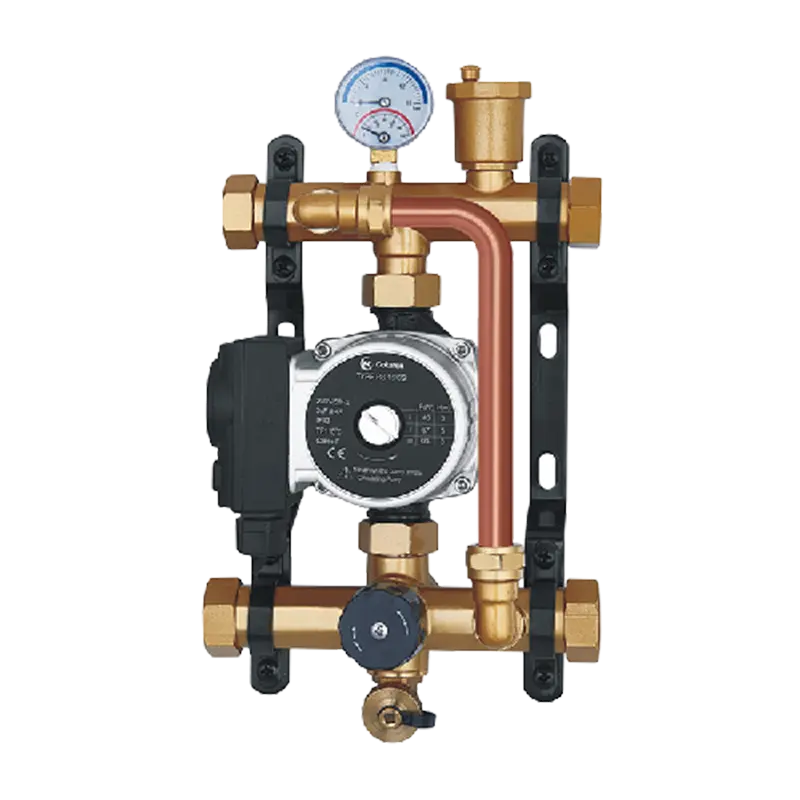
Balances hot and cold water distribution, stabilizing temperatures to protect underfloor heating structures from thermal stress.
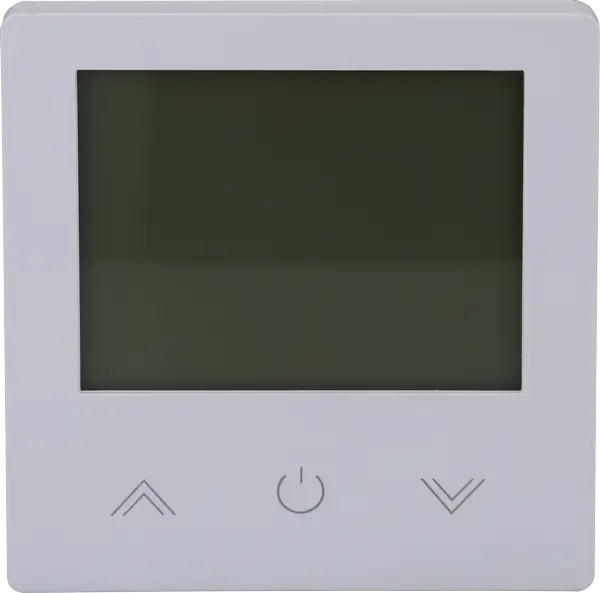
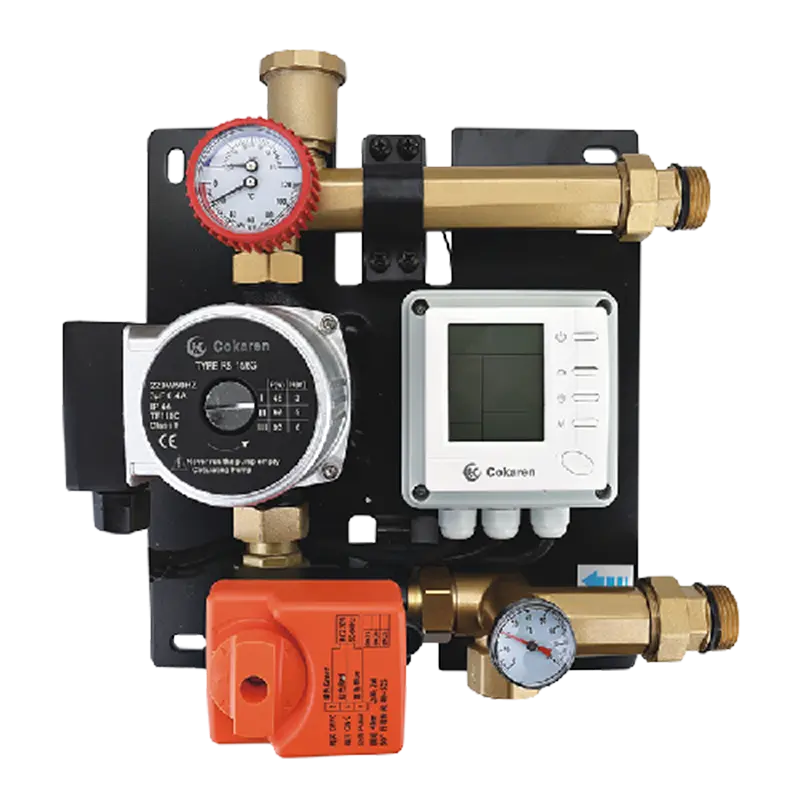
Integrates with HVAC actuators to regulate room temperatures via smart control protocols.
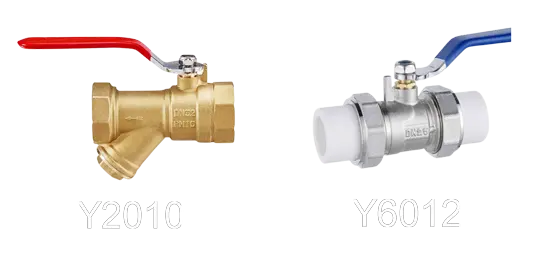
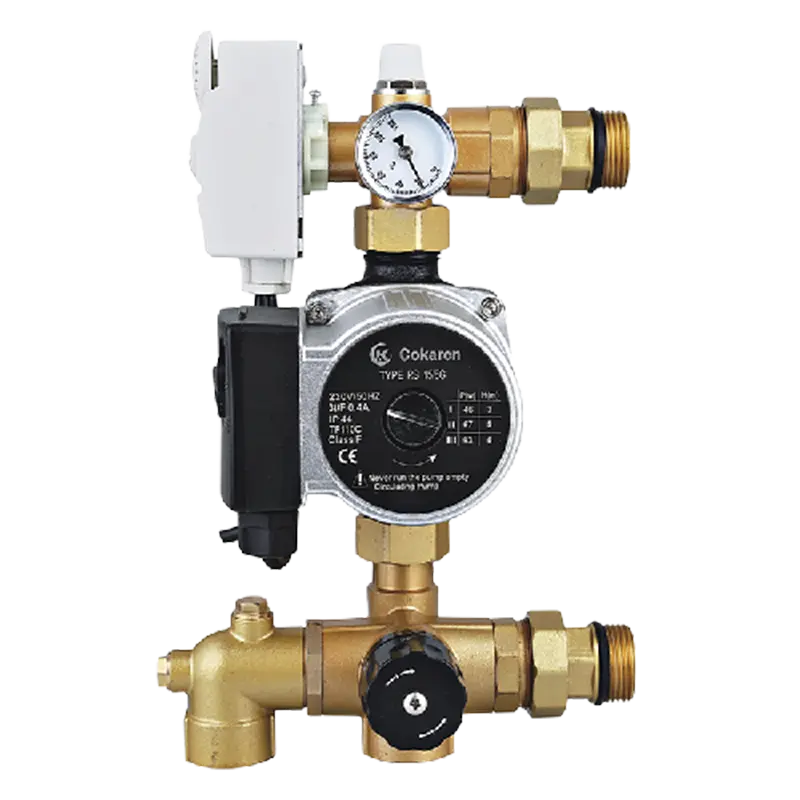
Filters debris, isolates system zones, controls manifolds, and monitors flow temperature and line pressure in real-time.
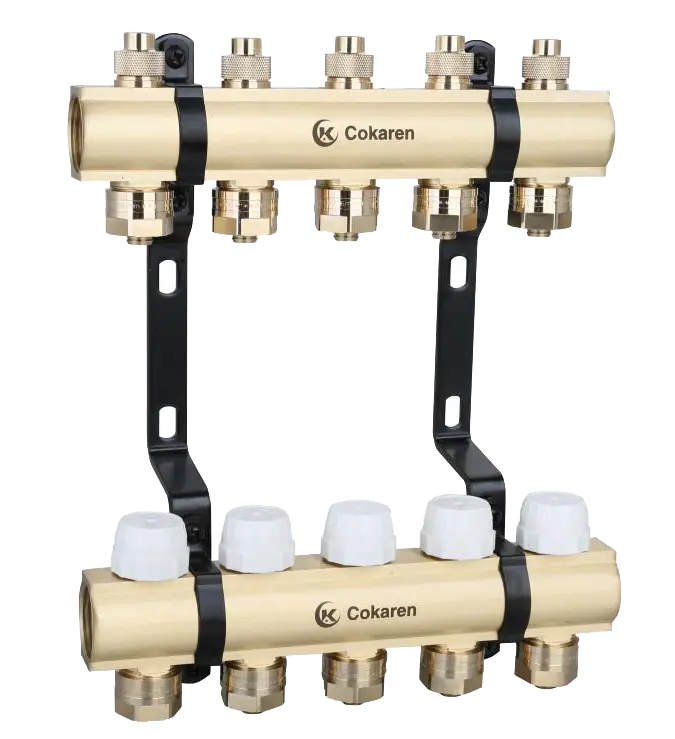
Optimizes water routing to individual zones. Designed for underfloor heating loops to ensure balanced temperature profiles across larger installations.
Select options for residential, commercial, and industrial HVAC applications.
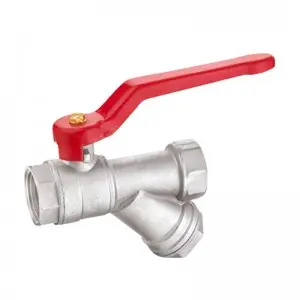
Combines isolation and filtration in a single brass body to save installation space.
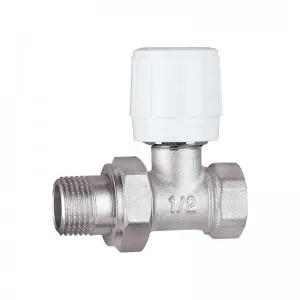
Manual temperature control for radiant heating radiators and floor piping loops.
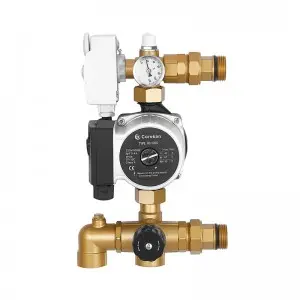
Thermostatic system that recirculates water to maintain consistent boiler temperatures.
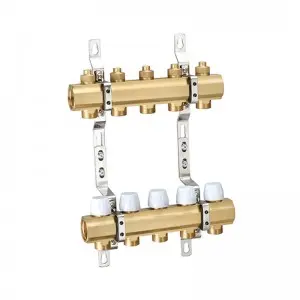
Forged brass distribution manifolds built for multi-zone hydronic heating setups.
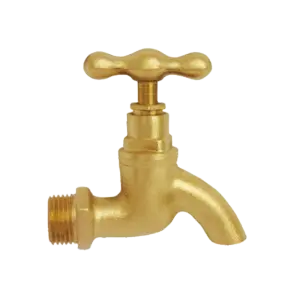
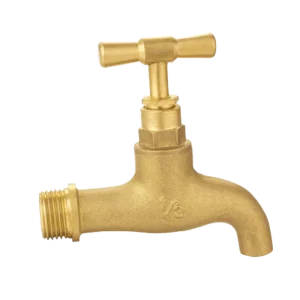
Heavy-duty exterior brass bibcocks engineered for residential and commercial outdoor use.
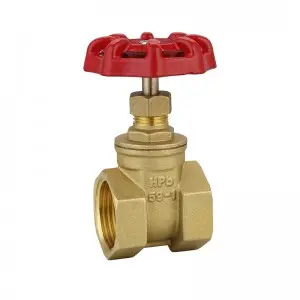
Robust female-threaded flow gate valve designed for low-pressure steam and water lines.
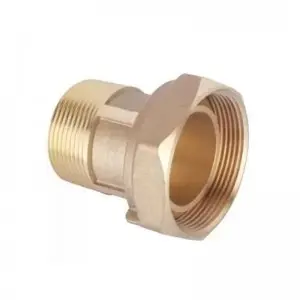
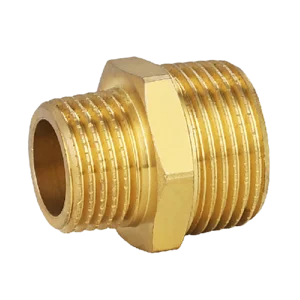
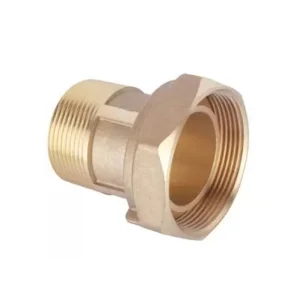
Durable brass connector sleeves designed for municipal water metering assemblies.
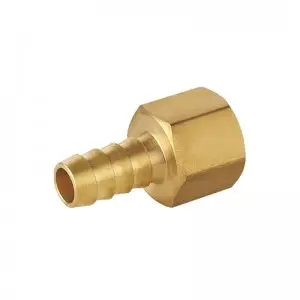
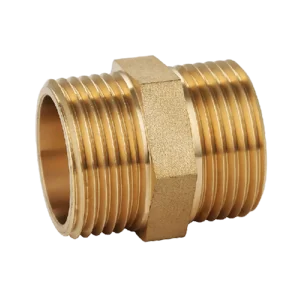
Machined brass hose fittings designed to meet North American thread standards.
A detailed breakdown of our mechanical assemblies, strainers, and pressure relief valves.
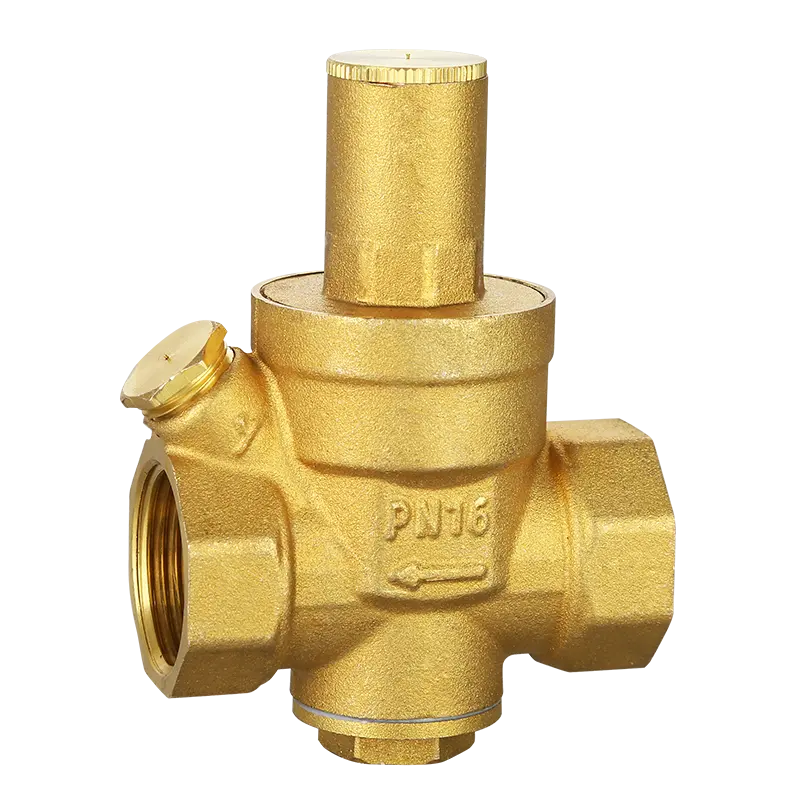
Forged piston pressure reducing valves designed to protect downstream household plumbing from pressure surges.
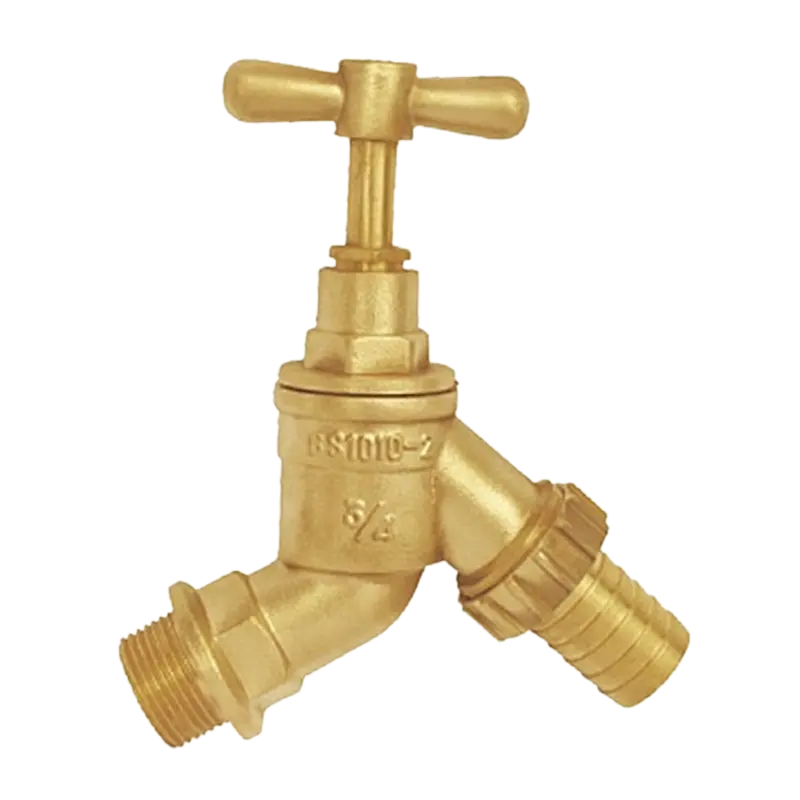
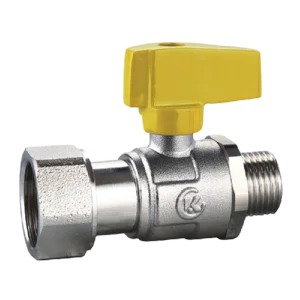
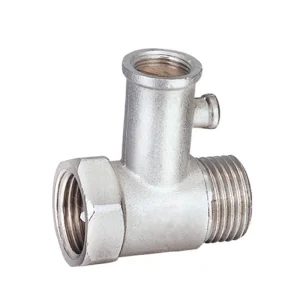
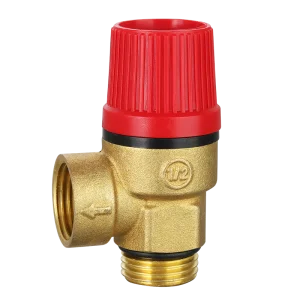
External thread brass safety stop valves featuring surface electroplating for enhanced corrosion resistance.
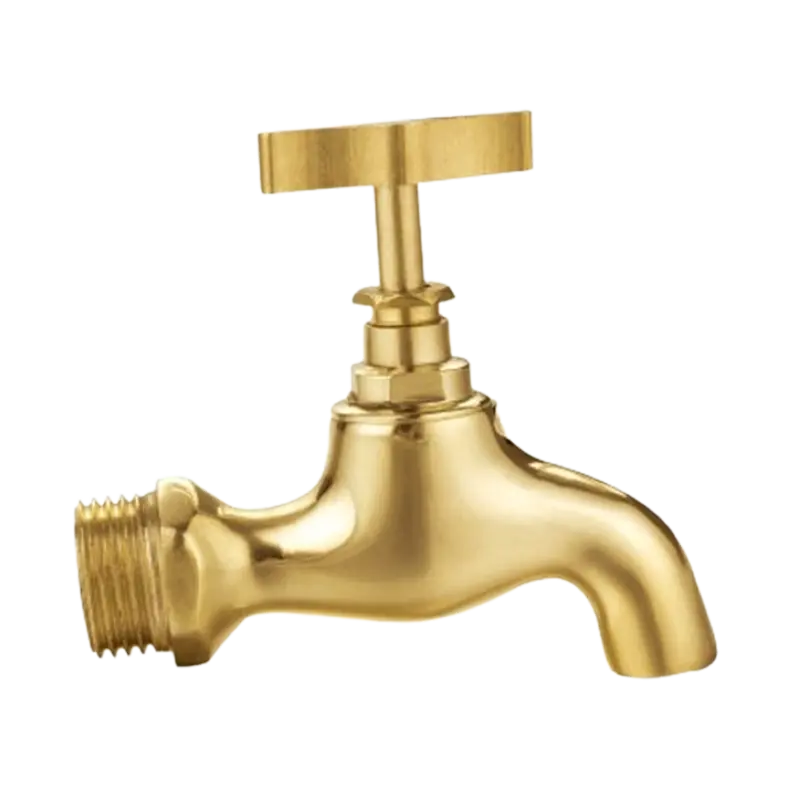
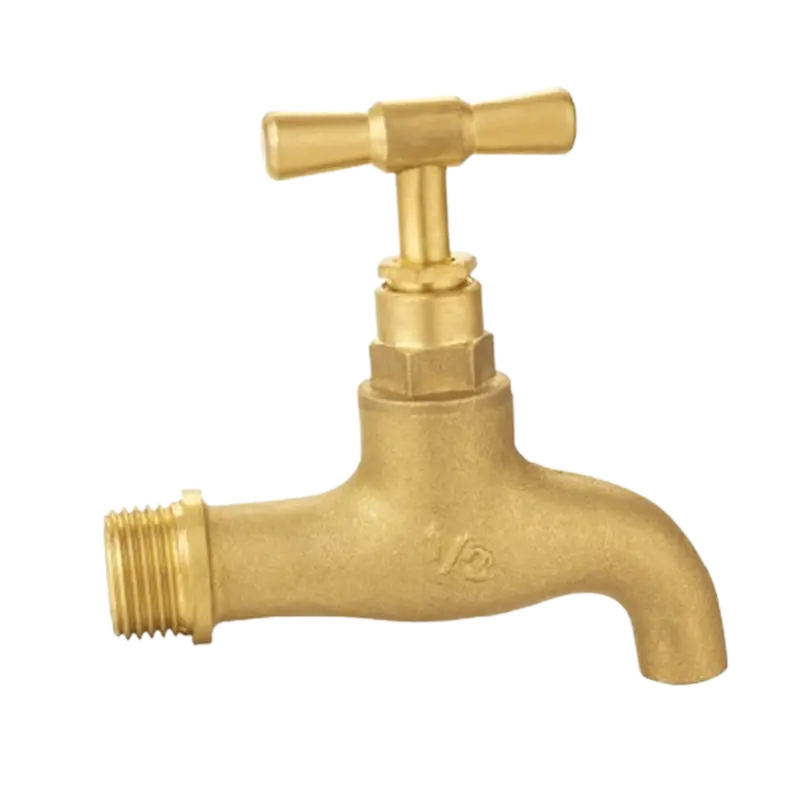
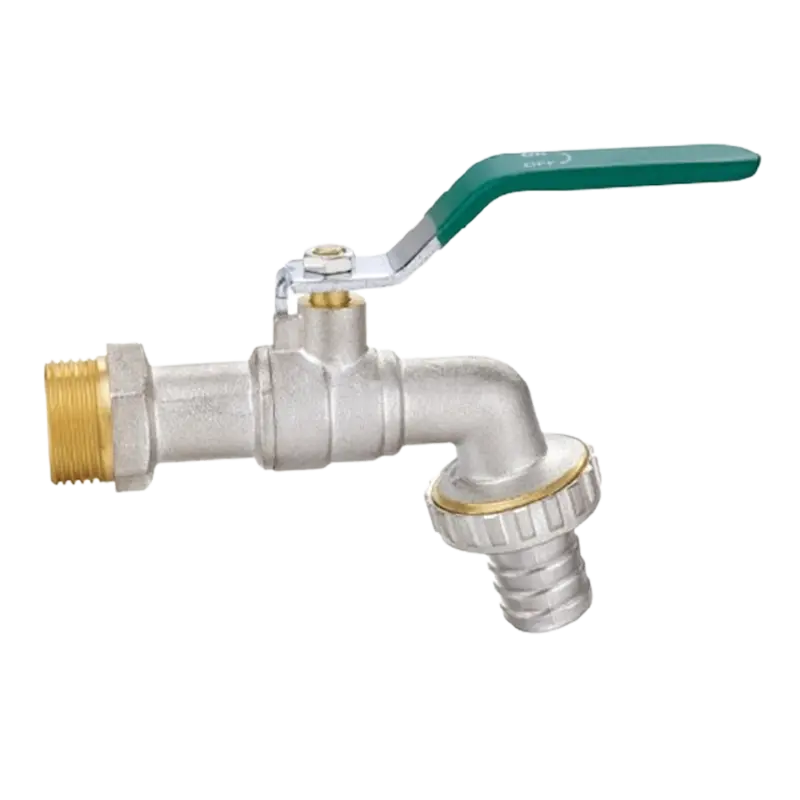
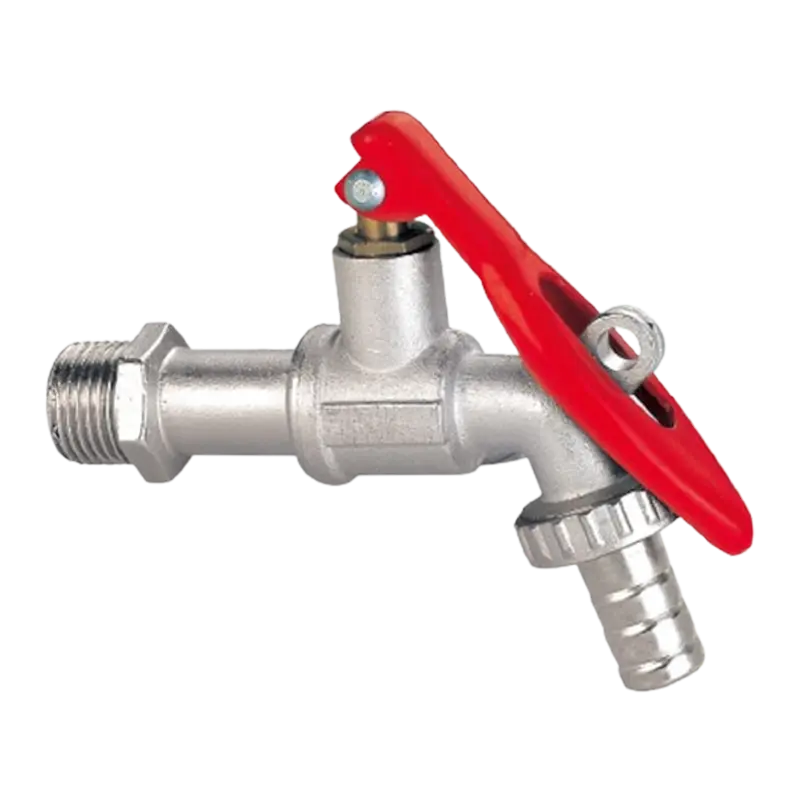
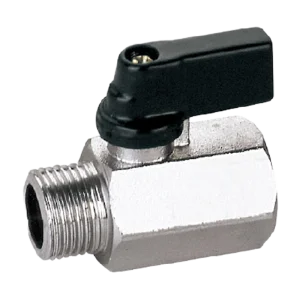
Lockable sanitary ball valve design for public water conservation security.
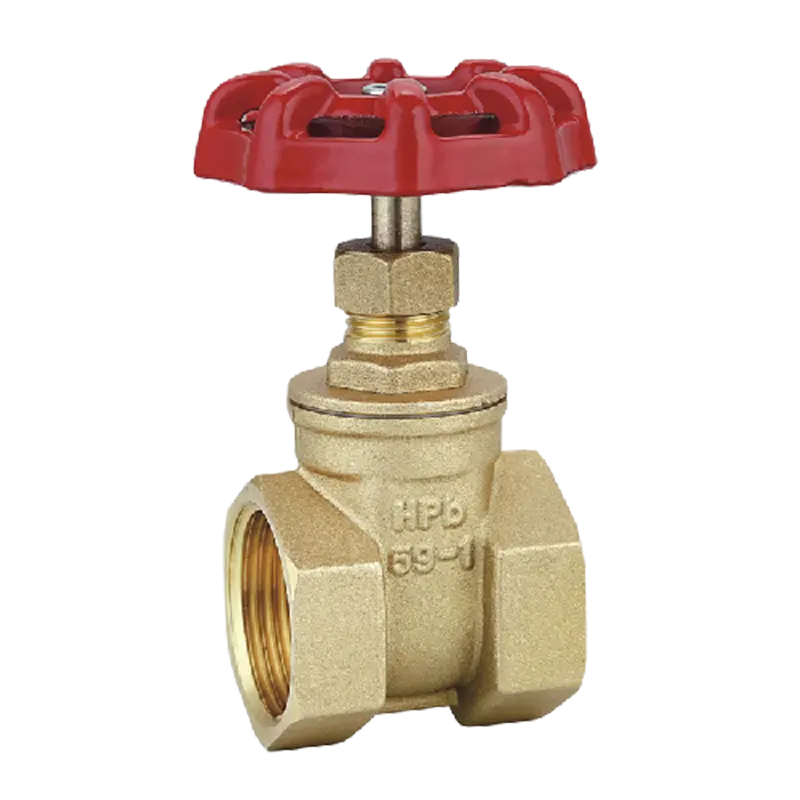
High-strength brass body design for fluid distribution line containment.
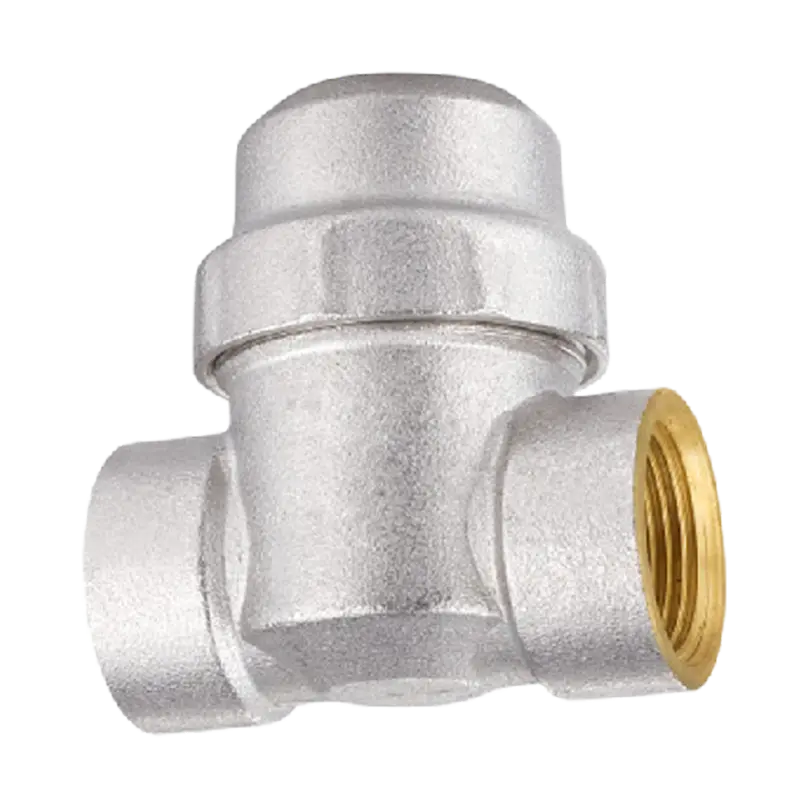
Answers to key engineering, installation, and procurement questions regarding steam gate valves.
High-pressure steam causes rapid erosion, thermal binding, and seat degradation. The primary challenges are handling thermal expansion differences between the body and the stem/disc assembly, and preventing wire-drawing when the valve is cracked open. To counter this, our steam gate valves utilize flexible wedge geometries and Stellite hardfacing on the seats to withstand high-velocity flow.
Solid wedges are prone to thermal binding: when a valve is closed while hot, the body contracts during cooling at a different rate than the wedge, trapping the wedge in the seats. A flexible wedge features a cut around the periphery, allowing it to adapt to seat alignment changes and body deflection due to thermal expansion, ensuring reliable operation.
Our valves utilize high-grade die-formed flexible graphite packing rings with braided graphite anti-extrusion rings. This setup meets fugitive emission standards such as API 622/624, maintaining tight seals under temperature changes from $0^\circ\text{C}$ to over $450^\circ\text{C}$.
Every production batch is backed by EN 10204 3.1 Material Test Reports (MTRs) detailing chemical composition and mechanical properties. Pressure test logs in compliance with API 598 or DIN EN 12266-1 (hydrostatic shell, seat, and pneumatic air tests) are standard for all shipments.
Yes. High-quality lead-free brass alloys (such as DZR brass) are suitable for low-pressure steam service up to 15 psi ($100^\circ\text{C}$). For commercial steam loops, we recommend cast or forged steel valves rated to ASME pressure classes (Class 150/300).
Steam velocities exceeding $30\text{ m/s}$ in saturated steam systems can cause rapid erosion of internal components if water droplets are present. Gate valves must only be used in fully open or fully closed positions. Throttling steam with a gate valve causes immediate turbulent erosion of the seat face.
Under our ISO 9001:2015 system, each raw material melt is tagged with a unique batch heat number. From initial forging to CNC machining, assembly, and testing, this number is tracked through our ERP system, ensuring full traceability from the raw metal to the final installation.
ASME standards specify nominal size in inches and pressure classes (e.g., 2" Class 150), utilizing flange patterns defined by ASME B16.5. DIN standards use Nominal Diameter (DN) in millimeters and Nominal Pressure (PN) ratings in bars (e.g., DN50 PN16), using dimensions defined by EN 1092-1. We manufacture both configurations to support global requirements.
Using inline Y-strainers, such as the Yongda Brass Y Type Strainer, upstream of isolation valves is essential to collect scale and debris. Steam traps must also be serviced regularly to prevent condensate pooling, which causes water hammer and cavitation.
For standard custom designs, our engineering team produces initial CAD/3D models within 5 working days. Once approved, sample prototyping takes 20 to 30 days depending on the complexity of the tooling, followed by mass production runs of 30 to 45 days.
Explore our second selection of plumbing fittings, air vents, and heating control accessories.