 Yongda
Yongda
Yongda
Precision-engineered tank ball valves are structural cornerstones in modern fluid mechanics, providing secure, bubble-tight sealing and low pressure drops for commercial, agricultural, and process industries. As lead-free legislation and environmental benchmarks tighten worldwide, sourcing from certified OEM partners becomes vital.
In large-scale industrial processing and residential building systems, control efficiency is defined by flow dynamics and metallurgical purity. A high-performance OEM tank ball valve is built to control medium discharge from storage tanks, manifolds, or boiler units under varying thermal and chemical environments. These valves are optimized with spherical spools that minimize turbulent flow, reduce cavitation, and maintain system integrity over high-cycle lifespans. By matching correct materials—like lead-free forged brass, dezincification-resistant (DZR) brass, and high-performance PTFE seals—OEM partners assure reliability from engineering design to structural integration.
Established in 1996, Yuhuan Yongda Fluid Control Co., Ltd. (formerly Yuhuan Yongda Plumbing Co., Ltd.) is situated in Yuhuan, Zhejiang—the recognized valve capital of China. Over decades of industrial maturation, the enterprise has emerged as a premium designer, developer, and manufacturer of brass valves, fittings, and HVAC distribution components.
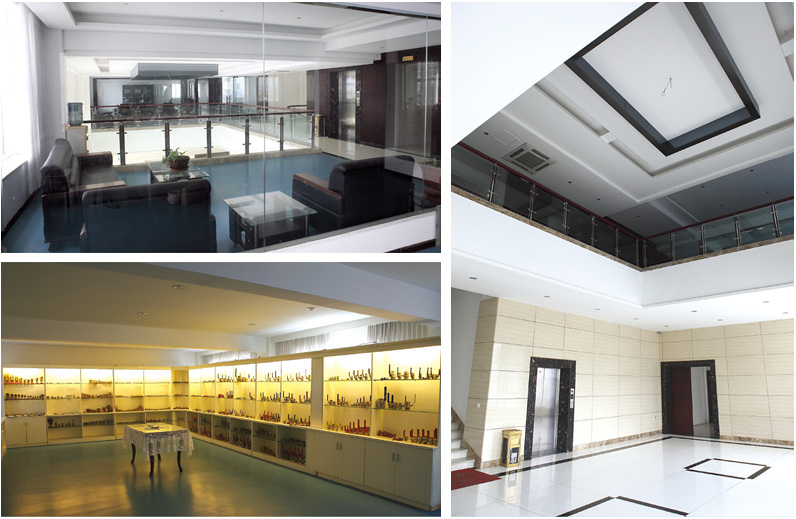
Positioned within the mid-to-high grade market segment, Yongda integrates environmental protection with metallurgical excellence. Our products are exported to North America, Europe, and over 20 countries. We run a production site spanning 45,000 square meters, with an operational footprint of 80,000 square meters. The plant utilizes 600+ advanced manufacturing and testing units, including 80+ specialized machine tools, allowing for rapid customization to match rigorous international standards.
"Keep flowing, keep warming." As our premium brand identity, Cokaren concentrates on refined aesthetics, zero-tolerance leakage tolerances, and home hydronic comfort. It represents our push to deliver world-class fluid solutions.

Analyzing mechanical fluid systems reveals a steady shift toward high-performance alloys and modular system integrations.
Today's industrial landscape demands fluid infrastructure that can handle higher working pressures while ensuring safety and compliance. Storage tank components face severe operational cycles, where standard valves can develop scaling, erosion, or dynamic seat failures. Across North America and Europe, stringent environmental and sanitation codes dictate that any component handling potable water or glycol-based thermal fluids must resist corrosion and heavy metal leaching.
This regulation has elevated Lead-Free Brass Alloys and Dezincification-Resistant (DZR) Brass to industry standards. DZR brass prevents zinc loss in acidic or chlorine-heavy water, preserving the structural integrity of the valve body and threads. In agricultural applications, such as bulk storage tanks and water supply networks, durable mechanical isolation is critical to avoid system downtime. Industrial networks now rely on full-port brass ball valves for complete, unrestricted flow to achieve optimal system efficiency and minimum head loss.
Adapting to NSF/ANSI 61 and regional European lead-free certifications. Ensuring toxicological safety across residential and commercial water distribution lines.
Utilizing alloy standards like CW617N, CW602N (DZR), and specialized copper formulations designed to limit stress corrosion cracking (SCC) under high load.
Employing virgin and reinforced PTFE seats to ensure a bubble-tight seal, low turning torque, and thermal resistance from -20°C up to 150°C.
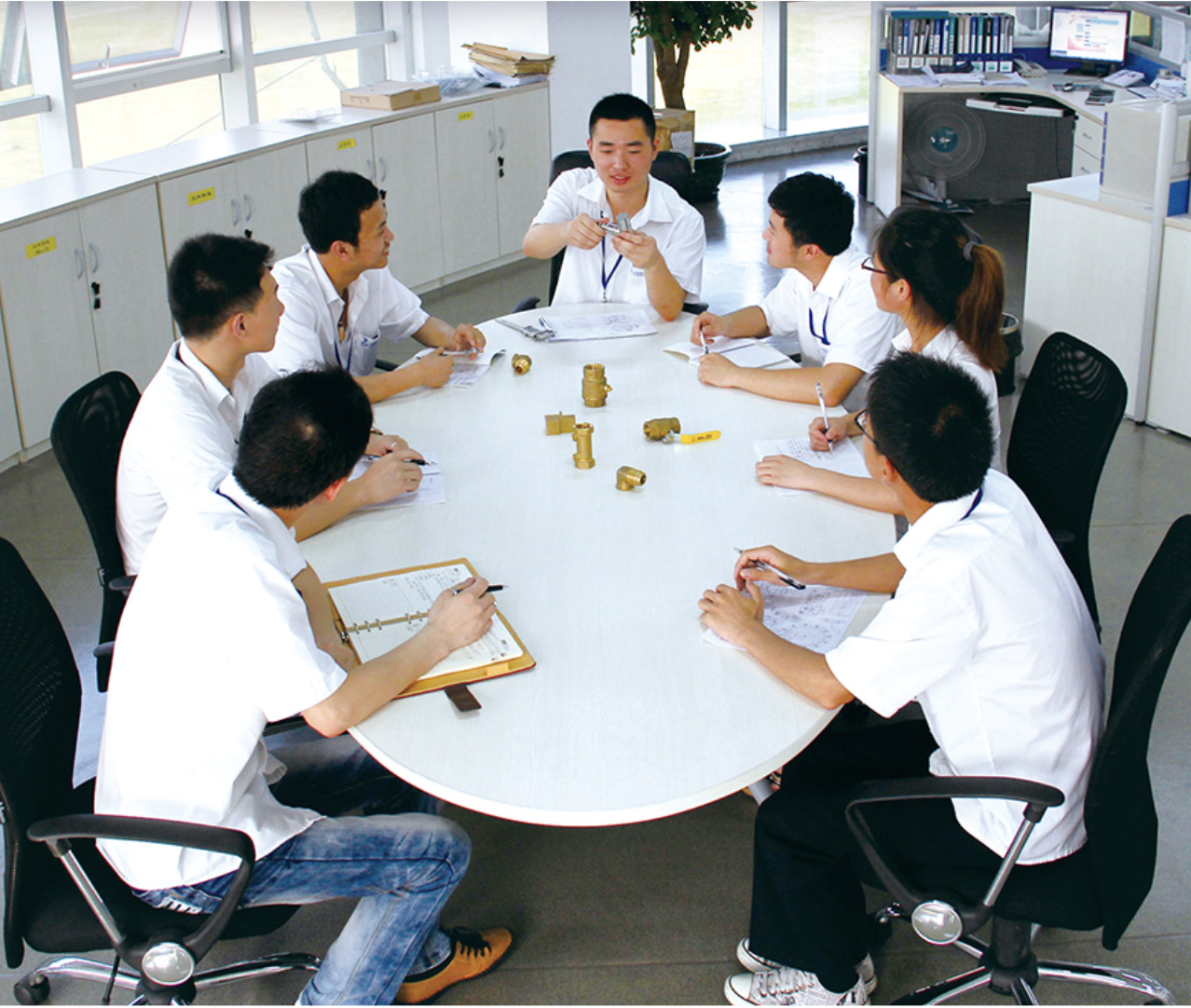

Quality control is integrated into every phase of production, supported by systematic international standard certifications.
Our facilities adhere to global management frameworks, ensuring operational consistency, safety, and minimized environmental footprint:
Core Pillars: Struggle, Enterprising, Pragmatic, Innovative.
Operations Tenet: Customer first, Quality based.
Quality Policy: Fine work, no leakage.
Our production practices focus on enhancing structural performance, expanding industrial capabilities, and maintaining alignment between employee welfare and client-focused growth.
A systematic approach to domestic water sanitation, boiler control, and environmental hydronics.
Industrial and domestic hydronic circuits function as complete networks rather than isolated parts. An efficient energy distribution system links thermal generation (boilers, air-source heat pumps) with terminals (underfloor heating manifolds, radiator arrays) through balanced control points.
Our product lineup handles everything from raw particulate filtration at the main intake to micro-adjustments of water temperature and pressure. Integrating specialized ball valves, air vents, and mixing units helps prevent cavitation, system stagnation, and thermal shock.


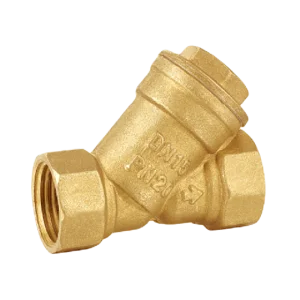
The first line of defense in domestic water sanitation, can filter 98% of impurities in the pipeline.
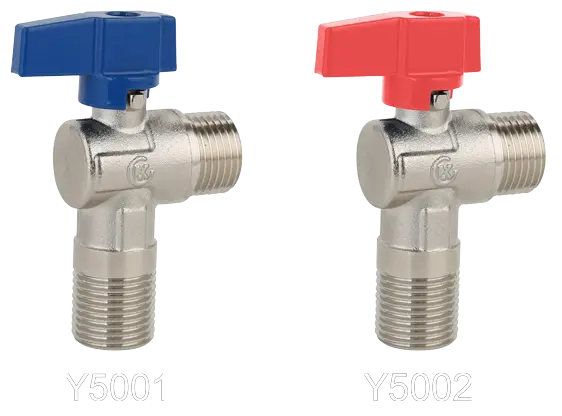
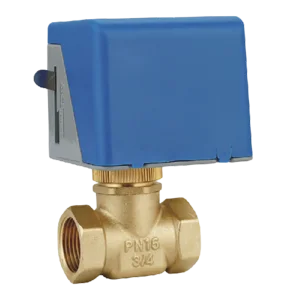
Used to control the inflow and outflow of cold water and hot water in the boiler, with Spherical spool.
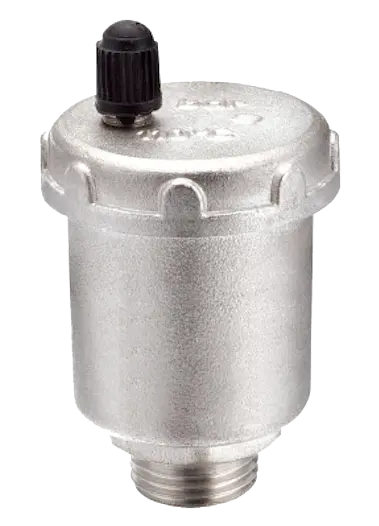
Used to discharge excess air in the air source water heater to ensure stable operation of the equipment.
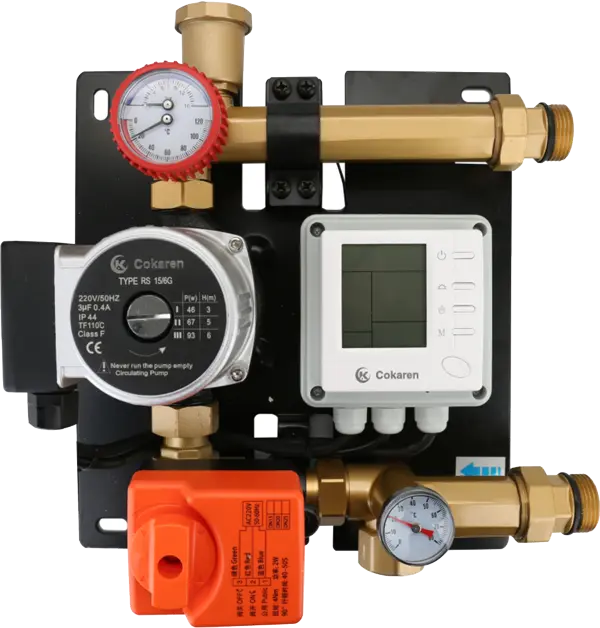
Used to mix cold and hot water in pipes, stabilizing temperature, protect pipeline.

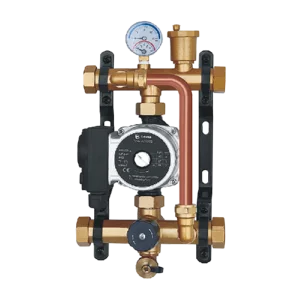
Combine all the equipment to adjust the room temperature.
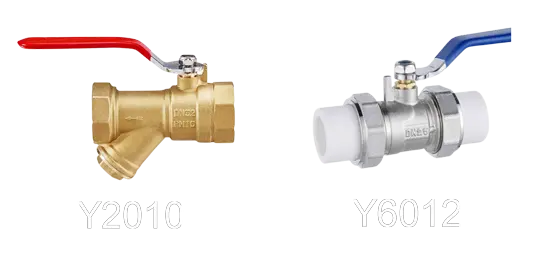
Used to filter and discharge impurities in the pipeline, control the switch of the back-end manifold, measure temperature and water pressure.
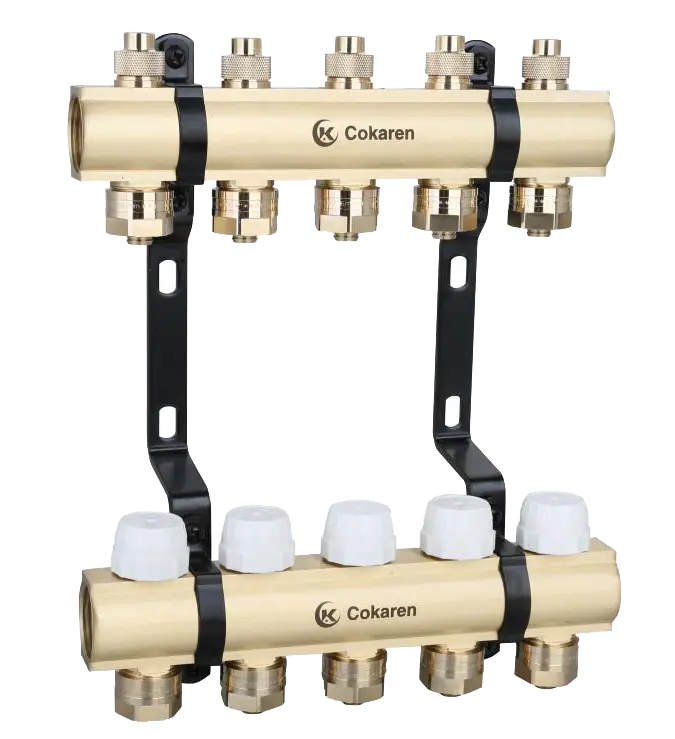
Distribute water flow to various rooms Combine all the equipment to adjust the room temperature.

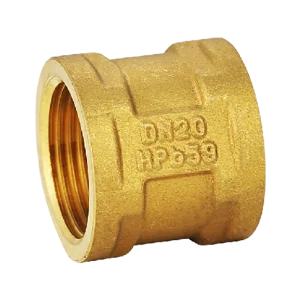
Optimized auxiliary connectors designed to build unified, zero-leak configurations.
How modern manufacturing processes, materials science, and digital controls shape the future of industrial tank management.
Integrating actuators with Internet of Things (IoT) protocols is reshaping industrial fluid routing. Smart tank valves communicate flow diagnostics, cycle limits, and seal degradation metrics to central control rooms, preventing containment issues before they occur.
Hot forging under high press tonnage eliminates internal porosities that cause leaks in cast metals. Precision CNC machining yields concentric ball paths, reducing rotational friction and lowering actuator torque demands by up to 30%.
Global regulatory frameworks drive the transition toward bismuth-alloy and silicon-alloy lead-free brasses. Sourcing clean alloys and implementing scrap recycling processes are crucial steps for responsible manufacturing in modern foundries.
Tailored solutions engineered to meet the operating requirements of key industrial sectors.
Plumbing setups require NSF/ANSI 61 and NSF 372 certifications to verify safety for drinking water. Tank draw-off valves and water service links must withstand scale buildup from hard mineral water.
Closed-loop hydronic heating circuits depend on corrosion resistance and precise thermal management. Ball valves must handle additives like glycol and rust inhibitors without seal swelling.
Insights on material specifications, seal materials, and sizing considerations for design engineers.
Dezincification-resistant (DZR) brass prevents selective leaching of zinc when exposed to aggressive water containing high chlorides or low pH. Standard brass (like CW617N) can lose zinc content over time under these conditions, leaving a porous, copper-rich structure with weakened mechanical strength. DZR brass maintains valve shell integrity and prevents weeping leaks.
A full-port ball valve maintains an internal bore diameter equal to the connecting pipe size. This setup minimizes resistance to flow (low Cv factor), allowing faster tank drainage and reducing the risk of clogging when thick media, sludge, or particulate mineral scale is evacuated.
Polytetrafluoroethylene (PTFE) exhibits excellent chemical inertness and low friction coefficients. It resists sticking to the metal ball even during extended periods without cycles. High-quality virgin PTFE provides uniform sealing contact, keeping startup torque predictable and preventing damage to seat edges.
Our "Fine work, no leakage" standard uses air and hydrostatic testing on every valve before it leaves the plant. We check seals under both low-pressure air (to catch micro-pores) and high-pressure water (to verify mechanical strength), ensuring each unit meets regional safety rules.
We provide standard sandblasting, nickel plating, and chrome plating to meet diverse corrosion resistance requirements. OEM clients can also select specialized thread forms (NPT, BSP, or custom configurations), bespoke logo stampings, and custom-calibrated pressure release options.
Explore our primary product lineup, featuring underfloor manifolds, temperature balancing units, and heavy-duty brass piping components.
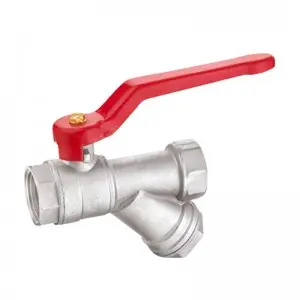
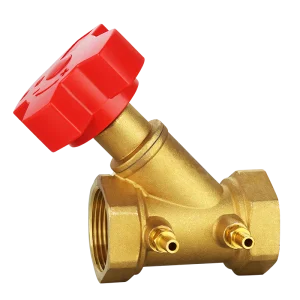
Combines flow control with inline particulate filtration to shield downstream control loops.
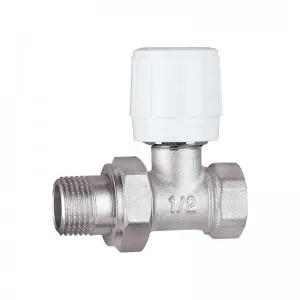
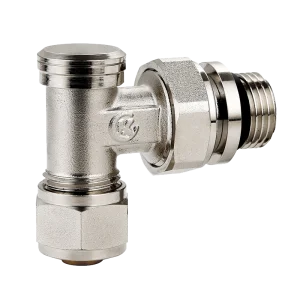
Manual temperature control valves optimized for stable hydronic balance.
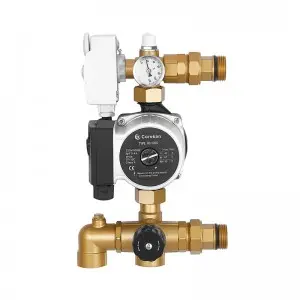
Maintains target temperatures by blending return water in radiant heating systems.
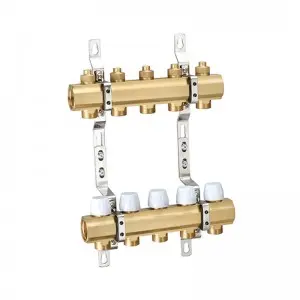
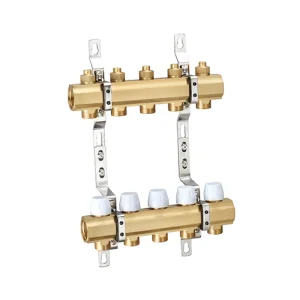
Distributes heating fluid across independent zones in multi-room buildings.
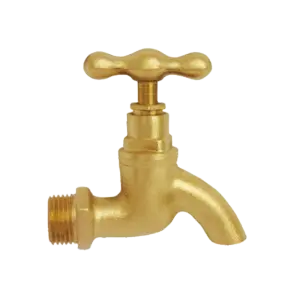
A rugged outdoor water tap engineered by Cokaren for long-term service.
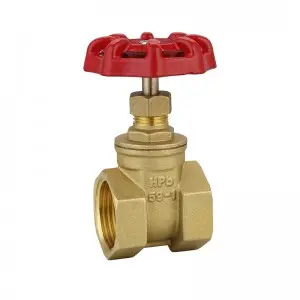
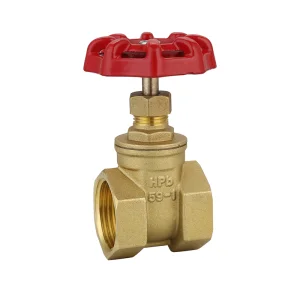
High-seal isolation valves built for system shutoffs.
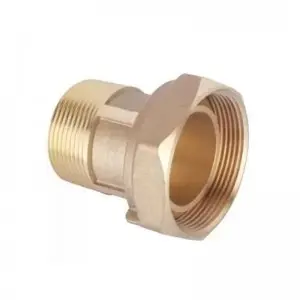
Straight, uniform flow tubes designed for utility meters and monitoring systems.
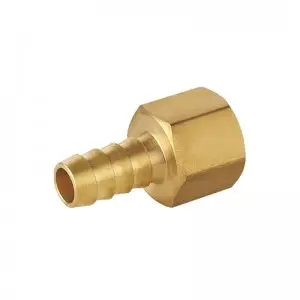
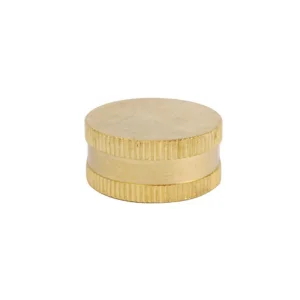
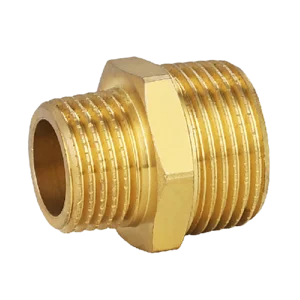
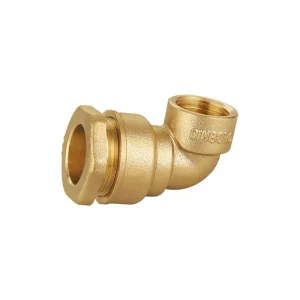
Corrosion-resistant fittings designed to secure flexible hoses.
Configuring complete plant pipelines and mechanical integrations with high-reliability brass systems.
Beyond discrete valves, commercial systems demand integrated manifold configurations, pressure balancing loops, and safety relief devices that work in unison. In modern underfloor heating setups, water mixing units combine hot supply water with cooled return water, maintaining precise temperatures to protect piping networks.
Selecting matched brass pipe connectors, air venting valves, and balancing controls simplifies installation and limits corrosion points. Our OEM capabilities cover the entire fluid control layout, providing global procurement teams with unified designs, certified materials, and reliable production capacity.
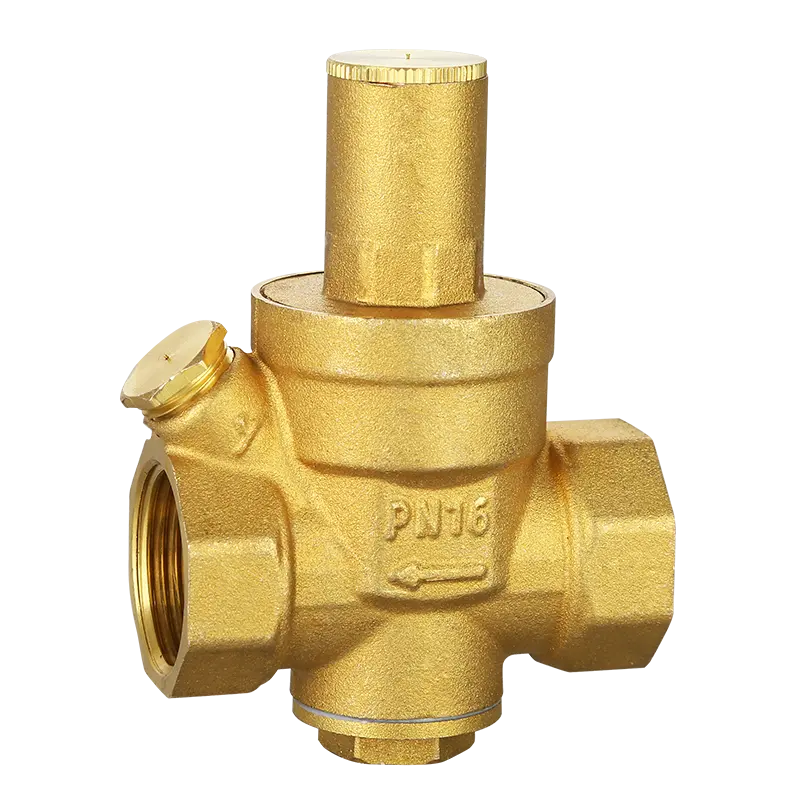
Forged piston pressure reduction valves for dynamic circuit safety.
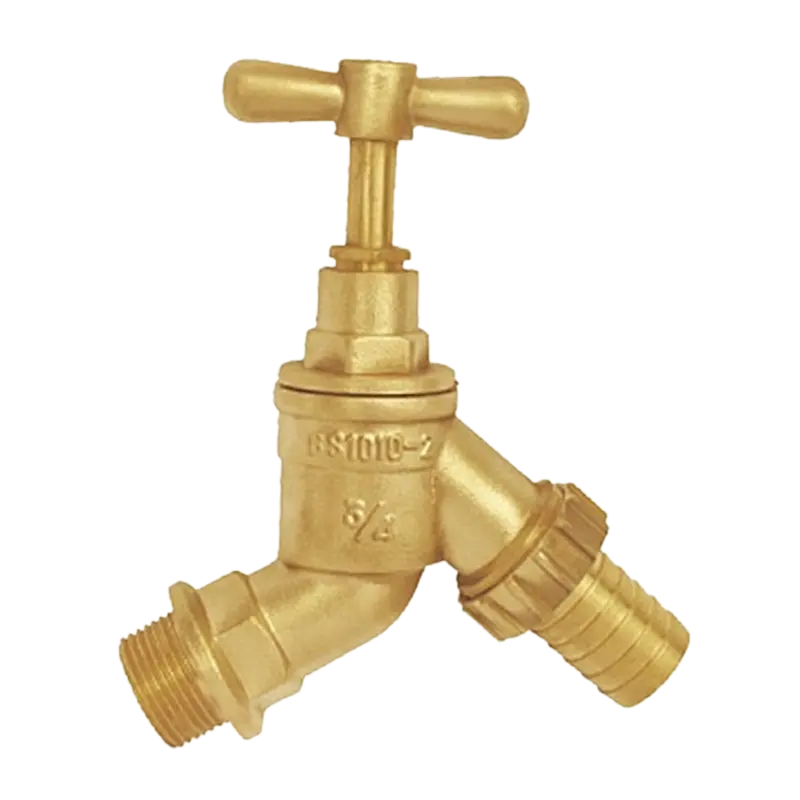
Corrosion-resistant stop taps designed for utility drainage points.
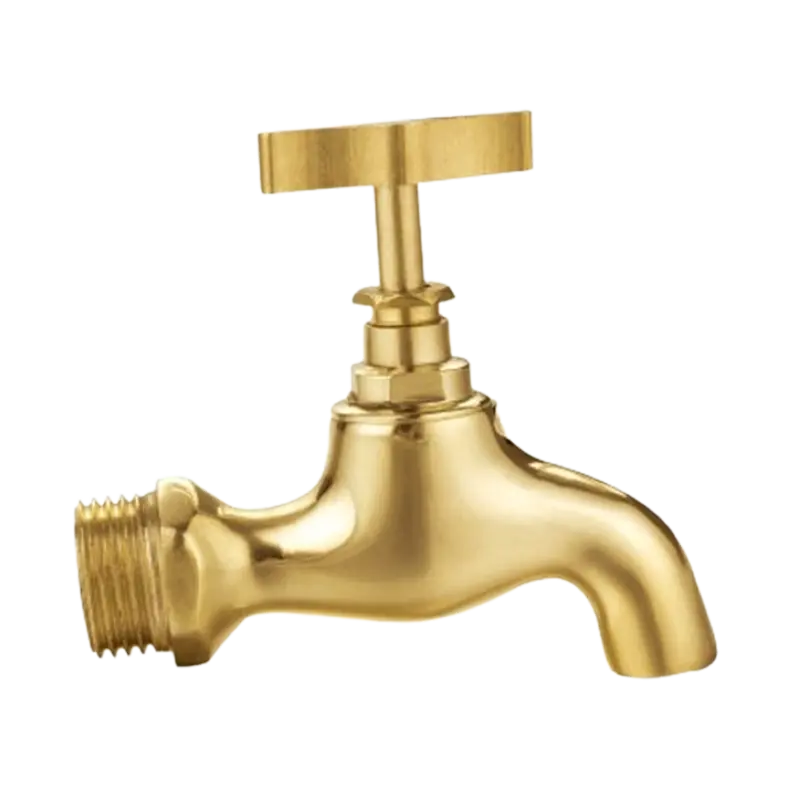
Taps built for utility lines and agricultural storage applications.