 Yongda
Yongda
Yongda
Engineered to international standards for reliable hydronic, HVAC, and sanitary infrastructure applications.
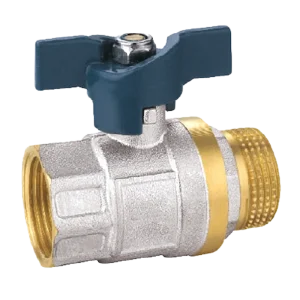
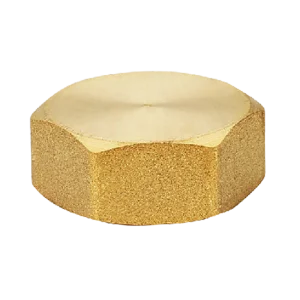
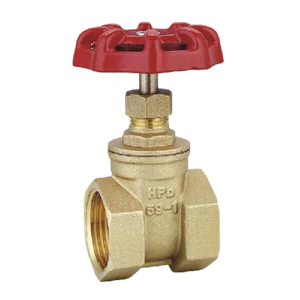
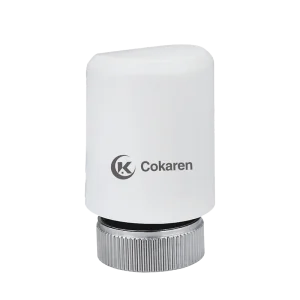
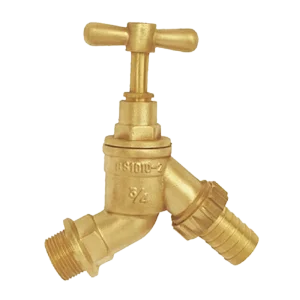
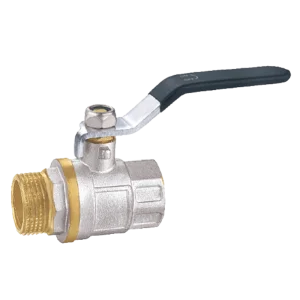
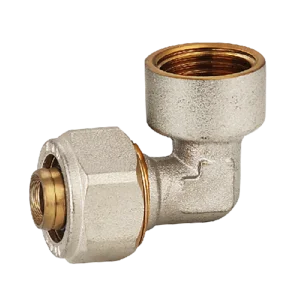
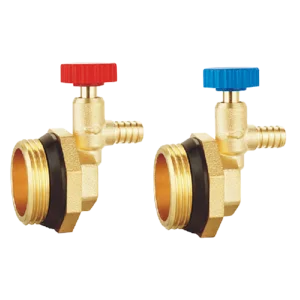
In modern commercial construction, municipal infrastructure, and residential HVAC operations, flow management represents the foundation of systemic stability. Gate valves—acting as the ultimate isolation mechanism within closed-loop pipelines—must operate with absolute reliability under severe pressures and varying thermal ranges.
As a premier OEM gate valve factory, Yuhuan Yongda Fluid Control Co., Ltd. analyzes the macro-industrial demand shift toward decarbonization, building energy efficiency, and hazardous material reduction. Through state-of-the-art forging methods, custom structural designs, and raw material specification matching, we deliver valves that optimize pressure profiles and prevent fluid leakage. Our solutions support critical heating, cooling, and potable water distribution networks globally.

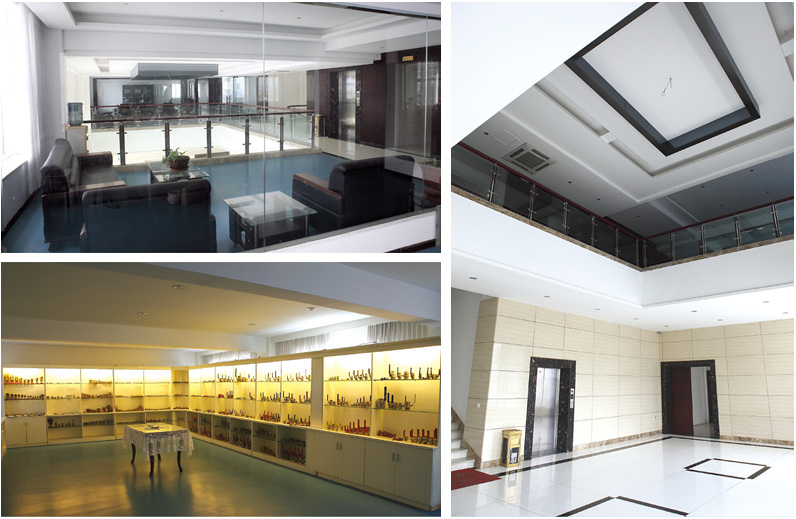
Founded in 1996 and located in Yuhuan, Zhejiang—the recognized "China Valve Capital"—Yuhuan Yongda Fluid Control Co., Ltd. (formerly Yuhuan Yongda Plumbing Co., Ltd.) has evolved into an industry leader in high-grade brass valve design, raw material purification, machining, and international distribution.
Spanning a comprehensive factory area of over 45,000 square meters, with an actual usable floor area reaching 80,000 square meters, our facility houses more than 600 sets of advanced manufacturing and testing devices. This includes over 80 sets of specialized machine tools capable of executing micro-tolerance specifications.
Under our premium brand Cokaren, which operates on the core promise "keep flowing, keep warming," we supply environmental and commercial heating solutions to consumers and engineering contractors across North America, Europe, and over 20 nations worldwide.
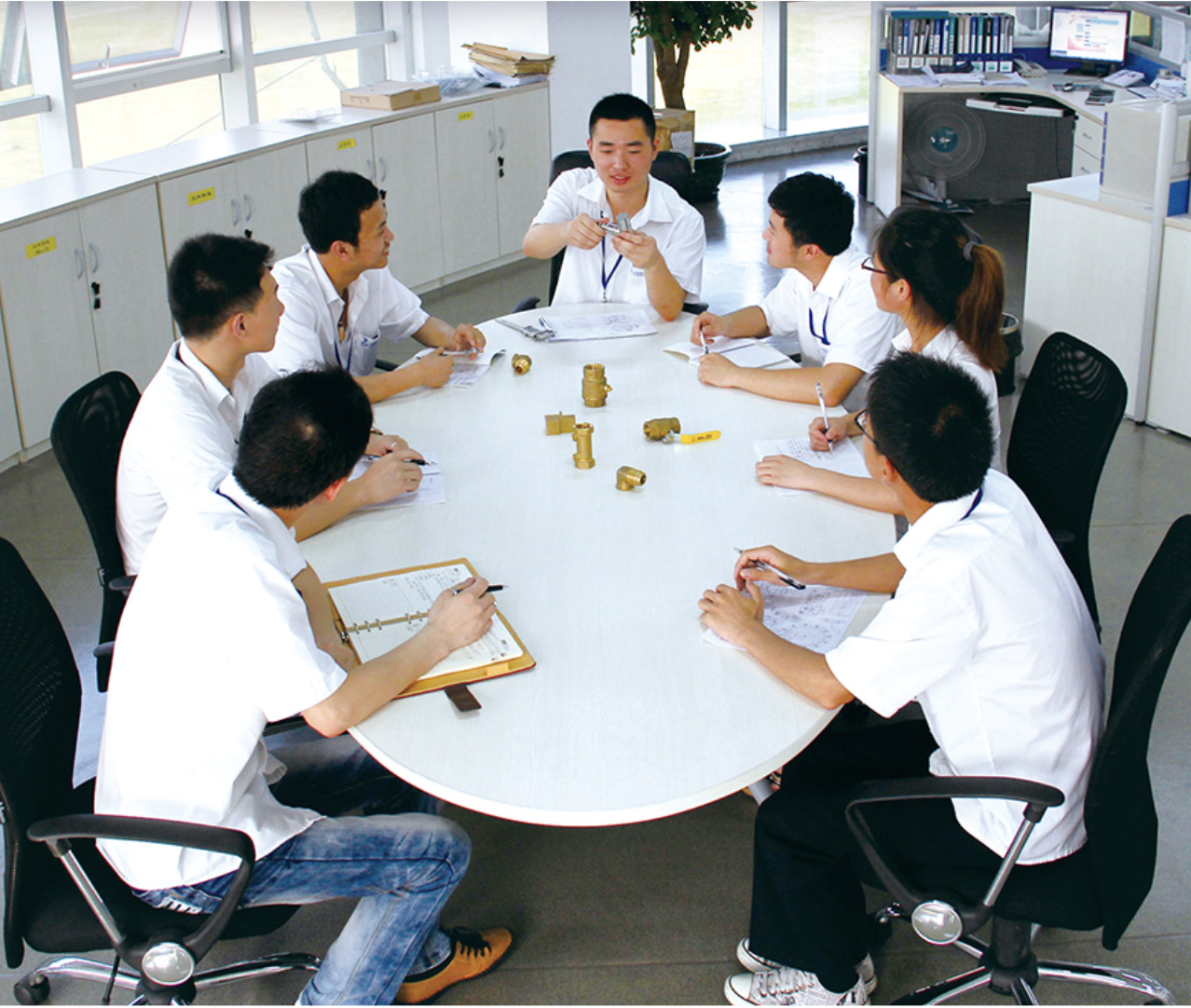
At Yuhuan Yongda, quality is not a post-production metric but an integrated operational protocol. Guided by our corporate core values of being "Struggle, Enterprising, Pragmatic, and Innovative", our teams maintain strict quality control throughout the manufacturing lifecycle.
Our core quality policy—"Fine work, no leakage"—drives our precision machining workflows. Every single gate, ball, and check valve undergoes hydrostatic testing to ensure zero structural weaknesses or micro-fissures, reducing installation failures in residential and industrial settings. We aim to balance enterprise growth with employee satisfaction, believing that high internal standards drive customer success.

To serve as an authorized OEM supplier for strict global markets, Yuhuan Yongda maintains an updated compliance catalog. We have secured and continuously uphold:
Our certifications confirm that our production lines, raw materials, waste management, and employee conditions meet international industry benchmarks. This enables us to provide certified OEM components to municipal infrastructure operations globally.
Comprehensive hydronic control and distribution solutions for modern smart building infrastructure.


The first line of defense in domestic water sanitation, filtering up to 98% of sediment and particulate impurities inside the main plumbing pipeline.
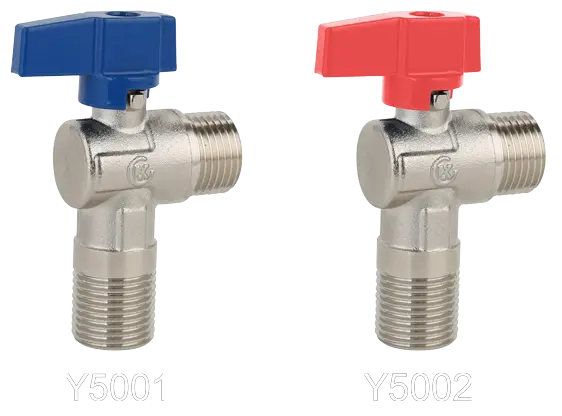
Controls flow rates in cold and hot boiler inlets and outlets, utilizing a spherical brass spool design for smooth operation.
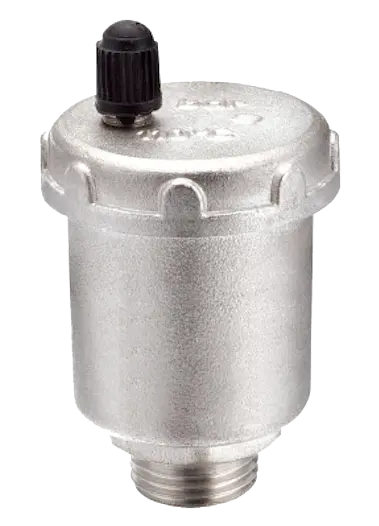
Automatically discharges accumulated air in source water heaters and closed hydronic circuits to maintain steady pump efficiency.
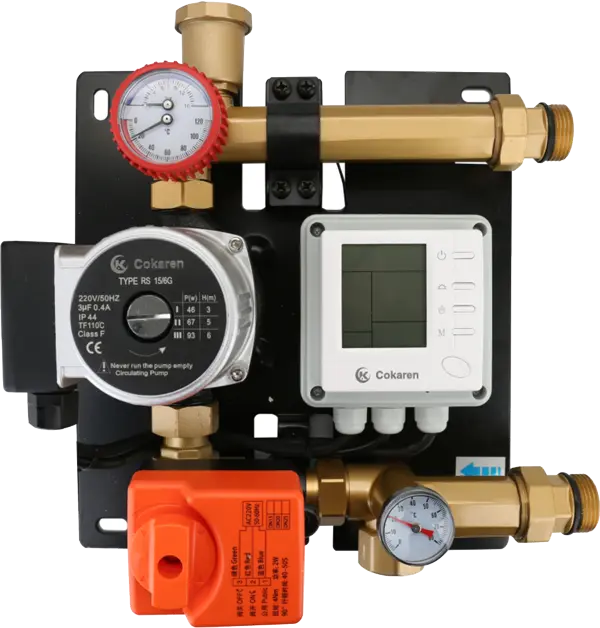
Blends cold and hot fluid channels to maintain set output temperatures, protecting system pipes from thermal shock.

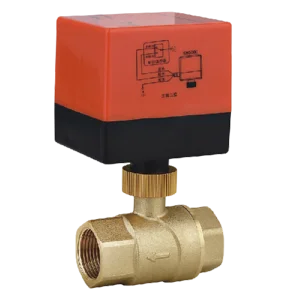
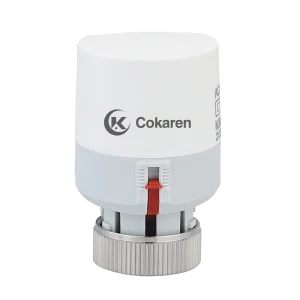
Integrates room temperature monitoring with actuator loops to balance thermal output across complex floor layouts.
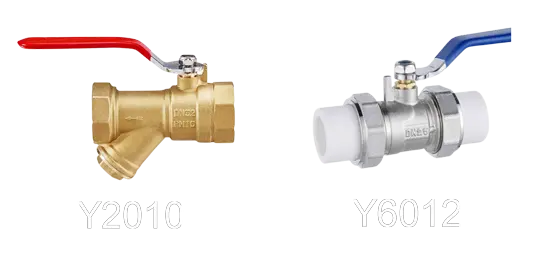
Multi-purpose brass valve group designed for impurity filtration, pressure monitoring, temperature assessment, and return manifold control.
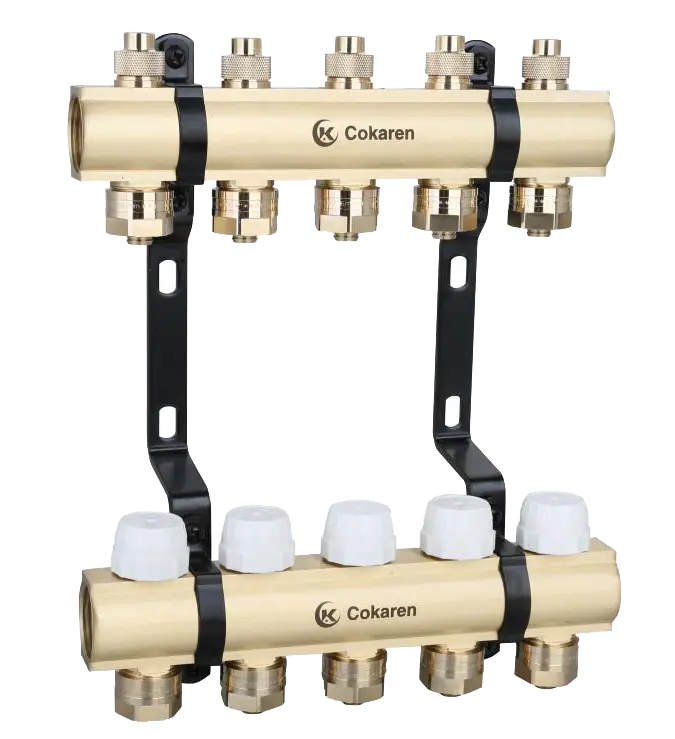
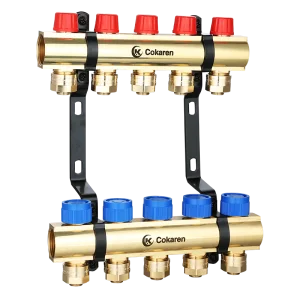
Distributes flow across multiple zones, integrating micro-adjusters to regulate underfloor heating loops.
A comprehensive engineering overview of brass alloy formulations and valve structure configurations.
The performance of a gate valve in extreme environments depends heavily on its metallurgy. Casting brass often leaves internal microporosities that can fail under high-pressure cycles. Yuhuan Yongda uses Hot-Forging Technology, heating brass billets to exact plastic-deformation temperatures before pressing. This closes microvoids and aligns the grain structure to maximize tensile strength.
| Brass Grade Designation | Copper (Cu) % | Lead (Pb) % | Zinc (Zn) % | Key Attributes & Recommended Application |
|---|---|---|---|---|
| CW617N (EN 12165) | 57.0 - 59.0% | 1.6 - 2.5% | Remainder | Standard European alloy. Excellent hot-forging capability and high mechanical resistance. Suitable for heating and gas networks. |
| C37700 (ASTM B124) | 58.0 - 61.0% | 1.5 - 2.5% | Remainder | Standard North American forging brass. Excellent machinability, corrosion resistance, and high structural integrity. |
| Lead-Free DZR (Eco-Brass) | 61.0 - 63.0% | < 0.2% | Remainder | Dezincification-Resistant. Designed for strict drinking water regulations (e.g., NSF/ANSI 372) to prevent lead leaching. |
An analysis of industrial urbanization, regulatory updates, and the transition to eco-friendly alloys.
The global valve and plumbing fittings market is undergoing significant changes driven by three major factors: urbanization, environmental regulations, and energy efficiency mandates.
In North America, strict drinking water regulations, such as California’s Safe Drinking Water Act (AB1953) and NSF/ANSI 61, have reshaped material requirements. Manufacturers supplying municipal or residential drinking systems must use lead-free brass formulations. Standard high-lead brass is being phased out in favor of silicon-bismuth-doped lead-free alternatives that resist corrosion and prevent zinc leaching.
In the European Union, the focus remains on retrofitting existing buildings with energy-efficient HVAC networks. Hydronic radiant underfloor heating and district heating loops require precise control components, including thermostatic manifolds, dynamic bypass valves, and smart actuators. These systems optimize heat distribution and reduce boiler fuel consumption, supporting the EU's carbon reduction targets.
From commercial mechanical rooms to residential underfloor heating circuits.
Within multi-story offices and industrial complexes, primary heating and cooling loops require secure shutoff valves. Full-bore brass gate valves provide isolating control with minimal pressure loss. This helps maintain balanced system flow and reduces energy demand on circulation pumps.
Using manifolds like the Y1001, technicians split hot water from the main boiler into individual room circuits. Mixing shunts and thermostatic valves balance temperatures across zones, preventing floor damage from high heat and ensuring comfortable indoor climates.
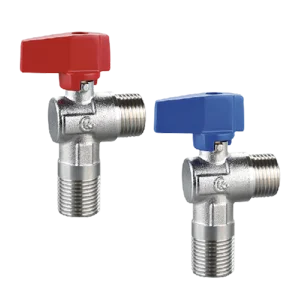
Boiler setups rely on specialized control valves like the Y5001/Y5002 boiler angle valves to isolate incoming cold supply and regulate outflow. Integrated check valves prevent backflow, safeguarding clean water supplies from contamination.
Our R&D vision for the next generation of smart, sustainable flow control systems.
Expanding our use of lead-free and dezincification-resistant (DZR) alloys, ensuring compliant options for global municipal water projects.
Developing low-power, wireless actuators that integrate with Building Management Systems (BMS) for automated flow balancing.
Using finite element analysis (FEA) and fluid dynamics simulation to optimize valve internal geometries, reducing flow resistance.
Integrating robotic assembly lines with automated optical inspection (AOI) to scale up production and maintain tight tolerances.
Technical guidance on selection, compliance, and application of industrial valve products.
Gate valves are designed for isolation—fully open or fully closed service. They provide a straight-through flow path with minimal pressure drop. Ball valves, conversely, allow quick quarter-turn operation and are ideal for frequent shutoff, though they create higher turbulent resistance in semi-open positions.
When standard brass is exposed to water containing chlorides or oxygen, zinc can leach out of the alloy. This process, known as dezincification, weakens the metal and can cause pinhole leaks or structural failure. DZR brass is alloyed to resist this reaction, extending the service life of valves in harsh water conditions.
We run automated machining lines with real-time tooling wear calibration. Post-assembly, 100% of our products undergo high-pressure air-under-water shell and seat leak testing, rather than batch testing. This helps us ensure that every shipped unit meets our performance standards.
Our OEM services support custom thread sizing (NPT, BSPP, BSPT), custom handle configurations (lever, butterfly, tee-handle, or key-lockable), and alternative surface finishes (raw sandblasted brass, nickel plating, or chrome plating) to match your system requirements.
Explore our additional range of actuators, manifold accessories, and brass connectors.