 Yongda
Yongda
Yongda
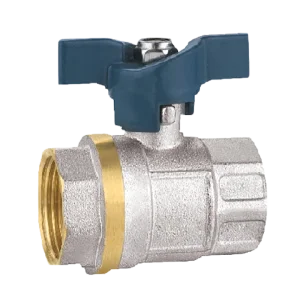
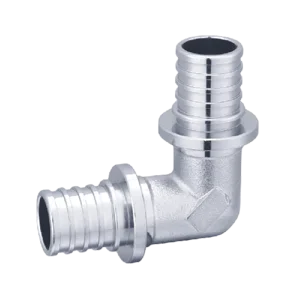
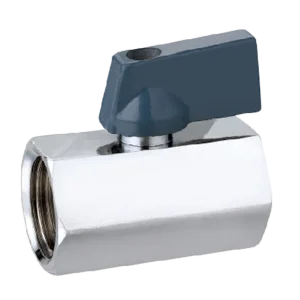
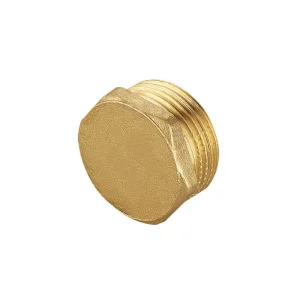
In modern high-capacity hydronic networks, domestic water lines, and HVAC systems, maintaining stable downstream pressure is a prerequisite for system longevity. As a leading manufacturer and OEM Valve Reducing Exporter, we specialize in solving pressure fluctuation vulnerabilities. A Pressure Reducing Valve (PRV) serves as a system guardian, attenuating incoming peak pressures to a safe, constant operating level. Without precise pressure reduction, components such as boiler valves, water meters, and underfloor manifold connections are subject to premature fatigue, hydraulic shock, and catastrophic failure.
Through advanced CAD modeling, high-precision thermodynamic simulations, and finite element analysis (FEA), our engineered brass pressure reducing valves minimize kinetic energy losses and turbulent flow profiles. By employing a forged brass piston or high-resilience diaphragm mechanism, these valves automatically modulate their orifice diameter in reaction to downstream pressure changes. This self-regulating behavior ensures static and dynamic lockup features are consistently maintained, guaranteeing a reliable safeguard for sensitive components.

As a cornerstone of China's premium brass valve manufacturing base, we combine nearly three decades of industrial metallurgy with large-scale manufacturing infrastructure.
Cokaren, a dynamic brand under Yuhuan Yongda Fluid Control Co., Ltd., represents our dedication to refined product aesthetics and strict quality control. Our brand promise is direct and actionable: "keep flowing, keep warming". We design and engineer water system components that operate seamlessly under varied pressure environments to deliver reliable warmth and safety to residential, commercial, and industrial facilities globally.
We approach structural design with a focus on ease of installation and operation. From specialized temperature control systems for HVAC to underfloor heating brass mixing blocks, Cokaren products are designed for energy efficiency, quick installation, and long-term durability. By refining our metallurgical formulation, optimizing internal flow paths, and standardizing thread tolerances, Cokaren products consistently meet the expectations of engineers and building professionals alike.
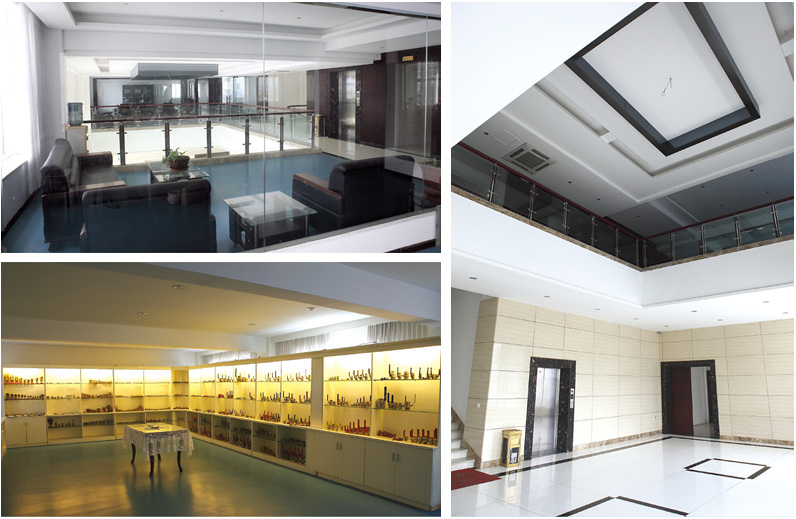
Located in Yuhuan, Zhejiang—the recognized "Valve Capital of China"—our manufacturing processes are fully integrated. From raw material smelting, gravity casting, and hot forging to high-precision CNC machining, multi-stage polishing, surface electroplating, and pressure testing, all steps are completed in-house. This centralized control reduces logistics friction, preserves trace material records, and ensures consistent quality.
Operating over 600 sets of advanced machinery—including 80 specialized, high-precision machining units—we can scale production while maintaining close dimensional tolerances (within ±0.01mm). Hot forging yields a denser brass grain structure than sand casting, virtually eliminating internal micro-voids, porosity, and crack susceptibility under thermal cycling stress.
Our zero-tolerance inspection policy ensures every valve is 100% pressure-tested before shipment. Using air and water testing units, our valves undergo leak testing up to 1.6 MPa (PN16 rating). Our quality commitment is reflected in our policy of "fine work, no leakage," protecting pipelines from pressure surges, fluid loss, and mechanical wear.
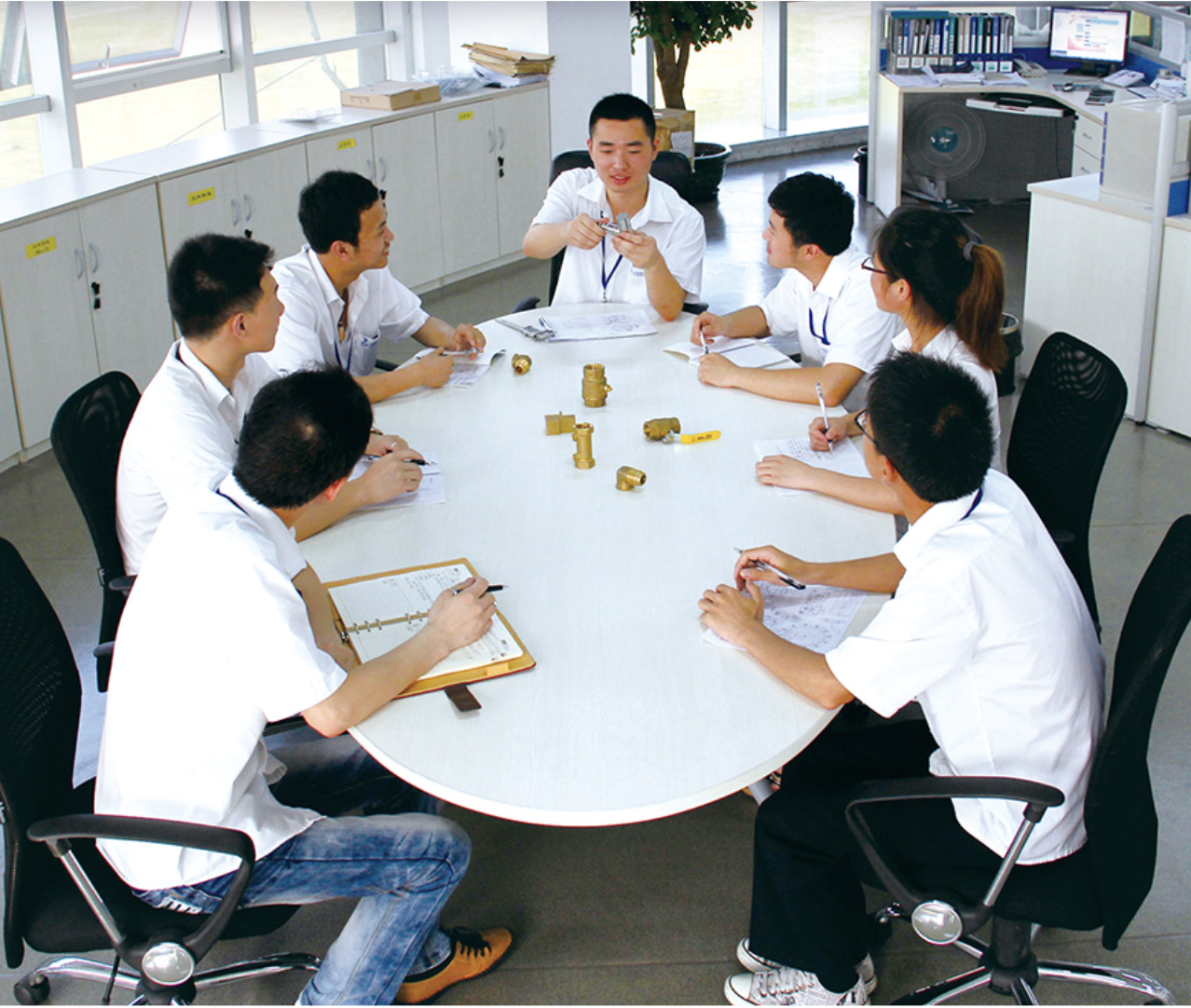
Yuhuan Yongda Fluid Control Co., Ltd. structures its daily operations around four core principles: Struggle, Enterprising, Pragmatic, and Innovative. Under the guidance of "Customer first, Quality based" and our strict policy of "Fine work, no leakage," we continuously upgrade our production methods and improve the skills of our technical workforce. By matching organizational growth with employee welfare, we ensure our production lines maintain a steady output of reliable flow control components.
Our industrial facility of over 45,000 square meters (with an actual usable space of 80,000 square meters) runs on systematic quality and environmental management architectures. We adhere to three major international standards to ensure our manufacturing operations are clean, safe, and highly structured:
Beyond manufacturing individual valves, we design and produce comprehensive energy distribution modules. These components function together to regulate flow and balance temperatures in HVAC systems and potable water networks.

Serving as the initial line of defense in domestic plumbing layouts, the Y9021 water filter isolates and captures up to 98% of physical sediment and particulate matter. This step protects downstream valves and domestic appliances from abrasive wear.
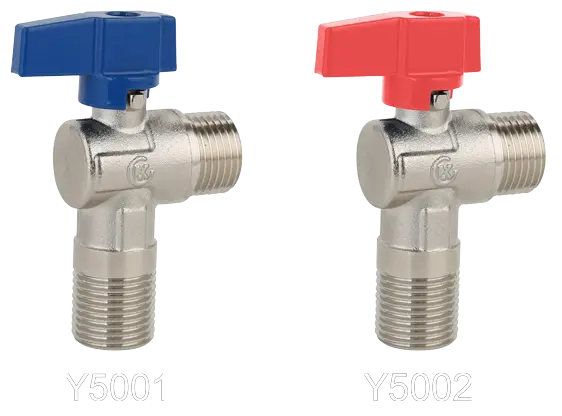
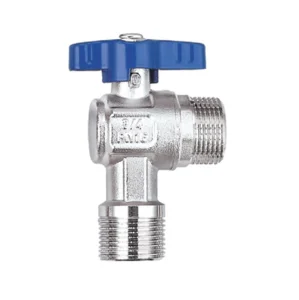
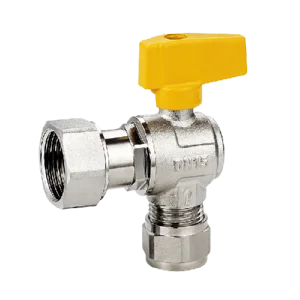
Engineered to control cold water inflow and hot water outflow in boiler installations. Using a spherical brass spool and low-friction seats, it provides reliable isolation in high-temperature environments.
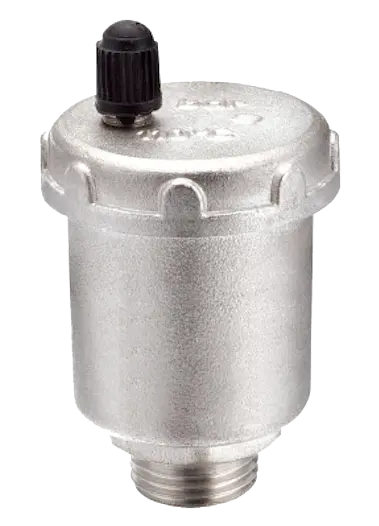
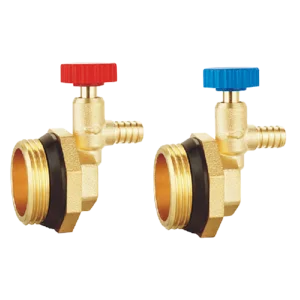
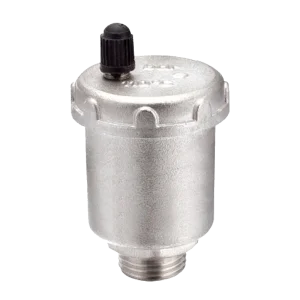
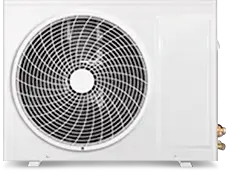
Designed to automatically vent air from air-source heat pumps and solar water heaters. Removing air pockets helps prevent system noise, air locks, and oxidative corrosion within the fluid path.
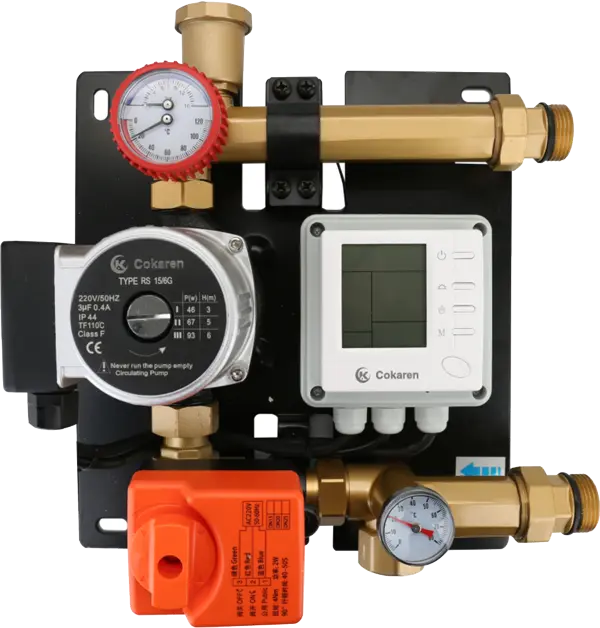
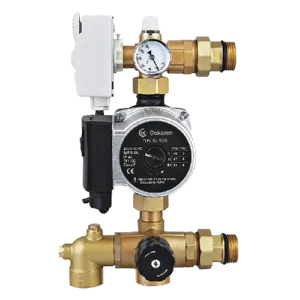
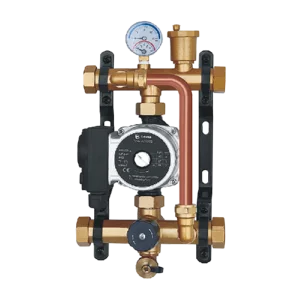
Used in floor heating loops, the Y5020 mixes hot supply water with cooler return water. This stabilizes circulation temperatures and protects subfloor PEX lines from thermal stress.
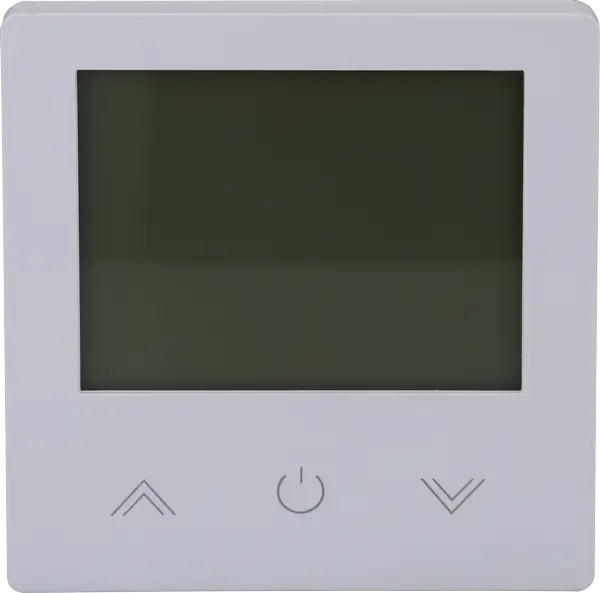
Designed for modern smart-building integration, this controller coordinates hydronic heat settings and manifold actuators to manage indoor temperatures dynamically.
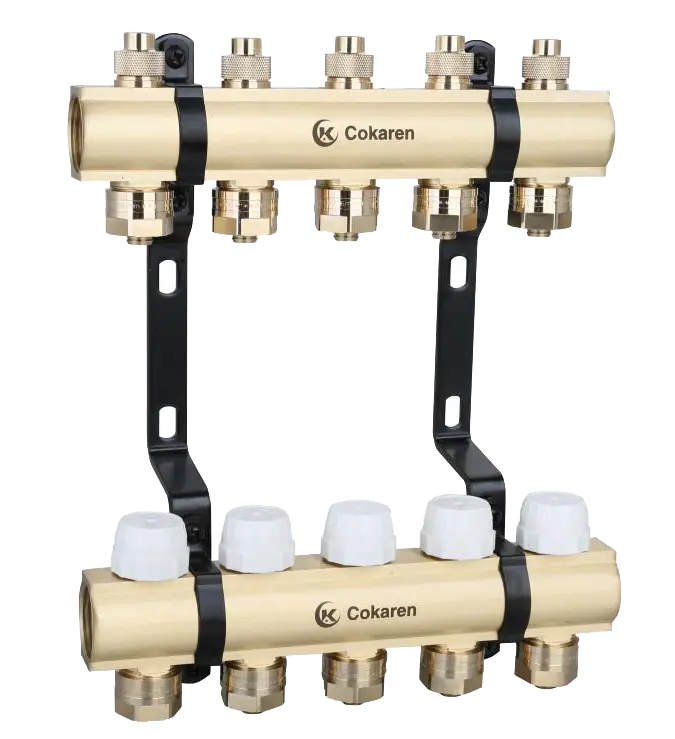
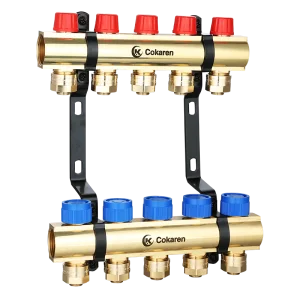
Acts as the central distribution node in underfloor networks. It divides flow among various heating zones and integrates with temperature control loops to maintain balanced heat delivery.
Valves installed in municipal water grids and domestic plumbing lines must meet strict lead leaching limits. We offer brass formulations (such as CW617N, C37700, and lead-free DZR options) that comply with North American low-lead standards (NSF/ANSI 61 and 372) and European CE / RoHS directives. This compliance protects against heavy metal migration and ensures suitability for potable water installations.
Industrial buyers must evaluate specific performance criteria for OEM valves. These checkpoints include wall thickness compliance, thread precision (G, NPT, or BSPT conforming to ISO 228-1), torque resistance, and mechanical cycle ratings. Our technical teams assist procurement managers by providing raw material certificates, coordinate-measuring machine (CMM) testing reports, and pressure-temperature rating charts.
The fluid control industry is adapting to low-carbon standards and digital integration. Key trends include the use of smart hydronic pressure reducing valves that monitor upstream pressure changes, and self-balancing manifolds that adjust flow rate settings dynamically. We continuously update our production lines with lead-free brass formulations and smart valve designs to match these efficiency requirements.
Our standard brass alloys and operating limits are outlined below, providing engineering baseline values for planning fluid transport installations.
| Material Code | Copper Content (%) | Lead Content (%) | Applicable Region / Standards | Key Material Characteristics |
|---|---|---|---|---|
| CW617N (EN 12165) | 57.0 - 59.0% | 1.6 - 2.5% | Europe / CE EN standards | Highly machinable, stable mechanical properties for standard hydronics. |
| C37700 (ASTM B124) | 58.0 - 61.0% | 1.5 - 2.5% | North America / ANSI | Designed for hot-forging with high resistance to structural micro-cracking. |
| Low-Lead / DZR Brass | 60.0 - 63.0% | < 0.25% | US Safe Drinking Water Act (SDWA) / NSF 372 | Dezincification-resistant alloy designed for long exposure to aggressive water. |
| HPb59-1 (GB/T) | 57.0 - 60.0% | 0.8 - 1.9% | Asia Pacific Standard General | Suitable for general plumbing fittings, ball valves, and air bleeders. |



Piston-type pressure reducing valves use a sliding metal piston with elastomeric O-rings to monitor downstream pressure. They are durable, have a simple construction, and resist pressure surges, making them suitable for high-pressure systems. Diaphragm-type valves use a flexible fabric-reinforced diaphragm. This construction is highly sensitive, responsive to small pressure variations, and functions without O-ring sliding friction, which reduces the impact of lime-scale buildup in hard-water conditions.
Under certain chemical conditions, oxygen-rich or high-chloride water can leach zinc out of standard brass alloys (a process known as dezincification). This leaves a porous copper structure that lacks mechanical strength and is prone to pinhole leaks. DZR brass contains specialized alloying elements (such as arsenic) that inhibit this reaction, helping the valve maintain its mechanical strength and structural integrity over decades of continuous contact with water.
Our hot forging process uses precise temperature controls to shape the brass under high pressure. This technique aligns the alloy's crystalline grain structure, providing high structural density and eliminating micro-voids, porosity, and internal cracks. Following machining, every valve body is subjected to pressure testing to ensure it meets our "no leakage" criteria before leaving our facility.
Yes, our engineering department designs custom valves to meet specific customer requirements. We machine threads in NPT, BSPT, and G standards, and offer internal components made from high-temperature elastomers like Viton/EPDM or specialized fluoropolymers. These material options allow our valves to handle operating temperatures ranging from -20°C up to 150°C for industrial steam, solar thermal loops, and heat-pump installations.