 Yongda
Yongda
Yongda
Engineered to handle local water pressures, temperature fluctuations, and dezincification resistance requirements.
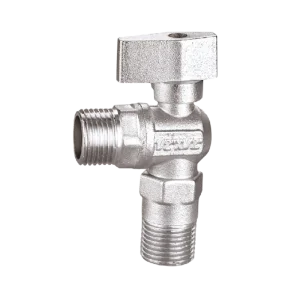
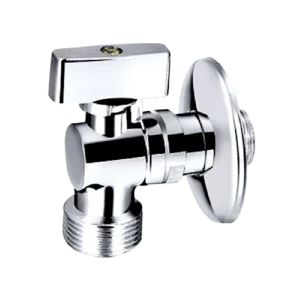
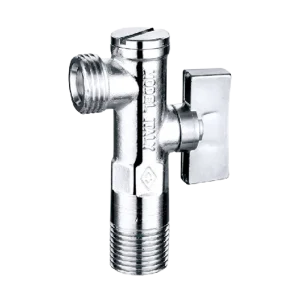
Melbourne, Victoria, remains one of the fastest-growing metropolitan economies in the Southern Hemisphere. With an aggressive shift toward high-density residential developments in urban corridors such as Southbank, Docklands, and the outer suburbs, the demand for robust plumbing, HVAC, and mechanical fluid control assemblies has escalated. This growth brings strict regulatory scrutiny, requiring all system components to meet the requirements of the National Construction Code (NCC), WaterMark Certification scheme, and AS/NZS 3718 standards.
A key issue for engineers in Victoria is Dezincification Resistance (DZR). Groundwaters and surface water chemistries within Australian municipal grids can cause severe dezincification in standard yellow brass alloys. As a result, modern builds require valves crafted from high-grade DZR brass (such as CR brass or low-lead compliant alloys) to prevent structural failures, pinhole leaks, and premature system degradation.
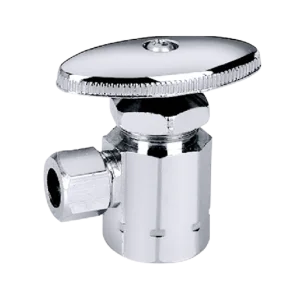
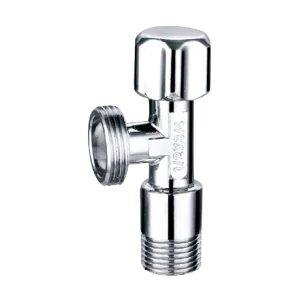
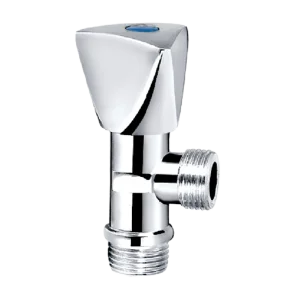
An "Angel Valve" (historically referring to right-angled configuration stop and isolation valves) acts as a critical line of defense in modern piping grids. Installed before endpoint fixtures—such as smart toilets, underfloor heating manifolds, thermostatic mixers, and water meters—they provide targeted isolation. This allows for routine maintenance or repairs without requiring a total shutdown of the building's water distribution loop.
Facilitates micro-isolation of downstream appliances, minimizing commercial down-time during service intervals.
Engineered internal fluid pathways reduce turbulent flow profiles, mitigating pipe noise in luxury apartments.
Alloy compositions carefully regulated to withstand Melbourne's varied water chemistry without zinc leaching.
Bridging the gap between global scale and local compliance requires deep engineering experience. Yuhuan Yongda Fluid Control Co., Ltd. (formerly Yuhuan Yongda Plumbing Co., Ltd.), established in 1996, operates out of China's premier valve hub—Yuhuan, Zhejiang. The facility blends modern production technologies with international certifications (such as ISO9001:2015, ISO14001:2015, and ISO45001:2018) to supply global markets.
To maintain high reliability, the manufacturing process uses automated CNC machinery, forging stations, and automated test equipment. This setup supports the company's newer, refined brand Cokaren, whose core promise is "keep flowing, keep warming".
For Melbourne designers, high-volume production must match strict quality assurance. Standard batch testing is often not enough to meet Australian standards. Each of Yongda's brass angle valves, thermostatic valves, and manifold systems undergoes 100% pneumatic pressure testing before packaging. This ensures the "fine work, no leakage" quality policy is maintained, providing long-term reliability for local projects.
Selecting mechanical components for commercial projects in Melbourne requires a clear understanding of material properties. Below is a breakdown of the material standards and structural features used in Cokaren and Yongda fluid control assemblies.
To comply with the latest lead content limits under Victorian plumbing regulations (reducing allowable lead content in contact with drinking water to less than 0.25%), our forging line uses lead-free DZR brass alloys. This protects public health and prevents stress corrosion cracking under typical thermal load cycles.
Unlike standard rubber-sealed valves that degrade under thermal cycling, our industrial angle stop valves use dual Teflon (PTFE) seats. This ensures smooth operation and drip-tight shutoff even after long periods of non-use.
Using peroxide-cured EPDM O-rings ensures high resistance to chloramines and temperature extremes, extending the service life of both HVAC and potable water applications.
Hot forging eliminates internal porosity, which is common in sand-casted alternatives. By using forged brass bodies, our valves handle higher static pressures and water hammer events typical in high-rise buildings.
Our testing regime includes mechanical cycle tests to verify seat and stem seal life under load, alongside standard hydrostatic pressure checks.
Every plumbing system must adapt to its environment. In Melbourne, this requires balancing extreme weather conditions with efficient system design. Cokaren’s integrated components play a key role in several major applications:
An optimized look at how our products fit into modern residential and commercial mechanical configurations.
Modern commercial mechanical design relies on system-wide compatibility. The graphic below illustrates the integration of filtration, heating control, and temperature management systems. From water meters and primary filtration units (Y9021) to floor heating manifolds (Y1001) and smart thermostatic controllers (Y9031), each part works together to maintain system safety and performance.

Filters up to 98% of particulates, protecting downstream dynamic valves from erosion and blockages.
Spherical ball valves designed for boiler supply lines, offering reliable control over hot water circulation.
Stainless steel or forged brass manifolds designed to balance flow rates across hydronic loops.
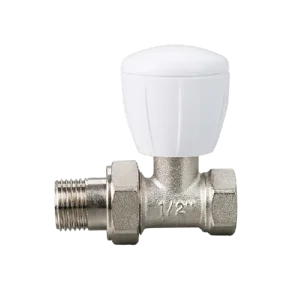
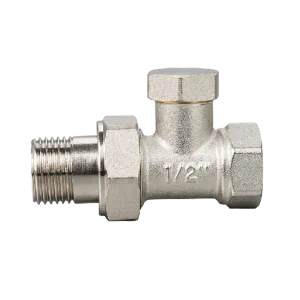
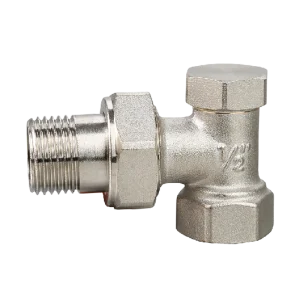
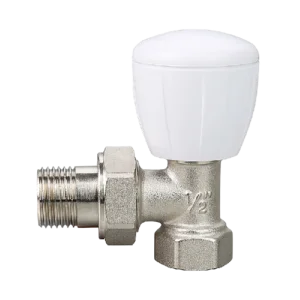
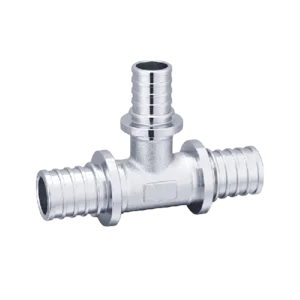
A comprehensive range of hydronic distribution manifolds, connectors, and control valves.
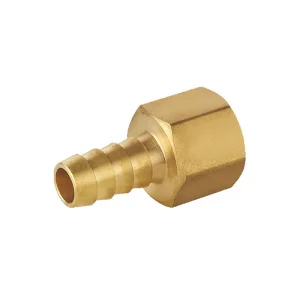
Addressing the common questions raised by mechanical estimators, design engineers, and commercial plumbing contractors.
Need bulk pricing, CAD drawings, or material certificates for an upcoming development project? Contact our engineering team for technical support.